Table of Contents >> Show >> Hide
- What Actually Makes Bubbles (and Why Your Dish Soap Isn’t the Hero)
- Safety First (Because “Relaxing” Shouldn’t Sting)
- Starter Recipe: 3-Ingredient Homemade Bubble Bath (Single Bath)
- Upgrade Recipes (Pick Your Vibe)
- If You Want a Make-Ahead Bottle: Preservatives and Reality
- Add-Ins That Are Worth It (and Ones That Aren’t)
- Troubleshooting: When Your Bubbles Betray You
- The 10-Minute Bubble Bath Ritual (Peak Cozy, Minimal Fuss)
- Real-World Experiences: What DIY Bubble Bath Is Like in Practice (Extra 500+ Words)
- Conclusion
Store-bought bubble bath is basically a tiny chemistry set in a pretty bottle. And honestly? That’s not a bad thing.
The only problem is you don’t get to pick the “chemistry.” If you’ve ever stepped out of a bath feeling like a
human raisin with an attitude, DIY bubble bath is your chance to take back control of the suds.
In this guide, you’ll learn what actually creates bubbles (spoiler: it’s not “good vibes”), how to make a
simple homemade bubble bath that doesn’t require a lab coat, and how to level up to bigger, longer-lasting foam
without turning your tub into a slip-and-slide of regret. We’ll also talk safetybecause “self-care” should not
include rashes, irritation, or a surprise dermatologist visit.
What Actually Makes Bubbles (and Why Your Dish Soap Isn’t the Hero)
Bubbles happen because of surfactantsingredients that lower water’s surface tension and trap air
into foam. In normal-people terms: surfactants let water and oil stop acting like sworn enemies, and they’re the
reason anything ever gets “sudsy.”
Here’s the catch: not all surfactants feel the same on skin. Some are great at cleaning but can be
too harsh for soaking (especially if you’re prone to dryness or sensitivity). That’s why a DIY bubble bath that’s
just “whatever soap I found under the sink” can leave your skin feeling squeaky… and not in a cute way.
The sweet spot for a homemade bubble bath is usually a blend of:
- A gentle cleanser (like unscented castile soap or a mild liquid body wash)
- A humectant (like vegetable glycerin) to help skin feel less tight
- Optional boosters (like a mild amphoteric surfactant) for bigger, more stable bubbles
One more bubble truth: oils can kill foam. Oils are amazing for moisturizing, but too much oil
makes bubbles collapse faster. The trick is using just enough to feel silkywithout turning your bath into a
“where did my bubbles go?” mystery.
Safety First (Because “Relaxing” Shouldn’t Sting)
1) Patch test if you’re sensitive
If you’ve had reactions to fragranced products, new skincare, or “natural” essential oils, do a quick patch test
with your DIY mixture before committing to a full-body soak. “Fragrance-free” is often a safer bet than “smells
like a meadow at sunset.” (Yes, even botanical ingredients can be irritating.)
2) Be cautious with fragrance and essential oils
Fragrance is a common trigger for skin irritation and allergic contact dermatitis. If you want scent, keep it
minimaland consider using a skin-safe fragrance oil made for bath/body products rather than dumping in random
oils meant for diffusers.
If you use essential oils: never add undiluted essential oils directly to bath water. Oil and water
don’t mix, so undiluted drops can sit on the skin at a higher concentration and irritate. Dilute first in a
carrier (or use a proper solubilizer), and keep amounts conservative.
3) Kid note: bubble baths can irritate sensitive areas
For some kids, bubble bath (and even soap residue) can contribute to irritation in sensitive genital areas.
If irritation is a recurring issue, consider skipping bubble baths altogether or using a very mild alternative
(like a small amount of gentle baby shampoo), plus short bath times and warmnot hotwater.
Starter Recipe: 3-Ingredient Homemade Bubble Bath (Single Bath)
This is the simplest “it works and won’t overwhelm you” version. It’s best made fresh per bath (or in a very small
batch) because anything with water can grow microbes over time without preservatives.
Ingredients (for 1 bath)
- 1/2 cup unscented liquid castile soap or a mild, fragrance-free liquid body wash
- 1 tablespoon vegetable glycerin
- 1 tablespoon distilled water (optional, helps thin the mixture)
How to make it
- In a small cup or jar, gently stir the ingredients together. Don’t whipfoam in the jar is wasted foam.
- Run your bath and pour the mixture under the running water (this is the bubble activation moment).
- Swish the water with your hand if you want extra lift.
Expectation management: This makes soft, cozy bubblesnot a cartoon cloud. If you want
“90s bubble beard” levels of foam, jump to the Extra-Bubbly version below.
Upgrade Recipes (Pick Your Vibe)
Option A: Creamy Honey Comfort (Dry-Skin Friendly)
Honey can make bath water feel smoother and less stripping. This version is cozy, lightly sweet, and very “I own
at least one candle I never light.”
- 1/2 cup mild liquid soap (fragrance-free is safest)
- 1 tablespoon honey
- 1 tablespoon vegetable glycerin (or swap with a small amount of a lightweight oil)
Mix gently and pour under running water. If your honey is thick, warm the jar in a cup of warm water first so it
blends easier.
Option B: “Spa Night” Lavender-Adjacent (Without Overdoing It)
Lavender is popular for a reasonbut keep the scent subtle, and only use properly diluted essential oil if you
tolerate it well.
- 1/2 cup unscented soap base
- 1 tablespoon glycerin
- Optional: 1–2 drops essential oil pre-diluted in 1 teaspoon carrier oil (or a properly formulated bath-safe fragrance)
If you have sensitive skin, skip the essential oil and use a fragrance-free bath ritual instead (music, dim lights,
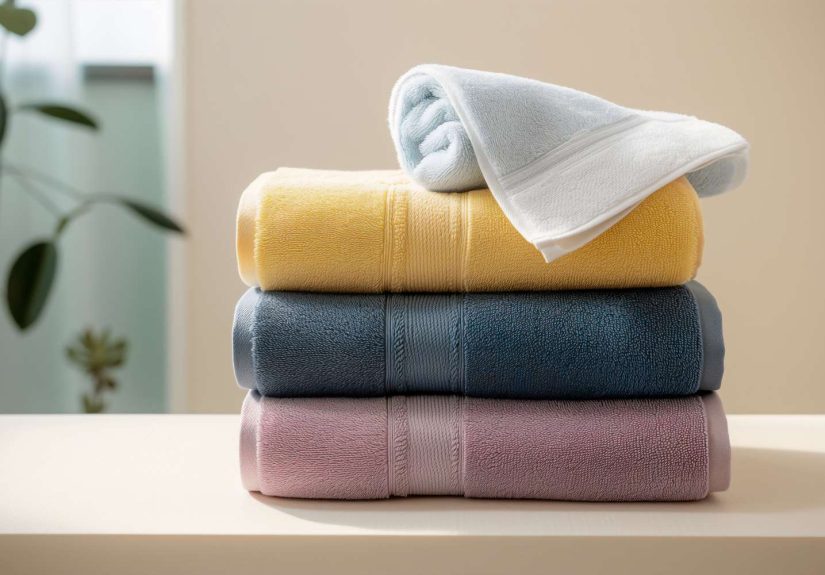
warm towel = still elite).
Option C: Extra-Bubbly “Better Than Store-Bought” (Mild Surfactant Boost)
If your goal is big, stable bubbles, you typically need a surfactant blendnot just soap + hope. One commonly used
gentle booster in cleansers is cocamidopropyl betaine (often listed as “CAPB”).
Good news: You don’t need a complicated formula to benefit from it. You can often buy CAPB from
reputable DIY cosmetic suppliers. Use it modestly, because more surfactant isn’t always “better” for skin.
Ingredients (small batch: about 8 oz / 1 cup)
- 1/2 cup liquid castile soap or gentle liquid soap base
- 1/4 cup cocamidopropyl betaine (CAPB)
- 1–2 tablespoons vegetable glycerin
- 2–3 tablespoons distilled water (as needed for pourable texture)
Method
- Combine in a clean bottle and swirl gently to mix (avoid aggressive shaking).
- Use 2–4 tablespoons per bath under running water and adjust from there.
Why this works: CAPB helps stabilize foam and can make bubbles feel softer and longer-lasting,
especially compared with soap alone.
If You Want a Make-Ahead Bottle: Preservatives and Reality
Here’s the unglamorous truth: anything water-based stored at room temp really should be preserved,
because microbes love warm bathrooms almost as much as you do. If you’re not using a proper preservative system,
your safest move is one of these:
- Make it per bath (fresh, simple, low stress)
- Make a tiny batch and store it in the fridge for up to a week (and discard if it smells “off”)
- Use a commercial bubble bath base from a reputable supplier and follow their guidelines
If you’re serious about long-term storage, you’re entering “DIY cosmetic formulation” territorythink sanitation,
accurate weighing, preservative choice, and (ideally) pH checks. Totally doable, but it’s a different hobby than
“I just want bubbles tonight.”
Add-Ins That Are Worth It (and Ones That Aren’t)
Worth considering
- Vegetable glycerin: helps skin feel less tight after a soak
- Colloidal oatmeal: can be soothing for itchy-feeling skin (use a fine grind so it disperses)
- Aloe vera gel: adds slip; choose simple, fragrance-free formulas
- Bath salts: great for a soak, but add them separately from your bubble mix so you can control texture and slip
Proceed with caution
- Heavy oils: can reduce bubbles and make the tub slippery
- Food coloring: can stain tubs, towels, and your vibe
- Fresh flowers/herbs: pretty… until you’re unclogging a drain while wrinkly and annoyed
- Glitter: “mermaid fantasy” becomes “plumber’s origin story” fast
Troubleshooting: When Your Bubbles Betray You
“My bubbles are weak.”
- Make sure you’re pouring your mix under fast-running water.
- Cut back on oils (even a little can collapse foam).
- If your water is hard, you may need more surfactant or a bubble bath base designed for foam.
“My skin feels dry afterward.”
- Use a milder cleanser base (fragrance-free helps).
- Increase glycerin slightly.
- Keep baths shorter and moisturize afterward (the “seal it in” step matters).
“Something stings.”
- Stop the bath and rinse off with clean water.
- Remove fragrance/essential oils and simplify the formula.
- If irritation persists, consider talking to a clinicianespecially for kids or recurrent symptoms.
The 10-Minute Bubble Bath Ritual (Peak Cozy, Minimal Fuss)
- Quick rinse the tub first (less grime = better soak).
- Start filling with comfortably warm water (not lava).
- Add your bubble bath mixture under the faucet.
- While it fills: set a towel within reach and queue something relaxing (music, podcast, silenceno judgment).
- Soak, breathe, and remember you are not obligated to solve the entire internet tonight.
- After: rinse briefly, pat dry, moisturize.
Real-World Experiences: What DIY Bubble Bath Is Like in Practice (Extra 500+ Words)
DIY bubble bath sounds very “Pinterest-perfect,” but the real-life experience is usually more like a charming
science fair you can do barefoot. Here are a few common, totally normal scenarios people run intoand what to do
about them.
The “Wait… that’s it?” first batch
A lot of first attempts use castile soap + glycerin and then… surprise… the bubbles are gentle, not cinematic.
That’s because castile soap can foam, but it doesn’t always create the dense, long-lasting bubble blanket you get
from commercial surfactant blends. The fix isn’t “add half the bottle.” The fix is either (a) accept soft bubbles
and enjoy the skin-friendly vibe, or (b) upgrade to a mild booster like cocamidopropyl betaine for more stable foam.
Once people try the boosted version, the difference is usually immediate: bubbles look fluffier and hang around
longer instead of fading like a party balloon the next morning.
The “Why did my bubbles vanish when I added oil?” moment
Oils make skin feel amazing, so it’s tempting to pour in a generous splashespecially if your skin is dry. But oil
and bubbles have a complicated relationship: oil can break down the foam structure and make bubbles collapse faster.
People often discover this the hard way after adding coconut oil and watching their bubble crown deflate like a sad
soufflé. The workaround is using less oil (think teaspoons, not glugs), choosing lighter oils, or putting the oil
into your post-bath moisturizer step instead. If you’re determined to have both bubbles and oil, you’ll need a
solubilizer approachotherwise, the oil may also sit on the skin in concentrated patches, which can be irritating.
The “Hard water ate my bubbles” plot twist
If you live somewhere with hard water, you might notice your DIY bubble bath feels different depending on the
dayor depending on which bathroom you use. Hard water minerals can interfere with foaming and make soap feel
less effective. That’s why some people swear their recipe “worked perfectly at my friend’s house” and then fails
at home. In those cases, switching to a bubble bath base designed for foam, or using a surfactant blend (instead of
relying on soap alone), tends to bring back the bubbly magic.
The “Scent is either too weak or way too strong” balancing act
DIY scent is a narrow bridge with cliffs on both sides. Use too little and you get “warm water with personality.”
Use too much and your skin might protest, especially with essential oils. People often learn that “natural” doesn’t
automatically mean “gentle,” and that a bath is a full-body exposurenot a tiny dab on a wrist. A good strategy is
going fragrance-free first, then adding scent slowly, and keeping it subtle. If you want aroma without the risk,
consider scenting the room (like a candle outside the tub area or a diffuser used cautiously) rather than putting
strong fragrance directly in the bath water.
The “Kid bubble bath negotiations” chapter
If kids are involved, DIY bubble bath can become a weekly treaty agreement. Some kids love bubbles but are prone to
irritation, and parents end up doing a careful compromise: shorter baths, warm water, super mild ingredients, and
no heavy fragrance. Sometimes the “bubble bath” becomes “a tiny amount of gentle cleanser under the faucet,” which
still feels special without being harsh. The big win is flexibility: DIY lets you dial things down when skin is
sensitive and dial things up when everyone’s feeling fine.
The overall DIY experience is usually the same: your first version teaches you what your skin likes, your second
version gets closer, and by version three you’re basically the tub’s personal baristacustomizing bubbles the way
you customize coffee. The best homemade bubble bath isn’t the fanciest. It’s the one you can repeat easily, that
feels good on your skin, and that turns an ordinary night into a small, silly luxury.
Conclusion
Making your own bubble bath is equal parts practical and delightful. Start with a simple soap + glycerin blend,
then adjust based on what you want: more bubbles, more skin comfort, or less fragrance. Keep safety in mind,
especially with essential oils and sensitive skin, and remember that “homemade” doesn’t have to mean complicated.
It just has to mean yours.