Table of Contents >> Show >> Hide
- First: Are You Actually Dealing With Earwax?
- Quick Safety Check (Read This Before You Do Anything)
- How “Massage” Helps Earwax Move
- 7 Methods to Massage Ear Wax Out (Safely)
- Method 1: Warm Compress + Outer Ear Massage (The “Spa Day” Approach)
- Method 2: The Tragus Pump (Gentle Pressure at the Entrance)
- Method 3: Jaw Motion + Chewing (Let Your Face Do the Work)
- Method 4: Mineral Oil (or Baby Oil) Drops + Massage + Drain
- Method 5: OTC Earwax Softener Drops (Carbamide Peroxide) + Massage
- Method 6: Diluted Hydrogen Peroxide (Only If You’re a Good Candidate)
- Method 7: Gentle Warm-Water Irrigation (After Softening)
- What Not to Do (Because the Internet Is Wild)
- When to See a Clinician (Don’t “Tough It Out”)
- FAQ: Quick Answers for Cleaner Ears
- Conclusion: Clean Ears, Not Battle Scars
- Real-Life Experiences: What People Notice (And What’s Normal)
Let’s get one thing straight: earwax (a.k.a. cerumen) is not your enemy. It’s more like a bouncer for your ear canalcatching dust, trapping grime, and helping keep the skin inside your ear from turning into the Sahara Desert. The problem starts when earwax overstays its welcome and throws a party that blocks sound.
If your ear feels full, muffled, itchy, or like it’s holding a tiny, sticky secretthis guide is for you. Below are 7 safe, practical methods to loosen wax and help it move out naturally, including gentle “massage” techniques that can support drainage. We’ll keep it real, we’ll keep it safe, and we’ll keep random household objects (bobby pins, pens, keys, your dreams of “just scraping it a little”) far away from your ear canal.
First: Are You Actually Dealing With Earwax?
Earwax buildup can feel like:
- Muffled hearing (like someone turned your life’s volume down to 60%)
- A plugged or full sensation
- Itching
- Ringing (tinnitus)
- Mild discomfort
But not everything “plugged” is wax. Congestion, ear infections, fluid behind the eardrum, allergies, or changes in pressure can mimic wax symptoms. If you’re unsureor if symptoms are intenseskip the DIY and get checked.
Quick Safety Check (Read This Before You Do Anything)
Do NOT put drops or water in your ear and do not try home removal if you have any of the following:
- Severe ear pain, fever, or worsening symptoms
- Drainage (especially pus or blood)
- A known or suspected eardrum perforation
- Ear tubes now or in the past (unless your clinician says it’s okay)
- Recent ear surgery
- Sudden hearing loss, significant dizziness/vertigo, or neurologic symptoms
Also: If you wear hearing aids or earbuds daily, you’re more likely to get wax buildup. That doesn’t mean you need to “deep clean” every weekit means you should be extra gentle and strategic.
How “Massage” Helps Earwax Move
You can’t knead earwax like pizza dough (and please don’t try). But gentle massage around the ear can help in three ways:
- Supports natural migration: the ear canal skin slowly moves outward, and jaw movement helps.
- Improves drainage: warmth and softening drops work better when the wax is less rigid.
- Encourages loosening: gentle pressure near the opening can help dislodge soft wax so gravity can do its thing.
7 Methods to Massage Ear Wax Out (Safely)
Method 1: Warm Compress + Outer Ear Massage (The “Spa Day” Approach)
Best for: mild blockage, dry wax, general discomfort.
Why it works: Warmth can soften wax and relax tissue; massage helps encourage outward movement.
- Soak a clean washcloth in warm (not hot) water. Wring it out.
- Hold it against the affected ear for 5–10 minutes.
- Massage gently around the ear:
- Use two fingers to rub small circles behind the ear (where your jaw meets the skull).
- Then massage the front of the ear near the cheekbone.
- Finish with a gentle “pinna wiggle”: lightly pull the outer ear up, back, and downslowly10–15 seconds.
Pro tip: If it starts to hurt, stop. “Therapeutic” does not mean “aggressive.”
Method 2: The Tragus Pump (Gentle Pressure at the Entrance)
Best for: wax that’s near the outer canal opening.
Why it works: Gentle pressure changes can help shift soft waxthink of it as encouraging the “front door” to open, not trying to bulldoze the walls.
- Wash your hands.
- Find the tragus (the small flap of cartilage in front of your ear canal).
- Press it inward gently and releaseslowlyabout 10–15 times.
- Keep it painless. If it feels sharp or causes dizziness, stop immediately.
Don’t do this if you suspect infection or have significant ear pain.
Method 3: Jaw Motion + Chewing (Let Your Face Do the Work)
Best for: wax that feels “deep” but mild, especially if it comes and goes.
Why it works: Jaw movement can help the ear canal naturally move wax outward over time.
- Chew sugar-free gum for 10–20 minutes.
- Do slow, exaggerated yawns (yes, you may look like a dramatic opera singercommit to the role).
- Try gentle jaw massage: use your fingertips to massage the jaw hinge (in front of the ear) in small circles for 1–2 minutes.
Reality check: This won’t eject a wax plug instantly. It’s most helpful for prevention and mild buildup.
Method 4: Mineral Oil (or Baby Oil) Drops + Massage + Drain
Best for: dry, stubborn wax; gradual softening.
Why it works: Oil can lubricate and soften wax so it can slide out more easily.
How to do it
- Warm the bottle in your hands for a minute so the drops are closer to body temperature.
- Lie on your side with the affected ear facing up.
- Place 2–3 drops in the ear canal opening (not deep inside).
- Stay in position for 5–10 minutes.
- Gently massage around the ear (behind and in front) for 30–60 seconds.
- Sit up, then tilt your head so the ear faces down and let it drain onto a tissue.
How often? Once daily for up to 3–5 days. If nothing improves, stop and get evaluated.
Method 5: OTC Earwax Softener Drops (Carbamide Peroxide) + Massage
Best for: moderate wax buildup when you want an evidence-based pharmacy option.
Why it works: Carbamide peroxide breaks down wax; bubbling is common and can be totally normal.
How to do it
- Use the product exactly as labeled (dose and time vary by brand).
- Lie with the affected ear up; apply drops.
- Wait the recommended time.
- While you wait, do gentle outer ear massage and/or the tragus pump (if comfortable).
- Drain by tipping your ear down afterward.
What you might feel: fizzing, mild crackling, and a “watery” sensation. If you feel burning, sharp pain, or significant dizzinessstop.
Method 6: Diluted Hydrogen Peroxide (Only If You’re a Good Candidate)
Best for: softening wax when OTC drops aren’t available (or when your clinician has okayed it).
Why it works: Low-concentration peroxide can help loosen wax; it bubbles when it contacts debris.
Important: If you have any doubt about a perforated eardrum, past ear tubes, infection, or surgerydo not do this at home.
How to do it (gentle version)
- Mix equal parts 3% hydrogen peroxide and room-temperature clean water.
- Lie on your side with the affected ear up.
- Place 2–3 drops at the ear canal opening.
- Wait 5 minutes (stop sooner if it stings).
- Massage around the ear lightly for 30 seconds.
- Drain by turning your head so the ear faces down.
Do not overdo it. Too much peroxide can irritate the skin inside the ear canal.
Method 7: Gentle Warm-Water Irrigation (After Softening)
Best for: wax that has softened with drops but won’t fully come out.
Why it works: Irrigation can flush loosened waxwhen done correctly and safely.
Who should NOT irrigate at home?
- Anyone with suspected/known eardrum perforation, tubes, infection, or recent surgery
- Anyone who experiences significant dizziness with ear manipulation
- Anyone with severe pain, drainage, or sudden hearing loss
How to irrigate safely
- Use a rubber bulb syringe (not a high-pressure device).
- Use body-temperature water (too cold or hot can cause dizziness).
- Tilt your head over a sink with the affected ear facing down and slightly forward.
- Gently squirt water along the side of the ear canal openingnever forcefully and never “straight in.”
- Pause and let water drain. Repeat gently a few times.
- Dry the outer ear carefully with a towel. You can tilt your head and gently tug the outer ear to help water drain out.
Stop immediately if you feel pain, sharp pressure, or strong dizziness.
What Not to Do (Because the Internet Is Wild)
- No cotton swabs inside the canal. They often push wax deeper and can injure the ear.
- No ear candling. It can burn you and doesn’t reliably remove wax.
- No sharp objects. Your ear canal is not a DIY craft project.
- No high-pressure water tools. If it can clean your teeth, it can absolutely terrorize your eardrum.
When to See a Clinician (Don’t “Tough It Out”)
Get professional care if:
- You have persistent symptoms after 3–5 days of safe home care
- You have ear pain, drainage, fever, or significant itching with swelling
- You have a history of ear surgery, ear tubes, or a perforated eardrum
- You have worsening hearing loss or one-sided symptoms that don’t clear
- You have diabetes, immune compromise, or frequent ear infections (ask your clinician before irrigating)
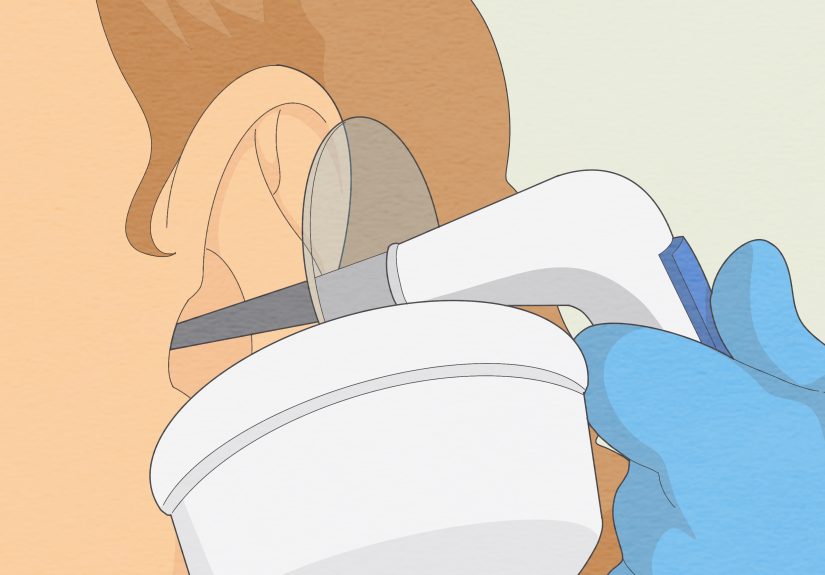
Clinicians can remove wax using specialized tools, suction (microsuction), or controlled irrigation under direct visualizationfaster and safer when a true impaction is present.
FAQ: Quick Answers for Cleaner Ears
How long does it take for earwax to come out after drops?
Often a few days. Drops soften wax gradually; gravity and normal jaw movement help it migrate outward. If you’re still blocked after several days, you may have true impaction that needs professional removal.
Why does my ear feel more clogged after using drops?
Because the wax may have softened and expanded slightly or shifted position. It’s annoying, but common. If it stays clogged, stop experimenting and get checked.
Can I clean my ears in the shower?
You can gently clean the outside with a washcloth and dry the outer ear afterward. Avoid directing water into the ear canal and avoid inserting objects inside.
How do I prevent earwax buildup?
- Stop putting things in your ear canal (yes, even “just the tip” of a swab)
- Take breaks from earbuds/hearing aids when possible
- If you’re prone to wax plugs, ask a clinician about a safe maintenance routine (some people use occasional softening drops)
Conclusion: Clean Ears, Not Battle Scars
The goal isn’t to achieve “museum-grade” ear canals. The goal is comfort, hearing clarity, and keeping your ears healthy. If you suspect wax buildup, start with gentle options: warmth, massage around (not inside) the ear, and safe softening drops. If symptoms persistor you have red-flag signsget professional help. Your eardrum is delicate, your hearing matters, and nobody wants a dramatic story that begins with, “So I found a hairpin and thought…”
Real-Life Experiences: What People Notice (And What’s Normal)
People don’t usually think about earwax until it becomes the main character. And when it does, the experience can feel surprisingly dramaticeven when it’s medically minor. Here are common, real-world patterns clinicians often hear about, plus what they usually mean.
1) “My ear feels full, like there’s water trapped.”
This is one of the most common wax complaints. A partial blockage can create a plugged sensation even if your hearing isn’t completely muffled. Many people try to “pop” it like airplane pressure, but wax doesn’t behave like trapped air. Warm compresses and gentle jaw movement can feel soothing because they reduce tension around the jaw joint and ear canal entranceeven if the wax doesn’t instantly budge.
2) “The drops made everything worsenow I’m more clogged.”
This is also common. Softening drops can loosen wax but temporarily shift it into a position that blocks sound more effectively (earwax: surprisingly talented at being inconvenient). People often describe a sudden “underwater” feeling after drops. If there’s no sharp pain or drainage, it may simply be softened wax sitting differently. That’s a good time to stop escalating at home, avoid poking, and consider professional removalespecially if you’re on day 3–5 with no improvement.
3) “I heard crackling, fizzing, or tiny popping sounds.”
With peroxide-based drops, that fizzy sound can be totally expected. People sometimes worry it’s their eardrum “bubbling” (it’s not). The bubbling is typically the solution reacting with debris and wax. That said, burning or intense stinging is a sign to stopear canal skin can get irritated fast.
4) “I felt instant relief… and then everything got loud.”
When a wax plug finally moves, people may experience a sudden return of volumelike switching from a pillow-covered speaker to surround sound. Some describe it as “my ear opened” or “I can hear electricity.” That sudden clarity can be normal. If the change is accompanied by pain, dizziness, or persistent ringing, that’s differentget evaluated.
5) “I tried flushing and got dizzy.”
Dizziness during irrigation is a classic sign the water temperature may be too cold or too hot, or that the ear is simply irritated. Many people don’t realize the inner ear is sensitive to temperature changes; the wrong temperature can trigger vertigo-like symptoms. This is why body-temperature water matters, and why you should stop immediately if you feel spinning or nausea.
6) “I’m embarrassedam I gross?”
No. Earwax is normal and protective. Some people naturally produce more wax, some have narrower canals, and some use devices (earbuds, hearing aids) that slow wax migration. The “experience” many people share isn’t about hygieneit’s about anatomy and routine. The most ear-friendly mindset is: clean the outside, leave the canal alone unless symptoms show up, and use gentle methods when needed.
Bottom line: the most common experiencesfullness, temporary clogging after drops, fizzing sounds, and a big “wow” moment when hearing returnscan be normal. The experiences that should push you to seek care quickly are pain, drainage, fever, sudden hearing loss, or significant dizziness. When in doubt, choose the boring option (a clinician visit). Your future self will appreciate the lack of ear-related chaos.