Table of Contents >> Show >> Hide
- Meet Coleus: The Color-First Foliage Plant
- Choosing the Right Coleus for Your Yard (or Balcony Jungle)
- When to Plant Coleus Outdoors
- Where to Plant Coleus
- Soil Prep: The “Compost Makes It Better” Section
- How to Plant Coleus (Step-by-Step)
- Watering Coleus: Keep It Moist, Not Miserable
- Fertilizing for Lush Leaves (Not a Flower Festival)
- Pinching and Pruning: The Secret to Bushy, Instagram-Worthy Coleus
- Sun Scorch, Legginess, and Other Drama: Troubleshooting Common Problems
- Pests That Like Coleus a Little Too Much
- Disease Watch: Coleus Downy Mildew (and Why Airflow Is Your Friend)
- How to Propagate Coleus (Make Free Plants Like a Gardening Wizard)
- How to Overwinter Coleus Indoors
- Design Ideas: Make Coleus Look Like You Hired a Pro
- Safety Note for Pet Owners
- Conclusion: Coleus Success Comes Down to Three Things
- Real-World Coleus Experiences (The Stuff You Only Learn by Doing)
Coleus is the plant equivalent of showing up to a party in a perfectly tailored outfitbold colors, dramatic patterns,
and absolutely no need to “bloom” to be the main character. If you want reliable, low-fuss foliage that makes your
beds, borders, and containers look intentionally designed (even when you’re winging it), coleus is your new best friend.
This guide walks you through choosing the right coleus, planting it the smart way, and keeping it lush from spring to
frostwith specific troubleshooting tips so you’re not left staring at droopy leaves like it’s a plant-themed mystery novel.
Meet Coleus: The Color-First Foliage Plant
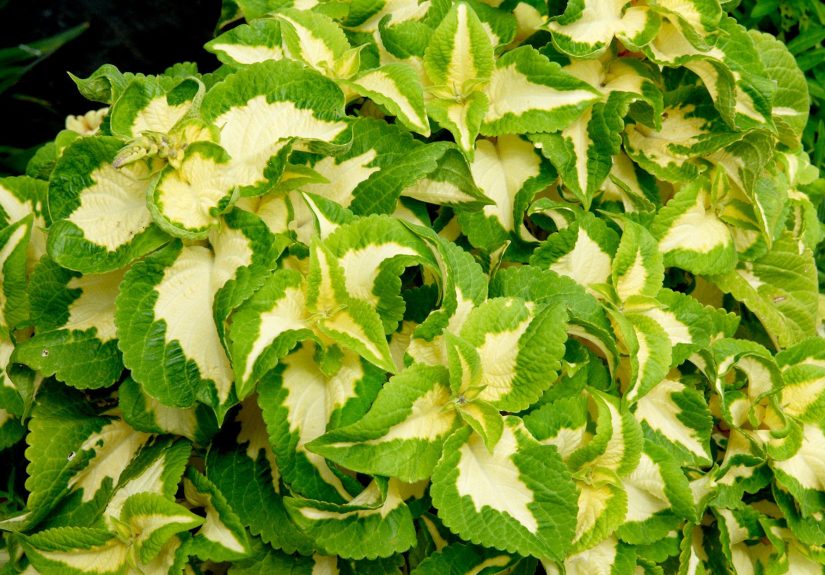
Coleus (commonly sold as Coleus or Plectranthus scutellarioides) is prized for its leavesthink neon-lime,
burgundy, chocolate, pink, apricot, and patterns that look like someone went wild with a paintbrush. In much of the U.S.,
it’s grown as a warm-season annual because it dislikes cold and can be killed by frost. In very warm climates (generally
USDA Zones 10–11), it can behave like a perennial.
The best part: you can get months of color without waiting for flowers. In fact, most gardeners pinch off flower spikes
because the foliage is the whole point (and pinching keeps plants fuller).
Choosing the Right Coleus for Your Yard (or Balcony Jungle)
1) Shade coleus vs. sun coleus: light matters
Coleus is famous for shade tolerance, but many modern varieties handle more sun than older types. Your goal is to match
the variety (and leaf color) to your light conditions:
- Part shade / dappled light: The classic “happy place” for many coleusgreat color, fewer scorch issues.
- Morning sun + afternoon shade: Often the sweet spot for vibrant foliage without crispy edges.
- Full shade: Coleus will live, but it may stretch and get leggy if it’s too dark.
- Full sun: Works best with sun-tolerant cultivars. In hot regions, even “sun coleus” may appreciate some afternoon relief.
Quick visual rule of thumb: lighter, more delicate colors often prefer more shade; deeper, darker colors tend to tolerate
more sun. But labels at the garden center still matterread them like your plant’s tiny contract.
2) Pick a size that fits your space
Coleus ranges from compact “edger” plants to big, bushy statement shrubs (in a single season!). Before you plant, decide what
job coleus is doing:
- Border/bed filler: Medium to large varieties for mass color.
- Container thriller: Upright, bold varieties in the center of a pot.
- Container spiller: Trailing types that tumble over edges like plant confetti.
- Houseplant candidate: Varieties that respond well to indoor light and pruning.
When to Plant Coleus Outdoors
Coleus is tropical at heart. Plant it outside only after frost danger has passed and nights are reliably warm. A practical
benchmark many growers use: wait until temperatures are consistently above about 60°F for best growth. If you plant too early,
coleus may sulk, stall, or get damaged.
If you’re impatient (same), you can buy plants early and keep them indoors near a bright window until the weather settles.
Just don’t forget to harden them off before moving them outside full-time.
Where to Plant Coleus
In the ground
Choose a spot with the right light for your variety, plus soil that drains well. Coleus likes moisture, but it does not like
swampy feet. Beds with compost-amended soil and consistent watering are ideal.
In containers
Coleus is a container superstar because you can fine-tune light and water, and you can move it when summer gets dramatic.
Use a pot with drainage holes, and pick a high-quality potting mix that holds moisture without staying soggy.
Soil Prep: The “Compost Makes It Better” Section
Coleus grows best in rich, loose, well-draining soil with organic matter. If your soil is heavy clay, mix in compost to improve
texture and drainage. If your soil is sandy, compost helps retain moisture. Basically, compost is the duct tape of gardening:
it fixes more than you’d expect.
In containers, avoid straight garden soil (it compacts). Use a potting mix, and consider adding a bit of compost for extra
richnesswithout turning the pot into a sponge.
How to Plant Coleus (Step-by-Step)
Planting coleus in garden beds
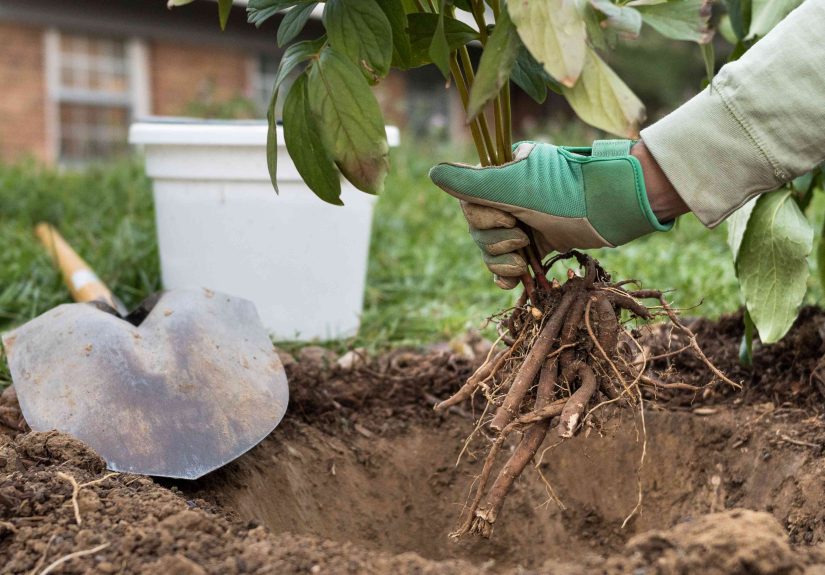
- Water the plant first (still in its pot). Hydrated roots handle transplanting better.
- Dig a hole about as deep as the root ball and a bit wider.
- Set the plant at the same depth it was growing in the pot (don’t bury the stem).
- Backfill with soil and gently firm it so there are no air gaps.
- Water thoroughly to settle soil around roots.
- Mulch lightly (optional but helpful) to keep moisture steadyjust don’t pile mulch against stems.
Spacing depends on variety, but many coleus are planted roughly 12–24 inches apart. Give them room to fill in; coleus hates
being crowded once it starts growing like it has somewhere to be.
Planting coleus in containers
- Choose a pot with drainage holes (non-negotiable).
- Fill with potting mix, leaving room for the root ball.
- Plant at the same depth as the nursery pot.
- Water until it drains freely.
- Place the pot in appropriate light and monitor moisture closely for the first two weeks.
Watering Coleus: Keep It Moist, Not Miserable
Coleus prefers evenly moist soilthink “wrung-out sponge,” not “desert” and not “puddle.” In hot weather or containers,
you may need to water more often. Signs your coleus needs water:
- Leaves droop or look limp (especially midday).
- Soil feels dry an inch below the surface.
- Leaf edges get crispy (can also be sun/heat stress).
A midday wilt that recovers by evening can happen in heat, even with adequate soil moisture. If it perks up later, don’t panic-water.
Check the soil firstoverwatering is how you turn “easy plant” into “why is it rotting?”
Fertilizing for Lush Leaves (Not a Flower Festival)
Coleus isn’t a heavy feeder, but it appreciates regular nutritionespecially in containers where nutrients wash out faster.
A balanced fertilizer works well. Many university and extension-style guidelines suggest modest, consistent feeding rather than
big, infrequent doses.
- In beds: Mix in a general-purpose balanced fertilizer at planting if desired, then feed lightly during the season.
- In containers: Use a diluted liquid fertilizer every few weeks during active growth, or a slow-release product per label directions.
- Avoid high-bloom fertilizers: Too much emphasis on flowering can mean leggier plants and less focus on foliage.
If your coleus is growing but looks pale, it may need a gentle feedingor it may be getting too much sun (some varieties “bleach”).
Pinching and Pruning: The Secret to Bushy, Instagram-Worthy Coleus
If coleus had a mantra, it would be: Pinch me, please. Pinching encourages branching, which makes plants fuller and less leggy.
Start early when the plant is young:
- Pinch or snip the top growth just above a leaf node.
- Repeat every couple of weeks until it’s nicely branched.
- If it gets tall and sparse, don’t be afraid to cut it back by a thirdcoleus usually rebounds fast in warm weather.
Should you remove coleus flowers?
Coleus can flower (often late summer), but the blooms are not the main attraction. Many gardeners remove flower spikes to keep
energy focused on foliage and to maintain a compact shape. Bonus: pinching flower spikes often triggers more branching.
Sun Scorch, Legginess, and Other Drama: Troubleshooting Common Problems
Problem: Leaves look faded, bleached, or crispy
- Likely cause: Too much sun, especially intense afternoon sun.
- Fix: Move containers to morning sun/afternoon shade, or provide shade cloth. In beds, consider relocating or planting a taller companion to cast light shade.
- Also check: Dry soil + heat can mimic sun scorch. Confirm moisture before changing everything.
Problem: Plant is tall and floppy (leggy)
- Likely cause: Not enough light, or not enough pinching.
- Fix: Give brighter light (not necessarily harsher sun), pinch tips, and trim back to encourage branching.
Problem: Wilting that doesn’t recover
- Likely cause: Underwatering, root stress, or overwatering leading to root issues.
- Fix: Check soil moisture 1–2 inches down. If bone-dry, water deeply. If soggy, let it dry slightly and ensure good drainage.
Pests That Like Coleus a Little Too Much
Coleus is generally easy, but a few pests may stop by for snacksespecially when plants are stressed or when you bring coleus indoors for winter.
Watch for:
- Aphids: Clusters on new growth; sticky residue (honeydew).
- Whiteflies: Tiny white insects that flutter up when disturbed.
- Spider mites: Fine webbing, stippled leavesoften worse in dry indoor air.
- Mealybugs: White cottony masses in leaf joints.
- Slugs/snails: Chewed leaves, especially in shady, damp beds.
Start with the gentlest approach: rinse plants with water, remove heavily infested leaves, and increase airflow. For persistent issues,
insecticidal soap or horticultural oil can helpalways follow label directions and test a small area first (some tender leaves can be sensitive).
Disease Watch: Coleus Downy Mildew (and Why Airflow Is Your Friend)
One of the more serious issues for coleus is downy mildew. It can cause distorted leaves, yellowing/chlorosis, leaf drop, and stunted growth.
Under humid conditions, you may see fuzzy growth on leaf undersides. Because it spreads easily in cool, wet, humid conditions, prevention is key:
- Give plants space (don’t plant too tightly).
- Water at the base when possible; avoid soaking foliage late in the day.
- Improve airflowespecially in containers grouped closely together.
- Remove and discard badly infected plants (don’t compost if disease pressure is high in your area).
If you suspect downy mildew, act quickly. Early intervention and sanitation matter more than heroic late-season efforts.
How to Propagate Coleus (Make Free Plants Like a Gardening Wizard)
Coleus is famously easy to propagate from stem cuttings. This is also the easiest way to “save” your favorite plant before frost.
Water propagation (beginner-friendly)
- Snip a healthy stem 4–6 inches long, just below a leaf node.
- Remove leaves from the bottom 1–2 inches of the stem.
- Place the cutting in a jar of room-temperature water (no leaves underwater).
- Set it in bright, indirect light.
- Change water every few days. When roots are a couple inches long, pot it up.
Soil propagation (less splashing, more immediate stability)
- Prepare a small pot with moist potting mix.
- Insert the stripped cutting and firm the mix around it.
- Cover loosely with a clear bag or dome to boost humidity (optional).
- Keep in bright, indirect light and evenly moist soil until rooted.
How to Overwinter Coleus Indoors
If you live where winter exists (rude, but common), you have two main options: bring the whole plant inside as a houseplant,
or take cuttings and overwinter the baby plants. Either way, move coleus indoors before temperatures drop too low.
Many gardeners use ~50°F as a “time to bring it in” warning sign.
Option A: Bring the whole plant inside
- Inspect for pests and rinse foliage gently.
- Place near a bright window (bright, indirect light is ideal).
- Water less often in wintergrowth slows, so soggy soil becomes a bigger risk.
- Skip heavy feeding until spring; pinch occasionally to keep it compact.
Option B: Overwinter as cuttings
- Take several cuttings in late summer or early fall (insurance policy).
- Root them in water or soil indoors.
- Pot up rooted cuttings and keep them in bright light until spring.
Design Ideas: Make Coleus Look Like You Hired a Pro
Coleus is basically a “color tool.” Use it to echo hues from flowers, outdoor pillows, or even your front door. Try these combos:
- High contrast: Lime-green coleus with purple flowers (salvia, verbena) for instant pop.
- Moody modern: Deep burgundy coleus with black mondo grass and white calibrachoa.
- Soft and warm: Apricot/pink coleus with dusty miller and pale begonias in part shade.
- Tropical vibe: Big coleus with elephant ears (Colocasia), caladium, and ferns in bright shade.
Pro move: repeat the same coleus variety in at least three places. Repetition makes the whole landscape feel intentionaleven if
you planted it while wearing flip-flops and holding iced coffee.
Safety Note for Pet Owners
If you have curious pets, treat coleus as a “look, don’t snack” plant. Some coleus species are listed as toxic to cats and dogs
and may cause gastrointestinal upset if chewed. When in doubt, place plants out of reach and contact a vet if ingestion is suspected.
Conclusion: Coleus Success Comes Down to Three Things
If you remember nothing else, remember this trio: warm temps, steady moisture, and regular pinching. Plant coleus after
it’s truly warm, keep the soil evenly moist (especially in containers), and pinch often to maintain that full, bushy look. Do that,
and coleus will reward you with months of colorno flowers required.
Real-World Coleus Experiences (The Stuff You Only Learn by Doing)
The first time I grew coleus, I treated it like a typical “shade plant” and tucked it into the darkest corner of my porch, where
sunlight visited for about nine minutes a daylike a flaky friend who “totally meant to text back.” The coleus lived, but it didn’t
exactly thrive. It stretched upward, got lanky, and started leaning like it was trying to overhear the neighbors’ conversation.
That’s when I learned an important nuance: coleus likes shade, but it still needs light. Bright, filtered light makes a huge difference.
Once I moved the pot to a spot with morning sun and afternoon shade, the plant thickened up and the colors sharpened almost like someone
turned up the saturation slider.
My second big lesson came from watering. Coleus is dramatic in the most relatable way: it wilts fast when thirsty, then perks up quickly
after a good drinklike it just remembered it has bills to pay. The tricky part is learning the difference between “I need water” wilt
and “It’s 95°F and I’m having a moment” wilt. On scorching afternoons, I’d see leaves droop and assume I’d failed as a plant parent.
But when I checked the soil, it was still moist. If I watered anyway, the pot stayed wet for too long and the plant got unhappy in a different
way. Now I use the finger test: if the soil is dry about an inch down, water; if it’s still cool and damp, let the plant ride out the heat.
Consistency matters more than frequency, and containers almost always need closer monitoring than in-ground beds.
Pinching was the game-changer. At first, I felt guilty snipping off healthy growthlike I was sabotaging my own success. But coleus responds to
pinching the way a good haircut responds to regular trims: it becomes fuller and more balanced. When I started pinching tips every couple of weeks,
my coleus stopped looking like a single tall stem and started looking like a plush, colorful mound. And here’s a funny side effect: once you get over
the emotional hurdle of “cutting a perfectly fine plant,” you start seeing pruning as styling. Coleus becomes less like a fragile houseguest and more
like a cooperative teammate.
Another experience-based tip: containers + coleus are a perfect match, but the pot size matters. In a small pot, coleus can dry out within a day in
summer and swing wildly between thirsty and soaked. In a larger container with good drainage, moisture levels are steadier, and the plant looks better
with less effort. I also learned to avoid placing black plastic pots in full afternoon sun; they heat the root zone like a little sauna. If you must
place coleus where it gets hotter sun, use a lighter-colored pot, add mulch on top of the soil, or nest the plastic pot inside a decorative outer pot
(still making sure excess water can drain).
Finally, overwintering coleus taught me to plan ahead. Waiting until the night before the first frost to “save” a favorite plant is like trying to
study for a final exam during the walk to class. Taking cuttings in late summer or early fall gives you a calmer, more successful transition. I’ve had
the best luck rooting several cuttings in water, then potting them up once roots are established. Indoors, the biggest challenge is lightcoleus can
survive a dim winter window, but it won’t look its best. A bright spot (or a basic grow light) helps keep stems sturdy and colors vivid. Come spring,
those overwintered plants feel like a head start you earned, and honestly, it’s satisfying to replant a “new” coleus that you basically cloned yourself.