Table of Contents >> Show >> Hide
The chocolate flower, scientifically known as Berlandiera lyrata, is a unique and fragrant addition to any garden. It is famous for its delightful chocolate-scented blooms, making it a popular choice for those looking to add an extra layer of charm to their landscape. This guide will walk you through everything you need to know about planting and growing chocolate flowers, from soil requirements to maintenance tips.
What Is the Chocolate Flower?
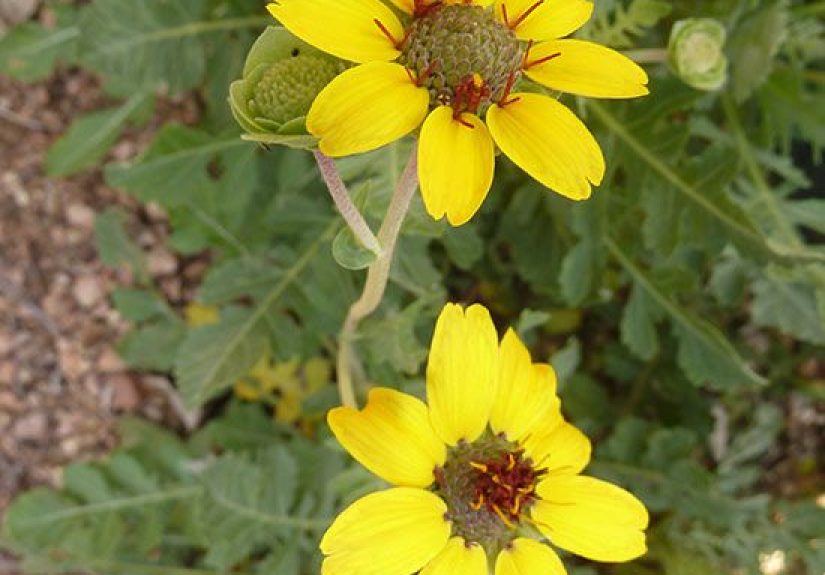
Native to the southwestern United States and parts of Mexico, the chocolate flower is a hardy perennial known for its daisy-like appearance and its remarkable chocolate fragrance. The plant produces yellow-green petals with a distinctive chocolate-scented aroma, typically blooming in the spring and summer. Aside from its scent, the chocolate flower is also appreciated for its resilience and ease of care, making it an ideal choice for gardeners of all skill levels.
Choosing the Right Location
One of the key factors in successfully growing chocolate flowers is selecting the right location. These flowers thrive in full sun and well-drained soil. When choosing a spot in your garden, ensure that it receives at least 6 to 8 hours of sunlight each day. Chocolate flowers do not tolerate soggy soil, so make sure the area has good drainage.
Soil Conditions
Chocolate flowers prefer slightly alkaline to neutral soil, with a pH level between 6.0 and 7.5. The soil should be sandy or loamy, allowing for proper water drainage. If your soil is clay-heavy or tends to hold water, consider amending it with compost or sand to improve its texture and drainage capabilities.
Planting Chocolate Flowers
Planting chocolate flowers is straightforward and can be done either from seeds or transplants. Here’s a step-by-step guide to get you started:
From Seed
- Start Indoors: For a head start, you can sow the seeds indoors 6-8 weeks before the last frost date. Use seed trays or small pots filled with a well-draining seed-starting mix.
- Planting Depth: Plant the seeds about ¼ inch deep. Gently cover them with soil and water lightly.
- Temperature: Maintain a temperature of 65-70°F (18-21°C) to encourage germination, which typically takes 7-14 days.
- Hardening Off: Before transplanting your seedlings outdoors, harden them off by gradually exposing them to outdoor conditions for a few hours each day over the course of a week.
From Transplants
- Prepare the Soil: Dig a hole about twice the size of the root ball. Add compost or organic matter to the hole to enrich the soil.
- Spacing: Space each chocolate flower plant 12-18 inches apart to allow for adequate air circulation and growth.
- Planting: Place the transplant into the hole and backfill with soil, ensuring the crown of the plant is level with the ground.
Watering and Care
Chocolate flowers are relatively low-maintenance once established, but they do require some care, particularly during dry spells. Here are a few essential tips:
Watering
Water your chocolate flowers regularly, especially during dry periods. However, avoid overwatering, as this can lead to root rot. The soil should be allowed to dry out between watering. A deep watering session is more beneficial than frequent shallow watering.
Fertilizing
Chocolate flowers do not need heavy fertilization. A light application of a balanced fertilizer in early spring can help promote growth, but avoid overfeeding, as this can cause the plants to become leggy and reduce flower production.
Pruning
To maintain the shape of the plant and encourage new growth, deadhead spent blooms regularly. This will not only keep your chocolate flower looking neat but also stimulate the production of more flowers. In late fall, after the growing season has ended, trim back the plant to ground level to prepare it for the next year.
Common Problems and Solutions
Like all plants, chocolate flowers can encounter a few issues. Here are some common problems and how to address them:
Pests
Chocolate flowers are relatively pest-resistant, but they may occasionally attract aphids, spider mites, or caterpillars. Use insecticidal soap or neem oil to manage infestations, or simply hose the pests off the plants with a strong spray of water.
Diseases
Chocolate flowers are not particularly prone to diseases, but they can sometimes develop fungal infections if the soil remains too moist. To prevent this, ensure proper drainage and avoid watering overhead, as this can keep the foliage wet for extended periods. If fungal diseases do occur, remove infected leaves and treat with a fungicide as necessary.
Chocolate Flower Varieties
There are a few varieties of Berlandiera lyrata, each with its own unique characteristics. Some varieties feature flowers that are more intensely fragrant, while others may produce blooms with a slightly different coloration. Experimenting with different varieties can help you find the one that best suits your garden’s needs and aesthetic preferences.
Experiences and Tips from Gardeners
Many gardeners share their experiences growing chocolate flowers and offer tips for success. Some recommend planting chocolate flowers near seating areas or patios to fully enjoy their sweet scent. Others suggest combining chocolate flowers with other fragrant plants like lavender or rosemary for a sensory garden experience. Regardless of how you choose to use them, chocolate flowers add an unforgettable touch to any outdoor space.
Best Practices for Growing Chocolate Flowers
- Location is Key: Choose a sunny spot with well-drained soil to ensure the best growth and fragrance.
- Companion Plants: Plant chocolate flowers alongside other aromatic flowers like marigolds or zinnias to create a visually appealing and fragrant garden.
- Regular Maintenance: Deadheading spent flowers is essential to keeping the plant healthy and productive. Regular pruning also helps to control its growth and encourages the production of more flowers.
- Patience Pays Off: While chocolate flowers are relatively easy to grow, they may take a year or two to become fully established. Be patient, and soon you’ll have a beautiful, fragrant bloom that will make your garden the envy of the neighborhood.
Conclusion
Growing chocolate flowers is a rewarding experience that combines beauty with a delightful fragrance. By providing the right conditions, planting them correctly, and taking care of them, you can enjoy their chocolate-scented blooms year after year. Whether you’re an experienced gardener or just starting out, the chocolate flower is a perfect addition to any garden, offering both charm and ease of care.