Table of Contents >> Show >> Hide
- Getting to Know Culver’s Root
- Choosing the Right Site for Culver’s Root
- How to Plant Culver’s Root
- Watering, Feeding, and Mulching
- Seasonal Maintenance and Care
- Pests, Diseases, and Common Problems
- How to Propagate Culver’s Root
- Designing with Culver’s Root in Eco-Friendly Gardens
- Hands-On Experiences Growing Culver’s Root
- Conclusion
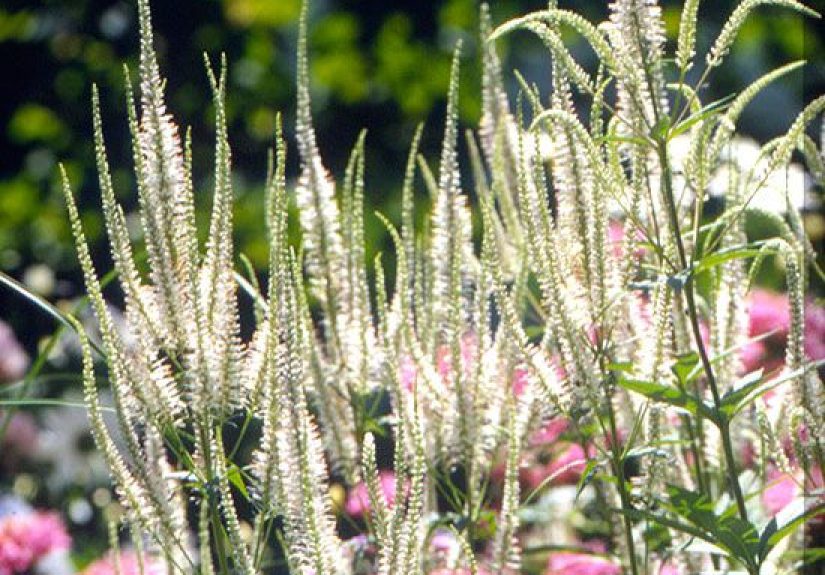
If you’ve ever wished your flower border came with its own built-in exclamation points, Culver’s root is your plant. This tall, elegant North American native sends up candelabra-like spires of white or pale lavender flowers that bees, butterflies, and gardeners all obsess over. Easygoing but dramatic, it’s just as at home in a wild prairie planting as it is in a polished perennial border.
In this guide, we’ll walk through everything you need to know to plant and grow Culver’s root (Veronicastrum virginicum): where it thrives, how to get it established, how to keep those flower spikes coming, and what seasoned gardeners have learned from growing it year after year.
Getting to Know Culver’s Root
Culver’s root is a clump-forming perennial wildflower native to much of eastern and central North America. In nature, it’s often found in moist meadows, open woods, and prairies, where it grows in large stands that light up midsummer with tall white flower spikes.
Basic botanical profile
- Botanical name: Veronicastrum virginicum
- Common names: Culver’s root, Bowman’s root
- Height: Generally 3–6 feet, occasionally up to about 7 feet in rich soil and full sun
- Spread: About 18–24 inches per clump
- USDA hardiness zones: Roughly zones 3–8
- Bloom time: Mid to late summer (roughly July–September, depending on your region)
- Flower colors: Mostly white; some cultivars offer lavender, pink, or bluish tones
The leaves are one of its signature features: they appear in neat whorls of three to seven along the stems, giving the plant a very architectural, layered look even before it blooms.
Why gardeners love it
Culver’s root checks a lot of boxes for modern gardens:
- Pollinator magnet: The many tiny flowers packed onto each spike are rich in nectar and attract native bees, butterflies, and other beneficial insects.
- Vertical drama: Those tall, wand-like flower spikes break up a border full of rounded or daisy-like blooms.
- Low pest pressure: It has no serious insect or disease problems in most gardens.
- Wild or formal: It looks equally good in rain gardens, “pocket prairies,” and more formal mixed borders.
Choosing the Right Site for Culver’s Root
Light requirements
To get the best show from Culver’s root, give it full sunat least six hours of direct light a day. It will tolerate light or partial shade, but the stems may lean and flower spikes may be fewer or shorter in lower light.
If you live in a hot summer climate, a bit of afternoon shade can be helpful, especially if your soil dries quickly. In cooler northern regions, all-day sun is ideal.
Soil and moisture preferences
In the wild, Culver’s root often grows in moist meadows and along stream banks, so it naturally prefers:
- Soil moisture: Medium to moist, even wet-mesic; it dislikes very dry soil.
- Drainage: Moist but not soggy. A rain garden or low spot that drains after a storm is perfect.
- Soil type: Fertile, humus-rich loam is ideal, but it will adapt to average garden soil if you keep the moisture up.
If your soil is very sandy or fast-draining, plan to add organic matter and mulch to help it stay evenly moist. In heavy clay, improve drainage with compost and avoid spots that stay waterlogged for long periods.
Garden uses and companions
Culver’s root plays well with tall grasses and other prairie plants. Try pairing it with switchgrass, coneflowers, bee balm, rattlesnake master, or asters for a layered, natural look.
Because it’s upright and relatively narrow, it’s a great choice for the middle or back of a border where you want height without a big footprint. It also shines in pollinator gardens, native plant gardens, and around the edges of ponds or rain gardens.
How to Plant Culver’s Root
When to plant
You can plant nursery-grown Culver’s root in either spring or early fall. Spring planting gives the roots a full growing season to establish before winter. In regions with very cold winters or hot, dry summers, spring is usually your safest bet.
If you’re planting bareroot divisions or mail-order plants, follow the supplier’s recommended windowtypically after the ground thaws in spring and before summer heat truly arrives.
Step-by-step planting
- Prep the area. Remove weeds and loosen the soil 10–12 inches deep. Mix in compost or well-rotted leaf mold to improve structure and fertility.
- Dig the hole. Make it twice as wide as the root ball and about the same depth.
- Set the plant. Place Culver’s root so the top of its root ball is level with the surrounding soil. Planting too deep can stress the crown.
- Backfill and firm. Fill in around the roots with amended soil, gently firming to remove air pockets.
- Water deeply. Give the plant a thorough soaking to settle the soil around the roots.
- Add mulch. Spread 2–3 inches of shredded bark or leaf mulch, keeping it a couple of inches away from the stems to avoid rot.
Space plants roughly 18–30 inches apart, depending on the variety and how quickly you want them to knit together into a mass. Taller cultivars and very fertile, moist sites may need the wider spacing.
Watering, Feeding, and Mulching
Watering during establishment
During the first growing season, consistent moisture is key. Aim to water deeply about once a week if nature doesn’t provide at least an inch of rain. Plants grown in full sun and lighter soils may need more frequent watering.
Culver’s root is not a desert plant; prolonged drought will cause stunted growth, wilting, and fewer flower spikes. In dry periods, supplemental watering helps maintain its stately form.
Long-term water and fertilizer needs
Once established, Culver’s root can handle short dry spells but still prefers soil that never completely dries out. Rain gardens, swales, and low spots that stay evenly moist are perfect locations.
Fertilizer needs are modest. In most home gardens, an annual spring top-dressing of compost around the clump is plenty. In poor soil, a light application of a balanced, slow-release fertilizer in spring can help, but avoid overfeeding, which can make the stems lush and floppy.
Mulching tips
A 2–3 inch layer of organic mulch helps retain moisture, suppress weeds, and moderate soil temperature. Replenish it every year or two as it breaks down. Just be sure not to pile mulch directly against the stems.
Seasonal Maintenance and Care
Staking (or not)
In average conditions, Culver’s root stands tall on its own. However, in very rich soil, partial shade, or exposed windy sites, the stems may lean. If that happens, you can:
- Stake individual clumps with discreet bamboo stakes and soft ties.
- Use a ring or peony-style support early in the season before the stems get tall.
- Let neighboring grasses and sturdy perennials act as “living supports.”
Deadheading and cutting back
As flower spikes fade, you can shear them back to the top whorl of leaves. Some gardeners report a light rebloom later in the season when they do this, especially in long growing seasons.
For winter, you have two options:
- Leave stems standing: The dry spikes and seed heads add structure and provide shelter for overwintering insects.
- Cut back in late winter: Before new growth emerges in early spring, cut stems to a few inches above the ground.
Dividing mature clumps
Culver’s root is relatively slow to establish, but after several years, clumps may become crowded or start to die out in the center. To rejuvenate plants and get new divisions, dig and divide in early spring or early fall:
- Carefully dig up the clump with a spade or garden fork.
- Use a sharp knife or spade to split it into two to four sections, each with several growing points and a good root mass.
- Replant divisions at the same depth in prepared soil and water well.
Pests, Diseases, and Common Problems
One of Culver’s root’s best qualities is how little trouble it usually gives you. Extension sources note that it has no serious insect or disease problems.
That said, a few issues can pop up:
- Drought stress: The number-one enemy. Too-dry soil leads to drooping stems, crispy leaves, and reduced flowering.
- Powdery mildew or leaf spots: Occasionally appear in humid climates, especially if plants are crowded or in deep shade. Good spacing and air circulation usually prevent this.
- Flopping: Very rich soil or shade can lead to top-heavy plants. Stake or move to a brighter, less pampered location.
- Deer and rabbits: Reports vary, but many native plant references list Culver’s root as having at least some deer resistance compared with tastier perennials.
How to Propagate Culver’s Root
Division
Division is the quickest way to get more plants that are identical to the parent (especially useful for named cultivars like ‘Fascination’). Divide every four to five years if you want more clumps or notice reduced vigor.
Growing from seed
Culver’s root also grows readily from seed. Many native plant enthusiasts collect seed in late summer or early fall and sow it outdoors, allowing winter cold to naturally stratify it.
For more controlled results, you can start seed in containers:
- Collect or purchase fresh seed. Sow as soon as possible for best germination.
- Provide cold stratification. Either sow outdoors in fall or chill moist seed in the fridge for several weeks, following packet instructions.
- Surface sow. Seeds need light to germinate, so press them into the soil surface but don’t bury them deeply.
- Keep evenly moist. Place trays where they receive bright, indirect light and consistent moisture (not soggy).
- Transplant carefully. When seedlings have a few true leaves and roots fill the plug, move them to pots or a nursery bed. Let them grow on for a season before moving to their final spot.
Designing with Culver’s Root in Eco-Friendly Gardens
Because Culver’s root is both native and beloved by pollinators, it’s a star in environmentally conscious landscapes. Agencies like the USDA Natural Resources Conservation Service highlight its value in conservation plantings, wet meadows, and prairie restorations.
Use it to:
- Create a tall backdrop in a pollinator border.
- Anchor the center of a rain garden where soil stays moist but not flooded.
- Add vertical accents to a native meadow or pocket prairie planted with grasses and wildflowers.
- Supply nectar to bees and butterflies from midsummer through early fall, when some spring bloomers have already checked out.
Mixing Culver’s root with other native perennialssuch as bee balm, coneflowers, mountain mint, and astersdelivers a long season of bloom and a buffet for beneficial insects.
Hands-On Experiences Growing Culver’s Root
Advice from reference guides is great, but gardeners know that real life in the yard can ignore the rulebook. Here are some experience-based lessons that tend to show up once you’ve lived with Culver’s root for a few seasons.
Lesson 1: Moisture really matters
If you plant Culver’s root in dry, sunny soil and then forget about it, it will absolutely remind you of your life choices. In gardens with sandy or gravelly soil, the plants often stay shorter, flower less, and may even disappear after a couple of tough summers. Move those plants closer to a downspout splash zone, low spot, or heavily mulched bed and you’ll see an immediate difference in height and bloom strength the following year.
Gardeners who grow it near the edge of a pond, in a rain garden, or alongside a frequently watered vegetable patch usually report the opposite problem: “Wow, I didn’t realize this could get that tall.” In these wetter sites, Culver’s root can push toward its upper size range and turn into a real statement piece.
Lesson 2: It’s slow to start but worth the wait
Many people are surprised that Culver’s root doesn’t leap out of the ground in year one. It often spends its first couple of seasons quietly building a strong root system before deciding to go skyward. During that time, it may only reach two or three feet tall and produce a modest number of spikes.
By year three or four, though, something clicks. The clump suddenly bulks up, sends up a forest of stems, and produces a full crown of flower spikes. It’s a classic “sleep, creep, leap” perennial. Gardeners who stick with it through the “sleep and creep” years are usually the ones recommending it to everyone else.
Lesson 3: Plant enough for a real show
One lonely Culver’s root plunked in the middle of a bed can look a bit awkward, like a tall candle on an otherwise empty cake. Three to five plants, however, create a strong vertical rhythm. When the spikes all bloom together, they read as one big vertical mass that holds the whole border together.
Many experienced gardeners plant Culver’s root in generous drifts behind shorter perennials. Think of clumps of three, repeated in a loose arc along the back of a bed, rather than a single plant here or there. Over time, as the clumps expand and you divide them, you can repeat them elsewhere in the garden to tie everything together.
Lesson 4: Leave some stems for winter
It’s tempting to cut everything down the second the flowers fade, but if you leave Culver’s root standing through winter, you get bonus structure and wildlife value. The spent spikes catch snow beautifully, and the hollow stems can offer nesting sites for native bees. Many gardeners now follow the “messy on purpose” approach, waiting until late winter or very early spring to do a cleanup cut.
Lesson 5: It plays nicely with others
Culver’s root is enthusiastic but not aggressive. It doesn’t run or spread by rhizomes; instead, it slowly enlarges its clump. That makes it a friendly neighbor in mixed bordersassertive enough to hold its own among tall grasses and vigorous perennials, but not a bully that will take over the bed.
If anything, gardeners sometimes wish it spread a little faster. Fortunately, a mature clump provides easy divisions, and seedlings can pop up in hospitable conditions. If you spot volunteers, you can let them grow to expand your stand, or move them to a new bed where you want that same airy vertical texture.
Bottom line: once Culver’s root settles in, it’s one of those plants that quietly makes you look like you know exactly what you’re doing in the gardentall, graceful, pollinator-friendly, and surprisingly low maintenance for such a dramatic presence.
Conclusion
Plant Culver’s root in a sunny to lightly shaded spot with consistently moist, reasonably fertile soil, and it will reward you with towering summer flower spikes, architectural foliage, and a constant buzz of pollinators. Give it time to establish, water it well during dry spells, and occasionally divide mature clumps, and you’ll have a long-lived perennial that makes your garden feel a little wilderin the best possible way.