Table of Contents >> Show >> Hide
- Meet “Flowering Almond” (So You Buy the Right Plant)
- Where Flowering Almond Thrives Best
- How to Plant Flowering Almond (Step-by-Step)
- Watering and Feeding (Without Overdoing It)
- Pruning: The Secret to More Blooms (And a Less Chaotic Shape)
- Common Problems (And What to Do Before You Panic)
- Design Ideas: How to Make Flowering Almond Look Good After the Bloom Party
- Optional: Growing Flowering Almond in a Container
- Quick FAQ
- Real-World Experiences You Can Expect (And How to Handle Them)
- Conclusion
If you’ve ever wanted a shrub that screams “spring is here!” before your lawn even decides to wake up,
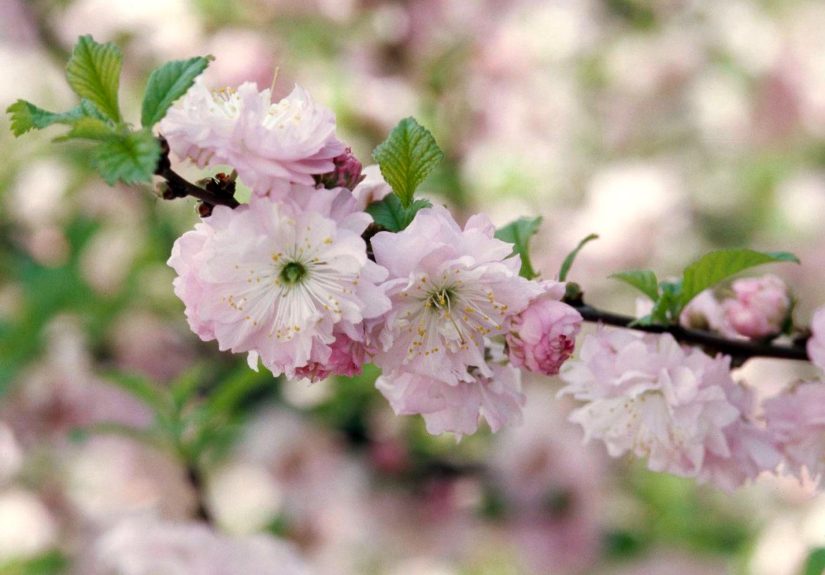
flowering almond is your kind of dramatic. In early spring it pops off with fluffy, double pink (sometimes white)
blooms that look like tiny pom-poms glued to bare stems. Thenlike a party guest who leaves right after the cakeit
quietly shifts into “nice green shrub” mode for the rest of the season.
This guide covers how to plant and grow flowering almond the smart way: choosing the right type, giving it the right
light and soil, watering without drowning it, and (most importantly) pruning at the correct time so you don’t accidentally
prune off next year’s flowers. We’ll also troubleshoot common problems and share real-world expectations so you know
what you’re signing up for.
Meet “Flowering Almond” (So You Buy the Right Plant)
In U.S. gardens, “flowering almond” can refer to two closely related ornamental plants in the Prunus group (the same big
family as cherries and plums). Neither is grown for edible nutsthis is a bloom-only relationship.
1) Dwarf Flowering Almond (Prunus glandulosa)
- Form: Multi-stemmed deciduous shrub (typically about 4–5 feet tall and wide).
- Flowers: Usually double pink; some varieties bloom white.
- Best use: Borders, foundation beds, spring “wow” moments, and small yards.
- Quirk: Can produce root suckersgreat if you want a colony, annoying if you don’t.
2) Flowering Almond / Double Flowering Almond (Prunus triloba, often var. multiplex)
- Form: Larger shrub or small tree (often 10–12 feet with a similar spread in many landscapes).
- Flowers: Big double pink blooms in mid-spring, very showy.
- Best use: Specimen planting where it can “star” for a few weeks each spring.
- Quirk: Often described as short-lived in many regions due to pest/disease pressure and stress.
Shopping tip: If the plant tag says ‘Rosea Plena’ or ‘Alba Plena’, you’re usually looking at a double-flowering form.
Double bloom types often produce little to no fruit, which is a bonus if you don’t want litter.
Where Flowering Almond Thrives Best
Flowering almond is not a complicated plant, but it is very picky about one thing: drainage.
Think “moist but not soggy,” like a wrung-out sponge, not a bathtub.
Sunlight
- Ideal: Full sun (6+ hours) for the fullest bloom and tighter shape.
- Works: Part sun/part shadestill blooms, but may get leggier with fewer flowers.
Soil
- Best: Well-drained soil with average fertility and some organic matter.
- Avoid: Sites that stay wet after rain. “Wet feet” is how Prunus plants start drama (and decline).
- Texture: Many soils worksandy, loamy, even clayif drainage is improved.
USDA Hardiness (Quick Reality Check)
Many common dwarf flowering almond selections are grown in a wide range of temperate climates, and flowering almond
types are often planted across much of the U.S. where winters are cold enough for dormancy but not extreme for the plant.
Your local nursery’s tags and your region’s extension guidance are the best final word.
Wind, Frost, and Microclimates
Flowering almond blooms early. That’s part of its charmand its risk. In areas with late freezes, flowers can get nipped.
Planting near a windbreak (but not in deep shade) or on the east side of a building can reduce harsh winter wind and
slow premature warming that triggers too-early budding.
How to Plant Flowering Almond (Step-by-Step)
Best planting time
- Cooler regions: Spring planting is safest so roots establish before winter.
- Milder regions: Early fall can be excellentwarm soil, cooler air, and less stress.
Planting checklist
-
Pick the spot. Choose full sun to part sun with good drainage. If water puddles for hours after rain,
pick another spot or build a raised bed/mounded planting area. -
Dig wide, not deep. Make the hole about 2–3 times the width of the container/root ball, but only as deep as the root ball.
You want the plant to sit at the same depth it was growing in the pot. - Loosen the roots. If roots are circling, gently tease them outward. (Yes, it feels like you’re breaking up a fight. You are.)
- Set, backfill, and water. Backfill with the native soil you dug out. Water deeply to settle soil and remove air pockets.
- Mulch like a pro. Add 2–3 inches of mulch in a donut shape, not a volcano. Keep mulch a few inches away from stems.
- Stake only if needed. Most shrubs don’t need staking unless your site is very windy or the plant is top-heavy.
Spacing
Give dwarf flowering almond enough room to breathetypically about 3–5 feet from neighboring shrubs depending on the variety.
For larger flowering almond forms, plan for a wider footprint so air moves through branches (which helps reduce disease issues).
Watering and Feeding (Without Overdoing It)
Watering schedule
- Weeks 1–6 after planting: Deep water 1–2 times per week depending on heat and soil drainage.
- First growing season: Aim for consistent moisture (not saturation). Increase during droughts.
- Established plants: Water during dry spells, especially during bud formation and flowering, but avoid constantly wet soil.
Fertilizer
If your shrub is growing steadily and leaf color looks healthy, you may not need fertilizer at all.
If growth is weak or leaves look pale, apply a balanced slow-release fertilizer in early spring.
Don’t fertilize late in the season; tender new growth heading into frost is a recipe for winter damage.
Compost = gentle superpower
A 1–2 inch layer of compost under the mulch each spring can improve soil structure and moisture balance without pushing
the plant into “too much leafy growth, not enough flowers” mode.
Pruning: The Secret to More Blooms (And a Less Chaotic Shape)
Here’s the big rule: flowering almond blooms on older wood formed the previous season.
That means timing matters. Prune at the wrong time and you’ll remove next year’s flower buds. Oops.
When to prune
- Best: Right after flowering in spring, once blooms fade.
- Anytime: Dead, broken, or clearly diseased wood can be removed whenever you spot it.
- Avoid: Heavy pruning in fall or late winter if you want maximum blooms next spring.
How to prune dwarf flowering almond (the easy method)
- Remove the oldest stems at the base (start with up to 1/3 of the thickest canes).
- Thin crowded growth so air can move through the plant.
- Lightly shape remaining stems to keep it tidy, but don’t shear it like a boxwood.
How to prune larger flowering almond (Prunus triloba)
The same “after bloom” timing applies. Focus on removing weak, crossing, and crowded branches, and consider gentle
renewal pruning over time to keep the plant vigorous. If you inherited a leggy specimen, rejuvenation pruning
(removing older stems to encourage new shoots) can helpjust expect a season or two of “rebuilding.”
What about suckers?
Many flowering almond shrubs send up shoots from the base or roots. If you want one neat shrub, remove suckers at the origin.
If you want a naturalized thicket, let a few grow and thin as needed.
Common Problems (And What to Do Before You Panic)
1) Lots of leaves, few flowers
- Likely causes: Too much shade, pruning at the wrong time, or heavy nitrogen fertilizer.
- Fix: Move to more sun (or thin overhead shade), prune right after bloom, and go easy on fertilizer.
2) Leggy stems and “bald ankles”
- Likely causes: Age, partial shade, lack of renewal pruning.
- Fix: After bloom, remove some older canes at the base each year. Add a lower companion plant in front (more on that soon).
3) Black, swollen growths on branches (black knot)
Black knot is a fungal disease that can affect Prunus plants. If you see black, lumpy swellings on twigs and branches,
prune them out promptly. Make cuts well below the affected area, and dispose of infected material (don’t compost it).
4) White coating on leaves (powdery mildew) or spotting
- Likely causes: Humid conditions, poor airflow, overhead watering late in the day.
- Fix: Thin crowded branches, water at the base, clean up fallen leaves, and avoid stressing the plant with drought + soggy soil swings.
5) Insects (aphids, scale, mites, borers)
Flowering almond can attract common landscape pests. The best prevention is basic plant health:
sun, drainage, mulch, and reasonable watering. If you notice sticky honeydew, distorted new growth, or declining vigor,
inspect stems and leaves closely. Many minor infestations can be managed with a strong water spray, horticultural oil,
or targeted treatments appropriate for your region and season.
Design Ideas: How to Make Flowering Almond Look Good After the Bloom Party
Let’s be honest: flowering almond is a spring superstar and a summer supporting actor. The easiest way to love it all season
is to plan for the “after” phase.
Great companion plants
- Front-of-shrub “cover the ankles” plants: catmint, salvia, daylilies, hardy geranium, dwarf grasses.
- Spring partners: daffodils, tulips, early iris (they bloom around the same time).
- Foliage contrast: dark-leaf heuchera or evergreen groundcovers to frame the spring blossoms.
Placement tricks
- Use it where you’ll actually see it in early springnear a walkway, patio, or the view from a kitchen window.
- Plant it against a simple background (fence, hedge, or evergreen shrubs) so the blooms pop.
- Give it airflow. Crowding increases disease risk and makes pruning harder.
Optional: Growing Flowering Almond in a Container
Yes, it can be done, especially with dwarf types, but containers amplify every mistake: drought happens faster,
and soggy soil happens faster too. Use a large pot with drainage holes, a high-quality potting mix,
and water consistently. In cold climates, protect the container roots in winter (moving it to a sheltered spot
or insulating the pot) because roots are less hardy above ground than in soil.
Quick FAQ
Does flowering almond produce edible almonds?
Noornamental flowering almonds are grown for flowers, not nuts. Edible almond trees are different plants entirely.
Why didn’t mine bloom this year?
The most common reasons are: too much shade, winter damage to buds, or pruning after the plant set next year’s buds.
Try more sun and prune right after blooming.
Can I cut branches to bring inside?
Yesbranches can be cut in early spring and forced into bloom indoors. Cut stems, place in water, and give them bright light.
It’s basically “spring on the countertop,” and it’s delightful.
Real-World Experiences You Can Expect (And How to Handle Them)
Because flowering almond is such a “blink-and-you’ll-miss-it” spring showstopper, most gardeners have the same first reaction:
“Where has this been all my life?” followed by the second reaction a few weeks later:
“Okay, now what?” That’s normal. The key is understanding the plant’s rhythm and setting it up so the “after bloom”
phase still feels intentional rather than like your yard is wearing yesterday’s party hat.
Experience #1: The spring explosion (and the neighbors noticing).
In many yards, flowering almond opens right when the garden still looks half-awakeperennials are nubs, trees are barely budding,
and suddenly you’ve got a cloud of pink. It’s common for people to stop and ask what it is, especially if it’s near the street.
If you want that effect, place it where sightlines matter: near a front walkway, beside a porch, or framed by evergreens.
The contrast between bright blooms and dark foliage makes the flowers look even fuller.
Experience #2: “It got leggy, fastdid I do something wrong?”
Not necessarily. Flowering almond can naturally become a bit sprawly or “open” over time, especially in partial shade.
The most effective fix is simple renewal pruning right after it blooms: remove some of the oldest stems at the base.
Gardeners who do this annually usually report a stronger bloom show the following spring and a shrub that looks less like it’s
trying to audition for a spooky forest scene.
Experience #3: Root suckers appear like surprise guests.
Many people first notice suckers when small shoots pop up a foot or two away from the main plant.
If you like a naturalized look, you can let a few grow and thin later.
If you want a tidy shrub, remove suckers early by cutting them at the point they emerge (not halfway up, or they’ll come right back).
Over a season, staying on top of suckers becomes a quick “walk-by and snip” habitfive minutes that saves you from a future jungle.
Experience #4: The bloom fades, and the shrub looks… fine.
This is the moment to lean on design. Many gardeners pair flowering almond with plants that take over visually after spring:
catmint, salvia, hardy geranium, daylilies, or ornamental grasses. A classic trick is planting something knee-high in front
to disguise the bare lower stems that many Prunus shrubs develop with age. When done well, it looks like a layered,
intentional borderspring blooms up top, summer color below.
Experience #5: Weather roulette.
In regions with late frosts, gardeners sometimes see flowers browned or reduced after a cold snap.
If that’s a recurring issue, a slightly more sheltered microclimate helpsnear a fence, out of harsh wind, or where morning sun
doesn’t warm buds too quickly after winter thaws. You can’t control the weather (sadly), but you can reduce the odds of damage.
Experience #6: Disease pressure varies wildly by region.
Some gardeners grow flowering almond for years with minimal issues; others battle leaf spots, powdery mildew, or black knot,
particularly in humid areas or where airflow is poor. The “real-life” lesson most people learn is that prevention beats rescue:
don’t crowd the shrub, prune for airflow right after bloom, avoid overhead watering late in the day, and clean up fallen leaves.
When issues do appear, early pruning of affected branches and good disposal practices often make a noticeable difference.
Experience #7: The indoor branch trick becomes a yearly ritual.
Once gardeners discover they can cut a few branches in early spring and force blooms inside, it’s hard to stop.
It’s the kind of small seasonal tradition that makes winter feel shorterlike sneaking a preview of spring before it hits the yard.
If you try it, cut stems with sharp pruners, recut the ends, place them in clean water, and change the water regularly.
The big takeaway from these experiences is that flowering almond rewards gardeners who treat it like a seasonal feature:
plan for its spring spotlight, then design the surrounding bed so summer and fall still look polished. If you do that,
you’ll get the best of both worldsspectacular spring blooms and a landscape that still looks “put together” after the confetti settles.
Conclusion
Flowering almond is one of those plants that earns its keep in a single seasonthen quietly behaves the rest of the year.
Give it sun, drainage, and a reasonable watering routine in its first year, and it will reward you with a spring flower display
that looks far fancier than the effort you put in. The real magic, though, is pruning: trim right after blooming,
renew older stems, and you’ll keep the plant vigorous and flower-heavy year after year.
If you want a shrub that makes early spring feel like a grand opening event (with absolutely no tickets required),
flowering almond is ready for the job. Just promise you won’t prune it in fall and then blame it for not blooming.
Deal?