Table of Contents >> Show >> Hide
- Meet the Fishtail Palm (And Pick the Right One)
- Where Fishtail Palm Can Grow Outdoors in the U.S.
- How to Plant Fishtail Palm in the Ground
- How to Grow Fishtail Palm Indoors (Container Care That Actually Works)
- Feeding Fishtail Palm Without Overdoing It
- Pruning and Cleaning: What to Cut (and What Not to Cut)
- Repotting: When Your Palm Outgrows Its Home
- Propagation: Can You Make More Fishtail Palms?
- Common Problems (and How to Fix Them)
- Pests and Diseases to Watch For
- Important Safety Note: Fishtail Palm Can Be Irritating or Toxic
- Seasonal Care: Taking Your Palm Outside (and Bringing It Back In)
- Design Tips: Making Fishtail Palm Look Like It Belongs
- Conclusion: The “Do This and You’ll Be Fine” Summary
- Grower Experiences: Real-World Notes on Living With a Fishtail Palm
If you’ve ever looked at a palm and thought, “Nice, but could it be more… aquatic?”congrats, your plant taste is perfectly weird.
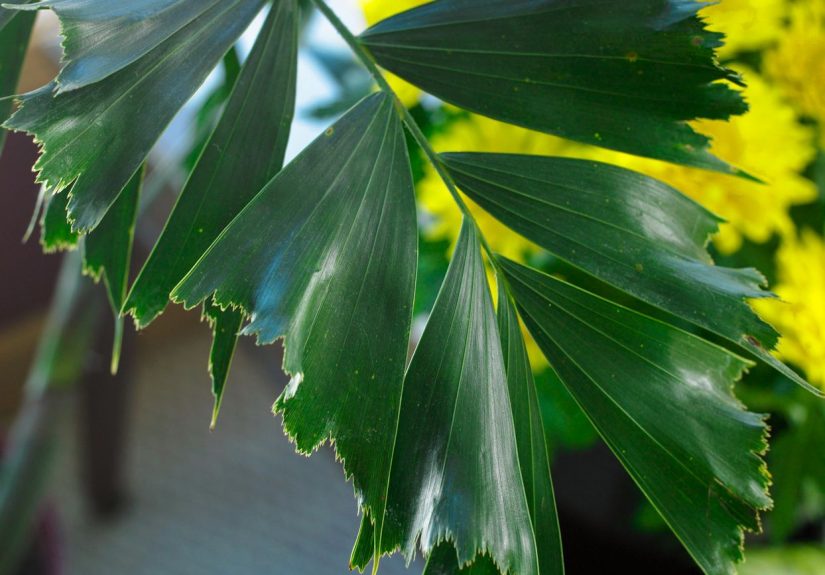
The fishtail palm earns its name with jagged, triangular leaflets that look like a school of fish decided to cosplay as a tropical canopy.
It’s dramatic, architectural, and surprisingly doable as a houseplant if you learn its favorite combo: bright light, steady moisture, and good drainage.
This guide covers how to plant fishtail palm outdoors in warm climates, how to pot it up indoors, and how to keep it looking lush instead of “sad broom.”
Along the way, we’ll talk watering, light, fertilizer, pruning, pests, and the tiny details that separate a thriving Caryota from a crispy disappointment.
Meet the Fishtail Palm (And Pick the Right One)
“Fishtail palm” usually refers to species in the genus Caryota. The most common for homes and landscaping is
Caryota mitis (clustering fishtail palm), which forms multiple stems and can be grown in containers indoors.
Another you’ll see in warm landscapes is Caryota urens (solitary fishtail palm), which grows as a single trunk and can get much larger.
Why the species matters
- Caryota mitis: Clumping habit, more commonly sold as an indoor/outdoor ornamental, easier to manage in a pot.
- Caryota urens: Bigger, more “tree-like,” better suited to tropical outdoor settings with lots of room.
Where Fishtail Palm Can Grow Outdoors in the U.S.
Fishtail palms are tropical to subtropical plants. Outdoors, they’re generally best in frost-free or nearly frost-free areas.
In the United States, that usually means places like South Florida, Hawaii, and the warmest coastal or protected microclimates in the South and Southwest.
Elsewhere, fishtail palm is happiest as a container plant that spends warm months outside and cool months indoors.
Light outdoors: sun, shade, and “bright shade”
Outdoors, fishtail palm can handle part shade well, and many growers use it where other palms would sulk.
In very hot sun, especially in drier regions, a little afternoon shade can help prevent leaf scorch.
How to Plant Fishtail Palm in the Ground
Planting a palm is less about “amending the universe” and more about respecting its roots. The main goals:
keep it at the right depth, avoid soggy soil, and water consistently while it establishes.
Step-by-step planting
- Choose the spot. Aim for bright shade or morning sun with afternoon shade in hotter areas. Leave room for the plant to widen if it’s a clustering type.
- Check drainage. If water sits in a hole for hours after irrigation or rain, fix drainage first (raised mound/bed, better site, or container growing).
- Dig a wide hole. Make it 2–3 times the width of the root ball, but only as deep as the root ball height.
- Set the palm at the original depth. Don’t bury the trunk or crown. Planting too deep is a classic palm heartbreak.
- Backfill and firm gently. Use the native soil you removed. Avoid packing hardjust eliminate large air pockets.
- Water thoroughly. Soak the root zone to settle soil, then keep moisture steady during establishment.
- Mulch smart. Use a 2–3 inch mulch layer over the root zone, but keep it a few inches away from the trunk.
First 8–12 weeks: the “don’t make it panic” period
Your new palm isn’t trying to be dramaticit’s just adjusting. Expect slower growth at first.
Consistent watering is more important than heavy feeding. Think: “moist, not swamp,” and you’ll be on the right track.
How to Grow Fishtail Palm Indoors (Container Care That Actually Works)
Indoors, fishtail palm is basically a tropical roommate: it loves bright light, dislikes cold drafts, and will silently judge you if you forget water for two weeks.
The good news? It’s very responsive once you dial in the basics.
Pot and soil: drain like a champ
Choose a pot with drainage holes. If your pot can’t drain, it’s not a potit’s a root rot simulator.
Use a well-draining, airy mix (a quality potting mix boosted with perlite and/or bark works well).
You want moisture retention without mud.
Light: bright indirect is the sweet spot
Place your fishtail palm near a bright window with indirect light. A little gentle morning sun can be fine,
but harsh midday sun through glass can scorch leaves.
If growth seems slow and stems stretch, it’s asking for more lightpolitely, via photosynthetic disappointment.
Watering: consistent moisture, zero puddles
Fishtail palms prefer evenly moist soil. Water thoroughly until excess drains out, then let the top inch or two dry slightly before watering again.
In cooler months or lower light, watering needs usually dropso always let the soil tell you what to do.
Temperature and humidity: keep it comfortably tropical
Indoors, aim for warm temperatures and avoid cold drafts. Many indoor palm issues come from sudden chills near doors, leaky windows, or aggressive AC vents.
Humidity helps keep leaf tips from browning, especially in winter when indoor air dries out.
If your home is desert-dry, a humidifier or grouping plants together can make a noticeable difference.
Feeding Fishtail Palm Without Overdoing It
Fishtail palms appreciate nutrients, but they don’t want a fertilizer binge. Overfeeding can burn roots and turn your gorgeous fronds into a crunchy cautionary tale.
During spring and summer (active growth), a balanced palm fertilizer or a gentle houseplant fertilizer can work well.
In fall and winter, reduce feedingmany indoor palms slow down when daylight drops.
Micronutrients matter (especially for palms)
Palms can show deficiencies (like iron or magnesium) as yellowing, pale new growth, or odd chlorosis patterns.
If your fishtail palm is yellowing despite good watering practices, consider a palm-specific fertilizer with micronutrients,
and review drainage and light before you assume it’s “just hungry.”
Pruning and Cleaning: What to Cut (and What Not to Cut)
Unlike a hedge, a palm doesn’t want random haircuts. Each frond is part of its energy system.
Only remove fronds that are fully brown, broken, or clearly dying.
Pruning rules that prevent regret
- Do not cut green fronds just for shapepalms reuse nutrients from older leaves.
- Use clean tools (wipe blades with alcohol) to reduce disease spread.
- Trim close but carefullyavoid gouging the trunk or cutting into living tissue.
- Wipe dusty leaves with a damp cloth to help photosynthesis (especially indoors).
Repotting: When Your Palm Outgrows Its Home
Many palms prefer being slightly snug in their pots, so don’t rush to “upgrade” just because you’re bored.
Repot when roots circle heavily, poke from drainage holes, or watering becomes weirdly fast because the pot is mostly roots.
Usually, that’s every couple of years for a healthy indoor plant.
How to repot without a meltdown
- Move up one pot size (about 2 inches wider), not a giant leap.
- Use fresh, well-draining mix.
- Keep the same planting depthdon’t bury the crown.
- Water thoroughly, then let it settle in bright indirect light for a couple of weeks.
Propagation: Can You Make More Fishtail Palms?
Sometimes. Clustering fishtail palm (Caryota mitis) can often be propagated by divisionseparating offsets from the clump.
Seed propagation is possible too, but it’s slower and can be inconsistent.
If you’re after “more plants, sooner,” division is usually the practical route.
Division (offsets): the realistic method
When the clump has multiple stems and the plant is healthy, you can separate a section with its own roots during warm, active growth periods.
Work gently: palms dislike rough root handling. After dividing, keep the new plant warm, humid, and evenly moist while it recovers.
Common Problems (and How to Fix Them)
Brown tips
Often caused by low humidity, inconsistent watering, or salt buildup from fertilizer/mineral-heavy water.
Improve humidity, water more consistently, and flush the pot occasionally (water until it runs freely for a bit) to reduce salts.
Yellow leaves
Yellowing can come from overwatering (especially if the soil stays wet), poor drainage, low light, or nutrient deficiencies.
Check the basics first: drainage holes open, soil airy, and light bright. Then consider a palm fertilizer with micronutrients if needed.
Drooping or limp fronds
Underwatering can cause droop (dry soil, light pot, crisp edges), but so can overwatering (wet soil, funky smell, soft stems).
The difference is in the soil and the smell. If it’s swampy, fix drainage and reduce watering. If it’s dry, soak thoroughly and adjust your schedule.
Slow growth
Indoors, slow growth often means insufficient light. Move it closer to a bright window, rotate the pot weekly for balanced growth,
and feed lightly during spring and summer.
Pests and Diseases to Watch For
Indoors, fishtail palms can attract classic houseplant pestsespecially in dry air. Regular checks save you a lot of future drama.
Spider mites
Fine webbing, speckled leaves, and an overall “dusty sadness” can point to spider mites. Increase humidity, rinse foliage,
and treat with insecticidal soap or horticultural oil as needed (following label directions).
Scale and mealybugs
Scale looks like small brown bumps; mealybugs look like tiny cotton clusters. Isolate the plant, wipe pests off,
and repeat treatments weekly until you’re sure they’re gone. Persistence beats panic.
Root rot
The usual culprit is soggy soil and poor drainage. If roots are black, mushy, or smelly, you’ll need to repot into fresh mix,
trim dead roots carefully, and let the plant dry slightly between waterings going forward.
Important Safety Note: Fishtail Palm Can Be Irritating or Toxic
Many fishtail palms contain calcium oxalate crystals that can irritate the mouth if chewed and may cause skin irritation,
especially from fruit pulp. Keep it away from curious kids and pets who treat plants like salad bars.
When pruning or handling fruit/seed, gloves are a smart move.
Seasonal Care: Taking Your Palm Outside (and Bringing It Back In)
If you summer your fishtail palm outdoors, do it gradually. Sudden sun exposure can scorch leaves.
Start in bright shade for a week, then increase light slowly.
When temperatures cool, bring it indoors before cold nights become the norm.
Quick outdoor-to-indoor checklist
- Inspect for pests (especially mites and scale) before bringing it inside.
- Rinse foliage and wipe leaves clean.
- Reduce watering slightly indoors if light levels are lower.
- Skip heavy fertilizing in winter.
Design Tips: Making Fishtail Palm Look Like It Belongs
Indoors, fishtail palm looks best where its fronds have room to arch without getting snapped by hallway traffic.
Think: bright living room corner, sunroom, or a wide entryway.
Outdoors (in suitable climates), it works beautifully as a screen, a tropical accent near patios, or a lush background plant in part shade.
Just remember: clustering types need space to widen, and you’ll occasionally thin old stems as the clump matures.
Conclusion: The “Do This and You’ll Be Fine” Summary
Fishtail palm care isn’t hardit’s just specific. Give it bright indirect light, evenly moist (not soggy) soil, warm temperatures,
and decent humidity. Use a well-draining mix, feed lightly in the growing season, prune only fully brown fronds,
and keep an eye out for spider mites when indoor air gets dry. Do those things, and your fishtail palm will reward you
with bold, tropical fronds that look like nature got a little creative with scissors.
Grower Experiences: Real-World Notes on Living With a Fishtail Palm
Here’s the honest truth you don’t always get from a plant tag: fishtail palms teach you consistency. Not perfectionconsistency.
People who do best with this plant usually fall into a pattern: they check the soil, they water thoroughly, and they don’t let it sit wet for days.
Once you get that rhythm, the plant feels “easy,” because it stops surprising you.
One of the most common experiences is the “new frond anxiety.” A fishtail palm pushes new growth from the center, and it can look
oddly folded, slightly stuck, or even a bit wrinkled at first. Many growers panic and start misting, tugging, rotating, repotting
basically performing a whole plant opera. Usually the best move is simpler: raise humidity a little, keep watering steady,
and wait. New palm growth often takes its time unfolding, and it can look awkward right before it looks amazing.
Another real-life pattern: the palm that looks perfect at the garden center gets “crispy tips” at home. That’s not you failing;
it’s the plant reacting to a new environmentoften drier air, different water mineral content, or less consistent light.
Growers commonly solve this by placing the palm where it gets strong, indirect light for most of the day and using a humidifier
during the first few weeks of adjustment. Even something as basic as keeping it away from heater vents can reduce browning.
If you’re seeing tip burn, many people find that switching to filtered water (or occasionally flushing the soil) helps too.
If you keep your fishtail palm indoors year-round, you’ll probably notice seasonal personality shifts.
In spring and summer, it’s a growth machine: it drinks more, it responds well to light feeding, and it generally looks energetic.
In winter, the same plant may slow down, need less water, and look slightly less “full.” That slowdown is normal.
Many successful growers stop fertilizing in winter and focus on stable moisture and better lightsometimes adding a grow light
for a few hours a day if the home gets dim.
Pest experiences tend to be very specific: spider mites show up when air is dry and the plant is stressed.
A lot of growers only realize they have mites after they notice fine speckling or a dull, dusty look to the leaves.
The best “experience-based” advice is to make inspection a habit: glance at the undersides of fronds when you water,
and rinse the plant in the shower or with a hose occasionally if it’s manageable. People who do that tend to catch issues early,
when treatment is quick and low-stress.
Finally, if you grow a clustering fishtail palm outdoors in a warm region, the long-term experience is that it behaves more like a living sculpture than a tree.
Over time, clumps can widen, stems mature, and older stems may declineespecially after floweringwhile new shoots emerge from the base.
Gardeners who love this plant usually embrace that cycle: they thin older stems, keep the clump tidy, and enjoy the constant renewal.
In other words, fishtail palm rewards patience and maintenance, not micromanagement. Treat it like a tropical plant with a steady routine,
and it’ll keep showing up with those fish-fin leaflets like it’s proud of its weird little gimmick (as it should be).