Table of Contents >> Show >> Hide
- Is Your Heat Pump Actually “Too Loud,” or Just Being a Heat Pump?
- Common Heat Pump Noises and What They Usually Mean
- DIY Ways to Quiet a Heat Pump (Without Turning It Off Forever)
- Step 1: Do a “noise detective” check (5 minutes, zero tools)
- Step 2: Clean and clear the outdoor unit
- Step 3: Tighten the “rattle makers”
- Step 4: Make sure the unit is level and stable
- Step 5: Add vibration isolation (this is the big one)
- Step 6: Stop the lineset from “playing the wall like a guitar string”
- Step 7: Quiet the indoor side (filters, airflow, and ducts)
- Sound Barriers, Covers, and Other “Noise Hacks”Done Right
- Settings and Upgrades That Make a Big Difference
- When to Call a Pro (and Why Your Screwdriver Isn’t a Refrigerant Gauge)
- Conclusion: Quieter Comfort Is Usually a Process, Not a Miracle
- Real-World “Been There, Heard That” Experiences (500-ish Words of What Usually Happens)
A heat pump is basically a hardworking fridge with ambitions. It moves heat instead of making it, which is great for your utility bill
but sometimes it also moves sound, like it’s trying to audition for a percussion section. The good news: most heat pump noise
problems are fixable. The even better news: you don’t need to “fix” it by turning it off and moving to a silent monastery.
In this guide, you’ll learn how to pinpoint what’s making your system loud, which quieting tricks actually work, and when it’s time to call
a pro (because “I watched a video once” is not a refrigerant certification). We’ll cover outdoor unit noise, indoor airflow noise, vibration,
defrost-cycle weirdness, sound barriers, quiet modes, and a few upgrades that can make your heat pump behave like the polite neighbor it promised to be.
Is Your Heat Pump Actually “Too Loud,” or Just Being a Heat Pump?
Before you start building a soundproof bunker around your outdoor unit, it helps to know what “normal” sounds like. Many modern heat pumps are designed
to be surprisingly quietsome manufacturers tout outdoor operation in the 40s to low 50s dB(A) range under certain conditions, which is around
conversational loudness. That said, “quiet” depends on distance, the surface it’s mounted on, the speed it’s running, and whether your patio chair is
placed directly next to the unit like it’s at a concert.
Decibels are sneaky (and not linear)
Sound ratings are typically given in dB(A), which is a weighted scale meant to approximate how humans perceive loudness. The important takeaway:
small-looking changes in dB can feel bigger than you’d expect. Also, measurements taken at home with phone apps can be useful for comparing
“before vs. after,” but they aren’t apples-to-apples with manufacturer ratings because your environment affects readings.
Normal sounds you may hear
- A steady hum outdoors: Often the compressor doing its job.
- Air “whoosh” or fan noise: Especially when the unit ramps up in extreme heat or cold.
- Brief whooshing/rattly moments in winter: Defrost cycles can sound odd for short periods.
- Soft clicks: Relays or the reversing valve switching between heating and cooling.
What’s not normal: persistent grinding, metallic screeching, loud banging, repeated buzzing that won’t quit, or anything that sounds like
a part is trying to escape the cabinet. Those are the “stop and investigate” sounds.
Common Heat Pump Noises and What They Usually Mean
1) Rattling or vibrating
Rattling is often the easiest win: loose panels, loose screws, or debris (twigs, leaves, that one heroic pinecone) contacting the fan guard.
It can also be vibration transferring into the structureespecially if the outdoor unit is wall-mounted or sitting on a pad that has settled.
Typical fixes: tighten fasteners, secure panels, clear debris, and add vibration isolation (we’ll get to that).
2) Buzzing
Buzzing can be a “simple” loose part… or it can be electrical. A failing contactor, capacitor, or an unhappy motor can buzz. If the buzzing is loud,
persistent, or accompanied by performance issues (weak heating/cooling, short cycling, tripped breakers), treat it as a “call a technician” situation.
3) Grinding, squealing, or screeching
These are the sounds that deserve respect. They can point to motor bearing issues, a failing fan motor, or mechanical contact. If you hear grinding
or squealing, shut the system off and schedule service. Continuing to run it can turn a repair into a replacement.
4) Knocking or banging
Knocking can happen if something is loose, a fan blade is wobbling, or ice buildup is interfering with the fan. In heating mode, outdoor coils can ice
up and then defrost; that process should not sound like a hammer competition. If you see heavy ice or hear repeated loud knocks, you want a professional
diagnosisthere may be airflow issues, sensor problems, or other faults.
5) A weird winter “whoosh” (defrost cycle)
Heat pumps occasionally reverse briefly to melt frost on the outdoor coil. That can create a whoosh, change in fan sound, or short-lived noises that
seem suspicious until you realize: it’s doing winter chores. Short and occasional is fine. Long, frequent, or violently noisy is not.
DIY Ways to Quiet a Heat Pump (Without Turning It Off Forever)
If your heat pump is loud, start with the low-risk, high-payoff steps. Many noise issues come down to airflow restrictions, loose parts, or vibration
pathways that act like a megaphone.
Step 1: Do a “noise detective” check (5 minutes, zero tools)
- When is it loudeststartup, high-speed operation, defrost, windy days?
- Where is the sound strongestnext to the unit, indoors near a wall, in a bedroom?
- What kind of soundrattle, hum, buzz, grind, whine?
This matters because the fix for “rattle at startup” is not the fix for “high-pitched whine only at night,” and the fix for “indoor whooshing” might
be your ductwork, not the outdoor unit.
Step 2: Clean and clear the outdoor unit
Leaves, grass clippings, cottonwood fluff, and general yard chaos can disrupt airflow and create fan noise. Turn off power at the disconnect, then:
- Clear vegetation and debris around the unit.
- Check the fan guard for anything touching it.
- Gently rinse coils if they’re dirty (avoid blasting fins with pressure).
Better airflow can reduce strain, reduce noise, and improve efficiency. It’s the rare home improvement that helps your ears and your electric bill.
Step 3: Tighten the “rattle makers”
With power off, inspect the cabinet panels and screws. A slightly loose panel can buzz like it’s trying to communicate in Morse code. Tighten what’s loose.
If a panel is bent or vibrating, a technician may need to re-seat it or replace worn grommets.
Step 4: Make sure the unit is level and stable
A unit that’s slightly unlevel can amplify vibration and cause components to resonate. Check that the outdoor unit sits solidly on its base or pad.
If the pad has settled or cracked, re-leveling or replacing the pad can make a noticeable difference.
Step 5: Add vibration isolation (this is the big one)
Vibration is sound’s best friend. If the outdoor unit is bolted to a rigid surface (especially wall brackets), vibrations can travel into framing and
drywallthen your whole house becomes a speaker. Isolation pads or mounts reduce that transfer.
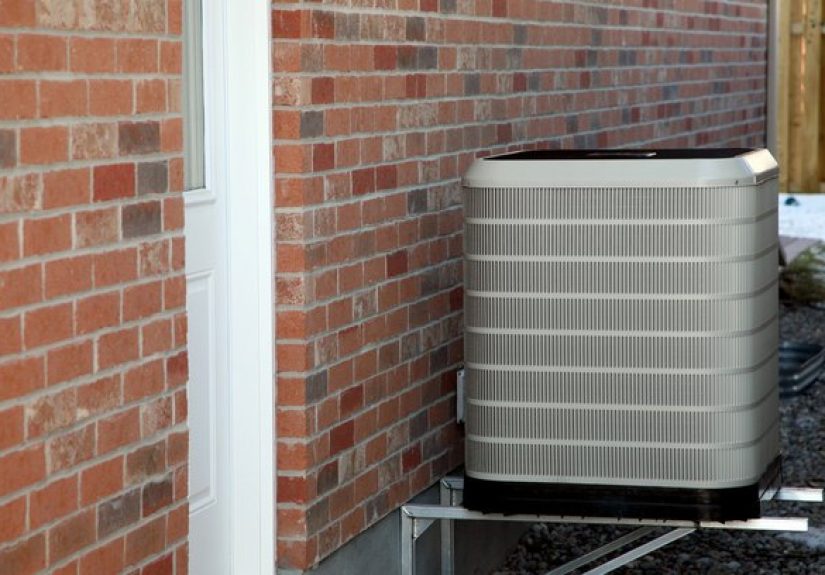
- Ground-mounted units: rubber/neoprene isolation pads under the feet can help.
- Wall-mounted units: use quality vibration isolators between the unit and the bracket system.
- Check fasteners: over-tightening can “short-circuit” isolation by crushing the rubber.
Step 6: Stop the lineset from “playing the wall like a guitar string”
Refrigerant lines (the copper lineset) can transmit vibration. If lines are strapped tightly to framing members without isolation, you can hear a hum
indoors that seems to come from nowhere. A technician can re-secure lines with isolating clamps, add protective sleeves, or adjust routing to reduce
contact points that transmit noise.
Step 7: Quiet the indoor side (filters, airflow, and ducts)
Not all “heat pump noise” comes from outside. Indoors, the usual culprit is airflow noisewhistling, roaring, or popping ducts.
- Replace or clean filters: A restrictive filter can increase noise and waste energy.
- Check supply registers: Loose grilles can rattle; slightly adjusting fins can reduce whistling.
- Listen near the air handler: A loose panel or blower issue can sound like a haunted washing machine.
- High static pressure: Undersized or poorly designed ductwork can force higher fan speeds and more noise.
If you suspect duct-related noise (especially a “jet engine” sound at registers), a pro can measure static pressure, adjust blower settings, and recommend
duct improvements like better sizing, added return air, or sound attenuation where appropriate.
Sound Barriers, Covers, and Other “Noise Hacks”Done Right
There’s a tempting internet genre called “wrap it in something thick and hope for the best.” Let’s be smarter than that. Heat pumps need airflow.
Anything that blocks airflow can make the unit louder, less efficient, or even damaged. The key is reducing sound paths without
choking the equipment.
Compressor sound blankets: yes, but follow the rules
Some models include compressor sound blankets as part of a factory-designed noise-reduction system. If your unit doesn’t have one, adding a
manufacturer-approved kit may help reduce compressor noise and vibration. The critical part: use products intended for HVAC compressors and install them
according to the manufacturer or a qualified technician. Random insulation improvised from the garage is not the vibe.
Build a sound barrier (not a heat pump jail)
A fence-style barrier can reduce line-of-sight noise to patios, neighbors, or a bedroom window. The best barriers are:
- Solid (not a picket fence full of sound leaks).
- Tall enough to block direct sound paths.
- Far enough to maintain the unit’s required clearances and airflow.
Think “privacy screen,” not “sealed box.” Always follow the installation manual’s clearance requirements, and don’t block the top discharge on
upflow units.
Landscaping as a quieting assistant
Shrubs and greenery won’t magically erase low-frequency compressor hum, but landscaping can soften perceived noise and improve the feel of your outdoor space.
Use plants as a complement to proper vibration isolation and smart placementnot as the only plan.
Settings and Upgrades That Make a Big Difference
Use Quiet Mode or Night Settings (if your system has them)
Many modern heat pumps offer quiet or low-sound operating modes that cap fan speed and reduce noiseespecially helpful at night. The tradeoff is reduced maximum capacity,
so you may want to use it during mild conditions or set realistic temperature setbacks.
Variable-speed equipment is often quieter in real life
Variable-speed compressors and fans can run longer at lower speeds. That typically means fewer loud start/stop moments and a steadier, gentler sound profile.
If you’re shopping for a new system and noise is a top concern, compare published sound levels and ask specifically about noise-control features
(compressor insulation, fan blade design, soft-start/ramp-up behavior).
If your unit is older, sometimes the “upgrade” is the quietest fix
Worn bearings, aging fan motors, and older cabinet designs can get louder over time. A technician can tell you whether targeted repairs make sense or whether
you’re better off investing in a quieter, modern modelespecially if you’re already facing expensive component replacement.
When to Call a Pro (and Why Your Screwdriver Isn’t a Refrigerant Gauge)
DIY steps are great for debris, loose screws, and basic airflow housekeeping. But call a licensed HVAC technician if you notice:
- Grinding, screeching, or metal-on-metal sounds
- Persistent buzzing that suggests electrical issues
- Repeated breaker trips or burning smells
- Significant ice buildup that doesn’t resolve with normal defrosting
- Loss of heating/cooling performance alongside new noises
Pros can safely diagnose motors, bearings, refrigerant charge/leaks, compressor issues, and airflow problems like high static pressure. And if your system is under warranty,
DIY-ing the wrong thing can turn “covered” into “oops.”
Conclusion: Quieter Comfort Is Usually a Process, Not a Miracle
The best way to quiet a heat pump is to tackle the big three: airflow, loose parts, and vibration transfer.
Start with cleaning and tightening, then focus on isolation pads/mounts and lineset contact points. If you need more, add a properly designed sound barrier
and use quiet mode strategically. The goal isn’t absolute silenceit’s “I can enjoy my backyard without feeling like I live next to a spaceship.”
Real-World “Been There, Heard That” Experiences (500-ish Words of What Usually Happens)
Here are a few common, very human heat pump noise storiescompiled from the kinds of situations homeowners run into over and overplus what tends to fix them.
Think of these as “field notes” from the land of patios, bedrooms, and neighbors who definitely own decibel apps.
The Patio Problem: “It’s fine… unless I’m trying to relax.”
This is the classic: the heat pump is technically operating normally, but it’s placed near a patio, deck, or outdoor dining spot. The unit ramps up during
the hottest part of the day, the fan gets louder, and suddenly your iced tea moment has a soundtrack.
What usually helps is not a dramatic overhaulit’s a combo move. First, vibration isolation (pads/mounts) reduces the low-frequency rumble. Next, a sound barrier
that blocks line-of-sight noise (a solid fence panel or privacy screen) knocks down perceived loudness at the seating areaas long as you keep proper clearance
for airflow. And if the system has quiet mode, scheduling it for evening patio time can be the final “ahhh.”
The Bedroom Wall Mystery: “Why is the wall humming?”
Sometimes the outdoor unit isn’t the loudest thingyou hear a faint hum indoors, often at night, and it seems to come from a wall or corner.
This is frequently vibration traveling through mounting hardware or refrigerant lines that are touching framing.
The fix is usually about breaking contact points: adding isolators on wall brackets, re-strapping the lineset with isolation clamps,
and making sure the lines aren’t pressed tight against studs or drywall. The moment the vibration path is interrupted, the “ghost hum” often disappears.
It’s less “soundproofing” and more “stop turning the house into a speaker.”
The Winter Freak-Out: “It’s making scary noises, but only when it’s cold.”
Winter introduces two plot twists: higher workload and defrost cycles. Homeowners notice an occasional whoosh, a temporary change in fan sound,
or brief noises that seem alarmingespecially if it happens at 2 a.m. when everything else is quiet and your brain is already convinced the unit is haunted.
If it’s brief and the system heats fine, it’s often normal defrost behavior. What helps is education (knowing what to expect), keeping the outdoor unit clear
(so airflow isn’t restricted), and ensuring the unit is stable and isolated so defrost-related vibration doesn’t amplify into a rattle.
But if defrost seems constant, ice builds up heavily, or the noise is violent, that’s the line where a technician should check sensors, airflow, and system health.
The “It’s Not the Heat Pump” Plot Twist: Duct and register noise
A surprising number of “heat pump noise” complaints are really airflow issueswhistling at a return grille, a booming duct, or a register that chatters when the fan ramps.
These often improve with a simple filter change, securing loose grilles, or adjusting register fins. In stubborn cases, high static pressure is the villain:
the fan has to work harder, which gets louder. A pro can measure static pressure and recommend changes that reduce noise and improve comfort.
The “I Tried a DIY Cover” Regret
Every so often, someone tries to wrap the outdoor unit like it’s a leftover casserole. It gets quieter for about five minutesthen performance drops, ice forms,
or the unit strains because airflow is blocked. The better approach is always: isolate vibration, use manufacturer-approved sound accessories if available,
and build barriers that redirect sound without trapping heat or blocking intake/exhaust.
The theme across all these experiences is simple: quieting a heat pump is rarely one magic product. It’s a series of small, sensible improvements that add up
and once you do them, you get your quiet back without sacrificing comfort.