Table of Contents >> Show >> Hide
- What White Rings Actually Are (And Why That Matters)
- Before You Start: The 5-Minute Prep That Saves Furniture
- How To Remove White Rings From Furniture: Step-by-Step Methods
- Method 1: Hair Dryer (Warm Air, Low Drama)
- Method 2: Iron + Cloth (Classic Moisture Lift)
- Method 3: Mayonnaise (Yes, the Fridge Hero)
- Method 4: Petroleum Jelly (Overnight Softener)
- Method 5: Mineral Oil (Condition + Clarity)
- Method 6: Vinegar + Oil (Balanced Cleanup)
- Method 7: Toothpaste + Baking Soda (Gentle Micro-Abrasion)
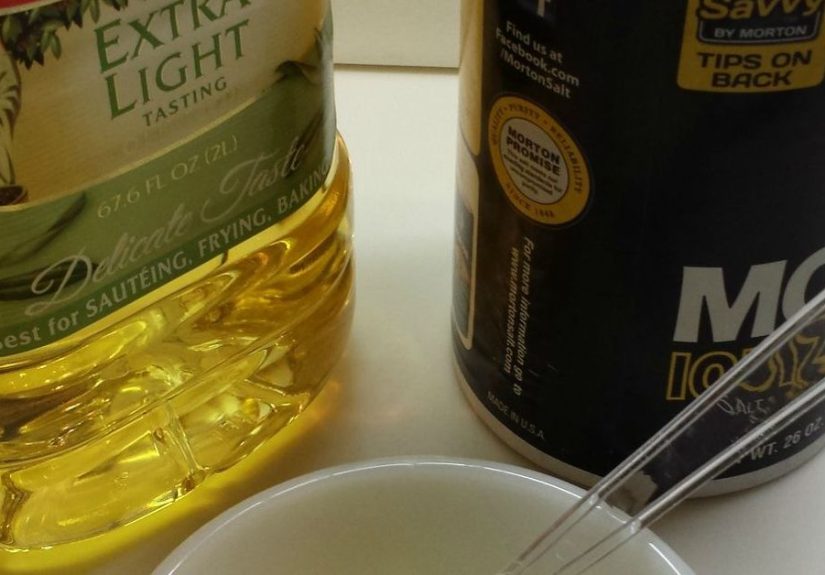
- Method 8: Salt + Oil Paste (Stubborn Spot Helper)
- Method 9: Professional Refinishing (When DIY Hits a Wall)
- Common Mistakes That Make White Rings Worse
- How To Prevent White Rings From Coming Back
- Quick Troubleshooting Guide
- FAQ: Removing White Rings From Wood Furniture
- Final Thoughts
- Experience Notes: From Real Homes (What Actually Works)
You set down a cold drink “just for a second,” get distracted, come back, and there it is: a ghostly white ring staring at you like it pays rent.
The good news? Most white rings on wood furniture are fixable with simple household items and a little patience. You usually do not need to panic, sand the whole table, or hold a dramatic funeral for your favorite coffee table.
In this guide, you’ll learn exactly how to remove white rings from furniture step by step, when to use heat, when to use oils, when to stop DIY-ing, and how to prevent the marks from coming back.
You’ll also get practical troubleshooting tips, a realistic order of operations (from gentlest to strongest), and real-life experience notes at the end so you can skip trial-and-error.
What White Rings Actually Are (And Why That Matters)
White rings are usually moisture or heat marks trapped in the finish layer of wood furniturenot deep damage in the wood itself.
Think of it as a traffic jam in your table’s topcoat: water vapor or heat gets in, can’t get out quickly, and leaves a cloudy ring.
Why this is great news: if the stain is in the finish, your odds of removing it are high. That’s why methods like gentle heat, mayonnaise, petroleum jelly, mineral oil, or mild polishing can workthey help release moisture, rebalance oils, or restore clarity in the finish.
White vs. Dark Rings
- White ring/cloudy mark: Usually surface-level moisture or heat in the finish. DIY methods often work.
- Dark or black mark: Moisture has likely penetrated deeper into the wood fibers. Harder to fix; may need restoration, bleaching, or refinishing.
Translation: identify the stain first, then choose your method. Wrong method = wasted time and a grumpy table.
Before You Start: The 5-Minute Prep That Saves Furniture
1) Check the finish type
Sealed wood (polyurethane, lacquer, varnish) usually handles DIY ring-removal techniques well. Waxed, shellac, antique, or unknown finishes need extra caution.
2) Clean lightly first
Wipe dust, crumbs, and sticky residue with a barely damp microfiber cloth, then dry immediately. You want a clean surface so you don’t rub grit into the finish.
3) Test in a hidden spot
Always test your method under the table edge, behind a leg, or another low-visibility area. If finish color changes, stop and choose another technique.
4) Gather a basic kit
- Microfiber cloths (several clean ones)
- Hair dryer and/or clothes iron
- Non-gel white toothpaste + baking soda
- Mayonnaise or petroleum jelly
- Mineral oil or olive oil
- Mild wood polish or wax (for finishing)
5) Use the “least aggressive first” rule
Start gentle. Escalate only if needed. Furniture repair is not a speedrun challenge.
How To Remove White Rings From Furniture: Step-by-Step Methods
Method 1: Hair Dryer (Warm Air, Low Drama)
This is often the easiest first move for fresh white rings.
- Set dryer to low or warm (not blazing hot).
- Hold it 4–6 inches from the mark.
- Move continuously in short passes for 20–30 seconds.
- Pause, wipe, and inspect.
- Repeat 2–4 rounds if needed.
Why it works: gentle heat helps drive out trapped moisture in the finish.
Watch out: excessive heat can soften wax, dull sheen, or create new heat haze.
Method 2: Iron + Cloth (Classic Moisture Lift)
If warm air helped but didn’t finish the job, try controlled iron heat.
- Place a clean cotton cloth or T-shirt over the ring.
- Set iron to low heat, steam OFF.
- Pass iron over cloth for 5–10 seconds.
- Lift, check, and repeat in short bursts.
- Stop once ring fades; buff with a dry cloth.
Pro tip: short intervals beat one long press.
Do not: place iron directly on wood.
Method 3: Mayonnaise (Yes, the Fridge Hero)
It sounds weird until it works. Mayo’s oils can help displace moisture from finish haze.
- Apply a thin layer on the ring.
- Let sit 30 minutes to overnight (start shorter first).
- Wipe clean with microfiber.
- Buff with a dry cloth.
If mark remains, do one more round. If your table now smells like sandwich prep, clean gently and polish.
Method 4: Petroleum Jelly (Overnight Softener)
Similar idea to mayo, often used for stubborn cloudy rings.
- Rub a small amount over the mark.
- Leave for several hours or overnight.
- Wipe off thoroughly.
- Polish lightly.
This is a good second-line option if mayo gave partial improvement.
Method 5: Mineral Oil (Condition + Clarity)
Mineral oil can help blend and recondition hazy spots in some finishes.
- Put a generous amount on a soft cloth.
- Rub with the wood grain over the ring.
- Leave overnight.
- Buff away excess the next day.
If mark improves but doesn’t vanish, combine with a heat method on another day.
Method 6: Vinegar + Oil (Balanced Cleanup)
A popular mix for light ring marks and dull spots.
- Mix equal parts white vinegar and olive oil.
- Apply with soft cloth, rubbing along the grain.
- Let sit briefly (1–5 minutes).
- Wipe and buff dry.
Don’t flood the surface. More liquid does not equal more success.
Method 7: Toothpaste + Baking Soda (Gentle Micro-Abrasion)
Great for lingering cloudy marks that survived oily methods.
- Use plain white non-gel toothpaste.
- Mix with a little baking soda to make a soft paste.
- Rub gently with grain direction for 30–60 seconds.
- Wipe clean, then buff dry.
Key word: gently. If you scrub like you’re polishing a car hood, you can dull the finish.
Method 8: Salt + Oil Paste (Stubborn Spot Helper)
This old-school method can work on persistent but shallow white marks.
- Mix fine salt with a few drops of olive oil to form a paste.
- Apply to ring and let sit up to 1 hour.
- Wipe away completely.
- Buff and evaluate.
Use sparingly on glossy finishes to avoid micro-scratches.
Method 9: Professional Refinishing (When DIY Hits a Wall)
If marks are dark, old, large, or unchanged after several careful attempts, it may be time for a pro.
A refinisher can spot-repair finish layers, color-match, and avoid over-sanding. This is especially smart for heirloom furniture, veneer, and antiques.
Common Mistakes That Make White Rings Worse
- Too much heat: can scorch finish or create new haze.
- Soaking wood: excess liquid can deepen damage.
- Aggressive scrubbing: may dull sheen or leave swirl marks.
- Skipping spot tests: biggest cause of “it got worse.”
- Mixing random chemicals: risky and unnecessary for most white rings.
- Using abrasive pads: steel wool or rough scrubbers can damage topcoat quickly.
How To Prevent White Rings From Coming Back
Use barriers every day
Coasters, placemats, and trivets are the cheapest insurance policy your table will ever get.
Protect against heat and condensation
Hot mugs, takeout containers, and icy glasses are the top ring offenders. Keep protective pads in easy reach so “I’ll grab one in a second” doesn’t become a ring.
Maintain your finish
Light cleaning and periodic polishing/waxing help keep protective layers intact. Healthy finish = fewer moisture headaches.
Control humidity indoors
Big humidity swings can stress finishes. A moderate indoor humidity range helps furniture stay stable and less prone to moisture haze.
Wipe spills fast
The longer moisture sits, the deeper the trouble. A quick wipe now saves a repair later.
Quick Troubleshooting Guide
“The ring got lighter but not gone.”
Repeat the same method once or twice, then switch to the next gentle method. Partial progress is a good sign.
“The ring disappeared, then came back.”
Residual moisture may still be in the finish. Try another short heat cycle, then polish and let furniture rest 24 hours.
“The area looks dull now.”
You likely removed some top sheen. Apply a compatible furniture polish or wax and buff with grain direction.
“It’s dark, not white.”
That suggests deeper moisture penetration. Skip more DIY abrasion and consider pro restoration.
FAQ: Removing White Rings From Wood Furniture
Can white rings be permanent?
Many are temporary and removable. Older or repeatedly heated marks can be stubborn, but still often improve significantly with the right sequence.
Should I sand white rings off?
Usually nonot at first. Sanding removes finish and can create uneven patches. Save sanding/refinishing for last-resort cases.
Is mayonnaise really safe for furniture?
On many sealed finishes, yesif used in thin amounts and wiped thoroughly. Always spot-test first.
What’s fastest: hair dryer or iron?
Hair dryer is safer to start; iron can be stronger but riskier if overheated. Think gentle first, stronger second.
Final Thoughts
If you remember one thing, remember this: white rings are usually a finish-level problem, not a wood-level tragedy.
Start with low-risk methods, use short controlled attempts, and stop before you overcorrect. In most cases, you can rescue the surface, restore the shine, and keep your furniture looking great.
Your table may have survived coffee, pizza night, science projects, and that one “I can totally carry all drinks at once” moment.
It can survive this too.
Experience Notes: From Real Homes (What Actually Works)
Over time, I’ve seen white-ring battles play out in almost every type of household: tiny apartments with one multipurpose table, family homes with “kid-crafted condensation storms,” and sleek dining rooms that somehow still end up with mystery mug prints.
The pattern is incredibly consistent. Most people try the strongest method first because the mark looks dramatic. That usually backfires. The people who get the best results go slow.
One homeowner had a brand-new walnut coffee table and a three-inch white circle from a hot soup bowl. Panic level: high. They wanted to sand immediately. Instead, we tried warm hair-dryer passes for less than two minutes total, with cooling breaks. The ring faded by about 60%. We followed with a tiny amount of mineral oil overnight, buffed the next day, and it was effectively invisible unless you viewed it under harsh side lighting. Biggest lesson: “almost gone” is often “fully gone” after 24 hours and a gentle buff.
Another case involved an older dining table with multiple cloudy marks from years of cold glasses. A single method didn’t fix everything because the marks had different ages. Fresh marks responded to warm air. Older ones improved with mayonnaise left for a few hours. The most stubborn rings needed toothpaste-and-baking-soda micro-polishing with very light pressure. The owner’s comment was perfect: “Turns out this wasn’t one stain problem; it was five mini-problems pretending to be one.”
I’ve also watched people accidentally create extra work by using too much product. One person poured vinegar-oil mix directly on the tabletop (not ideal), then wondered why it looked streaky. We reset by gently cleaning, drying thoroughly, and applying product to cloth firstnot to furniture. Streaks disappeared. Small process change, huge difference.
Antiques are where caution matters most. A client used an iron too long on an older sideboard with a delicate finish and ended up with a dulled patch larger than the original ring. We were able to improve it, but it took more effort than the initial problem. With vintage pieces, I now recommend starting with the least invasive oil-based method and considering professional help earlier.
The most underrated trick, though, is prevention setup. Homes that keep coasters in plain sight and trivets near serving zones see fewer repeat stains. It sounds obvious, but behavior follows convenience. If coasters live in a drawer across the room, they don’t exist during real life. When they live on the table in a small tray, usage increases automatically.
Final experience takeaway: the winning strategy is not a miracle ingredient. It’s sequence. Diagnose the mark, start gentle, do short controlled attempts, pause between rounds, and restore the finish at the end. That rhythm consistently beats aggressive one-shot fixes. White rings look scary, but with a calm method, they’re usually one of the most recoverable furniture problems you’ll ever face.