Table of Contents >> Show >> Hide
- First, a quick reality check: “Free” doesn’t mean “random”
- 9 reliable ways to score free milkweed seeds (and plants)
- 1) Check your local libraryyes, the book one
- 2) Join a native seed swap (or a regular swap with native people)
- 3) Ask your county extension office or Master Gardener program
- 4) Look for state or city pollinator programs (free seed mailers exist)
- 5) Tap reputable monarch and pollinator nonprofits (some offer free seeds or plants)
- 6) Ask community gardens, school gardens, and park “friends” groups
- 7) Use neighborhood sharing the right way (Buy Nothing, not sketchy)
- 8) Collect your own milkweed seeds (ethically and legally)
- 9) Grow one plant… then let it fund your entire neighborhood
- Make sure your milkweed helps monarchs (not headaches)
- How to plant milkweed seeds successfully (the part that makes people quit)
- Where to plant milkweed for maximum monarch impact
- Troubleshooting: why milkweed seeds sometimes fail (and how to fix it)
- Wrap-up: free seeds are just the beginning
- Real-world experiences and lessons from gardeners chasing free milkweed (extra )
Free milkweed seeds sound like a gardening mythright up there with “deer politely avoid your hostas” and “tomatoes don’t need support.” But scoring milkweed for $0 is absolutely possible, and it’s one of the easiest ways to turn your yard, balcony, or school plot into a monarch-friendly garden that actually does something meaningful.
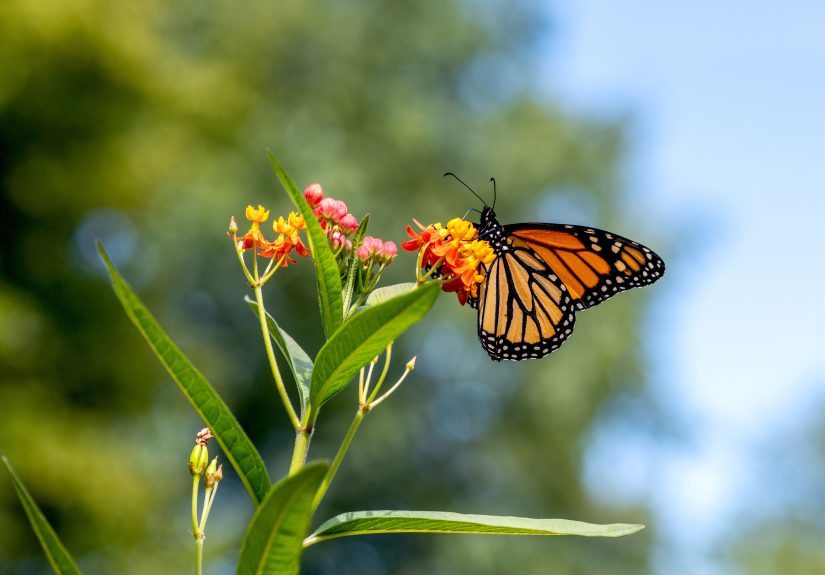
Monarchs don’t just “like” milkweed. They need it. It’s the host plant where females lay eggs, and it’s the food source monarch caterpillars depend on. More milkweed in the landscape = more places for monarchs to raise the next generation. The trick is getting the right milkweed (native to your region) and growing it successfully from seed. Let’s do bothwithout draining your wallet.
First, a quick reality check: “Free” doesn’t mean “random”
Milkweed belongs to the genus Asclepias, and the U.S. has dozens of native species adapted to different climates and soils. That’s why the best approach isn’t “get any milkweed seed you can find.” It’s:
- Get native milkweed seeds that match your region (local ecotypes when possible).
- Plant them in a way that boosts germination (milkweed seeds can be picky).
- Build a garden that supports monarchs beyond the caterpillar stage (nectar plants matter too).
9 reliable ways to score free milkweed seeds (and plants)
1) Check your local libraryyes, the book one
Many public libraries now run seed libraries, where patrons can pick up seed packets for free (often including native flowers). These programs are usually seasonal (spring through early fall), and inventory changes fastkind of like concert tickets, but with more pollinators and fewer service fees.
How to win: Search your library’s website for “seed library,” “community seed program,” or “native seeds,” or ask at the circulation desk. Some libraries also host seed-starting workshops and swaps, which can lead to bonus freebies (and gardening tips from the person who has grown milkweed since dinosaurs were in fashion).
2) Join a native seed swap (or a regular swap with native people)
Seed swaps happen through garden clubs, community centers, botanical gardens, neighborhood associations, and local “friends of” conservation groups. Even when the swap isn’t specifically native-focused, there’s often a table for pollinator plantsespecially in spring.
Pro move: Bring something to trade, even if it’s not fancy: saved zinnia seeds, extra basil, or a handful of marigolds. The “swap economy” is friendly, and milkweed seeds are often shared freely because people genuinely want more habitat in the community.
3) Ask your county extension office or Master Gardener program
University-backed county extension offices and Master Gardener programs often run spring plant sales, pollinator events, and educational giveaways. Sometimes they offer free native seed packets, and sometimes they’ll point you to trusted local sources (which is just as valuable as freebies, because it prevents the “I planted the wrong milkweed in the wrong place” regret spiral).
What to say: “I’m creating a monarch-friendly garden and looking for native milkweed seeds for our area. Do you have any giveaways or recommended local programs?” You’ll sound responsible, and gardeners love that.
4) Look for state or city pollinator programs (free seed mailers exist)
Some state agencies and local governments have launched pollinator initiatives that include free milkweed seed distribution to residentssometimes by mail, sometimes through pickup locations. These programs can open and close quickly due to demand, so timing matters.
How to find them: Search for “[your state] pollinator program milkweed seeds,” “[your city] native plant program,” or “monarch milkweed giveaway.” If you see a sign-up window, don’t overthink itrequest the seeds first and plan the garden second. That’s the correct order of operations for free stuff.
5) Tap reputable monarch and pollinator nonprofits (some offer free seeds or plants)
Several conservation-minded organizations run campaigns to get milkweed into the groundespecially along breeding and migration routes. Offers vary: some provide seed packets, and others provide plugs (small starter plants) to qualifying projects like schools, nonprofits, or restoration sites.
Best practice: Read eligibility rules carefully. Many programs prioritize habitat restoration scale, educational projects, or region-specific ecotypes (especially in the West). If you qualify, you can receive a big head startsometimes far beyond what a few seed packets would provide.
6) Ask community gardens, school gardens, and park “friends” groups
Community gardens and school gardens frequently order native plants in bulk, then end up with extras. Park conservancies and “friends of the park” groups sometimes do volunteer days where they distribute leftover native seeds to participants. This is one of the most overlooked ways to score free milkweed, because it requires one thing many gardeners avoid: talking to other humans.
Easy opener: “Do you ever have extra native seeds or milkweed pods at the end of the season? I’d love to start a small monarch patch.”
7) Use neighborhood sharing the right way (Buy Nothing, not sketchy)
Local sharing groups can be gold for native plantsespecially when someone is thinning out a patch of swamp milkweed or butterfly milkweed and doesn’t want to compost perfectly good plants. You can also request seeds specifically.
Keep it smart: Ask for native species and, if possible, the species name (like Asclepias tuberosa or Asclepias incarnata). “Milkweed, I think?” is how mystery plants happen.
8) Collect your own milkweed seeds (ethically and legally)
If you have milkweed nearby (your yard, a friend’s property, a community garden, a permitted restoration area), you may be able to harvest mature seed pods and start your own stash. This can be the most “free” option of allno postage, no forms, no waiting list.
How to do it without becoming a backyard villain:
- Get permission if it’s not your property.
- Don’t collect from protected natural areas where removing plants/seeds is prohibited.
- Take a little, leave a lot: wildlife uses milkweed stands too, and plants need to reseed naturally.
How to tell pods are ready: Mature pods are usually starting to dry, and they begin to split at the seam. Inside, viable seeds are typically brown and firm. If everything looks pale, soft, or underdeveloped, the pod is probably not ready.
9) Grow one plant… then let it fund your entire neighborhood
Milkweed can be generous once it’s established. Start with a single donated plant or a small packet of seeds, thenafter a season or twocollect seeds from your own plants and share them locally. This is the long game, but it’s the most sustainable.
Bonus: You become “the milkweed person.” Every neighborhood needs one.
Make sure your milkweed helps monarchs (not headaches)
Before you plant, make two important choices: species and site.
Choose native species that match your region and your yard
Here are common, beginner-friendly natives many U.S. gardeners usebut always confirm they’re native where you live:
- Butterfly milkweed (Asclepias tuberosa): Drier soils, sunny spots, well-behaved in smaller gardens.
- Swamp milkweed (Asclepias incarnata): Moist soil, rain gardens, and spots that stay damp.
- Common milkweed (Asclepias syriaca): Loved by monarchs, but spreads vigorously in many yards.
- Showy milkweed (Asclepias speciosa): Commonly used in parts of the western U.S. (again, match your region).
A word about tropical milkweed (the controversial cousin)
In many parts of the U.S., experts recommend prioritizing native milkweed species. Non-native tropical milkweed can persist longer in warm climates and may contribute to monarch health and migration issues. If someone already has it and chooses to keep it, current recommendations in some regions include cutting it back hard in the fall to reduce disease buildup and discourage off-season breeding.
Translation: if your goal is a monarch-friendly garden that aligns with conservation guidance, native milkweed is the simplest, least-drama option.
How to plant milkweed seeds successfully (the part that makes people quit)
Milkweed seeds often germinate better after cold stratificationa period of cold, moist conditions that mimics winter. Some species need about a month; others need longer. The good news: it’s easy to do at home.
Option A: Fall sowing (let winter do the work)
This is the lazy genius method. Plant seeds outdoors in late fall or early winter, and nature handles stratification.
- Clear a small patch of soil in a sunny (or partly sunny) area.
- Sprinkle seeds and press them into the surface (don’t bury them deep).
- Cover lightly with a thin layer of soil or leaf litterjust enough to keep them from blowing away.
- Water once, then let winter handle the rest.
Best for: Gardeners who like results but don’t like refrigerators full of seed baggies.
Option B: Fridge stratification (controlled and reliable)
If you’re planting in spring, do a basic cold-moist stratification.
- Moisten a paper towel or coffee filter (damp, not dripping).
- Place seeds inside, fold it up, and put it in a labeled zip bag.
- Refrigerate for about 30 days (some species prefer longer).
- Check occasionally for mold. If you see fuzz, replace the paper and keep going.
- After stratification, sow seeds in pots or directly outdoors once temperatures are suitable.
Option C: Winter sowing in a milk jug (the DIY greenhouse trick)
Cut a clean plastic milk jug around the middle (leave a hinge), poke drainage holes, add moist potting mix, sow seeds, close it, and set it outside in winter. It acts like a mini greenhouse while still giving seeds the cold they need. In spring, seedlings emerge like a magic trick you performed with trash.
Where to plant milkweed for maximum monarch impact
A monarch-friendly garden isn’t just milkweed scattered like confetti. Think habitat design:
- Sun matters: Many milkweeds perform best in full sun (6+ hours).
- Plant in clumps: Grouping milkweed makes it easier for caterpillars to move between plants and helps monarchs find them.
- Add nectar plants: Adult monarchs need nectar before and during migration. Aim for blooms from spring through fall.
- Avoid pesticides: Even “targeted” products can harm caterpillars and pollinators.
A simple monarch garden plan (small-yard friendly)
Sunny bed or border (about 4×8 feet):
- 3 butterfly milkweed plants (or seeds spaced to become 3 plants)
- 3–5 nectar plants that bloom at different times (think early, mid, late season)
- One shallow water dish with pebbles (a safe “sip station”)
- Mulch lightly, leaving some bare soil nearby for ground-nesting bees
This setup supports monarch egg-laying, caterpillar feeding, and adult fuelingwithout turning your entire yard into a milkweed monoculture.
Troubleshooting: why milkweed seeds sometimes fail (and how to fix it)
“Nothing germinated”
- Likely cause: Not enough cold stratification, or seeds weren’t viable.
- Fix: Extend stratification time, try fall sowing, or source seeds from a local/native-focused program next season.
“They sprouted and then vanished”
- Likely cause: Drying out, heavy rain washing seeds away, or hungry critters.
- Fix: Start in pots, then transplant. Or protect the sowing area with light leaf litter or a breathable cover.
“Aphids moved in like they pay rent”
- Reality: Milkweed hosts many insects. Aphids can be annoying but aren’t always a disaster.
- Fix: Blast them off with water, or gently wipe clusters. Avoid broad insecticidesyour goal is a living ecosystem.
Wrap-up: free seeds are just the beginning
Scoring free milkweed seeds is a fantastic start, but the real win is what happens next: you plant them, you learn what thrives in your yard, and eventually you’re the person handing out seeds at a neighborhood swap like a pollinator-themed hero.
Keep it local. Keep it native. And keep it simple: milkweed + nectar plants + no pesticides = a monarch-friendly garden that actually earns the title.
Real-world experiences and lessons from gardeners chasing free milkweed (extra )
If you talk to people who’ve tried to build monarch habitat on a budget, you’ll notice a pattern: the “free seed” part is usually easy. The “free seed that becomes a thriving plant” part is where the plot thickenslike a soap opera, but with more compost.
Experience #1: The library seed packet lottery. Gardeners often report that seed libraries are a jackpotif you arrive at the right time. Early spring is peak season, and the most popular packets (native wildflowers, milkweed, and anything labeled “pollinator”) disappear first. People who consistently score milkweed from libraries tend to do one thing: they check inventory early and treat it like a seasonal ritual. They also ask librarians when restocks happen, because some programs quietly refill throughout the season instead of doing one big release.
Experience #2: The “I planted common milkweed and now it owns my zip code” moment. In regions where common milkweed thrives, new gardeners sometimes choose it because it’s well-known and monarch-approved. Then, a year or two later, they discover it can spread enthusiastically. The gardeners who stay happy long-term usually respond in one of two ways: they embrace a dedicated “milkweed patch” area away from formal beds, or they switch to less aggressive species (like butterfly milkweed) for tighter spaces. This is why matching species to yard style matters as much as matching it to climate.
Experience #3: The stratification glow-up. A lot of people try spring planting once, get poor germination, and assume milkweed is impossible. Then they learn the cold stratification trick and suddenly their germination improves dramatically. The most common “aha” moment is realizing that milkweed seeds are designed to wait through winter. Gardeners who succeed tend to pick one method and commit: fall sowing, winter sowing in jugs, or fridge stratification. The ones who struggle usually bounce between methods midstream, which is like changing your pancake recipe after you’ve already poured the batter.
Experience #4: The free seed sources that come with a community. Seed swaps, Master Gardener events, and community garden networks don’t just provide seedsthey provide context. Gardeners often say the best part of getting free milkweed locally is the advice that comes with it: “This species likes sandy soil,” “That one needs moisture,” “Plant it where you won’t accidentally weed-whack it.” These tiny tips prevent months of disappointment. If you can get seeds from someone who’s grown them in your town, you’re basically getting a cheat code.
Experience #5: The joy of becoming a seed sharer. After a season or two, many gardeners end up with more pods than they expected. That’s when the story flips: instead of hunting for free milkweed seeds, they’re stuffing paper bags with pods for friends, labeling envelopes for swaps, and feeling oddly proud of their “seed stash.” It’s a satisfying cyclefree seeds become plants, plants become more seeds, and suddenly your neighborhood has more habitat without anyone needing a big budget.
Bottom line: free milkweed seeds are real, but the best “experience” is the momentum they create. One small packet can turn into a patch, a patch can turn into a seed-sharing tradition, and before you know it, monarch-friendly gardening stops being a project and starts being part of your community.