Table of Contents >> Show >> Hide
- Why mental health matters in HIV care (yes, it’s medical)
- Common mental health challenges people face with HIV
- Build a “whole-person” care team (you deserve one)
- Make a plan for stigma and disclosure (boundaries are healthcare)
- Daily mental health habits that actually work (and aren’t corny)
- Connection is a treatment (yes, really)
- When substance use is part of coping
- Know when to reach out urgently
- Practical examples: what support can look like in real life
- Long-term mindset shifts that help (without toxic positivity)
- Experiences people often relate to (and what helps) extra stories & reflections
- Conclusion
Living with HIV is a lot like carrying a backpack you didn’t ask forsome days it’s barely noticeable, and other days it feels like someone stuffed it with bricks, paperwork, and unsolicited opinions.
The good news: you don’t have to “power through” alone, and you don’t have to earn support by being perfectly positive 24/7.
Mental health care is part of HIV care. Not a bonus feature. Not a “nice-to-have.” A real, practical tool that helps you feel better and stay well.
In the U.S., public health agencies and clinical resources consistently emphasize that stress, stigma, and mental health symptoms can affect quality of lifeand can also make it harder to stay engaged in care.
The flip side is hopeful: when mental health is supported, people often find it easier to keep routines, take medications as prescribed, and build a life that feels like theirs again.
Let’s talk about what that support can look likewithout buzzwords, without shame, and with a few small laughs where they actually help.
Why mental health matters in HIV care (yes, it’s medical)
HIV is medically manageable for many people today, but it’s still emotionally complicated. You may be dealing with:
a new diagnosis, medical appointments, changes in routines, worries about disclosure, relationship stress, stigma, and sometimes trauma from past experiences.
Any one of those could make a person feel anxious or down. Put them together and it’s easy to see why mental health deserves a front-row seat in your care plan.
Research has found strong links between depression or psychological distress and difficulties sticking with antiretroviral therapy (ART).
That doesn’t mean “it’s your fault” if you’re strugglingonly that your brain and your body are on the same team. When your mind is supported, your health habits get more doable.
Common mental health challenges people face with HIV
Depression
Depression isn’t just sadness. It can show up as low energy, irritability, feeling “flat,” changes in sleep or appetite, loss of interest in things you usually like, or difficulty concentrating.
Some people describe it as walking through wet cement. If that sounds familiar, you’re not weakyou’re human.
Anxiety
Anxiety can look like racing thoughts, a tight chest, trouble falling asleep, worrying about the future, or feeling on edge.
For some, anxiety spikes around labs, appointments, or disclosure conversations. For others, it’s more generallike a browser with 47 tabs open and one of them is playing music.
Stress, stigma, and “internalized noise”
Stigma can be loudeven when nobody is saying anything out loud. Fear of judgment, discrimination, or rejection can lead to isolation, chronic stress, and a harsh inner critic.
If you catch yourself thinking, “I should be ashamed,” that’s stigma talking, not truth.
Trauma and adjustment
A diagnosis can be a shock. Some people also carry earlier trauma (medical trauma, relationship trauma, or community trauma) that gets triggered by healthcare settings or uncertainty.
Trauma-informed care matters: you deserve providers who treat you with respect and help you feel safe.
Substance use and coping
Some people use alcohol or drugs to numb anxiety, fall asleep, or quiet stress.
If that’s part of your story, you’re not aloneand integrated help is available. The most effective support often treats mental health and substance use together, not as separate problems.
Build a “whole-person” care team (you deserve one)
Here’s the reality: you’re managing a health condition, not auditioning for “Most Self-Reliant Human.”
A strong support system usually includes both medical and mental health care.
Start with your HIV care provider
Your HIV clinician (or clinic team) can help you:
screen for depression/anxiety, connect with therapy or psychiatry, and review whether any medication side effects might be impacting mood or sleep.
If you’re feeling nervous bringing it up, try a simple opener:
“I’m doing okay physically, but mentally I’m struggling and I want support.”
Ask for a case manager or social worker
Many HIV clinics can connect you to case management, peer navigation, or social workpeople who help with insurance, appointments, transportation, support groups, and practical barriers that feed stress.
If you qualify, the Ryan White HIV/AIDS Program can provide access to medical care and essential support services, including mental health services through participating providers.
Therapy: not just for crises
Therapy isn’t only for rock-bottom moments. It’s also for:
learning coping skills, working through stigma, building confidence with disclosure boundaries, and creating routines that fit your real life.
Evidence-based options often include cognitive behavioral therapy (CBT), acceptance and commitment approaches, and stress-management skills training.
Medication for mental health (when it’s helpful)
For moderate to severe depression or anxiety, medication can be a game-changer.
The key is coordination: some psychiatric medications can interact with HIV medications, so make sure every prescriber knows your full med list.
The goal isn’t to “change your personality.” It’s to reduce symptoms so you can actually live your life.
Make a plan for stigma and disclosure (boundaries are healthcare)
Disclosure is personal. You don’t owe your medical information to everyone you meet, and you also shouldn’t have to carry it alone.
A healthy middle path is often: choose a small circle of safe people and build outward only if you want to.
Try the “two-question” filter
- Is this person safe? (Do they respect privacy and respond with empathy?)
- Is this the right time? (Do I have support if it goes badly?)
Prepare a short script
Scripts reduce anxiety because you’re not improvising under stress. Examples:
- “I’m sharing something important. I’m living with HIV, I’m in care, and I’d like your support.”
- “This is private. I’m telling you because I trust you.”
- “If you have questions, I can share resourcesbut please don’t make assumptions.”
Also: if someone responds badly, that’s information about them, not a verdict on your worth.
You can grieve it, get support, and still keep moving forward.
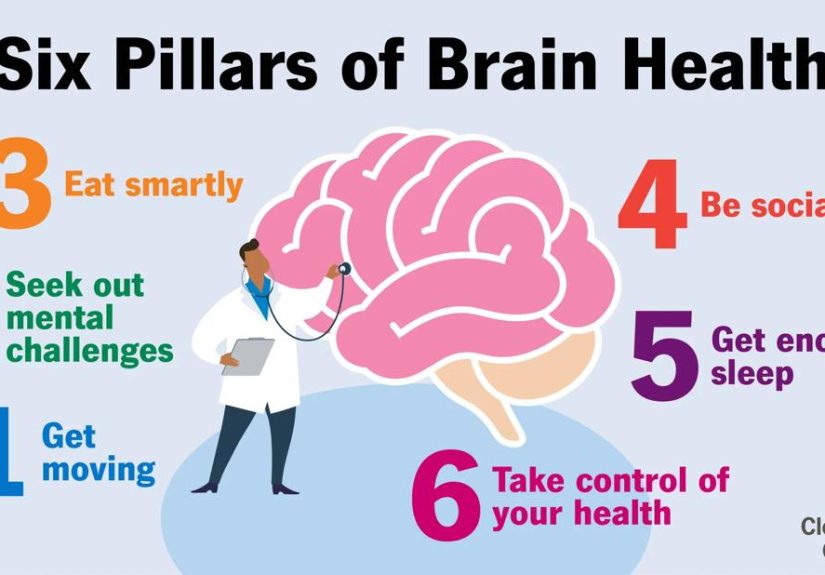
Daily mental health habits that actually work (and aren’t corny)
1) Protect your sleep like it’s a VIP
Sleep affects mood, stress tolerance, memory, and motivation.
Try small shifts:
keep a consistent wake time, reduce caffeine late in the day, dim screens before bed, and create a “wind-down” routine (even 10 minutes counts).
If nightmares, insomnia, or panic are common, mention it to a providersleep is treatable.
2) Move your body in a way you don’t hate
You don’t need to become a gym influencer. Movement helps anxiety and depression because it changes stress hormones, improves sleep, and boosts confidence.
Aim for “repeatable”: a 10–20 minute walk, dancing in your room, gentle strength training, yoga, or stretching while watching your favorite show.
3) Eat for steadier energy, not perfection
Balanced meals support stable moodespecially protein + fiber + hydration.
If appetite is low, try small frequent snacks.
If food access is a challenge, a case manager may help connect you with community resources.
The goal is support, not a lecture.
4) Practice a 60-second nervous-system reset
When stress spikes, your body often needs calming before your brain can “logic” its way out.
Try one minute of slow breathing (in through the nose, long exhale), progressive muscle relaxation, or grounding:
name 5 things you see, 4 you feel, 3 you hear, 2 you smell, 1 you taste.
It’s simpleand it’s surprisingly effective.
5) Create a medication routine that respects reality
Adherence is easier when you remove friction. Examples:
set an alarm you won’t ignore (be honest), link meds to a daily habit (brushing teeth), use a pill organizer, keep a backup dose in a safe place, and ask your clinic about refill support.
If you miss doses, don’t spiralcontact your clinic for guidance and adjust your system.
Connection is a treatment (yes, really)
Isolation feeds depression and anxiety. Connection weakens stigma.
Support groupsespecially groups for people living with HIVcan reduce loneliness and provide practical coping ideas from people who truly get it.
Many clinics, community organizations, and peer programs offer groups in-person or online.
Try “low-pressure” connection
- Join a support group and listen the first few sessions
- Follow reputable HIV and mental health educators
- Text one trusted person a simple check-in: “Can you talk this week?”
- Ask your clinic about peer navigators
If your circle is tiny right now, that’s okay. Tiny is still real.
Start with one safe connection and build from there.
When substance use is part of coping
If alcohol or drugs are helping you get through the day, that’s a sign you deserve more supportnot more shame.
Integrated treatment (addressing mental health and substance use together) is often more effective than treating one while ignoring the other.
Practical, non-judgment steps include:
talking to a clinician about cravings or withdrawal risks,
exploring therapy that targets both anxiety and coping behaviors,
and using national resources to find services.
If you’re not ready to quit entirely, harm-reduction goals (like reducing use, safer choices, or avoiding triggers) can still improve wellbeing.
Know when to reach out urgently
Sometimes stress turns into emotional overload. If you feel like you might not be safe, or you need immediate emotional support, reach out right away.
In the U.S., you can contact the 988 Suicide & Crisis Lifeline by call, text, or chat for free, confidential support.
If you’re in immediate danger, call emergency services.
Practical examples: what support can look like in real life
Here are a few realistic “toolkits” people often build:
Example A: “I’m overwhelmed and missing appointments”
- Ask clinic for a case manager to help schedule visits and refill reminders
- Start weekly therapy focused on anxiety + avoidance patterns
- Set one small goal: attend the next appointment, even if you’re not “ready”
- Use a notes app to track questions so you feel more in control during visits
Example B: “Stigma is living rent-free in my head”
- Join an HIV peer support group (listen-first approach)
- Practice one self-compassion statement daily: “My diagnosis is not my identity.”
- Limit doom-scrolling and choose reputable sources for info
- Work with a therapist on disclosure boundaries and confidence
Example C: “I can’t sleep, and my mood is tanking”
- Screen for depression/anxiety with your provider
- Adopt a consistent wake time + a 10-minute wind-down routine
- Try guided breathing or progressive muscle relaxation
- Review meds with a clinician if sleep changes began after a medication switch
Long-term mindset shifts that help (without toxic positivity)
Replace “I should be fine” with “I deserve support”
The goal isn’t to pretend everything is okay. The goal is to build enough support that hard days don’t knock you out of your life.
You can be grateful for medical progress and still have rough emotions. Both can be true.
Measure progress in “more doable days”
Recovery and resilience aren’t straight lines. A great metric is: Are there more days where basic tasks feel possible?
Are you more connected? Sleeping a bit better? Asking for help sooner?
That’s progress.
Experiences people often relate to (and what helps) extra stories & reflections
The following experiences are composite examplespatterns many people describemeant to help you feel less alone and spark ideas for your own plan.
If you see yourself in any of them, take what’s useful and leave the rest.
1) “The week after diagnosis felt like my brain was buffering”
A lot of people describe the early days as surreal: you can be sitting in class, at work, or in a grocery store and suddenly your mind flashes back to the appointment.
Some feel numb. Others feel like they’re living inside a notification they can’t dismiss.
What often helps here is structure and gentle information: a follow-up visit with a clinician you trust, a short list of reputable resources, and one supportive person who can listen without turning it into a debate.
Many people also find it calming to write down questions (even messy ones) so they don’t swirl around at 2 a.m.
The goal in this phase isn’t to “accept everything perfectly.” It’s to stabilize.
2) “I was fine… until I wasn’t” (the delayed wave)
Sometimes, symptoms show up laterweeks or months after things seem “handled.”
Someone might be consistent with ART, labs are improving, life looks normal from the outside, and then anxiety starts creeping in.
That delayed wave can bring guilt: “Why am I struggling now? I should be grateful.”
But delayed stress is common with major life events.
People often do well when they treat it like a real health signal: they talk to their provider, start therapy, and build routines that reduce overwhelm.
Even a small planlike two walks a week, one support group meeting a month, and a regular bedtimecan create noticeable relief over time.
3) “Disclosure felt harder than the diagnosis”
Many people say the most stressful part isn’t taking medicationit’s deciding who to tell, when, and how.
Some have had supportive reactions that felt like a warm blanket. Others have had reactions that were ignorant or hurtful.
What helps is practicing a boundary-forward script and choosing disclosure based on safety, not pressure.
Some people start by telling one “anchor person” firsta friend, sibling, counselor, or support group peerso they have backup no matter what.
Others decide to keep their status private except where medically necessary.
There’s no single correct approach.
The healthiest approach is the one that protects your wellbeing and respects your values.
4) “Medication was easy; the stigma hangover wasn’t”
Even when HIV is medically well-controlled, stigma can linger as an inner voice that says you’re “less than.”
People often describe it like background static: it flares up during dating, doctor visits, family gatherings, or even when filling prescriptions.
Helpful tools here include therapy that targets shame, peer communities where HIV is normalized, and deliberate language shifts:
“I’m living with HIV” instead of labels that feel dehumanizing.
Some people keep a small “truth list” on their phone for hard moments: facts about treatment, facts about their character, and reminders of their support system.
Over time, that inner static often gets quieter.
Not because you forced itbecause you strengthened your support.
5) “I thought self-care meant bubble baths. Turns out it meant boundaries.”
A surprisingly common turning point is realizing that self-care isn’t a luxury activityit’s a set of decisions.
Things like: leaving a stigmatizing friend group chat, switching to a clinic that treats you with dignity, asking for medication reminders without feeling embarrassed, or saying “no” to conversations that drain you.
People also report that tiny choices add up: taking meds at the same time daily, booking therapy before you’re in crisis, and letting one trusted person know when you’re having a rough week.
It’s not glamorous. It’s effective.
And it’s what makes the rest of lifework, school, goals, relationshipsfeel more possible again.
Conclusion
Supporting your mental health with HIV isn’t about pretending everything is fine.
It’s about building a system that helps you feel steady, connected, and capableespecially on the days when life gets loud.
With the right care team, practical coping tools, and supportive people, you can reduce stigma’s impact, manage stress, and protect your wellbeing while staying engaged in HIV care.
You deserve support that treats your mind and body as one whole personbecause that’s exactly what you are.