Table of Contents >> Show >> Hide
- What Do Bed Bug Bites Look and Feel Like?
- 12-Step Guide: How to Treat Bed Bug Bites
- Step 1: Confirm you’re safe and check for severe reactions
- Step 2: Wash the bites with mild soap and water
- Step 3: Apply a cold compress to reduce itch and swelling
- Step 4: Use an over-the-counter anti-itch cream or lotion
- Step 5: Consider an oral antihistamine for stubborn itch
- Step 6: Wear loose, breathable clothing
- Step 7: Try soothing home relief (if your skin tolerates it)
- Step 8: Keep your nails short and avoid scratching
- Step 9: Watch for signs of infection
- Step 10: Treat more severe reactions with medical guidance
- Step 11: Clean your sleeping space to prevent new bites
- Step 12: Be patient and gentle with your skin
- When to See a Doctor for Bed Bug Bites
- Preventing Future Bed Bug Bites
- Real-Life Experiences: What People Learn from Bed Bug Bites
- Conclusion
If you’ve just noticed a mysterious line of itchy red bumps on your arm and muttered, “Please don’t be bed bugs,” you’re not alone. Bed bug bites are annoying, uncomfortable, and just the idea of them can make your skin crawl. The good news? In most cases, bed bug bites are more of a nuisance than a danger, and you can treat them effectively at home while you work on kicking the bugs out of your mattress and your life.
This step-by-step guide walks you through how to recognize bed bug bites, soothe the itch, avoid infection, and know when it’s time to call a doctor. Think of it as a calm, practical friend talking you through a very creepy situationminus the panicked Googling at 2 a.m.
What Do Bed Bug Bites Look and Feel Like?
Before you start treating, it helps to be reasonably sure you’re dealing with bed bug bites and not, say, a random mosquito with bad manners.
Common signs of bed bug bites
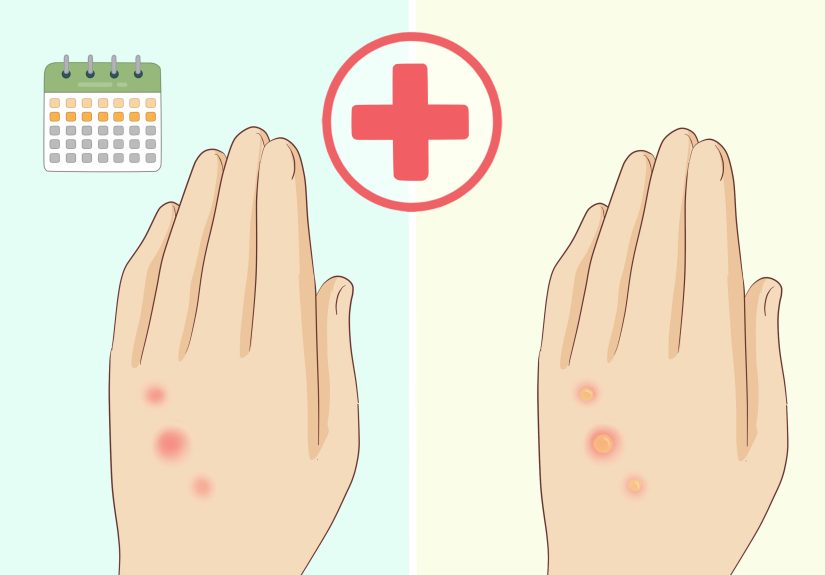
- Small, itchy red bumps, often with a darker red center.
- Clusters or lines of 3–5 bites (sometimes called “breakfast, lunch, and dinner”), usually on exposed skin like arms, legs, neck, or shoulders.
- Itching that can range from mild to “why does my skin hate me?” levels.
- Bites that may show up hours or even days after the bugs feed.
Bed bug bites usually heal within one to two weeks and, importantly, bed bugs are not known to spread disease. However, scratching the bites can break the skin and lead to infection, so treatment is mostly about comfort and preventing complications.
Where the “pictures” fit in
If this were a full wikiHow-style tutorial, each step would include a clear picture: what the bites look like, how to wash them, how thick to apply cream, and so on. When you publish this article, you can pair each step below with a photo or illustration to visually guide readers through the process.
12-Step Guide: How to Treat Bed Bug Bites
Here’s a gentle, logical plan to handle bed bug bites at home. You don’t have to do every single step, but following most of them will keep you more comfortable and help your skin heal faster.
Step 1: Confirm you’re safe and check for severe reactions
Before anything else, pause and check how you feel overall. Mild to moderate itching and small bumps are common. But if you notice:
- Swelling of your lips, tongue, or face
- Trouble breathing, chest tightness, or wheezing
- Dizziness, faintness, or feeling like you might pass out
These can be signs of a serious allergic reaction (anaphylaxis). Call emergency services or seek urgent medical care right away. Don’t wait and seebed bug bites usually aren’t dangerous, but severe allergic reactions are.
Step 2: Wash the bites with mild soap and water
The first line of treatment is wonderfully boring: soap and water. Gently wash the affected skin with lukewarm water and a mild, fragrance-free soap. Pat the area dry with a clean toweldon’t rub like you’re trying to erase the bites.
This simple step:
- Removes bacteria and lowers infection risk
- Washes away some of the bed bug saliva that’s triggering the itch
- Preps the skin so creams and lotions work better
Step 3: Apply a cold compress to reduce itch and swelling
Cold is your new best friend. Wrap an ice pack, a bag of frozen veggies, or a cold, damp washcloth in a thin towel and place it on the bites for about 10–15 minutes at a time. You can repeat this several times a day.
A cold compress helps by:
- Numbing the itch receptors in your skin
- Reducing swelling and redness
- Giving you a non-itchy distraction for a few minutes
Just don’t put ice directly on bare skinthat can cause frostbite-like irritation.
Step 4: Use an over-the-counter anti-itch cream or lotion
Once the skin is clean and dry, you can apply an anti-itch product to help calm the area. Common options include:
- Hydrocortisone cream (0.5–1%) – a mild steroid that reduces inflammation and itching.
- Calamine lotion – provides a cooling, drying effect that can soothe irritated skin.
- Other anti-itch lotions labeled for insect bites.
Use a thin layer over the bites as directed on the package. Don’t coat your entire body or use these products for longer than recommended without talking to a healthcare professional.
Step 5: Consider an oral antihistamine for stubborn itch
If the itch is intenseespecially at night when you’re trying to sleepan oral antihistamine may help. Over-the-counter options like cetirizine, loratadine, or diphenhydramine can reduce the histamine response that drives itching.
Tips:
- Non-drowsy antihistamines are better for daytime relief.
- Diphenhydramine (Benadryl) often causes drowsiness, which can be helpful at bedtime but not before driving or working.
If you take other medications or have chronic health conditions, check with a doctor or pharmacist before starting an antihistamine.
Step 6: Wear loose, breathable clothing
Itchy bites and tight clothing are a terrible combo. Choose soft, loose, breathable fabricslike cotton pajamas or oversized T-shirtsthat don’t rub against the irritated skin.
This reduces friction, helps your skin stay cool, and makes you less likely to scratch in your sleep. Some people also find that long sleeves and pants keep them from absentmindedly scratching the bites.
Step 7: Try soothing home relief (if your skin tolerates it)
Some simple, gentle home remedies can add extra comfort as long as you don’t have extremely sensitive skin. Examples include:
- Oatmeal baths: Colloidal oatmeal (finely ground oats) added to lukewarm bathwater can ease generalized itch.
- Cool baking soda paste: A small amount of baking soda mixed with water into a paste, applied briefly and then rinsed, may calm localized itching for some people.
Always patch test on a small area first. If you notice burning, stinging, or more redness, rinse off and stop using the remedy.
Step 8: Keep your nails short and avoid scratching
Yes, scratching feels amazing in the moment. It also:
- Breaks the skin
- Increases the risk of bacterial infection
- Can lead to scabs, scars, or darker marks (post-inflammatory hyperpigmentation)
Trim your nails short, especially for kids, and consider wearing light cotton gloves at night if you tend to scratch in your sleep. Using cold packs and anti-itch creams regularly makes it easier to resist the urge.
Step 9: Watch for signs of infection
Even though bed bug bites themselves aren’t dangerous, an infected bite can turn into a bigger problem. Call your healthcare provider if you notice:
- Increasing redness or warmth around the bite
- Swelling that keeps getting worse
- Pus, yellow crust, or oozing from the bite
- Fever or feeling generally unwell
Infections from scratching may require prescription antibiotics or stronger topical treatments, so don’t ignore these signs.
Step 10: Treat more severe reactions with medical guidance
Some people develop stronger reactions to bed bug biteslarge swollen areas, blisters, or very intense itching. In these cases, a healthcare professional may recommend:
- Prescription-strength topical steroids
- Stronger oral antihistamines
- Short courses of oral steroids in rare, more serious cases
Don’t self-prescribe leftover steroid pills or someone else’s cream. A professional can tailor treatment to your skin type, health history, and level of reaction.
Step 11: Clean your sleeping space to prevent new bites
Treating the bites is only half the story. If the bugs are still around, you’ll just become their midnight buffet again. While full bed bug eradication often requires a pest control professional, there are important steps you can take:
- Wash bedding, linens, and clothes in hot water and dry on the highest heat setting.
- Vacuum your mattress seams, bed frame, and nearby furniture carefully.
- Use mattress and box spring encasements designed to trap bed bugs.
- Reduce clutter around the bed so bugs have fewer hiding spots.
Remind readers: treating the infestation is a separate project, but it’s crucial for preventing more bites.
Step 12: Be patient and gentle with your skin
Most bed bug bites fade within about one to two weeks. During that time:
- Continue gentle cleansing and anti-itch care as needed.
- Avoid harsh scrubs or strong acids on the affected area.
- Use a bland moisturizer to support skin barrier repair.
Some peopleespecially those with darker skin tones or a strong inflammatory responsemay notice darker or lighter marks that linger afterward. These usually fade slowly over time, but a dermatologist can suggest creams or treatments if the marks are bothersome.
When to See a Doctor for Bed Bug Bites
Call your healthcare provider or dermatologist if:
- You have many bites covering a large area
- Blisters, open sores, or intense swelling develop
- There are signs of infection (spreading redness, warmth, pus, fever)
- You have a history of strong allergic reactions to insect bites
- The itch is so severe that it affects your sleep, mood, or daily life
Emergency care is needed if you have trouble breathing, throat tightness, facial swelling, or feel like you might faintthese are signs of a possible anaphylactic reaction. While rare, they are true medical emergencies.
Preventing Future Bed Bug Bites
You can treat the bites all you wantbut nothing beats not getting bitten again in the first place. While full eradication usually requires a thorough approach or professional help, these strategies can lower your risk of repeat bites:
Inspect and protect your sleeping area
- Check mattress seams, headboards, and nearby furniture with a flashlight for tiny reddish-brown bugs, shed skins, or dark spots (droppings).
- Use mattress and box spring encasements labeled for bed bug protection.
- Pull the bed slightly away from the wall and keep bedding from touching the floor.
Be careful when traveling or buying used furniture
- Inspect hotel mattresses and headboards when you arrive.
- Keep luggage off the bed and store it on a hard surface or luggage rack.
- Wash and dry travel clothes on high heat as soon as you return home.
- Be cautious with secondhand mattresses, bed frames, or upholstered furniture.
Remind readers that if they suspect an infestation at home, contacting a landlord (if renting) and/or a licensed pest control company with experience in bed bugs is often the most effective solution.
Real-Life Experiences: What People Learn from Bed Bug Bites
Bed bug bites aren’t just a physical experiencethey’re emotional, logistical, and sometimes even a little bit absurd. Here are some common “lessons learned” that can make your own recovery easier to handle (and maybe even a little less stressful).
1. The itch often shows up late
One of the most confusing parts of bed bug bites is the timing. Many people don’t notice anything right after the bugs feed. The reaction can show up hours, or even days, later. That means you might wake up fine, then start itching mid-afternoon at work and wonder what on earth happened.
Knowing this delay is normal can keep you from blaming the wrong thing (like the office chair or your lunch) and helps you connect the dots back to where you slept the night before.
2. The mental stress can be worse than the bites
Physically, bed bug bites are usually manageable. Emotionally, it’s another story. Many people describe feeling anxious, embarrassed, or even a bit paranoid after realizing they’ve been sharing a bed with insects.
Common reactions include:
- Checking the mattress every night with a flashlight
- Feeling phantom itches even when there are no new bites
- Worrying that guests will judge them for having bed bugs
It helps to remember: bed bugs are equal-opportunity pests. They show up in budget motels and luxury hotels, old apartments and new condos. An infestation is not a reflection of your hygiene or worth as a person. Taking calm, practical steps to treat the bites and tackle the bugs is the best way to reclaim your sense of control.
3. Scratching always feels good… and almost always backfires
Most people who’ve dealt with bed bug bites will admit they scratched “just a little” and then regretted it later. The temporary relief is almost always followed by more swelling, more redness, and sometimes scabbing or scarring.
People often find success by building a little “itch management kit” they keep by the bed: hydrocortisone cream, calamine lotion, a cold pack, and an oral antihistamine if approved by a doctor. Reaching for that kit instead of your nails is a small but powerful habit that protects your skin in the long run.
4. Professional help for the infestation is usually worth it
Another hard-earned lesson: DIY methods alone rarely solve a true bed bug infestation. Washing bedding and vacuuming are important, but bed bugs are experts at hiding in cracks, behind baseboards, in furniture seams, and even under electrical plates.
Many people try home sprays or foggers first and then, after weeks of ongoing bites and frustration, end up calling a pest control specialist anyway. It’s often more efficientand less stressfulto involve professionals early, especially if you’ve found several bugs or suspect they’ve spread beyond the bed.
5. The bites do eventually fade
When you’re in the middle of it, it can feel like you’ll be itchy and spotty forever. But for most people, bed bug bites fade within a couple of weeks, and any leftover marks soften over time.
People who’ve been through this often say that what helped most was a combination of:
- Consistent, gentle skin care (cleansing, anti-itch treatments, moisturizer)
- Proper treatment of the infestation so no new bites appeared
- Giving themselves permission to feel annoyed and grossed outand then moving on
In short: bed bug bites are an unpleasant chapter, not the whole story. With the right care, your skin heals, your sleep returns, and your bed goes back to being a place of rest instead of a crime scene.
Conclusion
Bed bug bites may be itchy, unsettling, and honestly a little nightmare-inducing, but the treatment itself is refreshingly straightforward. Clean the bites, cool them down, use targeted anti-itch products, avoid scratching, and watch for signs of infection or severe reactions. At the same time, take practical steps to deal with any infestation so the bites stop happening in the first place.
With patience and consistent care, most bed bug bites fade on their own within a week or two. You don’t have to let a tiny insect rule your nightsor your peace of mind. Handle the bites, handle the bugs, and then get back to what your bed is actually for: sleep, not snacks.