Table of Contents >> Show >> Hide
- What Is a SWOT Analysis, Really?
- Why Bother Using SWOT for Content Strategy?
- Step-by-Step: How to Run a Content SWOT Analysis
- What Each SWOT Quadrant Looks Like for Content
- Turning SWOT Insights into a Smarter Content Strategy
- A Mini Example: Content SWOT for a SaaS Blog
- Common SWOT Mistakes Content Teams Should Avoid
- How Often Should You Revisit Your Content SWOT?
- Real-World Experiences: What Marketers Learn from Using SWOT
- Conclusion: Turn Your SWOT into a Living Content Compass
If your content strategy currently lives in a chaotic mix of gut feelings, random blog ideas, and “we should post more on social,” it’s time to introduce a little structure. Enter the humble SWOT analysis. It’s simple, it’s visual, and it forces you to be honest about what’s actually working in your marketing not just what feels cool in the weekly standup.
In this guide, we’ll walk through how to use SWOT analyses specifically for content strategy. You’ll learn how to audit your strengths and weaknesses, spot new content opportunities, prepare for competitive threats, and then turn all of that into a focused action plan instead of a never-ending content wish list.
What Is a SWOT Analysis, Really?
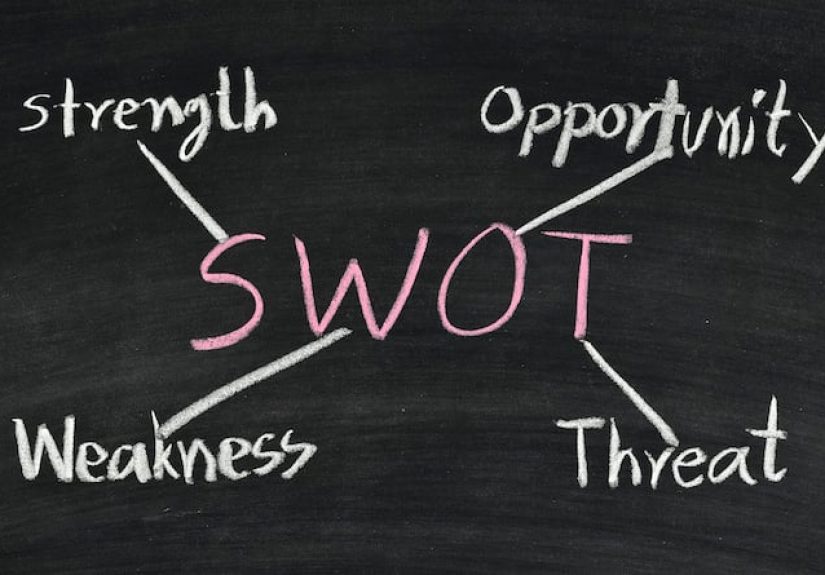
A SWOT analysis is a classic strategic planning tool used by businesses to step back and look at their situation from four angles:
- Strengths: What you’re doing well.
- Weaknesses: Where you’re struggling or under-resourced.
- Opportunities: External trends, gaps, or advantages you can leverage.
- Threats: External risks that could slow you down or push you backward.
Originally, SWOT was developed for high-level business and market planning, but it’s become a go-to framework across marketing, digital strategy, and even personal career development. When you apply it to content, you’re basically asking: “Given where we are and what’s happening around us, what kind of content will actually move the needle?”
Think of SWOT as a structured mirror. It forces you to look at the good, the bad, and the slightly embarrassing parts of your content program in the same place and then use that reality check to create smarter, more focused campaigns.
Why Bother Using SWOT for Content Strategy?
Content marketing has a big problem: it’s incredibly easy to be busy and not actually be effective. You can ship three blogs, two TikToks, a webinar, and a newsletter in a week and still have no idea whether any of it supported your business goals.
A content-focused SWOT analysis helps you avoid that hamster wheel by:
- Connecting content to business goals: Instead of “we should write about AI because everyone else is,” you ask, “how does AI content play into our strengths and target audience?”
- Making prioritization less political: When your strengths, weaknesses, and threats are mapped out, it’s easier to explain why one idea gets prioritized over another.
- Keeping you honest about performance: Weaknesses are where content ideas go to either improve the situation or stop the bleeding.
- Surfacing hidden opportunities: Sometimes the “weird” topics your small posts rank for are actually signals of an untapped opportunity.
- Preparing you for curveballs: Threats like new competitors, algorithm shifts, or changing customer behavior become input for your content roadmap, not just things you complain about on Slack.
In other words, SWOT makes your content strategy less about vibes and more about evidence.
Step-by-Step: How to Run a Content SWOT Analysis
You don’t need fancy software to do this. A whiteboard, spreadsheet, virtual canvas, or even a piece of paper works. What matters is the thinking, not the tool.
Step 1: Define a Clear Objective
A SWOT with no clear objective turns into a generic gripe session. Start by deciding what you’re analyzing:
- Your overall content marketing program for the next 12 months.
- A specific channel, like your blog, YouTube, or email newsletter.
- A specific campaign or initiative, like a product launch or a new vertical.
For example: “We are doing a SWOT analysis to improve our B2B blog strategy for the next 6–12 months.” That’s concrete enough to keep everyone focused.
Step 2: Gather Your Data
Good SWOTs are grounded in data, not just opinions. Before the workshop, pull:
- Analytics: Page views, organic traffic, rankings, conversions, engagement metrics, and content-assisted revenue or pipeline where available.
- Audience insights: Customer interviews, sales feedback, support tickets, search queries, and comments or reviews.
- Competitive intel: What your competitors rank for, what formats they use, how often they publish, and which content of theirs performs well.
- Market trends: Industry reports, trending topics, and changes in platforms or algorithms that affect content discovery.
You don’t need a full PhD-level research project, but you do need enough information to prevent “I feel like” from dominating the conversation.
Step 3: Map Internal Factors Strengths & Weaknesses
Internal factors are things you can directly control. For content strategy, think about:
- Team skills: Are you unusually strong at storytelling, design, video, SEO, or analytics?
- Resources: Budget, tools, freelancers, subject matter experts, and internal champions.
- Existing content assets: High-ranking pillar pages, strong email lists, evergreen content libraries, or engaged communities.
- Processes: Editorial workflows, approval speed, alignment with sales and product, and how you measure success.
Drop everything that counts as an internal advantage into the Strengths quadrant, and everything that holds you back into Weaknesses. Be specific. “We’re bad at SEO” is less useful than “We have no internal link strategy and haven’t updated key landing pages in two years.”
Step 4: Map External Factors Opportunities & Threats
External factors are things happening around you that you can’t control but can respond to:
- Opportunities: Fast-growing search topics, emerging platforms, new audience segments, content gaps your competitors haven’t filled yet, or changes in regulations or technology that make your expertise more valuable.
- Threats: Aggressive competitors, saturated keywords, shifting buyer behavior, platform algorithm changes, or declining engagement on a channel you rely on.
Good opportunities usually sound like, “We’ve noticed X trend and we are in a good position to serve it.” Threats often sound like, “If we don’t adjust, this will hurt us.”
What Each SWOT Quadrant Looks Like for Content
To make this more concrete, here’s how each quadrant might look in a real-world content SWOT analysis.
Strengths: The Content Superpowers
- Our blog posts on technical topics consistently rank in the top three search results.
- We have a product marketing team that loves being interviewed and providing insights.
- Our email newsletter has a 35% open rate and strong reply volume with real questions.
- We have in-house video and design talent, so we can produce high-quality multimedia content quickly.
These strengths point toward opportunities to double down on educational content, expert-driven pieces, and formats that showcase your internal talent.
Weaknesses: The Pain Points and Gaps
- We have no documented content strategy or style guide; every writer “wings it.”
- We rarely update or optimize old content, even when performance drops.
- We don’t track content’s influence on sales conversations or pipeline.
- Our publishing schedule is inconsistent bursts of content followed by weeks of silence.
Weaknesses help you identify the unglamorous but powerful projects: building a content operations foundation, updating legacy content, and improving measurement.
Opportunities: The Open Doors
- Competitors are ignoring long-tail, highly specific questions our customers are asking.
- There’s growing interest in a new use case our product serves, but we have only one high-level blog post about it.
- Industry research shows buyers trust brands that publish transparent benchmarks and case studies.
- Short-form video content in our niche is underdeveloped; search and social feeds have low-quality answers.
Opportunities suggest where you should place your bets new topics, formats, or angles that align with demand and your strengths.
Threats: The Incoming Storms
- Well-funded competitors are publishing daily, backed by strong PR and paid promotion.
- Organic reach on our main social channel is declining.
- AI-generated content is flooding generic keywords we used to rank for easily.
- Platform changes are making first-party data and owned content (like your website and email list) more critical.
Threats don’t mean panic they mean preparation. Your strategy should account for them proactively instead of reacting after you’ve lost ground.
Turning SWOT Insights into a Smarter Content Strategy
A SWOT analysis is useless if it ends as a pretty matrix saved in someone’s “Workshops” folder. The magic happens when you translate insights into a concrete plan.
1. Pair Quadrants to Create Strategic Themes
One popular way is to pair elements across quadrants:
- Use strengths to seize opportunities: “We’re strong at technical SEO content” + “There’s a gap in advanced guides for our niche” = Create a flagship resource center with expert-level content.
- Use strengths to mitigate threats: “We have a loyal email audience” + “Social reach is declining” = Invest in email-first content and treat social as a distribution bonus.
- Address weaknesses exposed by threats: “We don’t update content regularly” + “Competitors are outranking our older posts” = Launch a quarterly content refresh program.
- Turn weaknesses into opportunities: “No consistent content calendar” + “Customers ask for more how-to content” = Implement a structured editorial calendar focused on tutorials and demos.
Each of these pairings becomes a “theme” or strategic pillar you can build a roadmap around.
2. Prioritize with Impact vs. Effort
Not every idea deserves immediate execution. Plot your potential initiatives on a simple impact vs. effort chart:
- Quick wins: High impact, low effort updating high-traffic posts, improving CTAs, adding internal links.
- Strategic bets: High impact, high effort building a resource hub, launching a podcast, or producing a research report.
- Optimizations: Medium impact, medium effort refining your content brief template, improving analytics tagging.
- Time-wasters: Low impact, high effort content that doesn’t connect to your SWOT insights or business goals.
Then choose a small number of initiatives to focus on per quarter. A “smarter” content strategy is often just a more focused one.
3. Translate Themes into a Content Roadmap
Once you have your themes and priorities, map them into an actual plan:
- Define pillars (main topics) and clusters (supporting content) based on your opportunities.
- Assign owners, deadlines, and KPIs for each initiative.
- Decide on formats blog posts, videos, webinars, reports, email series, or social campaigns.
- Align with sales and product so your content supports real revenue-driving activities.
Congratulations you’ve just gone from “we should do more content” to “here’s the content we’ll do, why we’re doing it, and how we’ll measure success.”
A Mini Example: Content SWOT for a SaaS Blog
Imagine you run content for a mid-sized SaaS company focused on project management. Here’s a simplified snapshot:
Strengths: In-house experts, strong domain authority, high-performing how-to guides.
Weaknesses: No video content, weak bottom-of-funnel assets, inconsistent refresh of older posts.
Opportunities: Rising search interest in hybrid work and AI productivity tools; competitors have thin content on complex scenarios.
Threats: Big-name competitors increasing content production; search engines changing how they display AI-generated answers.
From this, you might decide:
- Launch a series of deep-dive guides on hybrid work workflows and AI-assisted project planning.
- Turn top blog posts into short explainer videos embedded on the page and repurposed for social channels.
- Create bottom-of-funnel assets comparison pages, ROI calculators, and industry-specific case studies.
- Implement a quarterly refresh cycle for your top 20 blog posts tied to revenue-driven journeys.
All of this emerged from a single, structured SWOT conversation not from a random idea thrown into a meeting five minutes before it ends.
Common SWOT Mistakes Content Teams Should Avoid
Even a simple framework can go off the rails. Watch out for these pitfalls:
- Being too vague: “We’re good at content” does nothing for your strategy. Force yourself to be specific.
- Confusing facts with opinions: “Our audience loves long-form content” should be backed by data, not just one enthusiastic LinkedIn comment.
- Ignoring the external world: If your Opportunities and Threats section is nearly empty, you’re not really doing a SWOT you’re journaling.
- Overstuffing the matrix: A list of 40 items in each quadrant is overwhelming. Focus on the top 5–7 that truly matter.
- Never revisiting the analysis: SWOT is not a one-time ritual. Revisit it at least annually, or whenever your market shifts significantly.
The goal isn’t to create the most detailed SWOT in history; it’s to create one that actually drives good decisions.
How Often Should You Revisit Your Content SWOT?
Most teams find value in revisiting their content SWOT:
- Annually: For big-picture planning and budget decisions.
- Quarterly: For fast-changing industries or channels where algorithms and trends shift rapidly.
- After major changes: A rebrand, new product line, major competitor launch, or big platform update are all good triggers.
Think of it as a strategic health check. If your content strategy hasn’t been questioned in over a year, there’s a good chance you’re operating on outdated assumptions.
Real-World Experiences: What Marketers Learn from Using SWOT
It’s one thing to say “SWOT is helpful.” It’s another to see how it changes the way teams actually create and manage content. Here are some lived experiences and patterns that show up when marketers use SWOT for content strategy over time.
1. The “We’re Not Who We Thought We Were” Moment
Many teams start a SWOT session convinced they know their strengths something like “We’re thought leaders.” Then they pull up their content and realize much of it is derivative, late to trends, or overly generic. The actual strength turns out to be something else: maybe the team is fast at shipping, or exceptionally good at visual explainers, or strong on niche technical topics but weak on broad thought leadership.
That moment of humility is uncomfortable but powerful. It shifts the content strategy from “let’s act like a thought leader” to “let’s double down on the formats and topics where we genuinely outperform.” That’s often where performance lifts start to compound.
2. Finally Getting Executive Buy-In
Another common story: the content team has been quietly warning that they’re understaffed, stretched thin, and relying on outdated tools but leadership doesn’t feel the urgency. When those issues show up clearly in the Weakness and Threat quadrants, backed by data and examples, it becomes much easier to make a business case.
Instead of pleading for “more content resources,” teams present a clear argument: “We’re leaving revenue on the table because we can’t capitalize on these Opportunities and defend against these Threats.” That framing is far more persuasive in budget conversations.
3. Discovering Hidden Content Gold Mines
SWOT sessions often involve digging into analytics. That’s when teams discover surprising strengths: an old blog post that still drives high-intent traffic, a niche webinar that quietly converts at a high rate, or a small email segment that’s far more engaged than the main list.
One team might realize that their highest-converting content is actually a scrappy FAQ page originally built for customer support. Another might notice that posts featuring deep how-to walkthroughs consistently outperform big, flashy trend pieces. These discoveries turn into deliberate strategic moves: building a robust knowledge base, expanding FAQ-style content, or creating more “boring but effective” tutorials.
4. Moving from Reactive to Proactive Content Planning
Many marketers live in “react mode”: reacting to product requests, sales asks, competitor launches, and campaign deadlines. A recurring SWOT analysis helps localize those requests within a bigger picture. Instead of asking, “Can we write this blog for next week?” the conversation shifts to, “Which SWOT theme does this idea support? Is it strengthening a pillar or just adding noise?”
Over time, this leads to a calmer, more predictable editorial calendar. The team still responds to urgent needs, but those requests get evaluated against clearly defined strengths, weaknesses, opportunities, and threats. Random asks that don’t fit the strategy become easier to say no to or at least to postpone.
5. Getting Comfortable with Letting Things Go
One of the hardest lessons marketers learn from SWOT is that some beloved content ideas or channels simply don’t deserve the effort anymore. Maybe a podcast never gained traction, or a social platform now underperforms compared with email, search, or partnerships.
When those realities show up under Weaknesses and Threats, teams can make cleaner decisions: pause the underperforming newsletter, sunset a low-impact content series, or shift resources into better-performing channels. Letting go of “nice-to-have” content frees up capacity for the kind of work that actually changes outcomes.
6. Building a Shared Language Across Teams
Finally, SWOT gives non-marketing teams a simple way to understand content strategy. Sales, product, and leadership may not care about canonical tags or scroll-depth metrics, but they can absolutely understand “strengths, weaknesses, opportunities, threats.”
Many marketers find that once they share a clear SWOT summary, cross-functional conversations become easier. Sales can point out opportunities they see with prospects. Product can call out upcoming threats or shifts. Content strategy turns into a shared, ongoing conversation instead of a mysterious black box.
In the end, the biggest “experience” marketers report is this: using SWOT regularly makes content feel less random and more intentional. It turns content from a task list into a strategic lever a way to out-teach, out-help, and out-communicate the competition in a structured, sustainable way.
Conclusion: Turn Your SWOT into a Living Content Compass
A SWOT analysis won’t write your blog posts, record your videos, or send your emails. But it will give you something even more valuable: clarity. Clarity about what you’re great at, what’s holding you back, where the best opportunities lie, and what’s quietly threatening your results.
Use that clarity to prioritize a few high-impact initiatives, build a realistic roadmap, and revisit your SWOT regularly as your market and audience evolve. Do that, and your content strategy stops being a guessing game it becomes a living, adaptable system that’s always grounded in reality.