Table of Contents >> Show >> Hide
- What is a hypophysectomy?
- Why might someone need this procedure?
- How doctors prepare for hypophysectomy
- How the procedure is done
- What happens right after surgery?
- Hypophysectomy recovery timeline
- Common complications and risks
- When to call the doctor right away
- What are the long-term outlook and alternatives?
- Experiences patients often describe after hypophysectomy
- Final thoughts
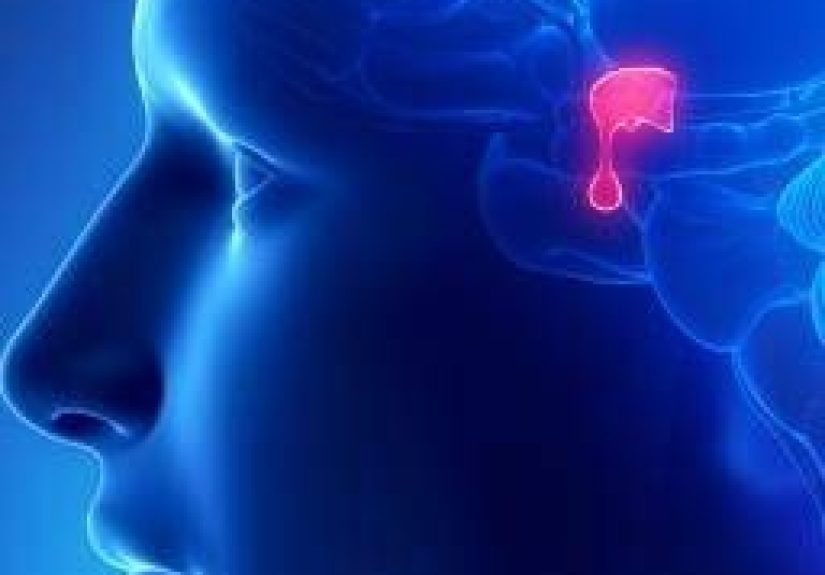
If the word hypophysectomy sounds like something a surgeon mutters while scrubbing in, you are not alone. It is one of those medical terms that looks intimidating until you break it down. The hypophysis is another name for the pituitary gland, the tiny but mighty hormone command center that sits at the base of the brain. A hypophysectomy refers to surgery on the pituitary gland, often to remove a tumor or abnormal tissue. In modern care, this usually means a minimally invasive operation performed through the nose rather than a dramatic skull-opening scene from a medical TV show.
That is the good news. The less-fun news is that pituitary surgery still requires precision, patience, and careful follow-up because this pea-sized gland helps regulate cortisol, thyroid hormones, growth hormone, fertility hormones, and water balance. In other words, it may be small, but it runs a very busy office.
This guide explains what a hypophysectomy is, why doctors do it, how the procedure works, what recovery is really like, and which complications patients and families should understand before surgery day arrives.
What is a hypophysectomy?
A hypophysectomy is surgery to remove part or all of the pituitary gland, or to remove a tumor arising in or pressing on it. In everyday practice, many clinicians and patient guides use the term alongside transsphenoidal pituitary surgery or endoscopic pituitary surgery. Most of the time, the goal is not to remove a healthy pituitary gland just for fun, obviously. The real goal is to take out a pituitary tumor or another lesion while preserving as much normal gland function as possible.
The pituitary sits in a bony pocket called the sella turcica, tucked behind the nose and below the brain. Because of that location, surgeons can often reach it through the nasal passages and sphenoid sinus. This approach is called transsphenoidal surgery. It has become the standard route for many pituitary operations because it avoids a visible scar, usually causes less disruption to surrounding tissue, and often leads to a shorter hospital stay.
Why might someone need this procedure?
Doctors may recommend a hypophysectomy when a pituitary tumor or nearby mass is causing problems that medicines or observation cannot adequately control. Common reasons include:
Pituitary adenomas
These are usually benign tumors, but “benign” does not always mean harmless. Some pituitary adenomas produce too much hormone. Others do not make hormones but grow large enough to compress the normal gland, the optic nerves, or nearby structures.
Hormone-producing tumors
Some pituitary tumors overstimulate hormone production and lead to disorders such as:
Cushing disease: excess ACTH drives the body to make too much cortisol.
Acromegaly: too much growth hormone can change facial features, enlarge hands and feet, and raise the risk of cardiovascular and metabolic problems.
TSH-secreting tumors: these can overstimulate the thyroid.
Some prolactin-related tumors: surgery may be considered when medicines do not work well or are not tolerated.
Large nonfunctioning tumors
Even when a tumor is not pumping out extra hormones, it can still create trouble by pressing on the optic chiasm and causing vision changes, headaches, or low hormone levels from compression of the normal gland.
Other sellar and parasellar lesions
Depending on the case, the same surgical corridor may be used for craniopharyngiomas, Rathke cleft cysts, and selected nearby lesions. The surgical plan depends on size, location, extension, and the relationship to critical nerves and blood vessels.
How doctors prepare for hypophysectomy
Good pituitary surgery starts long before anyone wheels a patient into an operating room. Preparation is thorough because the operation involves both anatomy and endocrinology.
Before surgery, patients often have:
Detailed bloodwork to measure hormone levels and check overall health.
MRI or CT imaging to map the tumor and surrounding structures.
Eye exams or visual field testing if the lesion is near the optic nerves.
A medication review, especially for blood thinners, aspirin, and certain anti-inflammatory drugs.
Instructions about fasting the night before surgery.
In some cases, additional specialized testing is needed. For example, when doctors strongly suspect Cushing disease but the tumor is tiny or hard to find on MRI, an experienced center may perform inferior petrosal sinus sampling to confirm that excess ACTH is really coming from the pituitary.
This is also the point where a multidisciplinary team matters. The best outcomes often come from centers where neurosurgeons, ENT or skull base surgeons, endocrinologists, neuroradiologists, and ophthalmologists work together instead of passing the chart around like a hot potato.
How the procedure is done
Most modern hypophysectomies are performed as endoscopic transnasal transsphenoidal surgery. That phrase is a mouthful, but the concept is pretty elegant.
Step 1: Anesthesia and positioning
The patient is placed under general anesthesia, so they are asleep for the operation. The surgical team positions the head carefully and uses imaging guidance when needed.
Step 2: Entering through the nose
The surgeon reaches the pituitary through one or both nostrils. A thin endoscope with a camera provides a magnified view on screens in the operating room. This allows access without external facial incisions.
Step 3: Passing through the sphenoid sinus
The team opens the sphenoid sinus to reach the bony area housing the pituitary gland. Then they open the sellar floor to expose the tumor.
Step 4: Removing the tumor or abnormal tissue
Using fine instruments, the surgeon removes the tumor while trying to preserve normal pituitary tissue, optic structures, and nearby blood vessels. In some cases, the surgeon removes the entire lesion. In others, partial removal is safer, especially if the mass extends into areas where aggressive resection could cause harm.
Step 5: Repairing the surgical site
To reduce the risk of a cerebrospinal fluid leak, the team may reconstruct the area with tissue grafts, fat, surgical sealant, or a nasoseptal flap. That reconstruction work is one of the reasons pituitary surgery today is more refined than many people expect.
When is an open craniotomy needed?
Not every tumor can be handled through the nose. Very large tumors or masses with complex extension into nearby brain tissue may require a transcranial approach. That is less common, but it remains an important option when anatomy refuses to cooperate.
What happens right after surgery?
After surgery, patients usually spend time in recovery and then move to a hospital room for close monitoring. Many people stay in the hospital for about 1 to 3 days, though the exact length depends on the tumor type, the complexity of surgery, hormone issues, and how the first postoperative days unfold.
The care team watches several things closely:
Urine output and thirst, because changes can signal diabetes insipidus or other water-balance problems.
Sodium levels, because low sodium can develop days after surgery.
Hormone levels, including cortisol and thyroid-related function.
Neurologic status and vision.
Nasal drainage, headache, fever, and other signs of complications.
Many patients are relieved to learn that pain is often manageable. Headache, sinus pressure, throat irritation from anesthesia, and nasal congestion are common. “Comfortable” may still be a stretch for some people, but this is generally not the kind of recovery that leaves everyone looking like they lost a boxing match.
Hypophysectomy recovery timeline
The first few days
It is normal to feel groggy, congested, and tired. Some people have bloody or thick nasal drainage. Mild headache is common. The medical team may ask patients to track fluid intake and output because unusual thirst and frequent urination can be early clues to hormone-related complications.
The first two to three weeks
This is when recovery starts to feel real. Fatigue can linger, especially if the tumor affected hormones before surgery or if hormone replacement is needed afterward. Nasal congestion and sinus headache often improve gradually over days to weeks. Many patients can return to desk-based work within a couple of weeks, but that is not a universal rule. Jobs involving heavy lifting, strenuous activity, or lots of bending may require more time.
The first month and beyond
Recovery is not just about the incision route. It is also about the endocrine system finding its footing again. Some patients need short-term hormone replacement. Others need long-term replacement if the normal pituitary gland does not recover. Follow-up may include lab tests, endocrinology visits, repeat MRI, and visual testing.
For patients treated for hormone-producing tumors, recovery can feel especially layered. The surgery may be over quickly, but the body can take much longer to adjust. A person with Cushing disease, for example, may feel wiped out as cortisol levels fall and replacement therapy is adjusted. In those cases, improvement is often real, but it is rarely instant.
Common complications and risks
Every surgery has risks, and pituitary surgery has a few famous ones. Knowing them is not meant to scare patients. It is meant to help them recognize warning signs early and choose experienced surgical teams.
1. Cerebrospinal fluid leak
This is one of the best-known complications. Because the pituitary sits near the membranes containing cerebrospinal fluid, that barrier can be opened during tumor removal. A leak may show up as clear watery nasal drainage, sometimes with a salty taste. Some leaks resolve with treatment, while others need another procedure to repair the area.
2. Diabetes insipidus or vasopressin deficiency
This complication happens when the body does not make or release enough vasopressin, the hormone that helps control water balance. Symptoms include excessive thirst and frequent urination. It can be temporary or, less commonly, long term. Either way, it is something the team monitors very closely right after surgery.
3. Delayed hyponatremia
Low sodium can develop several days after surgery and is a leading reason for readmission after pituitary operations. Symptoms may include nausea, vomiting, headache, dizziness, weakness, confusion, or even seizures in severe cases. That is why follow-up labs and discharge instructions matter more than many people realize.
4. Hypopituitarism
Sometimes the normal pituitary gland does not function well after surgery. That may lead to low levels of cortisol, thyroid hormone, sex hormones, or growth hormone. Some deficits are temporary. Others require lifelong hormone replacement.
5. Bleeding
Bleeding can occur during or after surgery. Major vascular injury is rare, but because the carotid arteries are nearby, this is one reason pituitary surgery should be performed by highly experienced teams.
6. Infection and meningitis
The risk is low, but it is not zero. Infection is more concerning when a cerebrospinal fluid leak is present. Fever, worsening headache, stiff neck, or declining mental status after surgery should be treated as urgent red flags.
7. Vision problems
Many patients have surgery specifically to protect or improve vision. Still, surgery near the optic nerves carries a small risk of visual changes if those structures are injured or compressed by postoperative bleeding.
8. Nasal and sinus issues
Congestion, sinus discomfort, crusting, drainage, smell changes, and ongoing nasal symptoms may occur during healing. These problems are usually temporary, but some patients need ENT follow-up for proper recovery of nasal function.
When to call the doctor right away
Patients recovering at home should contact their surgical team promptly for:
Clear watery drainage from the nose.
Heavy nosebleeds.
Fever or chills.
Severe headache that does not improve.
Nausea and vomiting that keep building.
Extreme thirst or very frequent urination.
Confusion, fainting, or unusual sleepiness.
New or worsening vision problems.
In recovery, the body can be annoyingly subtle right up until it is suddenly not subtle at all. When symptoms feel off, it is better to call early than to play the “maybe it will pass” game.
What are the long-term outlook and alternatives?
The outlook after hypophysectomy depends on the diagnosis, tumor size, whether the lesion invades nearby structures, whether it produces hormones, and how much normal pituitary function remains afterward. Many patients do very well, especially when treated at dedicated pituitary centers. Some are cured with surgery alone. Others need medicine, radiation, or additional surgery.
Alternatives to surgery depend on the type of lesion. Certain prolactinomas often respond well to medication. Radiation therapy may help when residual tumor remains or when surgery is not possible. Observation can be reasonable for selected small, asymptomatic lesions. The best treatment is not always the biggest treatment. It is the one that matches the biology of the tumor and the needs of the patient in front of the team.
Experiences patients often describe after hypophysectomy
Recovery from hypophysectomy is not only a medical process. It is also a lived experience, and that experience can be surprisingly uneven. Many patients say the emotional arc begins before the operation even starts. There is often the long diagnostic stretch, where something feels wrong but the problem is hard to pin down. Some people have headaches or vision changes. Others notice unexplained fatigue, weight changes, irregular periods, reduced libido, or symptoms that look unrelated until hormone testing ties the whole story together.
By the time surgery is scheduled, many patients feel two opposite things at once: relief that there is finally a plan, and fear that the pituitary gland sounds way too important to let anyone operate on it. Both feelings make sense. People commonly describe pre-op appointments as information overload with a side of panic-Googling. That is why clear counseling from the care team matters so much.
In the first days after surgery, the most frequently described sensations are not usually dramatic pain but rather pressure, congestion, mouth breathing, dry throat, interrupted sleep, and a deep tiredness that seems out of proportion to the size of the operation. Patients are often surprised by how “sinus-like” the recovery feels at first. Some also find the fluid monitoring oddly memorable. Few life experiences prepare you for a nurse asking detailed questions about how much you drank and exactly how often you peed, yet here we are.
As the first week turns into the second, people often begin to notice a split between surgical recovery and hormonal recovery. The nose may slowly improve, but energy, mood, appetite, thirst, and sleep can still feel unpredictable. For some patients, especially those treated for hormone-producing tumors, the body needs time to recalibrate. Someone recovering from Cushing disease may feel weak and emotionally wrung out even while moving in the right direction. Another person may feel better quickly because headaches ease or vision improves almost immediately. The range is wide, which is why comparing recoveries can be misleading.
Patients also frequently talk about the mental side of follow-up. Every lab draw can feel loaded. Every MRI can trigger anxiety. At the same time, many describe real relief when symptoms that had quietly taken over daily life begin to lift. Better vision, fewer headaches, improved blood pressure, more stable weight, or a sense that their brain is no longer fighting their body can make the slow parts of recovery feel worth it.
One of the most common themes in patient experience is that progress tends to come in steps, not a straight line. A good day may be followed by an exhausted day. A clear follow-up scan may still be accompanied by ongoing hormone management. That does not mean something is wrong. It means pituitary recovery is often less like flipping a switch and more like rebooting a complicated control panel one circuit at a time.
Final thoughts
Hypophysectomy sounds intense because, frankly, it is a serious operation. But it is also one of the clearest examples of how modern minimally invasive surgery can do remarkable work in a hard-to-reach place. For many patients, it offers the chance to remove a tumor, relieve pressure on vision, and reset damaging hormone imbalances through a route that leaves no visible scar.
The key is understanding that success is not measured only by what happens in the operating room. It also depends on expert imaging, thoughtful endocrine care, careful reconstruction, close monitoring, and realistic expectations about recovery. When patients know what the procedure involves, what healing really feels like, and which complications deserve urgent attention, the path forward becomes far less mysterious and a lot more manageable.