Table of Contents >> Show >> Hide
- Where Sơn Đoòng Is and Why It Matters
- What Entering Sơn Đoòng Actually Feels Like
- Why Sơn Đoòng Feels Like a Lost World
- The Expedition Is the Experience
- How Sơn Đoòng Compares to Other Famous Caves
- Practical Planning Tips for Future Explorers
- Why Protecting Sơn Đoòng Matters
- Final Thoughts
- Extended Experience: 500 More Words From Inside the Journey
- SEO Tags
Some trips give you souvenirs. Sơn Đoòng gives you a full-blown existential crisis about scale. You think you understand what a cave is until you step into one that has its own jungle, its own weather, and enough room to make a city block look underdressed. Hidden in central Vietnam’s Phong Nha-Kẻ Bàng region, Sơn Đoòng Cave is not just another bucket-list destination. It is the kind of place that makes even seasoned travelers go quiet for a minute, which is rare because travelers usually have at least twelve opinions and a drone.
This is why the story of exploring Sơn Đoòng feels bigger than a standard adventure travel article. It is about geology, endurance, conservation, and the very human desire to stand somewhere so astonishing that your brain politely resigns. If you have ever wondered what it would be like to walk inside the largest cave in the world, here is the deep dive, minus the muddy boots on your living room floor.
Where Sơn Đoòng Is and Why It Matters
Sơn Đoòng Cave sits inside the limestone wilderness of Phong Nha-Kẻ Bàng National Park in Vietnam, a region famous for karst mountains, underground rivers, and a vast network of caves. But even in a landscape already crowded with natural wonders, Sơn Đoòng still behaves like the overachiever in the room. It is widely recognized as the largest cave in the world by volume, and its main passage is so immense that comparisons with skyscrapers are not travel-writer exaggerations. In this case, the cave really is absurdly huge.
That distinction matters because people often confuse “largest cave” with “longest cave system.” Mammoth Cave in Kentucky is the longest known cave system on Earth, while Sơn Đoòng is celebrated for the sheer size of its chambers and passageways. In other words, Mammoth wins the marathon, but Sơn Đoòng absolutely dominates the heavyweight division. Both are impressive. One just happens to look like nature accidentally built a hidden planet underground.
From Local Discovery to Global Legend
The modern story of Sơn Đoòng begins with a local man, Ho Khanh, who found the cave entrance in 1990 while traveling through the jungle. He did not launch himself heroically into the darkness right away, and frankly, that was a reasonable choice. Wind, mist, and the roar of an underground river poured from the opening, which is not exactly a warm invitation. The cave was later located again and surveyed in 2009 by British-Vietnamese cavers, helping establish its global significance.
Once experts documented the cave’s dimensions, Sơn Đoòng quickly moved from local mystery to international obsession. Travel publications, documentary crews, scientists, photographers, and adventure junkies all started talking about the same thing: how could a place this gigantic remain largely unknown for so long? The answer is simple. It is remote, difficult to reach, and protected by the kind of terrain that discourages casual wandering. This is not a place you “pop into” after brunch.
What Entering Sơn Đoòng Actually Feels Like
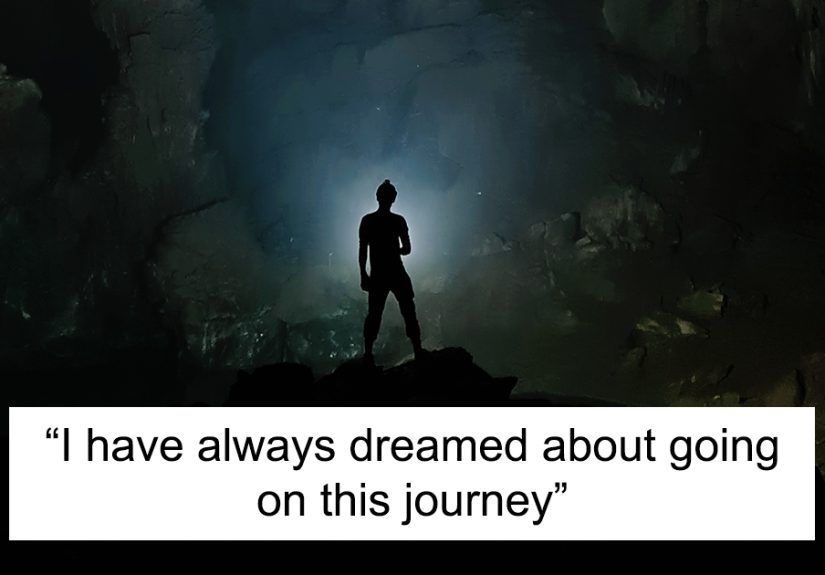
The best way to describe the first impression is this: your eyes do not trust what they are seeing. The walls rise so high that they stop behaving like walls and start feeling like weather. The cave ceiling disappears into shadow. Light slices through openings above. Water moves through the darkness with the steady confidence of a river that has been doing this for millions of years and does not care about your hiking playlist.
Then there is the silence, or at least the version of silence found in wild places. It is never truly quiet. You hear dripping water, distant echoes, air moving through vast chambers, and the soft scrape of boots on rock. Every sound feels magnified by the cave’s size. It is dramatic without trying. Hollywood would absolutely ruin it by adding too much music.
That emotional shift is what makes a Sơn Đoòng expedition unforgettable. At first, you are excited because you are in the world’s largest cave. Then, somewhere between a river crossing and a giant chamber, excitement turns into awe. The cave stops being a travel goal and becomes a physical experience of scale, age, and vulnerability. It reminds you that the planet has been busy making masterpieces long before humans started ranking them on social media.
Why Sơn Đoòng Feels Like a Lost World
Dolines, Jungle, and Cave Weather
One of Sơn Đoòng’s most fascinating features is its dolines, or collapsed sections of roof that allow sunlight to pour into the cave. These openings changed everything. Light reached the cave floor, plants took hold, and over time the result was a lush pocket of underground forest. Yes, an actual jungle inside a cave. Because apparently being the largest cave in the world was not enough, Sơn Đoòng also decided to collect bonus miracles.
These dolines create some of the cave’s most iconic scenes: shafts of sunlight, mist curling through the chamber, ferns and moss glowing against ancient rock, and an atmosphere that feels more like science fiction than geology. Travelers and photographers often describe the place as otherworldly, but that phrase almost undersells it. “Otherworldly” usually suggests fantasy. Sơn Đoòng feels real in the most overwhelming possible way.
The cave is also known for its own localized climate conditions. Because the space is so large and the underground river contributes moisture, clouds and fog can form within the cave itself. That is the kind of detail that sounds made up by an overly enthusiastic guide, but no, nature simply went wild here and never looked back.
Formations That Make You Feel Ridiculously Small
Inside Sơn Đoòng are enormous stalactites, stalagmites, cave pearls, and towering calcite formations shaped over immense spans of time. Some formations rise like stone skyscrapers. Others look like sculpted curtains, frozen waterfalls, or giant chess pieces designed by a moody architect with a limestone obsession. This is the part where every visitor becomes a photographer, even the ones who normally claim they “just like to be in the moment.”
Among the better-known features are massive stalagmites and the so-called “Great Wall of Vietnam,” a steep calcite barrier that expedition teams must climb with technical support near the later stages of the journey. It is not just beautiful; it is humbling. No matter how confident you felt packing your gear back at the hotel, this cave has a wonderful way of reminding you that you are a guest here.
The Expedition Is the Experience
Exploring Sơn Đoòng is not a sightseeing stroll. It is an expedition, and that distinction matters. You trek through jungle, cross rivers, navigate rocky terrain, and camp in an environment that feels thrilling precisely because it has not been overly polished for mass tourism. The journey into the cave is part of what makes arrival so meaningful. When a place asks something of you physically, you tend to appreciate it differently.
The expedition format also shapes the emotional rhythm of the trip. There is anticipation on the trek in, adrenaline during the more technical sections, wonder in the huge chambers, and then the strange calm of campsite evenings surrounded by stone walls older than your entire species’ terrible airport habits. A luxury resort can pamper you. Sơn Đoòng rewires your sense of perspective.
Why Access Is So Limited
Sơn Đoòng is not wide open to unlimited tourism, and that is a good thing. Access is carefully managed through a tightly controlled expedition model, with safety screening and strong conservation rules. Travelers are expected to be honest about their fitness and medical history, and booking often requires planning well in advance. The point is not to make the journey exclusive for drama. The point is to protect an extraordinary environment and keep people safe in a place where nature remains firmly in charge.
That balance between adventure and preservation is one of the most important parts of the Sơn Đoòng story. The cave became internationally famous, but it has not been transformed into a high-traffic theme park. That restraint is rare, and it deserves praise. Some wonders are better experienced with limits than loved to death by convenience.
How Sơn Đoòng Compares to Other Famous Caves
Many caves impress visitors with beauty. Others impress with complexity, depth, or scientific value. Sơn Đoòng does something trickier: it combines geological importance with cinematic spectacle. It has the scientific fascination of a major karst system, the visual drama of a fantasy landscape, and the adventure credentials of a true expedition. It is not merely pretty. It is structurally outrageous.
Compared with more accessible caves, Sơn Đoòng feels less like a tourist stop and more like a secret ecosystem. You do not just look at formations from a paved walkway and move on to the gift shop. You move through the cave’s environment, adapt to it, sleep near it, and leave with a new respect for how alive underground landscapes can feel. That is why so many travel writers, photographers, and explorers return to the same point: there are caves, and then there is Sơn Đoòng.
Practical Planning Tips for Future Explorers
Train Before You Go
If Sơn Đoòng is on your dream list, train for it like it matters, because it does. Build stamina for long hikes, uneven terrain, river crossings, and climbing sections. This is not elite-athlete territory, but it is also not “I walked around the mall twice” territory. Think functional fitness, endurance, balance, and comfort with outdoor conditions.
Respect the Environment
The cave’s fragility is part of its greatness. Follow all expedition rules, stay with your group, and treat the place as a living natural archive rather than a backdrop for content. The best travelers understand that being somewhere beautiful does not entitle them to leave a mark. Sometimes the most respectful thing a visitor can do is simply pass through carefully and remember they were lucky enough to be there.
Prepare for a Mental Shift, Not Just a Physical One
Most travelers plan gear. Fewer plan for awe. But Sơn Đoòng has a way of slowing people down. It can feel emotional, disorienting, and strangely calming all at once. Bring a camera if you like, but also bring the willingness to stop talking for a second and let the place hit you. Some destinations are best collected as memories first and content second.
Why Protecting Sơn Đoòng Matters
When a place becomes famous for being spectacular, the next temptation is usually scale it up, package it, and rush more people through it. Sơn Đoòng has already faced debates about how much tourism it should absorb and what kind of development belongs near such a rare site. Those debates matter because caves are not renewable experiences. Once damaged, formations do not simply bounce back in time for next season’s travel campaign.
Protection is not anti-tourism. It is smart tourism. Sơn Đoòng is valuable not because it can host crowds, but because it still feels wild, immense, and scientifically meaningful. Preserving that character ensures future explorers, researchers, and local communities can benefit from the cave without stripping away the very qualities that make it extraordinary.
Final Thoughts
I Explored Sơn Đoòng Cave In Vietnam, The Largest Cave In The World is the kind of title that sounds dramatic until you understand the place. Then it starts sounding understated. Sơn Đoòng is not just big. It is a lesson in geological time, ecological surprise, and human humility. It reminds travelers that the planet still holds places capable of overwhelming our expectations in the best way possible.
For adventure travelers, it is one of the most remarkable expeditions on Earth. For storytellers, it is a gold mine of imagery. For scientists and conservationists, it is a rare and precious environment worth protecting. And for everyone else, it is proof that even in a mapped, photographed, endlessly posted world, there are still corners of Earth that can make us feel gloriously, wonderfully small.
Extended Experience: 500 More Words From Inside the Journey
If I had to describe the emotional arc of a Sơn Đoòng expedition, I would say it begins with curiosity, mutates into sweat, and ends somewhere between gratitude and disbelief. The first hours are all about movement. You focus on the trail, the heat, the rhythm of your steps, the practical business of getting there. The jungle feels alive in the way only tropical wilderness can: dense, noisy, green, and slightly smug about your city-level fitness.
Then the cave entrance changes the mood completely. You do not merely arrive; you transition. The air cools. The light narrows. The sound of water becomes more distinct. Your body senses the shift before your brain fully catches up. This is the threshold moment, the part where the outside world starts feeling far away and the underground world begins to set the rules.
What surprised me most in thinking through the Sơn Đoòng experience is how often scale changes your behavior. Inside ordinary spaces, you move with confidence. Inside a chamber this vast, you move with respect. You look up more. You speak less. You stop trying to dominate the scene with your own plans and start adapting to the cave’s mood. It is strangely refreshing. Modern life is full of places designed to serve us. Sơn Đoòng does not serve you at all. It simply allows you in.
Camping near a giant chamber is another unforgettable part of the journey. There is something surreal about eating dinner, checking your gear, and settling into the evening while surrounded by stone formed over geological ages. The campsite does not erase the rawness of the environment; it just gives you a front-row seat to it. That balance is part of the magic. You are safe enough to sleep, yet wild enough to remember exactly where you are.
Morning in or near the cave’s brighter sections must be especially remarkable. The light changes the rock, mist softens the edges of the landscape, and the jungle patches seem to glow from within. It is the sort of view that no camera fully captures because scale is not only visual. It is physical. It sits in your chest. It changes how your body reads distance and silence.
And then there is the final emotional twist: leaving. Most adventure goals are about reaching the place itself, but Sơn Đoòng lingers hardest on the way out. Once you have walked through chambers the size of cathedrals, crossed rivers underground, and stood beneath openings where sunlight feeds hidden forests, regular landscapes feel almost suspiciously straightforward. Roads seem too tidy. Buildings seem too eager to explain themselves. Even your inbox looks smaller, which may be the cave’s most miraculous geological contribution to humanity.
That is why Sơn Đoòng stays with people. Not because it is famous, but because it rearranges your internal scale. After experiencing a place this immense, you do not just remember what you saw. You remember how tiny you felt, how alert you became, and how thrilling it was to enter a part of Earth that still feels gloriously beyond ordinary life.