Table of Contents >> Show >> Hide
- Why Raw, Unedited Stories Hit Different
- How to Share “Raw” Content Responsibly
- The Gallery: 19 Raw “Pics” + Unedited Stories
- Pic 1: “The Mirror Angle That Started It”
- Pic 2: “Stretch Marks Aren’t a Warning Label”
- Pic 3: “Acne on a Big Day”
- Pic 4: “The Scar That Became a Story”
- Pic 5: “Body Hair, Unapologetically”
- Pic 6: “When Your Face Isn’t Symmetrical”
- Pic 7: “The ‘Bad Posture’ Picture”
- Pic 8: “The Laugh Lines Close-Up”
- Pic 9: “Vitiligo, Freckles, and Skin Patterns”
- Pic 10: “The Gap / Teeth / Smile Anxiety”
- Pic 11: “Hands, Nails, and Tiny Details”
- Pic 12: “Height Insecurity”
- Pic 13: “Curly Hair, Frizz, and the Weather’s Opinion”
- Pic 14: “Scars From Acne or Childhood”
- Pic 15: “Disability Aids in the Frame”
- Pic 16: “The Post-Workout Reality”
- Pic 17: “The ‘I Look Tired’ Photo”
- Pic 18: “The Outfit That Didn’t ‘Flatter’”
- Pic 19: “The Unfiltered Group Photo”
- What These 19 Stories Have in Common
- How to Build a Healthier Relationship With Your Body (Without Turning It Into a Project)
- For Creators: Posting Raw Content Without Accidentally Hurting People
- of “Experience” Around This Topic
- Conclusion
If you’ve ever taken 37 selfies, zoomed in until you could count your pores like they’re rare coins, and then decided you suddenly need a whole new face…
congrats: you’re a regular human living in the Age of the Front Camera.
This post is a small rebellion against “perfect.” It’s a gallery of raw, unedited moments paired with honest storiesbecause the truth is,
most “flaws” are just normal body stuff that got unfairly promoted to “emergency” by filters, lighting tricks, and comparison culture.
Quick note before we scroll: this isn’t about judging anyone’s body (including your own). It’s about understanding body insecurities with
compassion, learning how social media messes with our brains, and practicing the kind of kindness that doesn’t come with a “before and after.”
Why Raw, Unedited Stories Hit Different
A curated feed can convince your brain that everyone else is living in permanent “good lighting.” But real bodies come with texture, asymmetry, scars, hair,
stretch marks, and days when your skin is doing a dramatic monologue. When you see unedited images, it gently resets your expectations.
The comparison trap is real (and super sticky)
Social platforms are designed to keep you lookingoften by showing you the most “idealized” images. That can lead to more appearance-based comparison,
and comparison tends to be a terrible interior decorator. It moves in and immediately rearranges your self-esteem.
Filters don’t just change photos; they can change “normal”
When smooth skin, snatched waistlines, and symmetry become the default online, normal human variation starts to feel “wrong.”
That’s not your fault. It’s a system that sells insecurity like it’s a subscription.
How to Share “Raw” Content Responsibly
- Consent first: If someone’s image is involved, they must clearly agree to it being shared.
- No body-shaming, even as a joke: Humor is welcome; humiliation is not.
- Keep details respectful: Don’t zoom in on someone’s “insecurity” like it’s a crime scene.
- Don’t turn bodies into “lessons”: The goal is connection, not commentary.
- Include support language: If your story touches on intense distress, encourage reaching out to a trusted adult or professional.
The Gallery: 19 Raw “Pics” + Unedited Stories
Below are 19 “photo cards.” Each one includes a short, unedited story and a takeaway. The “pics” are described in words so you can publish without
exposing real people or needing to show anyone’s body up close.
Pic 1: “The Mirror Angle That Started It”
Story: One person admits they only stand in mirrors at one specific anglebecause any other view feels “wrong.”
Takeaway: Angles don’t equal truth. Your body isn’t a screenshot; it’s a living thing in motion.
Pic 2: “Stretch Marks Aren’t a Warning Label”
Story: Someone shares how they spent years hiding stretch marks, then realized almost everyone they love has them too.
Takeaway: Stretch marks are common skin changes, not a character flaw.
Pic 3: “Acne on a Big Day”
Story: A teen shows up to an event with a breakout and thinks everyone will stare. Later, friends only remember the jokes and the dancing.
Takeaway: People notice your energy more than your skin. Your face is not the headline of your life.
Pic 4: “The Scar That Became a Story”
Story: Someone posts a scar they used to hide, then writes how it marks a moment they survived and grew beyond.
Takeaway: Scars can be reminders of healing, not just reminders of pain.
Pic 5: “Body Hair, Unapologetically”
Story: A person shares that they stopped treating body hair like a secret they must constantly erase.
Takeaway: Grooming is a personal choicenot a requirement for being acceptable.
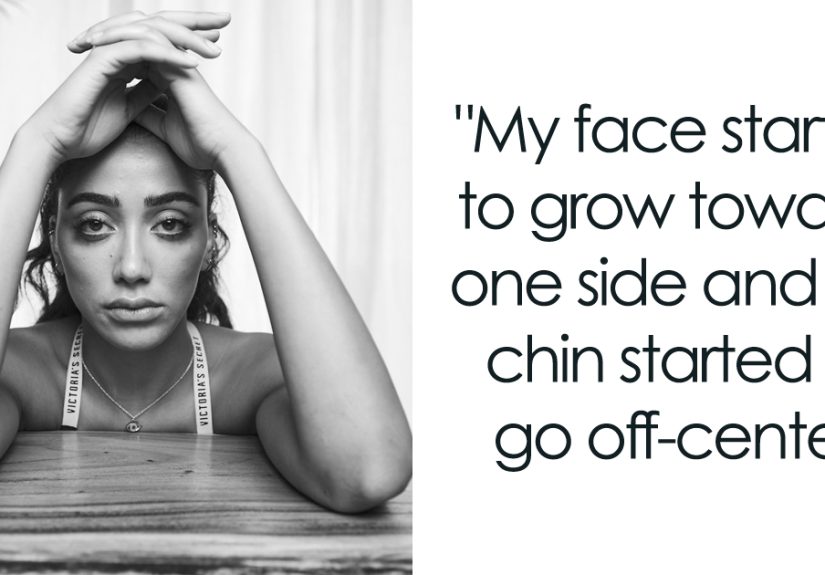
Pic 6: “When Your Face Isn’t Symmetrical”
Story: Someone confesses they hate how their face looks in selfies but feels fine in real life conversations.
Takeaway: Front cameras can distort. Your face is meant to be seen in 3D, not judged like a passport photo.
Pic 7: “The ‘Bad Posture’ Picture”
Story: A candid photo captures them slouching, and they spiral. Then they remember: bodies relax. That’s normal.
Takeaway: A relaxed body is not a failed body.
Pic 8: “The Laugh Lines Close-Up”
Story: Someone says they feared aging signsuntil they noticed their favorite people have them too, and it makes them look warm.
Takeaway: Some “imperfections” are proof you’ve actually lived.
Pic 9: “Vitiligo, Freckles, and Skin Patterns”
Story: A person shares how strangers used to ask awkward questions, but supportive friends helped them see beauty in uniqueness.
Takeaway: Skin patterns are part of human diversity, not something that needs “fixing.”
Pic 10: “The Gap / Teeth / Smile Anxiety”
Story: Someone hid their smile for years. Then they posted a candid photo laughingand got messages like, “Your joy is contagious.”
Takeaway: A real smile often looks better than a “perfect” one.
Pic 11: “Hands, Nails, and Tiny Details”
Story: A person feels embarrassed about their hands in photos. They start noticing hands as tools: cooking, building, comforting.
Takeaway: Your body is not just decoration; it’s function, connection, and capability.
Pic 12: “Height Insecurity”
Story: Someone feels “too tall” or “too short” depending on the room. Over time they learn: confidence is not measured in inches.
Takeaway: Height is just a number. Your presence is the real metric.
Pic 13: “Curly Hair, Frizz, and the Weather’s Opinion”
Story: They spend hours styling, then humidity arrives like a villain. They finally post the frizz and call it “the real forecast.”
Takeaway: Hair has personality. Let it be alive.
Pic 14: “Scars From Acne or Childhood”
Story: Someone shares old photos and admits they wish they could hug their younger self and say, “You’re not ruined.”
Takeaway: Healing takes time, and so does self-kindness.
Pic 15: “Disability Aids in the Frame”
Story: A person shows their mobility aid and says they used to crop it outuntil they realized it’s part of their life, not a flaw.
Takeaway: Accessibility tools are not “ugly.” They’re independence.
Pic 16: “The Post-Workout Reality”
Story: Someone shares a sweaty, red-faced photo and writes: “This is what effort looks like.”
Takeaway: Bodies change through the day. That’s biology, not failure.
Pic 17: “The ‘I Look Tired’ Photo”
Story: A candid photo catches eye bags. Instead of panic, they tell the truth: school, work, stresslife is heavy sometimes.
Takeaway: Tired is a state, not an identity. Rest is productive.
Pic 18: “The Outfit That Didn’t ‘Flatter’”
Story: Someone wore what they liked, not what fashion rules demandedand felt free for the first time in a while.
Takeaway: Clothes exist to fit you. You do not exist to fit clothes.
Pic 19: “The Unfiltered Group Photo”
Story: A group posts a photo with no edits. Everyone looks like a person. The caption: “We refuse to apologize for being real.”
Takeaway: Community can be the strongest filterone that makes you feel safe, not smaller.
What These 19 Stories Have in Common
1) Insecurities are usually loudest when you’re alone with a screen
A lot of people feel fine in real life but spiral while staring at a frozen image. That makes sense: photos flatten you into a single angle, a single moment,
and your brain starts inventing a whole personality for it.
2) The “fix” often isn’t changing the bodyit’s changing the story
Many insecurities aren’t about the feature itself. They’re about what you think it means:
“If I look like this, people will think I’m ______.” Raw storytelling breaks that spell.
3) Kindness is contagious (and so is cruelty)
Comment sections can be healing or harmful. If you’re publishing content like this, moderation matters. If you’re consuming it,
choose creators and communities that treat bodies like human beingsnot punchlines.
How to Build a Healthier Relationship With Your Body (Without Turning It Into a Project)
Practice media literacy like it’s a life skill (because it is)
- Ask: Who benefits from me feeling insecure right now?
- Remember: professional lighting, poses, editing, and filters are common onlineeven when it looks “natural.”
- Notice your triggers: certain accounts, trends, or comment sections that leave you feeling worse.
Curate your feed like you curate your room
You wouldn’t decorate your room with posters that insult you daily. Your feed shouldn’t do that either.
Follow accounts that celebrate diverse bodies, abilities, skin textures, and styleswithout shaming anyone else.
Switch from “body checking” to “body noticing”
Body checking is when you repeatedly search for flaws. Body noticing is neutral: “I’m tense.” “I’m hungry.” “I need water.”
Neutrality can be a bridge to appreciationwithout forcing fake positivity.
Talk to a trusted adult if insecurity turns into constant distress
If thoughts about appearance feel nonstop, lead to avoidance (skipping school, friends, photos), or make daily life harder,
that’s a sign you deserve extra support. A counselor, doctor, or therapist can help you untangle the pressure.
For Creators: Posting Raw Content Without Accidentally Hurting People
- Center the person, not the feature: tell the story of confidence, not a close-up of insecurity.
- Be careful with captions: avoid “I looked disgusting” languageyour audience may share that trait.
- Don’t frame acceptance as a glow-up: “I finally fixed it” can imply others need to fix theirs too.
- Moderate aggressively: delete cruelty. Block repeat offenders. Protect the community.
- Include reminders: bodies vary; filters lie; you are more than an image.
of “Experience” Around This Topic
When “raw photo” posts started showing up more often online, something interesting happened: people didn’t just comment on appearancesthey commented on
relief. It’s the kind of relief you feel when you walk into a room and realize you don’t have to perform. A raw image can do that.
It quietly says, “You can exhale here.”
In communities that share unedited stories, a pattern often shows up. The first wave of messages is usually fear: “I’m nervous to post.”
“What if people are mean?” “What if this makes my insecurity worse?” Then comes the second wave: tiny acts of bravery. Someone posts anyway.
Another person replies with something simple and human“Me too.” That “me too” is surprisingly powerful. It doesn’t force confidence. It offers company.
The third wave is where the real change happens: reframing. People start writing about what their bodies do, not just how they look.
You’ll see comments like, “These legs carried me through a hard year,” or “This scar reminds me I recovered,” or “My skin has had rough seasons,
and I’m still here.” It’s not a cheesy montage. It’s a practical shift from appearance-as-worth to body-as-life.
There’s also a behind-the-scenes reality: raw projects require boundaries. People learn to choose what to share, when to step back,
and how to protect their mental space. Some creators set rules like: no zoom-ins, no “rate my body” language, and no comparison games.
Others build a culture of “no fixing” in the comments. Instead of advice like “Try this to change that,” the feedback becomes:
“You look like a person,” “I’m glad you told the truth,” “You deserve kindness.”
And yes, humor helps. Healthy humor doesn’t target bodiesit targets the absurd expectations. People joke about how lighting can turn you into a movie star
or a potato in two seconds. They joke about how cameras can capture a blink that looks like you’re mid-sneeze, and suddenly you’re questioning your entire
existence. Laughing at the systemthe perfection pressurecreates distance from it. It reminds you the problem isn’t your face or your skin or your
body. The problem is the idea that you have to look “edited” to be treated with respect.
If you take one thing from these stories, let it be this: confidence doesn’t always arrive as a dramatic breakthrough. Sometimes it shows up as a smaller,
quieter habitlike speaking to yourself with basic fairness, following kinder accounts, or refusing to insult your reflection.
That’s real progress. That’s the kind that lasts.
Conclusion
Raw photos and unedited stories don’t magically erase body insecuritiesbut they do something equally important: they challenge the lie that you’re the only
one struggling. Seeing real skin, real texture, real emotions, and real honesty helps rebuild a healthier “normal.”
If your feed makes you feel smaller, change it. If your self-talk is cruel, interrupt it. And if your appearance worries feel heavy and constant,
tell someone you trust. You deserve support that’s bigger than a filter.