Table of Contents >> Show >> Hide
- What Is an Ingrown Nose Hair (and Why Your Nostril Is So Mad)?
- Why Ingrown Nose Hairs Happen
- Symptoms: What’s Typical vs. What’s a Red Flag
- At-Home Treatment Tips (Safe Moves That Actually Help)
- When to See a Clinician (and What Treatment Might Look Like)
- Prevention: Keep the Filter, Lose the Drama
- Quick FAQ
- Conclusion
- Experiences: What This Looks Like in Real Life (and What People Usually Learn)
- Experience #1: “I plucked one hair and started a whole situation.”
- Experience #2: “I thought it was a pimple, so I tried to pop it.”
- Experience #3: “It kept coming back until I changed my grooming method.”
- Experience #4: “My allergies were the real trigger.”
- Experience #5: “I waited too long, and it turned into a bigger infection.”
There are a lot of indignities in life, but a sore bump inside your nostril ranks surprisingly high. It hurts when you
breathe, it hurts when you smile, and it somehow always shows up right before a photo, a date, or a big presentation.
If you’re dealing with an ingrown nose hair, you’re not aloneand the good news is that most cases are
very treatable once you stop doing the one thing your nostrils have been begging you not to do: attacking them with
tweezers like you’re defusing a bomb.
This guide breaks down what an ingrown nose hair is, why it happens, what you can safely do at home, when it’s time
to call a clinician, and how to prevent the problem from coming back. (Because honestly, your nose deserves a break.)
Note: This article is for general education, not medical diagnosis. If symptoms are severe, worsening, or you have
health conditions that raise infection risk, get professional care.
What Is an Ingrown Nose Hair (and Why Your Nostril Is So Mad)?
An ingrown hair happens when a hair grows back into the skin instead of outward. On your body, this often
shows up after shaving or waxing. In your nose, it can happen after plucking, trimming too close, or irritating the hair
follicle. The result is inflammationsometimes with a tender, pimple-like bump.
Inside the nostril, the “skin” is delicate and packed with hair follicles. When one of those follicles gets irritated
or infected, it can look and feel like:
- A painful red bump or “pimple” just inside the nostril
- Swelling and tenderness at the rim of the nose
- Crusting or scabbing near the opening
- A small pustule (a bump with a bit of pus)
Two related terms you might see online:
-
Folliculitis: inflammation (sometimes infection) of a hair follicle. It can happen anywhere hair grows,
including the nasal vestibule (the front part of the nostril). -
Nasal vestibulitis: an infection in the nasal vestibule, often linked to irritated follicles and minor
trauma like nose picking, excessive blowing, or hair plucking.
Translation: an “ingrown nose hair” can be a simple irritated follicle, or it can overlap with folliculitis/vestibulitis,
especially if bacteria get involved. The care approach is similar at firstgentle, clean, hands-offwhile watching for
infection signs.
Why Ingrown Nose Hairs Happen
Nose hairs aren’t there to ruin your close-up selfies. They’re tiny filters that help trap dust and particles.
When you remove them aggressively, you can irritate or damage the follicleand that’s when the drama starts.
1) Plucking or waxing (the biggest troublemaker)
Plucking pulls the hair out from the root, which can cause micro-tears, bleeding, and inflammation. As the follicle
heals, the hair may grow back in a weird directionor bacteria can sneak in and cause an infection. Trimming is generally
considered safer than plucking for this reason.
2) Trimming too close (or with dull tools)
Cutting a hair extremely short can leave a sharp tip that irritates the follicle or curls back toward the skin. Dull or
dirty scissors/trimmers also increase irritation and introduce germs.
3) Lots of rubbing, blowing, or picking
Seasonal allergies, colds, and long-running runny noses can inflame the nasal lining. Constant blowing and wiping can
irritate folliclesespecially if you’re also picking at crusts or bumps.
4) Dry air and cracked skin
Winter air, air conditioning, and low humidity can dry the nasal lining. Dry, irritated skin is more likely to crack,
scab, and get inflamed around follicles.
5) Higher infection risk situations
If you have diabetes, immune system issues, or frequent skin infections, a minor follicle problem can escalate faster.
That doesn’t mean you’re doomedit just means you should be quicker to get help if symptoms worsen.
Symptoms: What’s Typical vs. What’s a Red Flag
Common, “probably uncomplicated” symptoms
- Tender spot or bump inside one nostril
- Mild redness and swelling near the opening
- Crusting/scabbing at the rim of the nose
- Discomfort when touching your nose or blowing it
Signs you may be dealing with an infection (get checked)
- Increasing pain, swelling, warmth, or spreading redness
- Pus drainage or a boil-like lump
- Fever or feeling generally unwell
- Swelling spreading into the face (especially around the nose/upper lip/cheek)
- Symptoms that don’t improve after a few days of gentle care
Urgent warning signs (don’t “wait it out”)
Infections around the nose sit in what clinicians sometimes call the “danger triangle” of the face (roughly from the
corners of the mouth to the bridge of the nose). Serious complications are uncommon, but because veins in this area can
connect deeper into the head, it’s smart to treat escalating infections promptly.
Seek urgent care if you have:
- Rapidly worsening swelling/redness, especially spreading toward the eyes
- Severe headache, vision changes, confusion, or high fever
- A large, very painful boil (furuncle) or facial swelling
At-Home Treatment Tips (Safe Moves That Actually Help)
Most mild cases improve with simple care. The goal is to reduce inflammation, keep the area clean, and let the hair and
follicle calm downwithout turning your nostril into a construction site.
Step 1: Stop the irritation (yes, put down the tweezers)
Avoid plucking, aggressive trimming, or “checking it” every 10 minutes. Repeated trauma delays healing and increases the
chance of infection.
Step 2: Use warm compresses
Warm compresses can soothe tenderness and encourage drainage if a follicle is clogged.
Try this:
- Soak a clean washcloth in warm (not hot) water.
- Hold it gently against the outside of the nostril for 10–15 minutes.
- Repeat 3–4 times a day.
Step 3: Keep it gently clean
Wash your hands before touching your face. If there’s crusting near the nostril opening, use a warm, damp cloth to soften
itdon’t rip it off. If you use a saline spray, aim for comfort, not force. Gentle is the theme.
Step 4: Don’t pop it, squeeze it, or “dig out” the hair
A bump inside the nose is not the place for at-home surgery. Digging with a nail, tweezer, or pin can cause bleeding,
worsen swelling, and push bacteria deeper.
Step 5: Manage discomfort safely
If you need pain relief, consider over-the-counter options you can take by mouth (as directed on the label and appropriate
for you). Avoid putting random creams inside your nostrils unless a clinician has recommended that product for nasal use.
Step 6: Give it a timeline
If it’s mild, you should see improvement in a couple of days. If it’s getting worse, spreading, or not improving after
several days of gentle care, it’s time to get medical advice.
When to See a Clinician (and What Treatment Might Look Like)
If a clinician suspects nasal vestibulitis, folliculitis, or a small boil, they may recommend
treatment based on severityoften starting with topical therapy and escalating if needed.
Possible medical treatments
-
Topical antibiotic ointment prescribed for inside-the-nose use (commonly discussed options include
mupirocin in some clinical references). - Oral antibiotics if there’s spreading infection, significant swelling, fever, or deeper boils.
- Drainage (performed by a professional) if there’s an abscess or large furuncle.
Important: The nose is a sensitive area, and not every over-the-counter ointment belongs inside it. If you think you have
a true infection (worsening pain, pus, spreading redness), get evaluated rather than experimenting.
Prevention: Keep the Filter, Lose the Drama
Preventing ingrown nose hairs is mostly about choosing the least chaotic hair-removal method and keeping nasal skin calm.
Trimdon’t pluck
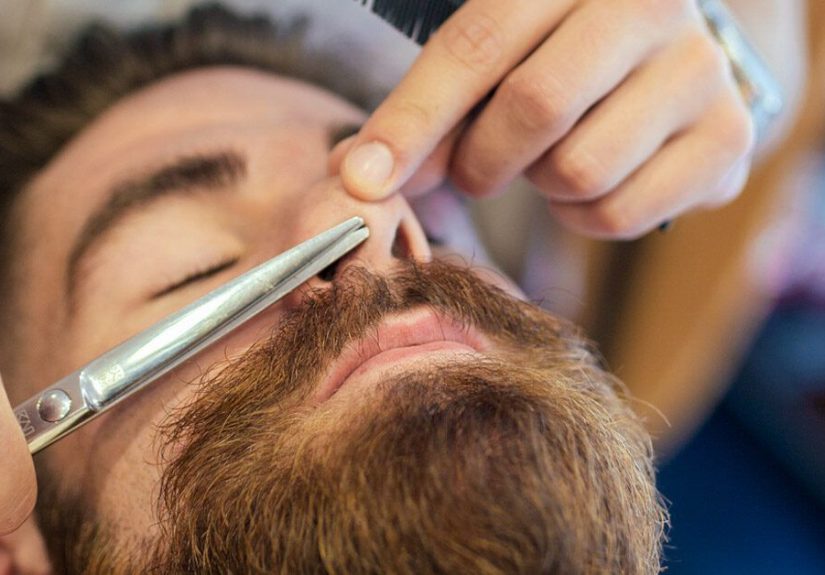
If your nose hairs are visible outside the nostril, trim them with small grooming scissors or an electric nose-hair trimmer.
Avoid going “bald.” You want to shorten the hairs, not erase your natural air filter.
Use clean tools (because bacteria love a dirty trimmer)
- Clean scissors or trimmer heads per the manufacturer instructions.
- Don’t share nose-hair tools.
- Replace dull bladesdull cuts can irritate skin.
Don’t irritate the nasal lining
If allergies or colds are causing constant wiping and blowing, focus on calming the underlying irritation. Less rubbing
means fewer angry follicles.
Address dryness the safer way
If your nose feels dry, consider:
- Using a humidifier in dry seasons
- Saline sprays or nasal gels made for nasal moisture
- Staying hydrated
What about petroleum jelly? Some medical guidance notes that long-term or frequent intranasal use can, in rare cases, be
inhaled and contribute to lung inflammation (exogenous lipoid pneumonia). If you’re relying on it often, ask a clinician
about safer alternatives.
Hands off (yes, even when it’s crusty)
Nose picking and “crust hunting” are major triggers for irritation and infection. If you have a scab near the opening,
soften it with moisture and let it detach naturally.
Quick FAQ
How long does an ingrown nose hair last?
Mild irritation may improve within a few days with warm compresses and hands-off care. If infection develops, it can last
longer and may require prescription treatment.
Can it be staph?
Staph bacteria commonly live on skin and can colonize the nose without causing problems. But if a follicle gets injured,
bacteria can sometimes cause folliculitis or vestibulitis. Worsening redness, pus, and spreading swelling are reasons to get checked.
Should I try to pull the hair out once I see it?
Inside the nose, it’s best not to. The risk of bleeding and infection goes up fast when you start digging around in a tender
follicle. If you can clearly see a loose hair at the edge of the nostril, gentle trimming is safer than plucking.
Is it just a pimple inside my nose?
Sometimes it’s acne-like irritation; other times it’s folliculitis/vestibulitis. Because infections in the nose can escalate,
treat persistent or worsening bumps seriouslyespecially if there’s pus, swelling, or fever.
Conclusion
An ingrown nose hair is small but mighty: it can make your entire face feel offended. Most cases are caused by
plucking or irritation and can improve with warm compresses, gentle hygiene, and leaving the area alone. The big keys are
not digging, not squeezing, and not repeating the thing that triggered it.
If symptoms worsen, spread, produce pus, or come with feveror if you have health conditions that raise infection riskget
medical care. For prevention, trim instead of pluck, keep tools clean, manage nasal dryness wisely, and let your nose hairs
do at least some of the job they were hired for.
Experiences: What This Looks Like in Real Life (and What People Usually Learn)
The internet loves a dramatic story, but most “ingrown nose hair” experiences follow a handful of familiar patterns.
Below are common real-world scenarios people reportshared here as educational examples so you can recognize the trap
before you fall into it (again).
Experience #1: “I plucked one hair and started a whole situation.”
Someone notices a single nose hair that’s feeling a little too confident. They pluck it. There’s a tiny sting and maybe
a little spot of blood. No big dealuntil the next day, when the nostril feels sore and swollen. They check a mirror and
see a red bump just inside the opening. It hurts to blow their nose, and touching the tip of the nose feels like pressing
on a bruise.
The lesson most people learn here is simple: plucking can irritate the follicle, and irritation inside the
nose tends to feel worse than irritation elsewhere because every breath moves that tissue. In many mild cases, warm compresses
and leaving it alone helps it settlewhile repeated “let me just see if it’s still there” poking makes it linger.
Experience #2: “I thought it was a pimple, so I tried to pop it.”
Another common story: a bump forms and looks like a whitehead. The person tries to squeeze itbecause that’s what humans do
when confronted with a bump that has audacity. It’s painful, it doesn’t really work, and afterward the area is redder and more
swollen. Sometimes it starts crusting. Sometimes it drains a little and then gets angrier.
The takeaway: the inside of the nose is not pimple territory. Squeezing can push irritation deeper, increase
swelling, and raise the risk of infection spreading. People who back off and switch to warm compresses and gentle cleaning
usually report quicker improvement than those who keep “working on it.”
Experience #3: “It kept coming back until I changed my grooming method.”
Some people don’t get one ingrown hairthey get a repeat subscription. The pattern often involves frequent plucking or trimming
extremely short. Over time, follicles stay irritated and bumps reappear in the same general area.
The change that typically helps is boring (which is how you know it works): switching to an electric trimmer, trimming only the
hairs that actually stick out of the nostril, and cleaning the trimmer head regularly. Instead of trying to eliminate nose hair,
they aim to reduce visibility while keeping the protective function. Recurrence often drops when the follicles
stop being traumatized.
Experience #4: “My allergies were the real trigger.”
Some people assume grooming caused the bump, but their bigger issue is constant nasal irritation: seasonal allergies, frequent
tissues, and nonstop wiping. The skin at the nostril opening becomes dry and cracked, and follicles get inflamed. Then a hair
gets trapped andboompainful bump.
In these cases, people often improve faster when they address dryness (humidifier, saline moisture, gentler wiping) and get
better control of allergy symptoms. The nostrils calm down, the skin barrier recovers, and follicles behave better.
Experience #5: “I waited too long, and it turned into a bigger infection.”
This scenario is less common, but important. A small sore spot becomes a larger, boil-like lump. Swelling spreads, pain increases,
and sometimes there’s pus or fever. People often describe a moment where they realize it’s no longer “just annoying”it’s actively
getting worse. That’s the point where professional evaluation can prevent complications and shorten the overall misery.
The practical lesson: if an ingrown nose hair looks infected or isn’t improving after a few days of gentle care, get help.
Early treatment can keep a small problem from becoming a face-level event.