Table of Contents >> Show >> Hide
- The Real Inspiration Behind the Greenhouse Table
- Why Oslo Is the Perfect City for This Kind of Dinner
- The Greenhouse as a Dining Room
- What Would Be on the Table?
- The Social Magic of Eating in a Field
- What This Kind of Dinner Says About Modern Luxury
- Into the Field: The Experience, Extended
- Conclusion
Some dinners are memorable because the food is excellent. Others stick because the room is beautiful, the company is lively, or the wine arrives at exactly the moment your personality becomes much more interesting. A dinner in an Oslo greenhouse manages to do all of that at once. It turns a meal into a small act of theater: glass walls, candlelight, cold air pressing from the outside, warm conversation swelling within, and a table dressed like autumn itself got promoted to maître d’.
The phrase “dinner in a greenhouse” sounds trendy enough to make your phone want to take pictures before you do. But in Oslo, the idea feels less like a gimmick and more like a logical extension of the city’s food culture. This is a place where local ingredients matter, seasons are treated like honored guests, and the line between cultivated landscape and dining room can get deliciously blurry. In that sense, Into the Field: A Dinner in an Oslo Greenhouse is not just about one pretty event. It is about how Oslo turns nature into atmosphere, agriculture into hospitality, and restraint into luxury.
The Real Inspiration Behind the Greenhouse Table
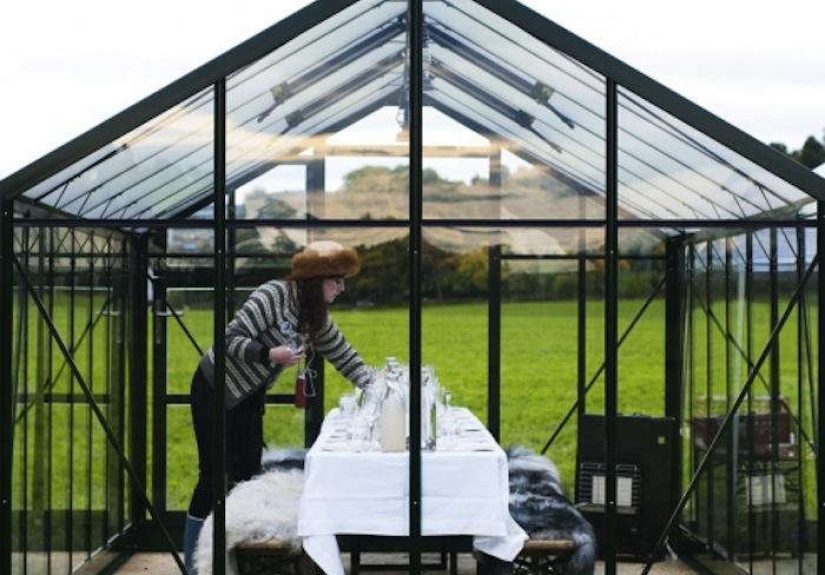
The image that inspired this story came from a real event in Oslo: a late-September dinner organized by Food Studio at Kongsgården in Bygdøy, near the old royal residence. Guests arrived in the early evening, toured a biodynamic garden, tasted produce straight from the plants, pickled beets in a traditional style, and then moved into a greenhouse set in the field for a five-course dinner built around local, seasonal ingredients. The setup was both rustic and carefully staged, with candles, pumpkins, sheepskins, Norwegian sweaters, and a glowing path leading guests through the darkening landscape.
That combination is what makes the idea so irresistible. The event was grounded in real work: gardening, harvesting, preserving, cooking, hosting. Yet it also embraced the visual poetry of Scandinavian entertaining. The greenhouse sat on pallets in the middle of a field. The table felt intimate but not fussy. The food leaned local and seasonal without sounding like it was applying for a sustainability award every five minutes. In other words, it was deeply Nordic in the best way: practical, beautiful, and not remotely interested in showing off, even though it absolutely could.
Why Oslo Is the Perfect City for This Kind of Dinner
Oslo has spent years building a reputation as one of the most interesting food cities in the Nordic region. The city’s dining scene is shaped by the values of New Nordic cuisine: purity, freshness, seasonality, ethics, and a close relationship between cooking and place. Those ideas are not just chef slogans polished for menus with tiny fonts. They are woven into the wider culture of Oslo, where urban farming, local sourcing, and greener hospitality have become visible parts of the city’s identity.
That matters because a greenhouse dinner only works when the setting reflects a larger food philosophy. Oslo has that foundation. Urban farming initiatives such as Losæter help connect city residents with food production. Bygdøy’s gardening culture adds another layer, offering spaces where vegetables, herbs, flowers, fruits, and berries are not decorative background noise but part of an ecosystem of learning and eating. Even the city’s current restaurant scene continues this pattern, with respected kitchens emphasizing local ingredients, seasonal menus, and lower-waste approaches. In Oslo, the greenhouse is not a quirky prop. It is a fitting room for the city’s culinary personality.
The Greenhouse as a Dining Room
Let’s talk about the room, because in this case the room is almost a character. A greenhouse dining space creates a fascinating tension: it is transparent but enclosed, rustic but elegant, exposed to the landscape but still protective. You are technically indoors, but only just. The weather remains part of the meal. Twilight matters. Rain matters. The smell of damp soil matters. If a regular dining room says, “Welcome, relax,” a greenhouse says, “Welcome, and please notice the sky doing something dramatic over your shoulder.”
That tension is especially powerful in Norway, where climate is never just background scenery. A greenhouse becomes an in-between world, softening the edge of the cold while keeping the natural setting close enough to feel alive. It is easy to understand why greenhouse architecture has such a hold on the Scandinavian imagination. In Norway, glass structures have long symbolized a kind of cultivated defiance: the wish to grow, gather, and thrive in a landscape that can be generous one moment and meteorologically opinionated the next.
For a dinner party, this produces instant atmosphere. Candles glow brighter against glass. Wool blankets and sheepskins stop looking like décor and start looking like wisdom. Steam from hot dishes feels cinematic. A table of guests becomes its own warm ecosystem. Everyone appears slightly more poetic in candlelight, which is fortunate, because most of us are not bringing our best angles to a field in autumn.
What Would Be on the Table?
A proper Oslo greenhouse dinner should taste like the landscape without reducing it to a cliché. That means no silly “Viking feast” nonsense and no menu written like a forestry dissertation. The real charm of the original event was that the meal sounded deeply rooted and highly edible: pickled mussels, pumpkin gnocchi, fish dumplings made from several kinds of fish, goose, smoky apples, oatmeal cream, rhubarb juice, beer, coffee, and conversation that probably lasted longer than anyone planned.
That menu captures something essential about Norwegian and broader Nordic food traditions. They are often built on preservation, contrast, and respect for ingredient quality. Pickling, smoking, curing, and fermenting are not museum techniques dragged out for tourism. They remain useful, flavorful ways of cooking in a region where seasonality has always been real. The result is a style of dining that can feel both ancient and current: bright pickles against rich meat, creamy grains alongside sharp fruit, herbs and roots doing more work than imported luxury products ever could.
If I were building the ideal menu for a modern feature on this theme, I would keep that same spirit. Start with warm soup or a small bite using root vegetables and garden herbs. Follow with seafood that tastes cold-water fresh and barely interrupted. Bring in mushrooms, cabbage, or squash at the moment when guests begin to realize they are very happy they wore actual sleeves. End with apples, berries, cream, oats, or brown butterdesserts that feel like autumn rather than sugar trying to start a nightclub.
The Social Magic of Eating in a Field
The hidden genius of a greenhouse dinner is that it gently rearranges people’s behavior. In a formal dining room, guests often arrive ready to perform. In a field, after a garden walk and a little weather, they arrive ready to participate. They have seen the produce. They have felt the chill. They have probably carried a jar of pickled beets at some point. Suddenly the meal is not just served to them; they have entered it.
That shift creates a different kind of hospitality. It feels less transactional and more communal. Guests are not simply consuming a beautiful evening; they are helping complete it. The table becomes a shared response to the land around it. That may sound lofty, but it also means people loosen up. They laugh more. They ask better questions. They stop pretending not to care where the carrots came from. The setting encourages curiosity without preaching, and that is harder to pull off than a lot of restaurants would like to admit.
This is also why the greenhouse dinner photographs so well without becoming empty social-media bait. The visuals are strong, yes, but the beauty comes from coherence. The sweaters, candles, pumpkins, timber, glass, and field are all telling the same story. Nothing feels random. Even the darkness participates. The whole evening says: this is what happens when design, food, weather, and season all agree to work the same shift.
What This Kind of Dinner Says About Modern Luxury
One reason this idea remains so compelling is that it reflects a bigger change in how people define luxury travel and dining. The old version of luxury was distance from ordinary life: rare ingredients, polished silver, rooms so formal you worry about breathing incorrectly. The newer version is intimacy with place. It values specificity, seasonality, and a sense that the experience could only happen here.
An Oslo greenhouse dinner delivers that beautifully. It is luxurious not because it is excessive, but because it is precise. The location matters. The harvest matters. The timing matters. The weather matters. The materials matter. Even the little discomforts matter, because they heighten the sense of being present. When you need a sweater to enjoy your dinner, the dinner has already become more memorable than half the tasting menus on earth.
That is the real elegance of the concept. It does not fight nature; it collaborates with it. It uses local food not as branding, but as logic. It creates beauty without sanding away the rough edges. And in a city like Oslowhere green spaces, culinary ambition, and thoughtful design keep crossing pathsthat kind of meal feels wonderfully at home.
Into the Field: The Experience, Extended
Imagine arriving just before five, when the Oslo light has started its slow, theatrical dimming. The field is damp, the air is crisp, and the greenhouse sits ahead like a lantern that decided to become architecture. There is mud on the ground, which is charming for exactly the first six seconds and then becomes a practical concern. Someone hands you something warm in a cup. Instantly, you forgive the weather for being itself.
You walk through rows of edible growth that look half cultivated, half enchanted. Herbs release their scent if your sleeve brushes them. Leaves hold the day’s moisture. A gardener points out what is thriving, what was stubborn, what tastes best raw, and what needs frost to become fully itself. This is not the sterile perfection of a luxury hotel buffet. It is better. It feels lived in, seasonal, and honest. The tomatoes are not here to flatter you. The kale is not seeking approval. Everything has a job, and your job is to pay attention.
Back indoors for a moment, there is chatter, clinking glass, and the kind of mild social awkwardness that disappears the second people start talking about food. Someone is pickling beets. Someone else is asking whether they are doing it correctly. The answer is probably no, but that has never stopped human civilization before. Then the group moves again, drawn by candlelight into the greenhouse as evening drops over the field.
Inside, the table glows. Sheepskins soften the benches. Sweaters and coats make everyone look accidentally stylish, like a catalog for people who chop wood but also know how to discuss wine. The glass walls reflect flames and faces and the last blue of the sky. Beyond them is darkness, soil, and the suggestion of a much larger landscape waiting quietly outside.
The meal unfolds slowly. Steam rises from bowls. Butter catches the candlelight. A dish arrives that tastes earthy and sweet, then another that is briny and cold-water clean, then something roasted enough to make the whole room go briefly silent except for appreciative chewing. That silence is one of the great compliments in dining. It means the food has won, at least for the moment, over everybody’s personal anecdotes.
As the courses continue, the greenhouse changes character. At first it is a shelter. Then it becomes a stage set. By the end, it feels almost like a shared secret. Outside is the Norwegian night, immense and dark. Inside is warmth, glass, wool, laughter, and the steady rhythm of plates arriving. Coffee appears late, when no one should logically need more stimulation, yet everyone welcomes it as if it were a wise old friend.
And that may be the lasting power of a dinner like this. You do not leave remembering only what you ate. You remember how the field smelled after sunset. You remember candlelight on glass. You remember the odd, wonderful feeling of being protected from the cold without being separated from it. Most of all, you remember that a meal can still surprise you when it lets the landscape sit at the table too.
Conclusion
Into the Field: A Dinner in an Oslo Greenhouse endures as a captivating idea because it brings together everything Oslo does especially well: seasonal food, thoughtful design, ecological awareness, and a deep respect for place. The dinner is beautiful, yes, but not in a fragile way. Its beauty comes from use, weather, harvest, and human effort. It proves that the most memorable dining experiences are often the ones that feel rooted rather than manufactured.
For travelers, hosts, and food lovers alike, the lesson is simple. A remarkable meal does not always require a marble dining room or imported extravagance. Sometimes it requires a field, a greenhouse, a local harvest, a few candles, and enough imagination to let the season write part of the menu. In Oslo, that is more than enough. It is dinner with context, character, and just the right amount of Nordic drama.