Table of Contents >> Show >> Hide
- The Quick Answer (for people who clicked because dinner is in 20 minutes)
- Why This Question Is Trickier Than It Looks
- Botanically Speaking: Corn Is a Fruit (Yes, Really)
- Culinary Reality: Corn Acts Like a Vegetable
- Nutrition Guides: Corn Is Often Counted as a Starchy Vegetable
- When Corn Becomes a Grain
- So… Is Corn Healthy?
- How to Decide What Corn “Counts As” in Real Life
- FAQ: The Corn Questions Everyone Asks (Usually While Holding a Taco)
- Everyday Experiences With “Is Corn a Vegetable?” (The Real-World Corn Identity Crisis)
- Conclusion: Corn Can Be a Vegetable… and a Grain… and a Fruit (Pick Your Context)
Corn is the friend who shows up to a party wearing two name tags and somehow pulls it off. In the kitchen, it behaves like a vegetable.
In biology class, it’s a fruit. In the grocery aisle (and on many nutrition guides), it’s often treated as a starchy vegetableuntil you
grind it into meal, pop it into popcorn, or turn it into tortillas… and suddenly it’s hanging out with the grains.
So, is corn a vegetable? The most honest answer is: it depends on what “vegetable” means in your conversation. Botanists,
cooks, and nutrition guidelines are all using different rulebooks. Let’s sort the kernels from the corn maze.
The Quick Answer (for people who clicked because dinner is in 20 minutes)
- In everyday cooking: Corn is usually treated like a vegetable (especially sweet corn on the cob).
- In nutrition guides: Corn is commonly counted as a starchy vegetable.
- In botany: Each kernel is a fruit (specifically, a type of fruit called a caryopsis) that contains a seed.
- When it’s dried and processed: Corn becomes a grain (cornmeal, grits, polenta, tortillas, popcorn).
Why This Question Is Trickier Than It Looks
“Vegetable” is a word that lives a double life. In everyday speech, it means “a plant food we eat with dinner,” which is less a scientific category
and more a vibe. In botany, plant foods are categorized by what part of the plant they come from: leaf, stem, root, flower, fruit, or seed.
And that’s where corn starts smirking.
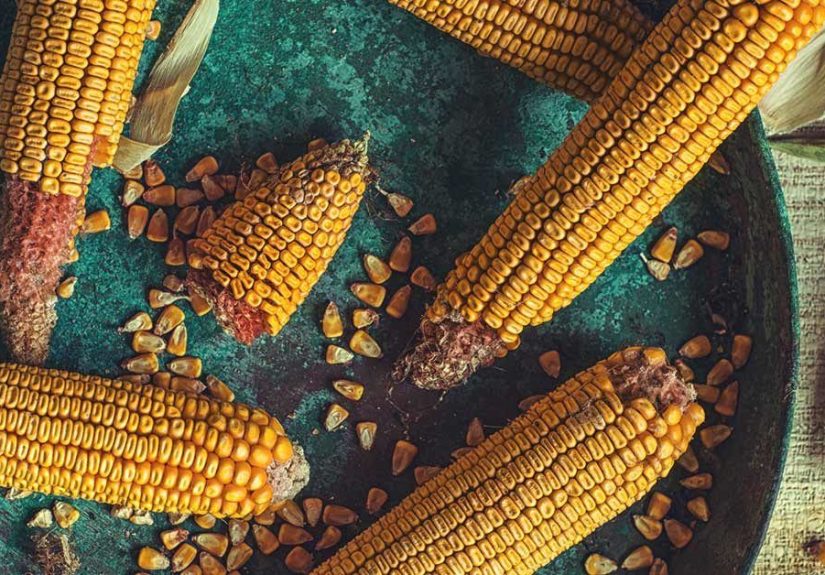
Corn kernels come from the corn plant’s flowers. After pollination, the plant forms kernels on the cob. Those kernels are essentially seeds with a
protective outer layer. In other words: corn isn’t a leaf like lettuce, a root like carrots, or a stem like celery. It’s the plant’s “next generation,”
neatly packaged and deliciously buttered.
Botanically Speaking: Corn Is a Fruit (Yes, Really)
If you define “fruit” the botanical waythe structure that develops from a flower and holds seedscorn qualifies. Each kernel is a
small, dry fruit with a seed inside. The specific botanical term often used for cereal grains (including corn) is caryopsis, where the
outer fruit wall is fused closely with the seed coat. That’s why a kernel feels like one solid piece rather than a seed you can easily peel.
Before you start making “corn is a fruit salad” jokes (tempting, honestly), remember: botanical categories don’t always match how we eat foods.
Tomatoes, cucumbers, and peppers are classic examples of botanical fruits that still end up in savory dishes and get called vegetables in the kitchen.
Corn lives in that same identity neighborhood.
Culinary Reality: Corn Acts Like a Vegetable
In day-to-day cooking, corn is treated like a vegetable because of how it tastes, how it’s served, and when it’s harvested.
Sweet cornthe kind you eat off the cobis harvested while the kernels are tender and juicy. That’s why it works in summer salads, chowders, salsas,
and side dishes next to your grilled chicken like it pays rent.
Culinary categories are practical. “Vegetable” often means “savory plant food used as part of a meal.” By that standard, corn fits right inespecially
fresh, frozen, or canned sweet corn.
Sweet Corn vs. Field Corn: Same species, different job titles
Sweet corn and field corn come from the same species (Zea mays), but they’re selected and harvested differently. Sweet corn is bred and picked
for its high sugar content while still immature. Field corn is harvested when mature and dry, making it ideal for grinding into meal, feeding livestock,
or becoming ingredients in a long list of processed foods.
Translation: sweet corn = dinner, field corn = industry (with some overlap, because corn is an overachiever).
Nutrition Guides: Corn Is Often Counted as a Starchy Vegetable
Many nutrition frameworks group vegetables into subtypes (dark green, red/orange, legumes, starchy, and so on). Corn typically lands in the
starchy vegetable bucket alongside foods like potatoes and peas.
“Starchy” doesn’t mean “bad.” It means these vegetables contain more carbohydrates (including starch) than non-starchy vegetables like leafy greens,
cucumbers, or broccoli. That extra starch can be helpful energyespecially for active peoplewhile still delivering vitamins, minerals, and plant
compounds you don’t get from refined grains or sugary snacks.
Why “starchy vegetable” matters on your plate
If your goal is a balanced meal, starchy vegetables can play the role of your carb for that meal. Think of corn the same way you might
think of a baked potato or winter squash: it can share space with grains, but it doesn’t have to compete with them. If your plate is already heavy on
pasta, bread, or rice, corn can be a “choose one” momentnot a “pile it higher” moment.
That said, corn still brings vegetable-like perks: fiber, potassium, and beneficial antioxidants (especially in yellow corn). So it’s less “mystery carb”
and more “carb with benefits.”
When Corn Becomes a Grain
Here’s the pivot point: maturity. When corn kernels mature and dry, they’re treated like other cereal grains. That’s when corn turns into:
- Cornmeal (for cornbread, muffins, hush puppies)
- Grits and polenta (the cozy, bowl-friendly side dishes)
- Tortillas and masa products
- Popcorn (which is literally a whole kernel that has stage fright and explodes into a snack)
If a food is made from cereal grainswheat, oats, rice… or cornmealnutrition guides typically count it in the grains
group rather than the vegetable group. So corn can show up on both sides of the nutrition “family tree,” depending on the form you eat it in.
Whole-grain corn vs. refined corn: the part that actually changes things
Whole grains contain all parts of the kernel: bran, germ, and endosperm. When corn is eaten as a whole kernel (like corn on the cob or popcorn), it can
qualify as a whole grain. But many corn products are refinedparts of the kernel are removed to improve texture or shelf life.
Refining generally reduces fiber and some nutrients, which is why “whole” matters.
A simple grocery rule: if the label says whole corn or whole-grain cornmeal, you’re more likely getting the full-kernel
benefit. If it’s degerminated or “enriched,” it may be more processed (not automatically eviljust different nutritionally).
So… Is Corn Healthy?
In its less-processed forms, corn can absolutely be part of a healthy diet. It provides carbohydrates for energy, modest protein, fiber, and a mix of
vitamins and minerals. Yellow corn also contains carotenoids such as lutein and zeaxanthin, which are linked with eye
health in nutrition research.
The biggest health plot twist isn’t the cornit’s what we do to corn.
Whole corn vs. corn “as an ingredient”
Whole corn (corn on the cob, frozen kernels, air-popped popcorn) tends to be more filling because it contains water and fiber. Highly processed corn
ingredients (like corn starch in ultra-processed foods) behave differently in the bodyoften digesting quickly and adding calories without much satiety.
This is why “corn is bad” is an oversimplification. It’s more accurate to say: whole corn is one thing; heavily processed corn products are another.
A cool corn fact: tortillas can be nutritionally smarter than you think
Traditional corn tortillas are often made from nixtamalized corncorn cooked and soaked in an alkaline solution (often lime/calcium hydroxide),
then ground into masa. This process can increase calcium content and make certain nutrients (including niacin) more available, while also reducing some
antinutrients. In plain English: the old-school method wasn’t just for flavorit had nutritional advantages.
How to Decide What Corn “Counts As” in Real Life
If you’re tracking food groups or planning balanced meals, here’s a practical approach:
- Corn on the cob / corn kernels: count it as a starchy vegetable and pair it with non-starchy veggies for variety.
- Popcorn (air-popped): count it as a whole grain snack (go easy on butter-salt avalanches).
- Corn tortillas, grits, polenta, cornmeal foods: count these as grains, and look for whole-grain versions when possible.
- Ultra-processed corn-based foods: treat like any processed foodfine sometimes, but not your nutritional foundation.
FAQ: The Corn Questions Everyone Asks (Usually While Holding a Taco)
Does corn count as a vegetable serving?
In many nutrition guides, yessweet corn counts as a starchy vegetable. A large ear or about a cup of kernels is commonly treated as a
“cup equivalent” for the vegetable group.
Is popcorn a vegetable?
Popcorn is made from corn, but nutritionally it’s generally counted as a whole grain. It’s a whole kernel that pops, keeping the bran,
germ, and endosperm intactassuming you’re not turning it into a butter delivery device the size of your head.
Is corn gluten-free?
Corn is naturally gluten-free. However, processed corn products can be contaminated with gluten depending on manufacturing. If gluten matters for you,
look for reputable gluten-free labeling on packaged products.
Is corn “just sugar”?
Sweet corn has natural sugars (especially when freshly harvested), but it also contains fiber and nutrients. The bigger concern is often foods made with
highly refined corn ingredients, not the corn itself.
Why do people argue about this so much?
Because we’re mixing definitions. Botany says “fruit,” cooking says “vegetable,” and nutrition says “it depends on the form.” Corn isn’t confused.
Humans are just holding three dictionaries at once.
Everyday Experiences With “Is Corn a Vegetable?” (The Real-World Corn Identity Crisis)
You can practically watch the corn debate happen in real time at a summer cookout. Someone grabs a buttered ear of corn, someone else jokes that they’re
“getting their veggies in,” and then a third personusually holding a fitness tracker and the confidence of someone who read one infographicchimes in with,
“Actually, corn is a grain.” The corn just sits there quietly, doing what corn does best: making everyone happy while being wildly misunderstood.
Grocery shopping creates the same confusion. Fresh ears are stacked with other produce, right next to zucchini and peppers, so your brain files corn under
“vegetable.” But then you walk two aisles over and see corn again as tortillas, cornmeal, grits, polenta, and popcorn. It’s like running into your math
teacher at the movie theater: same person, different context, and suddenly you’re not sure how to behave.
Parents see the corn identity crisis in lunchboxes, too. If a kid refuses broccoli but happily eats corn, it feels like a winbecause it’s a plant and it’s
not a candy bar. But then comes the question: should corn be the only vegetable on the plate? Many families end up using corn as a “gateway vegetable”:
it’s sweet, it’s familiar, and it builds confidence, while parents quietly rotate in other colors and textures over time.
Restaurants also reveal how we instinctively classify corn. Corn chowder, elote, and corn succotash land on menus as sides, right where you’d expect
vegetables. But cornbread shows up where you’d expect grainsserved with chili, barbecue, or breakfast eggs. Even without nutrition labels, we tend to
“feel” that corn on the cob is closer to vegetables, while cornmeal-based foods feel closer to bread, rice, or pasta.
Then there are the health conversationsespecially onlinewhere corn gets dragged into arguments it didn’t start. People who are reducing carbs sometimes
treat corn like a “sneaky starch” and avoid it, while others defend it as a whole food with fiber and plant nutrients. In real life, many people settle
into a middle ground: they enjoy corn more often in minimally processed forms (frozen kernels, grilled corn, air-popped popcorn) and treat heavily processed
corn-based snack foods like… well, snack foods.
The funniest part is that most people aren’t actually confused about how to eat cornthey’re confused about how to label it. At the table, corn is
simple: it’s delicious, versatile, and easy to pair with proteins and other vegetables. The debate usually flares up only when someone tries to pin corn down
to a single identity. But corn is the ultimate multitasker. It can be a “vegetable side,” a “grain staple,” and a botanical fruitall without changing its
personality. Honestly, that’s aspirational.
Conclusion: Corn Can Be a Vegetable… and a Grain… and a Fruit (Pick Your Context)
If you’re talking about dinner, corn is a vegetable. If you’re talking about the plant’s biology, corn is a fruit (a seed-bearing structure from the flower).
If you’re talking about nutrition and food groups, corn often counts as a starchy vegetable when eaten as sweet cornand as a grain
when eaten as cornmeal, tortillas, or popcorn.
The best takeaway isn’t “which label wins,” but “how do I eat it well?” Choose whole or minimally processed forms more often, pair corn with non-starchy
vegetables for balance, and let corn keep doing its talented little two-job (sometimes three-job) routine.