Table of Contents >> Show >> Hide
If you have ever walked into a supplement aisle and felt like every tub was yelling explosive pumps, laser focus, and become a legend before leg day, welcome to the wonderfully dramatic world of pre-workout powder. It is one of the most popular fitness supplements around, and for good reason: a lot of people want more energy, better performance, and a little help getting through the workout they almost talked themselves out of.
But the big questions are still the same. Is pre-workout powder safe? And does it actually work, or is it just fancy fruit-punch-flavored optimism? The honest answer is not as flashy as the label. Some pre-workout products can help, especially if they contain evidence-backed ingredients in sensible doses. Others are basically expensive jitter dust. And a few are the supplement-world equivalent of a red flag wearing sunglasses indoors.
Here is the truth in plain English: pre-workout powder can work, but it depends heavily on what is in it, how much you take, your health history, and whether the company making it deserves your trust. In other words, the scoop matters more than the hype.
What Is Pre-Workout Powder, Anyway?
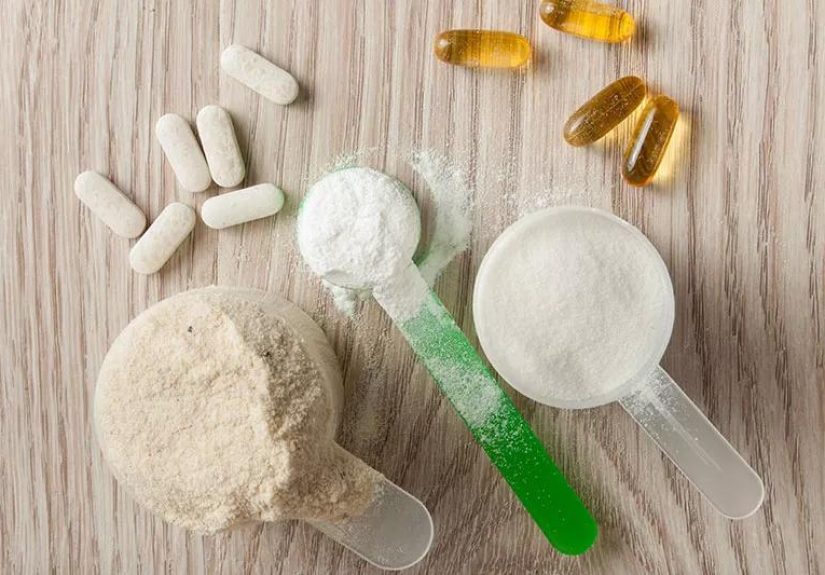
Pre-workout powder is a dietary supplement designed to be taken before exercise to boost energy, focus, endurance, strength, or that famous gym phrase, the “pump.” Most formulas contain a mix of ingredients rather than one star player. The usual suspects include caffeine, creatine, beta-alanine, citrulline, amino acids, B vitamins, sweeteners, flavorings, and sometimes electrolytes or herbal stimulants.
That sounds simple enough, but here is where things get slippery: many formulas contain multi-ingredient “proprietary blends.” That means the label tells you what is inside, but not always how much of each ingredient you are getting. That is a problem because ingredients that work in research often work at specific doses, not at mystery amounts sprinkled in like confetti.
So before asking whether pre-workout works, the better question is: which ingredients work, at what dose, and for whom?
Does Pre-Workout Powder Work?
The short answer: Sometimes, yes
Pre-workout powder can improve performance, but usually because of a handful of ingredients that have actual research behind them. The most reliable heavy hitter is caffeine. Creatine can help too, though it is not really a “take it once and feel it instantly” ingredient. Beta-alanine may help with certain kinds of intense exercise, but it works best over time and comes with the famous tingles. Citrulline is promising, especially for blood flow and repetition-based workouts, but the evidence is still mixed.
Translation: if your pre-workout helps, it is probably because of one or two well-studied ingredients. The rest of the formula may be helpful, harmless, or just there to make the label look like a chemistry exam.
Caffeine is the main reason many pre-workouts work
Caffeine is the engine in most pre-workout supplements. It can increase alertness, reduce the feeling of effort, and improve performance in endurance and some high-intensity activities. That is why you feel more awake, more focused, and more convinced that maybe burpees are a personality trait.
Research on sports performance consistently finds that low-to-moderate caffeine doses can help many trained adults perform better. In practice, that means caffeine is often the ingredient doing the real work when people say their pre-workout “hits.” It can be especially useful when you train early, are dragging after work, or need a mental nudge to stop negotiating with the couch.
But more is not better. Once the dose climbs too high, the benefits usually level off while the side effects start doing jumping jacks. Jitters, nausea, anxiety, poor sleep, shakiness, and a racing heart are not exactly premium workout features.
Creatine works, but not like a movie montage
Creatine is one of the most researched sports supplements out there. It helps your muscles produce quick energy during short, repeated bursts of intense activity. That makes it more useful for lifting, sprinting, explosive movement, and repeated hard efforts than for casual walking on a treadmill while watching cooking videos.
Here is the catch: creatine does not need to be taken specifically right before a workout to be effective. It works best when taken consistently over time so your muscles stay saturated. That means a pre-workout with creatine can be useful, but not because you drank it 18 minutes before chest day and heard a dramatic bass drop in your soul. Creatine is a routine ingredient, not a fireworks ingredient.
Beta-alanine may help, and yes, the tingles are a thing
Beta-alanine is the ingredient that often causes that prickly, tingling sensation in the face, neck, or hands. It feels weird, but in healthy people it is usually not dangerous. It is more annoying than alarming, like your skin briefly decided to become carbonated.
Performance-wise, beta-alanine may help during intense exercise lasting roughly one to several minutes, especially repeated hard efforts. Think intervals, rowing, swimming, circuit training, or team sports with stop-and-go bursts. Like creatine, though, it tends to work through regular use over time, not instant magic from one scoop.
Citrulline sounds exciting, but the evidence is still mixed
Citrulline and citrulline malate are often marketed for blood flow, endurance, and muscle pump. Some small studies suggest they may help with repetitions to fatigue or reduce soreness. Other studies are less impressive. The current evidence is interesting, but it is not a slam dunk.
If caffeine is the reliable lead actor, citrulline is more of a talented supporting character who occasionally steals a scene but has not signed a long-term contract.
So does pre-workout powder really work?
Yes, it can work, especially if the formula contains effective doses of ingredients like caffeine and, in some cases, creatine or beta-alanine. But it is not magic. It will not fix poor sleep, a weak training plan, dehydration, bad nutrition, or the universal human desire to skip leg day.
For many people, the biggest benefit is simply feeling more awake and ready to train. That may sound small, but it matters. The supplement that gets you consistently through the gym door can be more useful than the one promising superhero biology.
Is Pre-Workout Powder Safe?
For many healthy adults, it can be safe
For healthy adults using a reputable product as directed, pre-workout powder is often reasonably safe. That is the good news. The less fun news is that “reasonably safe” is doing a lot of heavy lifting. Safety depends on the formula, dose, timing, your caffeine tolerance, your medical history, and whether the label is accurate in the first place.
So the real answer is this: pre-workout is not automatically dangerous, but it is also not automatically safe just because it is sold in a neon tub with a lightning bolt on it.
The biggest safety concern is usually caffeine overload
Many pre-workouts pack a lot of caffeine into one serving. Some users also stack that serving with coffee, energy drinks, soda, fat burners, or “just one more scoop” energy. That is when things get messy. Too much caffeine can lead to insomnia, irritability, stomach upset, tremors, palpitations, elevated blood pressure, and poor recovery. Ironically, the supplement you took to improve training can ruin your sleep, and the bad sleep can hurt tomorrow’s workout more than today’s scoop helped.
If you are sensitive to caffeine, new to stimulants, or already drinking plenty of coffee, a high-stim pre-workout may feel less like fitness support and more like your heartbeat started a podcast.
Proprietary blends are not your friend
When a label hides exact ingredient amounts, you cannot easily tell whether the formula contains useful doses, tiny fairy-dust amounts, or more stimulant than your nervous system ordered. A transparent label is generally a better sign than a dramatic product name and a paragraph about unlocking beast mode.
Some products are contaminated or adulterated
This is where things get serious. In the United States, dietary supplements are not approved by the FDA before they hit the market the way prescription drugs are. Manufacturers are responsible for making sure their products are safe and accurately labeled before selling them. That system leaves room for bad actors, sloppy manufacturing, and products that contain undeclared or risky substances.
FDA warnings over the years have included stimulant-laced products and ingredients such as DMAA, which has been linked to dangerous cardiovascular risks. That matters because some pre-workout shoppers are not just choosing between “fruit blast” and “blue raspberry chaos.” They are choosing whether the label reflects reality.
Dry scooping is a terrible idea
Dry scooping is the trend of swallowing pre-workout powder without water. It is not hardcore. It is mostly a shortcut to coughing, choking, inhaling powder, overwhelming your stomach, and slamming stimulants into your system in a way your body did not exactly request. It also makes you look like you lost a fight with cinnamon.
Some people should be extra cautious or skip it
You should be careful with pre-workout powder, or avoid it unless a clinician says otherwise, if you are pregnant, breastfeeding, under 18, sensitive to caffeine, have high blood pressure, heart rhythm issues, anxiety, seizure disorders, kidney disease, liver disease, or if you take medications that may interact with stimulants or supplement ingredients.
And if you are a competitive athlete, you also need to think about banned substances. Even accidental contamination can create real problems on a drug test.
How to Choose a Safer Pre-Workout
1. Pick a fully transparent label
If you can see exact doses for caffeine, creatine, beta-alanine, citrulline, and everything else, you are in a much better position than if the label says “Performance Matrix” and then winks mysteriously.
2. Start with a lower-stim option
If you are new to pre-workout, start low. Half a scoop is often smarter than a full scoop, especially if you already consume caffeine. More “buzz” does not automatically mean more performance.
3. Look for third-party testing
Independent certification from programs such as NSF Certified for Sport or USP verification can add an extra layer of confidence that the product contains what it says and is screened for certain contaminants or banned substances. It is not a magic shield, but it is far better than blind faith and excellent label graphics.
4. Avoid sketchy stimulants and outrageous claims
If the product sounds like it was named by an action-movie villain and promises instant transformation, use your skepticism. Avoid formulas with banned or questionable stimulants, and be wary of products that lean harder on hype than on disclosed ingredients.
5. Do not take it late in the day
If your evening pre-workout ruins your sleep, it may be stealing tomorrow’s performance to slightly improve today’s. That is not a great trade.
Is Coffee Enough Instead?
Sometimes, yes. If your main goal is more energy and focus before a workout, a cup of coffee may do the job just fine. Coffee is simple, familiar, and often cheaper than pre-workout powder. For a lot of regular gym-goers, that alone is enough to lift, run, pedal, or survive the warm-up without making eye contact with the exit.
Pre-workout becomes more appealing when you want a more specific combination of ingredients or a stimulant-free formula for training support. But if your only target is “feel awake enough to exercise,” coffee deserves way more credit than the supplement aisle usually gives it.
Food Still Matters More Than the Scoop
This part is less glamorous, but it is the truth. A balanced diet, enough carbohydrates, adequate protein, hydration, and decent sleep do more for performance than most pre-workout formulas ever will. A banana with Greek yogurt, toast with peanut butter, a turkey sandwich, oatmeal, or even coffee plus a light snack can often provide perfectly solid workout fuel.
Supplements should supplement. Once they start auditioning as your entire strategy, the plot has gone off the rails.
The Bottom Line
Is pre-workout powder safe? For many healthy adults, it can be, especially when the product comes from a reputable company, uses transparent labeling, avoids risky stimulants, and is taken in sensible amounts. But it is not risk-free. Too much caffeine, hidden ingredient doses, contaminated products, medication interactions, and trendy misuse can all turn a helpful supplement into a bad idea.
Does pre-workout powder work? Often, yes, but not because every flashy ingredient is a star. Caffeine does much of the heavy lifting. Creatine and beta-alanine can be useful in the right context, though they work best with consistent use. Citrulline may help some people, but the evidence is less settled. The best pre-workout is not necessarily the strongest one. It is the one that matches your body, your goals, and your common sense.
So if you want the most honest verdict possible, here it is: pre-workout powder is neither miracle dust nor instant doom. It is a tool. A useful one for some people, an unnecessary one for others, and a terrible one when chosen carelessly. The scoop is optional. Reading the label like an adult is not.
Real-World Experiences With Pre-Workout Powder
Talk to enough gym-goers and you will hear the same pattern over and over: pre-workout feels amazing right up until it very much does not. The first-time user often describes it like this: “I had the best workout of my life.” What they usually mean is they felt alert, motivated, and less likely to quit halfway through. That is real. A supplement that boosts focus and lowers perceived effort can make a workout feel smoother, especially on tired mornings or after a long workday.
Then there is the second common experience: the person who forgets they already had two coffees, takes a full scoop anyway, and spends half the session wondering whether they are training legs or trying to outrun their own heartbeat. This is one of the most common pre-workout mistakes. The problem is not always the product itself. It is the total caffeine load from everything else in the day.
Another classic scenario is the user who loves the “tingles” from beta-alanine and assumes that more tingles must mean more results. Not exactly. The sensation can make people feel like the supplement is really kicking in, but that feeling is not a scoreboard. Plenty of people get the tingles and still need a better sleep schedule, better programming, and maybe fewer skipped warm-ups.
Some lifters report that pre-workout helps them stay consistent more than anything else. They are not setting Olympic records. They are just more likely to show up, get through their session, and leave feeling productive. That matters. A simple routine can have a real psychological benefit. The smell, the shaker bottle, the pre-gym ritual, the moment of “okay, now we’re doing this” can become part of a habit loop that supports training.
On the other hand, many experienced exercisers eventually scale back. After a while, some realize they do just as well with coffee, water, and a decent snack. Others notice that high-stim formulas wreck their sleep, increase anxiety, or make them crash later. For them, the trade-off is not worth it. Better energy from better recovery starts to look a lot more appealing than neon powder with a warning label.
Competitive athletes tend to have a different concern: trust. Their experience is less about “Did I feel a pump?” and more about “Can I trust what is in this tub?” That is why third-party testing matters so much. For them, supplement quality is not a bonus feature. It is the whole game.
The most useful real-world lesson is surprisingly boring: the best experience with pre-workout usually comes from people who use moderate doses, read labels carefully, avoid sketchy formulas, and treat the product as a small assist rather than the main event. Not exciting, maybe. But neither is waking up at 2 a.m. because your evening scoop decided bedtime was optional.