Table of Contents >> Show >> Hide
- Why This Italian Pork Roast Recipe Works
- What Makes a Pork Roast “Italian”?
- Ingredients
- How to Make Italian Pork Roast
- Tips for a Juicy, Flavorful Pork Roast
- Best Side Dishes for Italian Pork Roast
- Common Mistakes to Avoid
- What to Do With Leftovers
- The Experience of Making Italian Pork Roast at Home
- Conclusion
- SEO Tags
If roast chicken is the dependable best friend of dinner, Italian pork roast is the charismatic cousin who shows up in a linen shirt, smells like rosemary, and somehow makes a random Sunday feel like a holiday. It is savory, juicy, deeply aromatic, and just dramatic enough to impress people without requiring you to enroll in culinary school or start saying things like “mouthfeel” at the table.
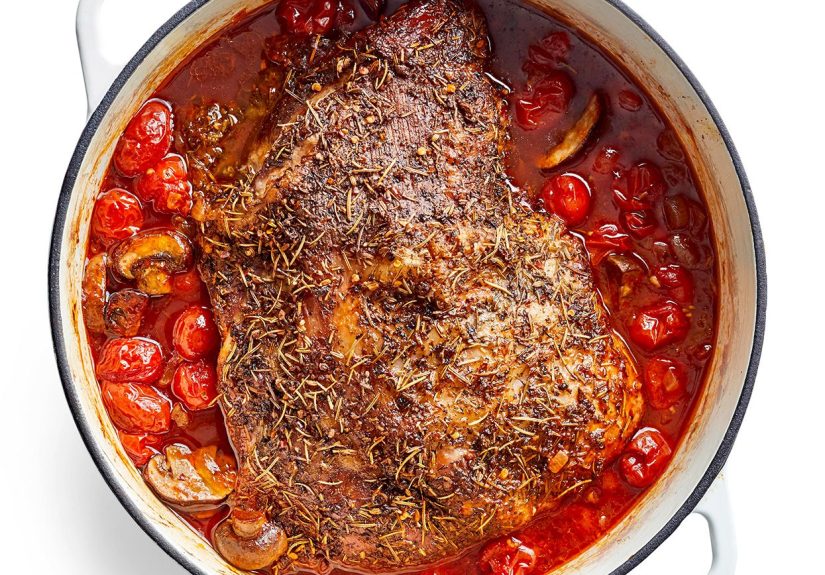
This version is designed for real life: a pork loin roast seasoned with garlic, fennel, rosemary, oregano, lemon zest, olive oil, and black pepper, then roasted over onions, fennel, and cherry tomatoes with white wine and broth. The result is sliceable, tender pork with a pan sauce that tastes like it had a better childhood than most sauces. It is the kind of meal that feels special but still works on a weeknight if you have your act together by about 5 p.m.
Even better, this recipe plays nicely with SEO-friendly reader intent. People searching for an Italian pork roast recipe usually want three things: bold flavor, a juicy texture, and clear timing so dinner does not end in panic or sawdust. This guide gives you all three, plus practical tips, serving ideas, leftover inspiration, and a full section on the cooking experience so the article feels rich, useful, and human instead of sounding like it was assembled by a robot wearing an apron.
Why This Italian Pork Roast Recipe Works
The magic starts with the flavor profile. Italian-style pork recipes often lean on a familiar crew of aromatic heavy-hitters: garlic, fennel seed, rosemary, sage or oregano, citrus zest, olive oil, and a little heat from black pepper or red pepper flakes. Pork loves those flavors. Fennel adds a subtle sweet-anise note, rosemary brings piney depth, garlic does what garlic always does, which is improve everybody’s attitude, and lemon zest keeps the whole thing from tasting heavy.
The second reason this recipe works is that it uses a pork loin roast rather than a super-lean tenderloin or a massive shoulder that needs an all-day commitment. Pork loin is large enough for a proper roast, lean but still flavorful, and easy to slice for a classic Sunday-dinner presentation. When cooked correctly and rested properly, it stays juicy and tender.
Finally, roasting the pork over vegetables and liquid creates insurance. The onions, fennel, and tomatoes soften and caramelize beneath the meat, while white wine and broth help keep the pan flavorful. Those drippings become the base of a simple pan sauce that makes the finished roast taste polished instead of plain.
What Makes a Pork Roast “Italian”?
Italian pork roast is not one single rigid dish. It sits in a family of recipes inspired by porchetta, porketta, herb-crusted roasts, and rustic braises. Some versions are rolled and tied. Some are slow-roasted for hours until shreddable. Some lean heavily into fennel and citrus, while others bring tomatoes, wine, or chili flakes to the party.
For a home cook in the United States, the easiest way to capture that Italian roast-pork spirit is to focus on the signature flavors: crushed fennel seed, rosemary, garlic, oregano, olive oil, black pepper, lemon zest, and a little wine in the roasting pan. You get the fragrance and warmth of classic Italian-inspired pork dishes without needing a butcher, a whole pork belly, or the emotional resilience required to crisp perfect crackling on demand.
Ingredients
For the Pork
- 1 boneless pork loin roast, 3 1/2 to 4 pounds
- 2 tablespoons extra-virgin olive oil
- 6 garlic cloves, finely minced
- 1 tablespoon fennel seeds, lightly crushed
- 2 tablespoons fresh rosemary, finely chopped
- 1 teaspoon dried oregano
- 1 teaspoon kosher salt, plus more to taste
- 1 teaspoon freshly ground black pepper
- 1/2 teaspoon crushed red pepper flakes, optional
- Zest of 1 lemon
For the Roasting Pan
- 1 large yellow onion, sliced
- 1 fennel bulb, cored and sliced
- 1 pint cherry tomatoes
- 3/4 cup dry white wine
- 3/4 cup low-sodium chicken broth
- 1 tablespoon olive oil
- Pinch of salt and pepper
Optional for Serving
- Chopped parsley
- Lemon wedges
- Roasted potatoes, polenta, crusty bread, or sautéed greens
How to Make Italian Pork Roast
1. Prep the roast
Take the pork out of the refrigerator about 30 minutes before cooking. Pat it dry thoroughly with paper towels. If it has a fat cap, score it lightly in a shallow crosshatch pattern. Do not cut deep into the meat; you are aiming for better seasoning coverage, not accidental surgery.
2. Make the herb rub
In a small bowl, mix the olive oil, garlic, crushed fennel seeds, rosemary, oregano, salt, black pepper, red pepper flakes if using, and lemon zest into a thick, fragrant paste. Rub it all over the pork, including the sides and top. This is where the roast starts smelling like it has excellent life choices.
3. Build the roasting pan
Preheat the oven to 425°F. In a roasting pan or large oven-safe skillet, toss the onion, sliced fennel, and cherry tomatoes with 1 tablespoon olive oil and a pinch of salt and pepper. Spread them into an even layer and place the seasoned pork roast on top. Pour the wine and chicken broth into the pan around the roast, not over it, so the top can still brown.
4. Roast hot, then finish gently
Roast the pork for 20 minutes at 425°F. This gives it a flavorful head start and some color. Then reduce the oven temperature to 325°F and continue roasting for about 45 to 70 minutes, depending on the size and shape of the roast, until an instant-read thermometer inserted into the thickest part reads 145°F to 150°F.
The exact time matters less than the temperature. Pork roasts are notorious for ignoring your timeline and doing whatever they want. A thermometer is not optional here; it is the peace treaty between juicy meat and overcooked regret.
5. Rest the pork
Transfer the roast to a cutting board and let it rest for 10 to 15 minutes before slicing. This step allows the juices to redistribute instead of spilling all over the board like they are making a dramatic exit.
6. Make the pan sauce
While the pork rests, place the roasting pan over medium heat if needed. Stir and gently mash some of the tomatoes into the liquid. Let the sauce simmer for a few minutes until slightly reduced. Taste and adjust with salt, pepper, or a squeeze of lemon juice if it needs brightness. For a smoother sauce, strain it. For a rustic sauce, leave it chunky and glorious.
7. Slice and serve
Slice the pork against the grain and spoon the warm pan sauce over the top. Scatter with parsley if you like. Serve with roasted potatoes, creamy polenta, white beans, or garlicky greens. Then accept compliments with false modesty.
Tips for a Juicy, Flavorful Pork Roast
Use the right cut
A boneless pork loin roast is ideal for this recipe because it slices beautifully and cooks in a reasonable amount of time. Do not confuse pork loin with pork tenderloin. They are not interchangeable. Pork tenderloin is much smaller and cooks far faster. If you use it here, dinner may be ready before you have finished setting the table.
Crush the fennel seed
Whole fennel seeds are flavorful, but lightly crushing them releases more aroma and helps them cling to the meat. A mortar and pestle is great, but the back of a skillet or the bottom of a mug also gets the job done.
Do not skip the rest
Resting is not culinary superstition. It genuinely helps the roast stay juicier and easier to slice. Give it the full 10 to 15 minutes.
Trust temperature over color
Pork does not need to be cooked into oblivion. A faint blush in the center can still be perfectly safe when the roast has reached the proper internal temperature. The thermometer tells the truth; panic does not.
Want a richer roast?
If you prefer a more decadent, slow-roasted version, use pork shoulder instead of loin and cook it much longer at a lower temperature until tender enough to shred. That version is fantastic, but it is a different beast entirely. This article focuses on a sliceable roast that balances ease, flavor, and weeknight realism.
Best Side Dishes for Italian Pork Roast
This roast is generous. It works with cozy side dishes, brighter vegetables, and even sandwich bread the next day. A few excellent options include:
- Roasted potatoes: crisp edges, soft centers, and zero chance of family complaints
- Creamy polenta: ideal for catching every drop of pan sauce
- Cannellini beans: especially good with olive oil, lemon, and parsley
- Broccoli rabe or sautéed spinach: bitter greens balance the rich pork beautifully
- Simple salad with lemon vinaigrette: because contrast is your friend
- Crusty Italian bread: for obvious and noble reasons
Common Mistakes to Avoid
Overcooking the pork: This is the biggest one. Lean pork loin does not get better the longer you roast it. It gets drier, sadder, and more expensive per chew.
Under-seasoning: Pork is mild. It needs enough salt and herbs to make a statement. Be confident with the garlic, fennel, and rosemary.
Skipping the vegetables in the pan: They are not filler. They help flavor the drippings and create a built-in side and sauce foundation.
Slicing immediately: That is how you lose the juices you worked so hard to protect.
Using a tiny pan: Crowded vegetables steam instead of roast. Give everything some breathing room.
What to Do With Leftovers
Leftover Italian pork roast might be the best argument for making the roast in the first place. Thin slices are excellent in sandwiches with provolone, arugula, and a smear of Dijon. Chopped pork can go into pasta with olive oil, garlic, spinach, and Parmesan. It also works in grain bowls, soups, or tucked into toasted ciabatta with peppers and extra pan sauce.
A smart move is to store the leftover pork with a little of the pan liquid. That helps keep it moist and makes reheating much more forgiving. Dry leftover pork is how hope leaves the room.
The Experience of Making Italian Pork Roast at Home
The experience of making an Italian pork roast is part of why this dish earns repeat status in so many kitchens. It is not just about the final slices on the platter. It is about the whole process, from the first hit of garlic and lemon zest on the cutting board to the moment the fennel starts softening in the oven and the kitchen smells like a small, very persuasive trattoria. Some recipes feel purely functional. This one feels like an event, even when the event is simply “it is Tuesday and we deserve better than cereal.”
One of the best parts is that it asks for attention, but not constant babysitting. You spend a few focused minutes making the rub, scattering vegetables in the pan, and getting the roast into the oven. After that, the house starts doing the heavy lifting for you. The smell changes in stages: first sharp and herbal, then warm and savory, then fully roasted and impossible to ignore. By the final stretch, people tend to wander into the kitchen pretending they came in for water. They did not come in for water.
This roast also has the rare ability to feel both rustic and elegant. Put it on a wooden cutting board with a spoonful of pan juices and it looks like cozy Sunday supper. Fan the slices neatly over polenta, add fennel fronds or parsley, and suddenly it looks dinner-party worthy. That flexibility makes it a useful recipe to keep in your back pocket. It can carry a holiday table without being fussy, and it can rescue an ordinary family meal from total boredom.
There is also a lot of confidence-building built into this recipe. A good Italian pork roast teaches newer cooks several excellent habits without making a big dramatic speech about it. You learn to season assertively. You learn why a thermometer matters more than guessing. You learn that resting meat is worth the wait. You learn that pan drippings are flavor gold, not kitchen debris. And maybe most important, you learn that “special occasion food” does not always require twelve obscure ingredients and a soundtrack of panic.
For experienced cooks, the appeal is different but just as real. This is a recipe with room to improvise. You can add sage for a more porchetta-like flavor. You can swap lemon zest for orange zest if you want a sweeter, warmer profile. You can toss in potatoes, olives, or extra tomatoes. You can make the pan sauce smooth and restaurant-like or keep it rough and rustic. Once the basic structure clicks, the roast becomes less of a script and more of a trusted framework.
And then there is the eating. Italian pork roast has that ideal contrast between juicy slices of mild, tender pork and the bold edges of the seasoning. The fennel does not scream licorice; it just gives the meat a subtle Italian accent. The rosemary adds backbone. The garlic perfumes everything. The onions and tomatoes melt into the sauce. The lemon keeps the richness from becoming heavy. Every bite feels balanced, which is why the dish seems comforting without becoming sleepy.
In many homes, the leftovers end up being almost as beloved as the original dinner. Day two sandwiches have a devoted fan base for a reason. Thin pork slices, a little provolone, peppery greens, and some reheated juices on crusty bread can make lunch feel suspiciously glamorous. Chopped roast tucked into pasta or beans is equally satisfying. It is the kind of recipe that keeps giving, which is useful because pork roasts are rarely tiny and very rarely modest.
Most of all, the experience of making Italian pork roast feels generous. It fills the kitchen with real aroma, puts an impressive centerpiece on the table, and rewards both planning and improvisation. It is a dish that says comfort, abundance, and maybe just a little bit of “yes, I absolutely meant to make dinner this good.” In a world full of rushed meals and forgettable recipes, that is a pretty wonderful thing for one roast to accomplish.
Conclusion
If you want a reliable, deeply flavorful centerpiece that feels cozy enough for Sunday dinner and polished enough for guests, this Italian pork roast recipe is a strong choice. It delivers classic Italian-inspired flavor through fennel, garlic, rosemary, oregano, lemon, and white wine, while the roasting method keeps the pork tender and the pan sauce rich. It is practical, adaptable, and just fancy enough to make people think you have everything under control, even if you absolutely do not.
Make it once, and it has a good chance of becoming one of those recipes you stop measuring quite so carefully because you know the rhythm by heart. That is usually the sign of a keeper.