Table of Contents >> Show >> Hide
- What Is the Kawa Pendant – Single?
- Key Features of the Kawa Pendant – Single
- Kawa Pendant – Single Specs You Should Verify Before Buying
- Where the Kawa Pendant – Single Works Best
- How to Hang It Correctly
- Bulb Pairing for the Kawa Pendant – Single
- Styling Ideas for Different Interiors
- Common Mistakes to Avoid
- Experience Section: Living With the Kawa Pendant – Single
- Final Thoughts
- SEO Tags
Some light fixtures illuminate a room. Others become the room’s personality. The Kawa Pendant – Single lands firmly in the second category. It’s small enough to tuck into a cozy corner, but sculptural enough to make guests stop mid-sentence and ask, “Wait… what is that?” (In the best way.)
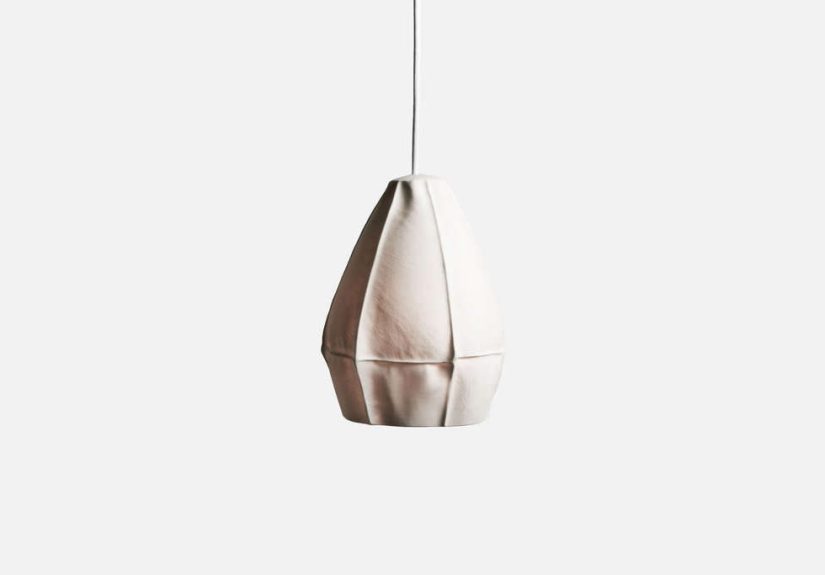
If you’re shopping for a single pendant light that feels artful, modern, and a little unexpected, the Kawa Pendant is a standout. Its crinkled porcelain shade looks organic and handmade, which gives it a warmth that many glossy, ultra-polished fixtures can’t fake. In this guide, we’ll break down what makes the Kawa Pendant – Single special, where it works best, how to style it, and what to know before buying and installing it.
What Is the Kawa Pendant – Single?
The Kawa Pendant is a porcelain pendant light designed by Luft Tanaka for Souda, a Brooklyn-based design brand known for contemporary furniture and lighting. The “Single” version is the solo pendant format (as opposed to multi-light clusters), which makes it especially flexible for home projects, apartments, and smaller rooms.
The fixture’s signature look comes from a unique production method: the ceramic shades are formed using leather molds, giving the porcelain a soft, wrinkled, almost fabric-like surface. That contrast is the magic herehard material, soft appearance. It reads as sculptural without feeling stiff.
In other words: it’s the lighting equivalent of a tailored blazer with sneakers. Elevated, but not trying too hard.
Why the “Kawa” Name Matters
“Kawa” is the Japanese word for leather, which directly references the molding process and the design inspiration behind the shade’s texture. That little detail is more than brandingit helps explain why the pendant looks so different from traditional smooth ceramic or metal fixtures.
Key Features of the Kawa Pendant – Single
The Kawa Pendant – Single is a design-forward piece, but it’s also practical. Here are the most important things buyers usually want to know before they click “add to cart.”
1) Sculptural Porcelain Shade
The porcelain shade is the star. It has an organic, folded appearance that creates visual texture even when the light is off. When the light is on, the shape catches highlights and shadows in a way flat shades simply can’t. This makes it ideal for spaces where you want the fixture itself to act as decor.
2) Compact Size That Works in More Places
The single pendant is compact enough to use in smaller zones, including over a sink, beside a bed, in an entry nook, or above a small round dining table. It offers a sculptural focal point without visually “crowding” the room.
3) Adjustable Cord for Flexible Hanging Height
The adjustable cord makes it easier to adapt the fixture to different ceiling heights and use cases. That matters more than people thinkbecause the same pendant can look perfect over a breakfast nook and awkward over a kitchen island if the hanging height is wrong.
4) Dimmable Setup Potential
With a compatible bulb and dimmer setup, the Kawa Pendant can shift from bright task lighting to soft ambient lighting. That means one fixture can cover weekday practicality and weekend mood lighting (aka “I cooked pasta and now this kitchen is an Italian restaurant” mode).
Kawa Pendant – Single Specs You Should Verify Before Buying
Product listings can vary slightly by retailer, so always check the current listing and spec sheet where you purchase. That said, common specs for the Kawa Pendant – Single typically include:
- Approximate dimensions: 6.75" W x 6.75" L x 9" H
- Cord length: around 96" (adjustable)
- Socket: one E26 socket
- Bulb compatibility: typically LED or CFL recommended
- Installation: hardwired pendant (professional installation is recommended)
- Safety: UL/cUL listing is commonly noted on retail listings
- Construction: porcelain shade with canopy/cord hardware
One thing to note: wattage guidance can differ by retailer listing (for example, some listings show a lower max wattage while others list a higher maximum). When in doubt, follow the most current spec sheet from the seller you’re buying from and the bulb/dimmer manufacturer’s recommendations.
Where the Kawa Pendant – Single Works Best
Because the Kawa Pendant is compact and sculptural, it works best in places where you want a design statement and functional light. Here are the smartest placements.
Over a Kitchen Sink
This is one of the best uses for a single pendant. A sink zone usually needs task lighting, but it also sits right in your line of sight. The Kawa adds texture and character without blocking views too much, especially compared with chunkier opaque fixtures.
As a Bedside Pendant
Want to free up nightstand space? Hang a Kawa Pendant – Single on each side of the bed. It creates a boutique-hotel look, and the organic porcelain texture adds softness to modern bedrooms. Pair it with a warm LED bulb and a dimmer, and your nighttime lighting instantly levels up.
In an Entryway or Hall Niche
Small entry spaces often get ignored, but they’re your home’s first impression. A single sculptural pendant in the right scale can make an entry feel curated instead of forgotten. The Kawa’s compact size is a good fit for tighter spaces where a chandelier would feel overkill.
Above a Small Dining Table or Bistro Table
Over a small round table, one Kawa Pendant can feel elegant and intimate. For larger rectangular tables or longer islands, you may prefer multiple pendants or a clustered versionbut the single pendant is perfect for breakfast corners and apartment dining setups.
Powder Rooms and Vanity Zones
If you want a powder room that feels more “designer boutique” and less “builder grade,” this is a strong candidate. A pendant with texture adds depth to mirrors, tile, and wall color. It also photographs beautifully, which matters if you’re the type who documents your renovations.
How to Hang It Correctly
Great pendant lighting is mostly about scale and placement. Even a beautiful fixture can look awkward if it hangs too high, too low, or in the wrong proportion to the space.
General Pendant Height Guidelines
For kitchen islands and counters, most U.S. lighting guides recommend hanging pendants roughly 28 to 36 inches above the surface (some designers also use about 30 inches as a simple rule of thumb). That height usually gives you light where you need it without putting the fixture directly in everyone’s forehead zone.
Over dining tables, a common guideline is about 30 to 36 inches above the tabletop. If ceilings are very high, you can go a little higher while keeping the fixture visually connected to the table.
Spacing If You Use More Than One
Even though this article focuses on the single pendant, many people end up buying two or three for islands. When using multiples, spacing matters. Depending on fixture size and island length, designers often use on-center spacing in the mid-20-inch range. The goal is simple: evenly distributed light and a balanced look, not a cluster jam.
Mind the Sight Lines
A smart design tip from kitchen lighting pros: avoid creating a “wall of pendants” that blocks visual flow. This is where the Kawa Pendant’s compact size and softer form help. It reads as sculptural, but it doesn’t feel as visually heavy as oversized opaque globes or bulky metal shades.
Bulb Pairing for the Kawa Pendant – Single
Let’s talk bulbsthe least glamorous part of lighting and the thing that determines whether your expensive pendant looks amazing or suspiciously like a break room.
Choose Lumens, Not Just Watts
U.S. Department of Energy guidance recommends shopping by lumens (brightness), not watts (energy use). For many home applications, a bulb around 450 lumens is similar to an old 40W bulb, and 800 lumens is similar to an old 60W bulb.
For a Kawa Pendant over a sink or work zone, many people prefer something in the moderate brightness range (often around the equivalent of a 40W–60W incandescent replacement). For mood lighting in a bedroom or powder room, lower lumens can feel more relaxed.
Pick the Right Color Temperature
Color temperature (Kelvin) makes a huge difference in how the porcelain looks:
- 2700K–3000K: Warm, cozy, flattering; great for bedrooms, dining, and living spaces.
- 3000K–3500K: Cleaner and brighter; good for kitchens and task-focused areas.
- 4000K+: Cooler, more clinical; useful in some workspaces, but often too stark for decorative pendants.
If you’re unsure, start at 2700K or 3000K. The Kawa’s organic texture tends to look especially beautiful under warm light.
Use LED for Efficiency and Longevity
LED bulbs are the practical choice for most homeowners. They’re energy-efficient, long-lasting, and widely available in dimmable options and different color temperatures. That means less ladder time, fewer bulb swaps, and lower energy usealways a win.
Styling Ideas for Different Interiors
The Kawa Pendant – Single is flexible because it combines a modern silhouette with an earthy texture. Here’s how to make it work in different design styles.
Organic Modern
Pair it with white oak, limewash walls, matte stone, and soft linen textiles. This is the Kawa’s natural habitat. The porcelain shape adds movement while staying neutral.
Japandi
Since the design has a Japanese reference and a minimalist profile, it fits beautifully in Japandi spaces. Think low visual clutter, warm wood tones, natural fibers, and a restrained palette. The pendant becomes a quiet focal point rather than a loud statement.
Soft Industrial
Want contrast? Use the Kawa over a concrete-look countertop, black hardware, or steel shelving. The wrinkled porcelain softens industrial materials and keeps the room from feeling too cold.
Eclectic or Collected Interiors
Because it feels handcrafted, the Kawa Pendant also works in layered interiors with vintage furniture, artisan ceramics, and mixed finishes. It can hold its own without competing with everything else.
Common Mistakes to Avoid
- Choosing the wrong bulb color: A very cool bulb can make this pendant feel flat or harsh. Warm-to-neutral light usually shows off the ceramic texture better.
- Hanging it too high: A pendant floating near the ceiling loses impact. Bring it down to the correct visual zone.
- Using only one layer of light: Pendants look better (and function better) when paired with ambient and task lighting in the room.
- Skipping the dimmer: This fixture looks great in both practical and moody settings, but only if you can control the brightness.
- Ignoring installation details: Hardwired pendants need proper support and safe wiring. Don’t treat electrical work like a weekend dare.
Experience Section: Living With the Kawa Pendant – Single
If you’re wondering what the Kawa Pendant – Single is like in real life (not just in polished product photos), the short answer is this: it tends to feel even better in person. The texture is what people notice first. In online images, it can read like a simple white ceramic pendant. In a real room, though, the folds and creases catch light throughout the day, so the fixture changes character from morning to night.
In bright daylight, especially in kitchens with windows, the pendant looks almost sculptural and mattemore like an art object than a utility fixture. At night, when the bulb is on, the shape becomes softer and more dramatic. Highlights land on the raised areas, shadows settle into the folds, and the whole piece suddenly has a quiet glow. It’s subtle, but it adds that “finished” feeling people are often chasing during a remodel.
Another common experience is that the Kawa Pendant – Single punches above its size. On paper, it’s not a massive fixture, but because the silhouette is unusual, it draws the eye. This is great news for small apartments, breakfast nooks, and compact entryways where you want personality without taking over the room. It gives a custom, design-forward look in spaces that normally end up with generic lighting.
Homeowners also tend to appreciate how flexible it is stylistically. In one setting, it can feel warm and earthy next to wood cabinets and linen curtains. In another, it looks crisp and modern against black hardware and stone counters. That versatility matters if you like changing decor over time. You may swap stools, paint, or wall art, but the pendant still works.
There are practical experiences worth noting too. Because it’s a hardwired fixture, installation usually goes smoother when handled by a pro, especially if you’re replacing old lighting or working with older wiring. Once installed, though, the day-to-day maintenance is simple. The porcelain shade doesn’t demand constant attentionjust occasional dusting and the same care you’d give any decorative fixture.
The biggest upgrade people notice after installation is often the mood change. A good pendant doesn’t just brighten a room; it makes the space feel more intentional. Over a sink, the Kawa can turn a purely functional corner into a design moment. Beside a bed, it can make the room feel more elevated and less “assembled from whatever was on sale.” In a small dining nook, it can create that cozy pool of light that makes a weeknight dinner feel more relaxed.
In short, the Kawa Pendant – Single delivers the kind of experience people hope for when they invest in statement lighting: it looks artistic, works in real life, and continues to feel special after the novelty wears off. That’s harder to find than it should beand exactly why this pendant stands out.
Final Thoughts
The Kawa Pendant – Single is a strong choice if you want a porcelain pendant light that feels modern, handcrafted, and versatile. It blends sculptural design with everyday function, and it works across a surprising range of spacesfrom kitchen sinks to bedrooms to cozy dining corners.
The key to getting the most out of it is simple: choose the right bulb, hang it at the right height, and use it as part of a layered lighting plan. Do that, and this pendant won’t just light your roomit’ll quietly become one of your favorite design details.