Table of Contents >> Show >> Hide
- The Song Choice That Caught Everyone Off Guard
- How Kelly Turned a Whimsical Tune Into a “Dark Oz” Moment
- Why This Cover Hit So Hard Right Now
- The Lyrics You Thought Were Cute… Until They Weren’t
- Fan Reactions: When the Internet Agrees on Something
- Kellyoke as a Masterclass in Modern Covers
- Classic Doesn’t Mean Untouchable
- How to Listen to This Performance Like a Music Nerd (Without Becoming Annoying)
- What This Says About Kelly Clarkson in 2026
- Experiences That Make This Kind of Performance Stick With You (500+ Words)
- Conclusion
Somewhere over the rainbow? Sure, that would’ve been the safe bet. But Kelly Clarkson didn’t wake up and choose “safe.” She woke up and chose “What if the Scarecrow got cast in a James Bond movie… and also had feelings?”
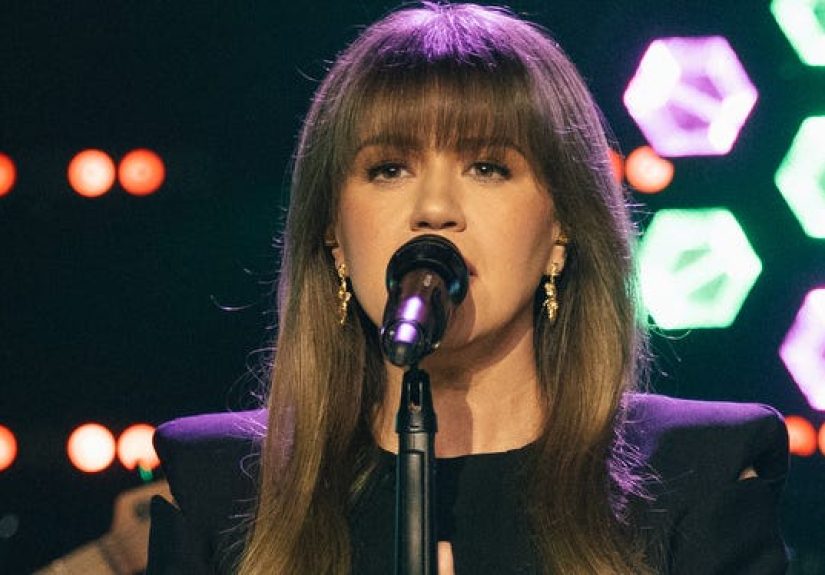
In a standout Kellyoke moment on The Kelly Clarkson Show, Clarkson reached into the vintage magic chest that is The Wizard of Oz and pulled out a song most people don’t expect to hear reimagined as a dramatic, cinematic slow-burn: “If I Only Had a Brain.” It’s the Scarecrow’s signature tuneusually light, bouncy, and charmingly goofy. Kelly’s version? Moody. Sultry. Slightly haunted (in a good way). It’s like the song grew up, moved to a city, got a black turtleneck, and started journaling.
Fans noticed immediately. Comments lit up with variations of: “How is this… actually incredible?” and “Why does this sound like a theme song to a spy thriller where the villain is regret?” And that’s exactly why it workedbecause Clarkson didn’t just sing a classic. She reframed it.
The Song Choice That Caught Everyone Off Guard
When people hear “Wizard of Oz song,” most brains sprint straight to “Over the Rainbow”a cultural heirloom that practically comes with its own emotional support blanket. Clarkson has performed that one too, delivering an emotional rendition that reminded everyone she can handle “iconic” without flinching.
But “If I Only Had a Brain” is a different beast. It’s playful, conversational, and built on the Scarecrow’s wide-eyed optimism. In the original film, the song is basically a tap-dance with jokesmusical theater comfort food.
So why pick that one for a “stuns fans” moment? Because Clarkson knows a secret: the best covers don’t just show off vocals. They reveal new meaning hiding in plain sight.
How Kelly Turned a Whimsical Tune Into a “Dark Oz” Moment
The magic wasn’t just in the notesit was in the choices. Clarkson slowed the tempo, leaned into dramatic phrasing, and treated each lyric like a tiny confession. The result was less “happily skipping down a yellow brick road” and more “standing alone under a streetlight at 2 a.m. wondering if your life choices make sense.”
1) Tempo: The Simplest Trick With the Biggest Impact
Slowing a song down is the cover-artist version of turning on the overhead lighting. Suddenly you see everything: the lyric details, the emotional angles, the parts you never noticed when the tune was bouncing along. With a slower pace, “If I only had a brain” stops being a punchline and starts sounding like a real longinglike someone admitting, quietly, that they’re tired of feeling behind.
2) Vocal Storytelling: Kelly’s Superpower
Plenty of singers can belt. Clarkson can belt tooobviously. But what makes her covers viral isn’t volume; it’s intention. She shapes lines like scenes. She knows when to soften a word, when to stretch a vowel, when to let silence do half the work.
In her “If I Only Had a Brain,” she uses that storytelling muscle to make the Scarecrow’s wish sound human. Not cartoonish. Not theatrical. Human. It becomes a song about insecurity, self-doubt, and the exhausting feeling that everyone else got the instruction manual except you.
3) Arrangement: From Tin Man Groove to Spy-Movie Cinema
Fans joked it sounded like a Bond songand honestly? They weren’t wrong. Clarkson’s version had that cinematic tension: the kind that feels like a slow camera zoom and a dramatic reveal. It’s a classic Clarkson move: take something familiar, twist the mood, and make you rethink the whole song.
Why This Cover Hit So Hard Right Now
Part of the reason this performance landed is timing. The culture has been in a full-on Oz renaissance, with renewed interest in classic Hollywood, Broadway crossovers, and modern reimaginings of familiar stories. Clarkson dropped her moody “Brain” performance in a moment when audiences are already primed for Oz contentbut she didn’t just ride the wave. She reshaped it.
Also, let’s be real: “If I Only Had a Brain” is quietly relatable in 2026. Modern life is basically one long group chat where everyone pretends they understand taxes, technology, and how to cook chicken safely. The Scarecrow’s dilemma? Timeless.
The Lyrics You Thought Were Cute… Until They Weren’t
In the original, the Scarecrow is endearing because he’s optimistic and silly. But the lyric is essentially: “I don’t feel smart enough. I wish I could think better. I wish I could be different.” That’s not just a character quirkthat’s a universal feeling dressed up in straw.
Clarkson’s interpretation pulls those emotions forward. The humor stays in the DNA of the song, but the spotlight moves to the vulnerability underneath. It’s the musical equivalent of watching a comedy and suddenly realizing the funniest character is also the most quietly sad.
Fan Reactions: When the Internet Agrees on Something
It’s rare, but sometimes the internet comes together in harmonylike a choir of chaotic opinions briefly finding one note. This was one of those times.
Fans praised how Clarkson transformed the song’s vibe, with reactions along the lines of “impressive,” “wicked good,” and the ever-popular “HOW does she do this?” Some even started campaigning for her future in Broadway or film soundtracks, because once you hear Clarkson do cinematic drama, your brain immediately starts casting her in everything.
And that’s the real compliment: people weren’t just clapping. They were imagining new doors for her artistry.
Kellyoke as a Masterclass in Modern Covers
Clarkson’s daytime-show covers could’ve been a cute segment. Instead, they’ve become a whole ecosystemone that keeps proving a point: covers still matter. They’re not filler. They’re interpretation.
Her best performances tend to follow a pattern:
- She respects the originalyou can tell she knows why the song mattered.
- She changes one major ingredient (tempo, genre, mood, key, groove).
- She commitsno winking at the camera like “isn’t this silly?”
- She tells a storyeven if it’s a three-minute song from 1939.
That’s why the “Wizard of Oz” moment wasn’t just a novelty. It was a reminder that a truly great vocalist can turn a familiar melody into a fresh emotional experiencewithout needing fireworks, gimmicks, or a ten-minute monologue about “my truth.” (Though to be fair, Kelly could probably make a grocery list sound inspiring.)
Classic Doesn’t Mean Untouchable
Some songs sit in the cultural museum behind velvet ropes. People get nervous about new interpretations, because “classic” often gets confused with “fragile.” But “If I Only Had a Brain” isn’t fragile. It’s resilient. It’s endured because the core emotion is so human.
Clarkson’s cover proves you can honor a classic without copying it. In fact, the best kind of respect is the kind that assumes the song can handle reinvention.
How to Listen to This Performance Like a Music Nerd (Without Becoming Annoying)
Listen for dynamics
Clarkson plays with loud and soft like it’s part of the lyric’s meaning. The quiet parts feel intimate; the bigger moments feel like the emotion finally breaking through.
Notice phrasing
She doesn’t sing every line the same way. Some words get held, some get clipped, some get softenedlike she’s talking to someone, not performing at them.
Pay attention to tone
That “moody” quality isn’t just the arrangement. It’s in her tonewarm, controlled, and intentionally shaded to fit the darker spin.
What This Says About Kelly Clarkson in 2026
At this point, Clarkson isn’t just a pop star with pipes. She’s a curator of songs. She’s built a reputation for taking well-known material and making it feel newly alivesometimes by making it gentler, sometimes by making it rock harder, and sometimes by turning a cheerful Scarecrow number into an emotional thriller.
And that’s the bigger headline hiding inside the clicky one: this “Wizard of Oz” moment isn’t a one-off. It’s part of a long-running pattern of artistic confidence. She trusts her voice, yesbut more importantly, she trusts her taste.
Because anyone can sing a song. Not everyone can make you hear it differently.
Experiences That Make This Kind of Performance Stick With You (500+ Words)
There’s a particular kind of experience that happens when a singer reimagines a classic you thought you knew. It’s not just “wow, great vocals.” It’s more like your memory gets gently rearrangedlike someone moved the furniture in a room you’ve lived in forever, and suddenly you notice the window has always been there.
For many listeners, The Wizard of Oz soundtrack is tied to first experiences: first movie musicals, first time realizing a song can make you feel something you don’t have words for, first time hearing a voice like Judy Garland’s and thinking, “Oh. That’s what emotion sounds like.” So when an artist like Kelly Clarkson steps into that world, it can trigger a surprisingly personal reactionespecially if you grew up with the film playing during holidays, rainy weekends, or “we don’t have cable but we do have this VHS” seasons of life.
One common listener experience is the nostalgia whiplash: you press play expecting something sweet and familiar, and instead you get a mood shift that feels brand new. That’s what Clarkson’s “If I Only Had a Brain” does. You remember the Scarecrow’s silly charm, but you suddenly feel the weight of the wish behind it. And if you’ve ever sat in a meeting, nodded like you understand, and then Googled the topic in the bathroom like it’s a spy missioncongrats, you’ve lived the Scarecrow lyric in real life.
Another experience is what you might call the family echo. Classic songs often live in households across generations: a parent hums them while cooking, a grandparent references them like they’re scripture, a kid absorbs them without realizing they’ll remember them decades later. When a modern performance resurfaces that material, people don’t just hear the songthey hear the room they first heard it in. The couch. The carpet. The smell of popcorn. The dog barking at the TV. That’s why a good cover can feel oddly cinematic: it’s scoring your own memory.
Then there’s the repeat-listen spiral. You know the one: “Let me watch that again,” turns into “I need headphones,” turns into “okay now I’m analyzing the way she shaped that one word,” and suddenly you’re texting a friend, “You don’t even like musicals but TRUST ME.” Clarkson’s covers are especially prone to this because they reward replays. The first listen impresses; the second listen reveals. You start noticing how the arrangement supports the emotional arc, how she builds tension, how she resolves it without over-singing every second.
Finally, there’s the experience performers recognize immediately: permission. When a major artist transforms a classic, it gives everyone else a little creative courage. If Clarkson can take a beloved, theatrical tune and reinterpret it as moody pop-soul drama, it quietly tells other singersprofessional or shower-certifiedthat classics aren’t cages. They’re canvases. The point isn’t to imitate. The point is to connect.
That’s why this moment stuck. Not because it was flashy. Because it was felt. It reminded people that a song from 1939 can still surprise you in 2026especially when a vocalist with real storytelling instincts decides to treat it like it matters.
Conclusion
Kelly Clarkson didn’t just cover a “Wizard of Oz” songshe translated it for a modern emotional vocabulary. By slowing “If I Only Had a Brain” into something darker and more cinematic, she proved (again) that the best covers aren’t about showing off. They’re about revelation.
And if you walked into that performance expecting a whimsical singalong, you probably walked out thinking: “Wait… do I only have a brain on weekdays?”