Table of Contents >> Show >> Hide
- Why Henrybuilt’s Kitchen Island Collection Turned Heads
- Furniture Logic, Not Cabinet Logic
- Why This Collection Still Feels Fresh in Today’s Kitchens
- What Makes a Great Kitchen Island, According to Today’s Design Rules
- Best Uses for a Henrybuilt Kitchen Island
- Materials, Mood, and the Henrybuilt Aesthetic
- Is a Henrybuilt Island Worth the Attention?
- Conclusion
- The Experience: What It Feels Like to Live With a Henrybuilt-Style Kitchen Island
The modern kitchen island has officially outgrown its old job description. It is no longer just a slab in the middle of the room where mail goes to die and grocery bags go to recover from trauma. Today’s island is prep station, storage vault, snack bar, homework desk, party perch, and quiet little architectural flex. That is exactly why Henrybuilt’s kitchen island collection still feels so compelling: it treats the island like a high-performance piece of furniture instead of a glorified cabinet block.
Henrybuilt has built its reputation on refined, made-to-order kitchen systems that balance craftsmanship, engineering, and a deeply practical understanding of how people actually live. The company’s approach has always been less “here is a box with drawers” and more “here is an intelligent object that earns its square footage every single day.” Its island collection captures that philosophy beautifully. These islands are sleek without being sterile, hardworking without looking like restaurant equipment, and customizable enough to please both serious cooks and people who mostly use the kitchen for coffee, takeout, and dramatic sighing.
What makes this collection especially interesting is that it does not just follow kitchen trends. In many ways, it anticipated them. Long before every designer started talking about multifunctional layouts, integrated storage, secondary sinks, hidden appliances, and furniture-style details, Henrybuilt was already building islands that could cook, clean, organize, entertain, and still look gorgeous under a pendant light. Not bad for one piece of furniture.
Why Henrybuilt’s Kitchen Island Collection Turned Heads
Henrybuilt’s island collection landed with a simple but powerful promise: you could bring the company’s design intelligence into an existing kitchen without committing to a full custom system. That mattered then, and it still matters now. Remodeling a whole kitchen can feel like volunteering for a second full-time job. A standalone island, by contrast, offers a more focused way to upgrade the way a kitchen works.
The collection stood out for its flexibility right away. Henrybuilt offered islands in three core formats: open steel-frame models, mobile versions on lockable casters, and floor-mounted units for a more permanent built-in feel. That mix gave homeowners options based on space, style, and how committed they were to moving furniture around when inspiration struck. Some kitchens need a grounded centerpiece. Others need a nimble workhorse that can shift as the room changes. Henrybuilt, refreshingly, seemed to understand that not every household cooks the same way.
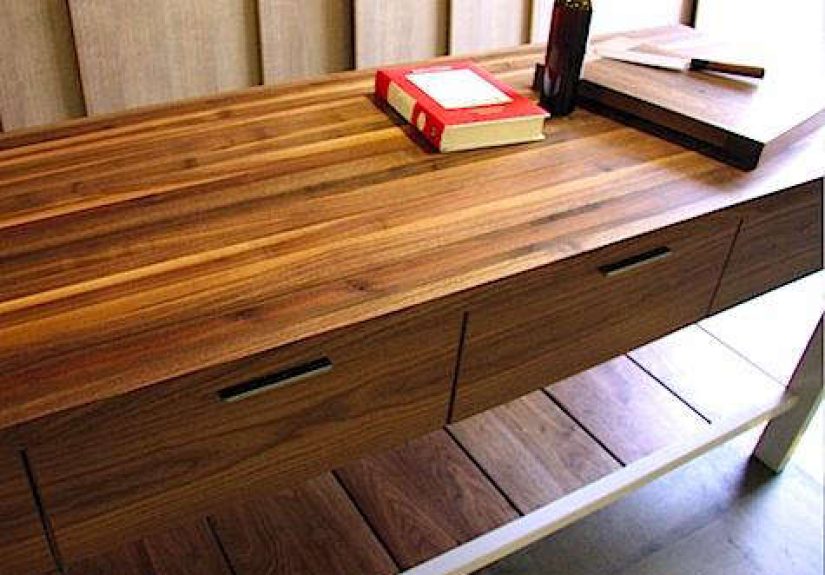
Just as important, these islands were built to order and could be specified with serious functional features such as sinks, cooktops, ovens, and trash or recycling units. In other words, this was not decorative “island theater.” It was real kitchen infrastructure wearing very good tailoring. The collection also leaned into materials and details that made the pieces feel warm and tactile rather than mechanical. One standout version featured solid walnut, a smooth work surface, two storage drawers, and a slatted lower shelf for open storage. Other configurations included customizable drawer inserts and even in-counter storage for knives and bottles. That last detail alone feels like a tiny love letter to people who hate countertop clutter.
Furniture Logic, Not Cabinet Logic
The smartest thing Henrybuilt does is design kitchen elements with furniture logic. That sounds fancy, but the idea is simple: the island is meant to be lived with, seen from all sides, and used in motion. It is not just a row of base cabinets marooned in the middle of the room.
That mindset changes everything. The island becomes lighter, more intentional, and far more social. Open steel framing gives some versions an airy profile instead of the usual heavy blocky stance. Mobile units on casters introduce flexibility that many kitchens desperately need. Floor-mounted models create permanence for homeowners who want their island to function like a central command station. All three approaches solve different problems, which is exactly what good design is supposed to do.
This furniture-first approach also explains why Henrybuilt’s later island concepts have remained so appealing. The company’s Bake Off Island pushed the idea of an island as an active cooking tool, complete with a bar-style ledge, integrated outlets, cutting boards, and custom cutlery storage. The Fluted Island introduced more texture and personality, pairing a walnut body with fluted columns, a powder-coated steel base, darkened brass pulls, and deeply considered drawer organization. More recently, Henrybuilt’s Diplomat Island has leaned even harder into the idea of the island as a master workbench: part prep zone, part serving station, part sculptural centerpiece.
Taken together, these pieces suggest that Henrybuilt does not see the island as filler. It sees it as the hero object of the kitchen. Frankly, that feels correct.
Why This Collection Still Feels Fresh in Today’s Kitchens
If you have spent any time reading design forecasts lately, you already know where kitchens are headed. Homeowners want more functionality packed into cleaner, calmer spaces. They want their kitchens to work harder while looking less cluttered. They want larger island surfaces, integrated seating, undercounter appliances, prep sinks, and smarter storage that keeps daily-use items within reach. In other words, the market has caught up to what Henrybuilt has been doing for years.
Open-plan living is a big reason for that shift. In many homes, the kitchen is no longer tucked away as a separate work zone. It bleeds into the dining space, the family room, and often the entire rhythm of the house. That means the island has to perform double duty. It must support cooking while also acting as a visual anchor and social buffer. A good island invites conversation without turning dinner prep into a public obstacle course.
That is where Henrybuilt’s restraint becomes a strength. The islands do not scream for attention with gimmicks. Instead, they quietly solve real problems: where to chop, where to stash tools, where to hide mess, where to plug something in, where guests can sit without standing directly in the path of the person carrying boiling pasta water like an Olympic event.
What Makes a Great Kitchen Island, According to Today’s Design Rules
1. It respects kitchen workflow
An island should improve movement, not create a daily traffic jam. Good kitchen planning still depends on a strong relationship between the sink, refrigerator, and cooking surface. When an island includes a prep sink or helps compact the work triangle, it can make the entire room more efficient. Henrybuilt’s ability to integrate sinks, cooktops, and working storage makes the island feel less like an add-on and more like a strategic part of the kitchen plan.
2. It earns its footprint with storage
Storage is where islands either shine or completely phone it in. The best ones use a mix of drawers, cabinets, shelving, and specialized inserts to make everyday tools easy to reach. Henrybuilt has long excelled here, from customizable drawer systems to integrated knife storage and clever open shelves. That aligns perfectly with what kitchen experts continue to recommend now: hidden storage for bulky essentials, open storage where it adds convenience or visual relief, and interior organization that prevents drawers from becoming archaeological sites.
3. It handles seating with common sense
Everybody loves the idea of island seating until the stools start colliding with knees, backpacks, and reality. A well-designed island seating area needs elbow room, tuck-under clearance, and enough circulation space behind diners. Henrybuilt’s furniture-style thinking helps because it naturally considers how people gather around an object, not just how drawers line up beneath it. The result is an island that is more likely to feel welcoming than wedged-in.
4. It looks good from every angle
Since islands are visible from multiple sides, they should have the finish quality of furniture, not the visual energy of “unfinished back panel, but make it expensive.” Henrybuilt understands this at a deep level. Wood grain, steel framing, fluted detailing, integrated ledges, and refined proportions all help the collection read as architecture-meets-furniture rather than standard cabinetry dropped into the room.
Best Uses for a Henrybuilt Kitchen Island
For serious cooks
If you actually cook most nights, a Henrybuilt-style island makes a lot of sense. Integrated prep surfaces, specialized storage, knife organization, cutting boards, and the option to incorporate a sink or cooktop all support real workflow. This is the kind of island that wants you to chiffonade herbs with confidence, not just assemble a charcuterie board and call it “hosting.”
For entertainers
A great kitchen island can hide the work while supporting the fun. Features like bar ledges, seating zones, open display shelves, beverage storage, and service-friendly surfaces make the island a bridge between cooking and gathering. Henrybuilt has always leaned into that balance. The island becomes a social magnet without sacrificing the practical guts that make it useful on a random Tuesday.
For smaller kitchens
Not every kitchen can accommodate a giant monolithic island, and that is where Henrybuilt’s mobile and lighter-framed concepts feel especially smart. A compact or movable island can add prep space, storage, and casual seating without crushing traffic flow. That is a major reason furniture-like islands continue to show up in design coverage for smaller kitchens: they provide flexibility without visual heaviness.
For open-plan homes
In open layouts, the island has to behave like architecture. It needs to define the kitchen zone, support storage, and look polished from the living room side. Henrybuilt’s broader system thinking helps here. The company has developed adjacent elements like partition walls, accessory systems, and coordinated storage that can make the kitchen feel integrated rather than isolated. The island becomes part of a larger domestic ecosystem. Yes, that sounds a little dramatic. Kitchens deserve drama when it is useful.
Materials, Mood, and the Henrybuilt Aesthetic
One reason design professionals keep coming back to Henrybuilt is that the brand knows how to make function look calm. Walnut appears often, and for good reason: it gives warmth, depth, and that quietly luxurious tone homeowners love. Steel introduces precision and lightness. Brass details add a little edge. Slatted shelving, tongue-and-groove paneling, and fluted elements create texture without noise.
This palette also fits beautifully with broader kitchen trends. Designers continue to favor islands that feel sculptural, tactile, and visually grounded, whether that shows up through wood, dramatic stone, waterfall edges, or layered mixed materials. Henrybuilt’s version is more controlled and less showy than some trend-driven kitchens, which is probably why it ages so well. It has character, but it does not beg for compliments every five seconds.
Is a Henrybuilt Island Worth the Attention?
For homeowners who care about long-term livability, the answer is yes. Henrybuilt is not playing in the budget category, and it does not pretend to. This is a made-to-order, design-forward product line rooted in craftsmanship, tailored planning, and a high level of detail. But that is also the point. A kitchen island is one of the most used elements in the home. If any piece deserves thoughtful design, durable materials, and smarter storage, it is this one.
What Henrybuilt offers is not just beauty. It is a clear argument that a kitchen island should be as intelligent as it is attractive. That argument still feels relevant because homeowners are asking more of their kitchens than ever before. They want less clutter, more flexibility, and pieces that support daily life without making the room feel overworked. Henrybuilt’s island collection delivers on that brief with a level of refinement that still feels ahead of the pack.
Conclusion
Henrybuilt’s new kitchen island collection deserves attention because it gets the fundamentals right. It brings together custom craftsmanship, serious utility, graceful materials, and the kind of thoughtful detailing that turns a kitchen from merely functional into deeply enjoyable. Whether you are drawn to the original collection’s open steel frames, mobile units, and floor-mounted designs, or to the brand’s later experiments with fluted forms, integrated tools, and workbench-like prep zones, the message is consistent: a kitchen island should do more than sit there looking expensive.
It should support the way you cook, host, clean, store, gather, and move through the day. And if it happens to make your kitchen look far more polished while doing all of that, well, that is what we in the industry call a very nice bonus.
The Experience: What It Feels Like to Live With a Henrybuilt-Style Kitchen Island
There is a big difference between admiring a beautiful kitchen island in a photograph and living with one through the very unglamorous details of actual life. The real test begins at 7:12 a.m., when someone is hunting for coffee, someone else is searching for a lunch container, and a third person has decided the island is the perfect place to drop mail, keys, and one lonely sports bottle. A Henrybuilt-style island earns its keep in those moments because it is built around rhythm, not fantasy. The drawers open where you want them. The tools are where they should be. The surface is generous enough for breakfast prep without becoming a junk magnet the size of a small nation.
That daily experience is probably the biggest reason the Henrybuilt approach resonates with design-minded homeowners. The island does not just look composed; it helps the room stay composed. You notice it when knives have a proper home, when cutting boards tuck away instead of leaning awkwardly against a backsplash, and when deep drawers make it possible to store heavy cookware without getting down on the floor and negotiating with a dark cabinet corner. It is a subtle luxury, but a real one. The kitchen feels less chaotic, and you feel less like you are playing a game called “Guess Which Drawer the Tongs Are In.”
Then there is the social side. A well-designed island changes how people gather. Guests naturally drift toward it, but they do not necessarily get in the way. That is the sweet spot. The cook can keep working, the conversation keeps moving, and the island acts like a buffer between task and leisure. Someone leans on the outer ledge with a drink. Someone else sits on a stool and talks about a TV show nobody can agree on. Snacks appear. A child starts homework at one end. Suddenly the kitchen is doing what modern kitchens are supposed to do: hosting life in multiple lanes at once without feeling chaotic.
What also stands out over time is the visual calm. Because Henrybuilt-style islands are designed like furniture, they tend to feel deliberate from every angle. You are not constantly looking at a bulky mass in the middle of the room. Instead, you get proportions, material warmth, and details that feel intentional in morning light, afternoon mess, and late-night cleanup mode. Walnut ages gracefully. Metal accents hold their crispness. Open shelves can display beautiful everyday pieces, while the closed storage keeps the not-so-photogenic essentials out of sight. It is a practical kind of beauty, which is usually the kind that lasts longest.
And perhaps that is the real experience this kind of island creates: confidence. You feel more prepared to cook because the tools are organized. You feel more willing to invite people over because the kitchen supports gathering. You feel less overwhelmed by clutter because storage is working in your favor. No single object can fix a household, of course. A kitchen island cannot answer emails, fold laundry, or convince your family to put dishes directly into the dishwasher. Let us not get carried away. But a smart island can remove friction from everyday routines, and that matters more than many flashy trends ever will. The best kitchen design does not simply photograph well; it makes the day run better. Henrybuilt’s island philosophy understands that, which is why the experience feels so satisfying long after the remodel glow wears off.