Table of Contents >> Show >> Hide
- What the KitchenAid Artisan Actually Is
- Quick Specs That Matter (and Why You Should Care)
- How the Artisan Performs in Real Cooking
- Tilt-Head Design: Convenience You’ll Notice Every Time
- Attachments: The Mixer That Can Become a Small Appliance Army
- Cleaning, Care, and “Please Don’t Do This” Tips
- Common Mistakes (and How to Avoid Them)
- How It Compares: Artisan vs. Other KitchenAid Options
- Is the KitchenAid Artisan Stand Mixer Worth It?
- Experiences With the KitchenAid Artisan Stand Mixer (Real-World Feel, Tips, and “What I Wish I Knew”)
- SEO Tags
If you’ve ever watched someone casually whip up silky buttercream, knead bread dough like it’s therapy, or crank out cookie dough for an entire neighborhood… there’s a decent chance a KitchenAid Artisan Stand Mixer was humming in the background like the world’s most helpful countertop roommate.
The Artisan isn’t just a stand mixer. It’s a kitchen identity. It’s the appliance people register for, inherit, name (yes, really), and refuse to store in a cabinet because it’s “too pretty to hide.” But underneath the iconic curves and the “which color matches my soul?” decision is a practical machine with a specific sweet spot: everyday baking and cooking tasks, done faster, more consistently, and with way less arm workout.
What the KitchenAid Artisan Actually Is
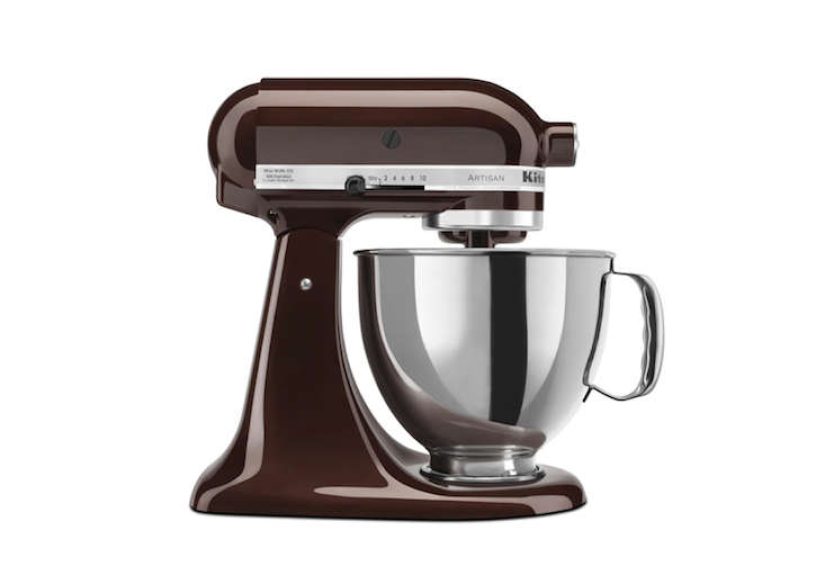
The KitchenAid Artisan is a 5-quart, tilt-head stand mixer designed for home cooks who want a reliable, versatile machine for mixing, beating, whipping, and kneadingwithout needing commercial-kitchen size or weight. The tilt-head design means the top of the mixer lifts up so you can add ingredients, swap attachments, and scrape the bowl without gymnastics.
Think of it as the “do-most-things-really-well” option: big enough for holiday baking, approachable enough for weeknight pizza dough, and flexible enough to branch into fun projects using hub-powered attachments.
Quick Specs That Matter (and Why You Should Care)
5-quart bowl capacity: the “batch math” win
A 5-quart bowl is the Goldilocks zone for many households: not tiny, not industrial. You can comfortably mix a standard cake batter, a double batch of cookies, or enough mashed potatoes to make your family suspicious you’re hosting a secret potluck. KitchenAid positions the bowl as capable of handling large cookie batches in one go, which speaks to its “party season” intent.
10 speeds: more than just “slow” and “panic”
The Artisan’s speed range is one of its best featuresbecause recipes aren’t one-speed-fits-all. Slow speeds help combine dry ingredients without launching flour into the atmosphere; mid speeds cream butter and sugar into fluffy perfection; higher speeds whip cream and egg whites into cloud-level peaks.
Also, there’s an important real-world note for dough: for yeast doughs, lower speeds aren’t “wimpy”they’re smart. High speed kneading can stress dough and your machine. The Artisan is built to knead, but it’s happiest when you respect the lower-speed guidance for bread work.
Power and performance: what “325 watts” feels like
Wattage isn’t the whole story (torque and gearing matter), but it’s still useful context. In daily use, the Artisan has enough strength to cream thick cookie dough, power through frosting, and knead typical bread doughsespecially for standard-sized batches. Where you’ll feel the limits is with very stiff, low-hydration doughs (think bagels) or oversized batches that push the motor and make the mixer “walk” if you ignore speed guidance.
Metal construction and mixing action: why it looks stable (because it is)
Part of the Artisan’s reputation comes from how it mixes: consistent contact around the bowl, solid body construction, and a design meant to last through many baking eras (from “I’m learning muffins” to “I make croissants now”). In practice, that means fewer unmixed pockets and a more even resultthough you’ll still want to scrape the bowl sometimes, because batter has hobbies.
How the Artisan Performs in Real Cooking
Cookies: the creaming test
Cookie dough is where stand mixers earn their keep. The Artisan shines at creaming butter and sugar into a light, fluffy baseone of the biggest factors in cookie texture. With the paddle/flat beater, it builds structure without you having to stand there holding a hand mixer like you’re auditioning for a forearm sponsorship.
Tip: Start slow when adding flour. Flour is sneaky. Flour wants to escape. Your kitchen does not need a new “powdered snow” aesthetic.
Cakes and cupcakes: smooth batter without overmixing
For most cake batters, the Artisan gives you control. Mix on low to combine, then stop as soon as the batter is smooth. Overmixing can make cakes tough, and a strong mixer can absolutely overmix if you treat it like a blender. (Respect the batter. It’s fragile. Like your confidence the first time a soufflé collapses.)
Frosting and buttercream: where it becomes your best friend
Buttercream is one of the best reasons to own a stand mixer. The Artisan can whip butter, incorporate powdered sugar gradually, and beat the mixture into something light enough to make you say, “Wait… I made this?” It also handles cream cheese frosting well, as long as ingredients are at the right temperature.
Pro move: Use the whisk for airy frostings or whipped cream, and the paddle for thick buttercream. Different tools, different vibes.
Whipped cream, meringue, and egg whites: the “I don’t want to hold a mixer for 7 minutes” category
The whisk attachment is the fast lane to whipped cream and glossy peaks. If you bake often (or even occasionally), this alone can justify the counter space. Meringues benefit from steady, consistent whippingand the Artisan does that while you pretend you’re doing “very important kitchen tasks” (like tasting chocolate chips).
Bread and pizza dough: yes, but with common sense
The Artisan can knead a lot of everyday yeast doughssandwich bread, dinner rolls, pizza doughespecially when you keep to lower speeds for kneading. Where it can struggle is with very stiff doughs, very large batches, or long kneading sessions that push the motor. If you routinely make dense doughs at big volume (bagels, large sourdough batches, heavy brioche marathons), a bowl-lift model is often a better fit.
For most households, though? A couple of pizza dough balls, a standard loaf dough, or a batch of rolls is well within the Artisan’s comfort zoneassuming you knead at the right speed and don’t overload the bowl.
Tilt-Head Design: Convenience You’ll Notice Every Time
The tilt-head feature feels small until you use it daily. It makes adding ingredients easier, swapping attachments faster, and scraping the bowl less annoying. It also makes the Artisan slightly more compact than some bowl-lift models, which matters if you live in a world where cabinet clearance is a real villain.
One practical note: lock the head while mixing. If you ever see wobble, it’s usually user setup (or a loose adjustment) rather than a “your mixer is doomed” situation.
Attachments: The Mixer That Can Become a Small Appliance Army
The Artisan’s power hub is a huge part of its long-term value. With optional attachments, it can expand into tasks that would otherwise require dedicated appliances you’ll use twice a year and then store like archaeological artifacts.
Popular hub-powered attachments people actually use
- Pasta roller/cutter: fresh sheets and noodles without hand-cranking.
- Meat grinder: burgers, sausages, and custom blends (hello, brisket-burger era).
- Spiralizer: veggie noodles, curls, and “I’m being healthy” illusions.
- Shredder/slicer: cheese, veggies, quick prep for salads and casseroles.
- Ice cream maker attachment: a classic add-on for summer projects (with compatibility caveats depending on model).
If you’re the kind of person who loves “one tool that does many things,” the Artisan makes a strong case for itself over timeespecially if you buy attachments strategically instead of collecting them like Pokémon.
Cleaning, Care, and “Please Don’t Do This” Tips
Cleaning basics
In typical configurations, the bowl and some attachments are dishwasher-safe, while the whisk often requires hand-washing. That’s not the end of the worldit’s just the price of airy whipped cream and the illusion that you’re a pastry chef.
Beater-to-bowl clearance: the quiet secret to better mixing
If your beater isn’t reaching ingredients at the bottomor it’s scraping too aggressivelyclearance adjustment can help. This is one of those “tiny tweak, big payoff” steps that makes mixing more consistent and reduces the need to babysit the bowl with a spatula.
Speed discipline for dough
When kneading yeast dough, lower speed is not a suggestionit’s the path to a longer-lasting machine and better dough development. High speeds can stress the motor, stress the dough, and stress you when you hear the mixer complain.
Common Mistakes (and How to Avoid Them)
- Overfilling the bowl: If your batter is trying to climb the paddle like it’s escaping, you’re too full.
- Dumping flour at high speed: Congratulations, you’ve created a kitchen weather system.
- Kneading dough too fast: Lower speed is the win for yeast dough.
- Never scraping the bowl: Even great mixers benefit from a quick scrapeespecially for thick batters.
- Expecting one attachment to do everything: Paddle for thick mixing, whisk for aeration, dough hook for kneading. Let the tools do their jobs.
How It Compares: Artisan vs. Other KitchenAid Options
Artisan vs. Classic (tilt-head)
The Classic line is often a more budget-friendly entry point with a smaller bowl and fewer style options. If you bake occasionally and want the KitchenAid experience without the color obsession, the Classic can make sense. If you bake often, love larger batches, or want the widest variety of colors and accessories, the Artisan tends to be the better long-term buy.
Artisan vs. Artisan Mini
If you have a small kitchen or limited storage, the Mini is attractive. But if you want the flexibility of a 5-quart bowl (and the comfort of not having to split recipes), the full-size Artisan usually feels better day-to-day.
Artisan vs. Bowl-Lift models
If your baking life includes frequent heavy doughs, huge batches, or you simply want maximum stability and power, bowl-lift models are often the smarter match. Many reviewers and test kitchens prefer bowl-lift mixers for demanding dough work. The Artisan, meanwhile, wins on convenience, size, and “most-people-most-recipes” practicality.
Is the KitchenAid Artisan Stand Mixer Worth It?
For many home cooks, yesbecause it’s not just about speed. It’s about consistency, capacity, and turning “I might bake” into “I can bake.” It reduces friction. It makes big projects feel manageable. And it does enough different tasks well that it can earn its counter space.
Buy it if: you bake regularly, want a reliable all-purpose stand mixer, enjoy optional attachments, and prefer a tilt-head design.
Consider a bowl-lift if: you regularly make stiff doughs, bake in very large batches, or want maximum stability for heavy work.
Experiences With the KitchenAid Artisan Stand Mixer (Real-World Feel, Tips, and “What I Wish I Knew”)
Ask a group of home bakers about the KitchenAid Artisan and you’ll hear a pattern: the first week is a mix of excitement and small surprises. People tend to start with something dramaticcookie dough, cinnamon rolls, or whipped creambecause the mixer makes those wins feel instant. The most common “wow” moment is creaming butter and sugar. It’s not just faster; the mixture gets noticeably lighter and fluffier than hand mixing, which shows up later as softer cookies or a more tender cake crumb.
Then comes the “oh right, it’s powerful” lesson: if you add flour too quickly at anything above low speed, you’ll learn how far flour can travel without a passport. Many owners develop a rhythmstart on stir/low, drizzle in dry ingredients slowly, and only increase speed once everything is safely contained. It’s a small habit, but it’s the difference between a calm baking session and a kitchen that looks like it hosted a powdered sugar festival.
For frosting lovers, the Artisan often becomes a holiday MVP. Making buttercream by hand is doable, but it’s a commitment. With the stand mixer, you can add powdered sugar gradually, pause to scrape, and whip until it’s smooth and airywhile you prep cupcakes or clean as you go. People also tend to fall in love with the whisk for whipped cream and meringue because it’s so hands-off. You set the speed, watch the texture change, and feel like you’re cheating (in a good way).
On the savory side, a surprisingly common “I didn’t expect to use it for this” moment is shredding cooked chicken with the paddle. It’s quick, it’s oddly satisfying, and it makes taco night feel like a life upgrade. Mashed potatoes are another crowd-pleaser: they come out smooth, but the real trick is not overmixingif you push too hard, potatoes can turn gluey. A lot of experienced users recommend mixing briefly, then stopping as soon as the texture looks right.
When it comes to bread, many owners report a learning curve that’s more about technique than the machine. The dough hook works best when you respect the lower kneading speed and avoid oversized batches. A typical experience is starting with pizza dough (friendly, forgiving), then moving into sandwich loaves, and eventually trying something stifferwhere you realize a bowl-lift model might be better if you’re going full bagel obsession. But for everyday yeast doughs, the Artisan feels like a steady helper: it brings dough together quickly and lets you focus on fermentation and shaping instead of elbow grease.
Finally, there’s the “living with it” reality: it’s heavy enough that most people leave it on the counter, and once you do, you use it more. The Artisan tends to become part tool, part décor, part motivation. When it’s visible, baking projects feel less like effort and more like an optionlike, “Sure, I can make cookies. The mixer’s already there, looking confident.”