Table of Contents >> Show >> Hide
- What Is Kvadrat Tonus 4?
- Quick Spec Snapshot
- Performance in Plain English
- How Tonus 4 Looks in Real Rooms
- Specifying Tonus 4 the Smart Way
- Care and Maintenance
- Sustainability and Certifications (Without the Greenwashing)
- FAQ: Common Questions About Kvadrat Tonus 4
- Real-World Experiences with Kvadrat Tonus 4 (Extra )
- Final Take
If upholstery fabrics had a “quietly iconic” hall of fame, Kvadrat Tonus 4 would be sitting in the front row,
perfectly tailored, pretending it “doesn’t really do attention,” while everyone else is clearly staring.
It’s the kind of textile designers reach for when they want color to look alive (not loud), durability to be real (not marketing),
and texture to feel expensive without feeling fussy.
This article breaks down what Tonus 4 is, why it behaves differently than many wool upholsteries, how to specify it intelligently
for homes and commercial spaces, and how to keep it looking sharp long after the “new sofa smell” phase. And yesthere’s a
dedicated section at the end for real-world experiences people commonly report with Tonus 4, because specs are great, but lived-in
furniture is the actual exam.
What Is Kvadrat Tonus 4?
Tonus 4 is an elastic wool upholstery fabric from Kvadrat, positioned as a color update of the classic “Tonus.”
The key word here is elastic: Tonus 4 is designed to play nicely with modern, organic furniture shapesthink curved shells,
rounded backs, and those sculptural lounge chairs that look like they belong in a museum… but still need to survive Tuesday.
A Classic Textile, Re-tuned for Modern Color
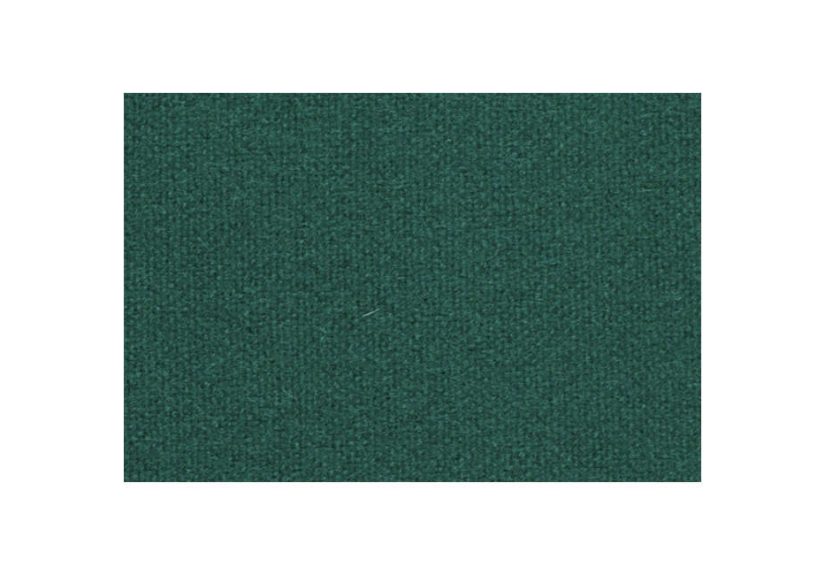
Tonus 4 is known for rare color richnessmore “deep, glowing pigment” than “flat paint chip.” The line is offered in
47 hues, including 19 newer colors, with overall brightness and intensity pushed a bit further
than earlier iterations. That makes it especially appealing when you want saturated color that still reads refined rather than flashy.
Why “Elastic Upholstery Fabric” Actually Matters
Upholstery is geometry plus tension. Many fabrics behave beautifully on a flat seat and then get cranky the moment you wrap them
around a compound curve. Tonus 4’s elasticity helps it conform more smoothly to rounded forms, reducing the chance of awkward ripples,
stress lines, or puckering at tight radii. In plain English: it’s friendlier to the upholsterer, and it often looks cleaner on curvy furniture.
Quick Spec Snapshot
If you only need the “tell me the important stuff” version, here it is:
- Composition: 90% wool, 10% nylon (often listed as Helanca)
- Width: approx. 55 inches (about 140 cm)
- Weight: about 665 g per linear meter (commonly listed around 21–23 oz per linear yard depending on source formatting)
- Abrasion (Martindale): 100,000 cycles (high durability)
- Pilling: 3 (mid-range on a 1–5 scale; typical for woolen yarn textiles)
- Lightfastness: commonly reported around grade 5–7 (scale 1–8)
- Warranty: 10 years (as listed by the manufacturer)
- Construction notes: woolen yarn; plain weave; slight color differences can occur; foreign fibers may occur (especially in light colors)
- Roll length: approx. 24 meters (about 26 yards)
Performance in Plain English
Durability: 100,000 Martindale Sounds Like “Indestructible”… But Let’s Be Smart
Tonus 4’s abrasion rating is one reason it’s widely specified in demanding settings. A high Martindale number indicates strong resistance
to surface wear under standardized testing. That said, professionals in the contract textile world emphasize that super-high abrasion results
are not a magic fortune-teller for lifespan. Real life includes seam abrasion, edge wear, body oils, cleaning habits,
UV exposure, friction from metal rivets, and the occasional person who treats your sofa like a rock-climbing wall.
In other words: Tonus 4 is legitimately tough, but durability is still a systemfabric + upholstery method + foam + use environment + maintenance.
Use the abrasion rating as a strong baseline, not a dare.
Pilling: Why a “3” Isn’t a Dealbreaker
Woolen yarn textiles can pill. It’s not a moral failing; it’s physics. Friction loosens tiny fiber ends, and they can ball up on the surface.
A pilling score of 3 typically means pilling may appear with use, especially in high-friction zones (seat fronts, arm tops, cushion edges).
The good news: pilling usually stabilizes after an initial break-in period, and it’s manageable. Regular vacuuming (soft brush attachment) and
gentle de-pilling tools used carefully can keep the surface looking polished without damaging the fabric.
Lightfastness: Color Loves Light… Until It Doesn’t
Lightfastness measures how well color holds up under light exposure. Tonus 4 is often reported around grade 5–7 (out of 8), which is solid.
Still, any richly colored textile can fade if it’s in direct, daily sunespecially near big windows in bright climates.
If you’re specifying a bold jewel tone for a south-facing bay window, consider simple protective strategies:
UV-filtering window film, lined drapery, rotating cushions, or selecting a slightly more forgiving mid-tone that fades less noticeably.
How Tonus 4 Looks in Real Rooms
The “Living Color” Effect
Tonus 4’s color is part pigment, part optics. The textile’s surface doesn’t read as a single flat shade; it tends to show subtle depth as light
moves across it. In a room, that means a sofa can feel more dynamic without needing pattern.
Material Pairings That Work (Almost Suspiciously) Well
- Warm woods (walnut, oak): Tonus 4 adds softness and color depth without fighting the grain.
- Blackened steel or powder-coated metal: The fabric keeps the look from going cold or overly industrial.
- Brass accents: Tonus 4 can make brass feel intentional instead of “I bought this lamp because it looked expensive.”
- Stone and concrete: Great in modern spacesTonus 4 adds comfort without turning the room into a pillow fort.
Specific Examples (So You Can Actually Picture It)
Example 1: A sculptural lounge chair
A curvy lounge chair shell upholstered in Tonus 4 (say, a saturated clay-red or a deep petrol blue) looks crisp because the fabric conforms
smoothly over the compound curves. The color reads rich, not shiny, so it feels premium rather than “stage costume.”
Example 2: A hotel banquette
In a hospitality setting, Tonus 4 can handle frequent use while offering color sophistication that doesn’t scream “commercial fabric.”
A heathered neutral can hide minor wear, while a muted green or navy adds mood without overwhelming the space.
Example 3: A home sectional that has to survive real humans
Tonus 4 is often chosen for living rooms where people actually livesnacks, kids, the occasional “I didn’t know pens could explode” moment.
With sensible maintenance, it keeps its structure and visual richness in a way many softer “cozy” fabrics struggle to match long-term.
Specifying Tonus 4 the Smart Way
Residential Use: Comfort + Practicality
For homes, Tonus 4 hits a sweet spot: tactile warmth from wool, structure from the weave, and enough durability for everyday use.
If you have pets, consider mid-tone colors or subtle mélange shades that camouflage the reality of fur (a lifestyle, not a mistake).
Commercial Use: Where Tonus 4 Shines
Tonus 4 is frequently specified in offices, lounges, libraries, hotels, and other high-traffic areas because it balances performance
with aesthetics. It can read “design-forward” without being preciouscritical for spaces where furniture gets used all day, every day.
For commercial compliance, always confirm the exact fire testing and certification requirements for your project location and furniture assembly.
Upholstery compliance often depends on the full build-up (fabric + foam + barrier), not the fabric alone.
Upholstery Details: Seams, Direction, and That One Upholsterer Who Will Judge You
Tonus 4 is commonly listed as directional, which matters for cutting and layout. Directional fabrics can reflect light differently
depending on nap or weave orientation, so consistent panel direction helps avoid visible shading differences across cushions.
If you’re upholstering a piece with lots of seams or tight tailoring, pay attention to seam placement and reinforcement. Seam slippage values
indicate how the fabric behaves when tension is concentrated at seamshelpful when deciding if additional backing, seam tapes, or construction
adjustments make sense for certain applications.
Yardage Basics (Because Math Is Rude but Necessary)
Yardage varies wildly by furniture style, cushion count, pattern matching (less relevant here), and whether you’re doing welt/piping.
As a rough planning mindset:
- Dining chair seat: often ~1 yard per seat (varies by design)
- Fully upholstered dining chair: often 2–3 yards
- Standard lounge chair: often 3–5 yards
- Sofa: frequently 12–18 yards depending on size/style
Always confirm with your upholsterer or furniture maker. They know the difference between “about right” and “I am one yard short and now we’re all upset.”
Care and Maintenance
Routine Care: Small Habits, Big Payoff
Regular vacuuming helps remove dust and grit that can wear fibers down over time. Use a soft brush attachment and avoid aggressive settings.
Think “gentle spa day,” not “industrial car wash.”
Stain Removal: Fast, Calm, and Not Dramatic
- Act quickly. Fresh spills are easier than “mysterious spot discovered next Tuesday.”
- Lift solids carefully. Use a spoon or dull edgedon’t grind anything into the fibers.
- Blot liquids. Use a clean, absorbent cloth. Don’t rub like you’re trying to start a fire.
- Dab non-greasy stains with warm water. Use a lint-free cloth or sponge, wrung out well.
- Test cleaners first. Always test in an inconspicuous spot.
Deep Cleaning: When “Good Enough” Isn’t Enough
For larger stains or periodic refreshes, professional dry cleaning or professional upholstery cleaning methods are often recommended.
Avoid oversaturating the textile. Over-wetting can cause edge marks and can stress upholstery components underneath.
What Not to Do (Your Sofa Will Thank You)
- Don’t machine wash wool upholstery covers unless explicitly stated as safe by the manufacturer (many wool covers are dry clean only).
- Don’t use bleach.
- Don’t rely on steam cleaning as a defaultsteam can drive dirt deeper and cause problems later.
- Don’t assume “fabric protector” is always a good idea; wool is naturally dirt-repellent, and some treatments can affect performance.
Sustainability and Certifications (Without the Greenwashing)
Tonus 4 often appears in design specifications where indoor air quality and material transparency matterespecially for workplace and public projects.
Depending on the project and region, documentation may include items such as GREENGUARD Gold (low emissions),
HPD (Health Product Declaration), and EPD (Environmental Product Declaration), as well as compliance claims tied
to eco-label frameworks like the EU Ecolabel.
Why Wool Is a Strong Base Material
Wool is renewable, naturally durable, and tends to be odor-resistant. It also has practical performance traits (like moisture management)
that help upholstery feel comfortable over time. Sustainability isn’t just “what it’s made of,” but how long it lasts before replacement.
Long service life is underrated climate strategyand also underrated sanity strategy.
A Quick Note on Responsible Sourcing
If your project requires animal welfare and land management assurance, look for wool sourcing standards such as the
Responsible Wool Standard (RWS) in your broader materials strategy. Not every fabric is RWS-certified by default,
but the standard is widely used as a benchmark for responsible wool supply chains.
FAQ: Common Questions About Kvadrat Tonus 4
Is Tonus 4 good for a family room sofa?
Often, yesespecially if you want a balance of refined texture and real durability. Choose a smart color (mid-tones can be forgiving),
maintain it regularly, and don’t treat it like it’s disposable.
Will it feel scratchy?
Most people describe Tonus 4 as structured and warm rather than fuzzy-soft like a chenille. It’s not a blanket fabric; it’s a tailored suit fabric
for furniture. If you want ultra-plush softness, you might prefer a different textile category.
Does 100,000 Martindale mean it lasts forever?
It means it performs strongly in abrasion testing. Real-world lifespan still depends on upholstery construction, cleaning, environment,
and how the furniture is used.
Is Tonus 4 a good choice for curved furniture?
That’s one of its signature strengths. Its elastic nature is often specifically valued for modern organic shapes.
Real-World Experiences with Kvadrat Tonus 4 (Extra )
Specs can tell you what Tonus 4 should do. Experiences tell you what it actually does when life happenswhen someone sits
in the same spot every day, when sunlight hits the armrest at 4 p.m., when the dog decides the sofa is a meeting room for squirrels only,
and when the upholstery has to keep looking intentional even after a year of being genuinely used.
One of the most common “first impressions” people report is that Tonus 4 looks richer in person than it does online. That’s not hype; it’s
the way the fabric handles light. Many colorways have a depth that reads almost three-dimensionalsubtle shifts as you walk past,
especially under warm residential lighting. Designers often describe this as the fabric “bringing the color to life,” because it doesn’t sit on
the surface like flat dye; it feels embedded. If you’re choosing between two close colors, ordering physical swatches is less “optional”
and more “basic self-care.”
Upholsterers frequently note that Tonus 4 behaves well on curved piecesparticularly chairs and sculptural forms where a stiffer fabric might
wrinkle or fight the shape. The elasticity can make it easier to achieve a smooth finish, which is a big deal on tight upholstery where every
ripple looks like an announcement. That said, the same elasticity is why careful cutting and consistent direction can matter: if panels are
oriented differently, you may see slight shading differences across cushions under certain lighting. People who have reupholstered older
pieces sometimes mention that the “directional” nature becomes noticeable only after installationso it’s worth flagging to whoever is doing
the cutting.
In day-to-day use, Tonus 4 is often described as “structured” rather than “snuggly.” That’s not a negativemore like the difference between
a crisp cotton shirt and a fleece hoodie. It holds its shape, tends to look tailored, and doesn’t slump into a tired-looking surface quickly.
Owners of Tonus 4-upholstered seating in offices and lounges often report that it continues to look professional longer than softer,
fluffier fabrics that can mat down or show pressure marks more obviously.
On the maintenance side, people commonly mention that routine vacuuming makes a visible difference. Wool upholstery can collect fine dust,
and grit can accelerate wear. A weekly soft-brush vacuum is one of those boring habits that pays off like an investment account:
you don’t feel the thrill today, but Future You is quietly impressed. For small spills, quick blotting is typically effective; for larger stains,
many users say professional cleaning is where Tonus 4 “returns to form.” A recurring theme is that over-wetting is the enemytoo much
moisture can leave edge marks or uneven drying. The calm approach wins.
Finally, there’s the “aging story.” Tonus 4 tends to develop a subtle patina rather than a dramatic decline. Some users observe minor pilling
early on in high-friction areas, especially on cushions, but it often settles with time and proper care. The fabric’s overall look stays composed:
color remains complex, texture stays intentional, and the upholstery continues to read like a design choice rather than a fabric compromise.
In the world of furniturewhere most pieces are expected to be both beautiful and toughTonus 4 is frequently experienced as one of those rare
options that can do both without needing constant babysitting.
Final Take
Kvadrat Tonus 4 is the upholstery equivalent of a well-made coat: it has structure, depth, and staying power. It’s especially strong when you
want saturated, nuanced color on modern shapes, and you need performance that holds up in real spacesnot just in showroom lighting.
Choose your color thoughtfully, respect the directionality, maintain it like you want it to last (because you do), and Tonus 4 can be a
long-term upgrade rather than a short-term crush.