Table of Contents >> Show >> Hide
- What Makes Legrand adorne Wall Plates Different?
- Know This Before You Buy: Compatibility Isn’t Universal
- Sizes, Gangs, and the “Plus” Situation (Explained Without Tears)
- Materials and Finishes: From “Clean White” to “Wait, Is That Leather?”
- Installation Overview: How adorne Wall Plates Go On
- Design Tips: Making adorne Wall Plates Look Like They Belong
- Care, Cleaning, and Keeping Them Looking New
- Cost and Value: Are adorne Wall Plates Worth It?
- Common “Wait, Why Isn’t This Working?” Problems (and Fixes)
- Bottom Line
- Experiences With Legrand adorne Wall Plates (What People Tend to Notice After Installing)
- “I didn’t think I’d care… and now I can’t unsee my old plates.”
- Smudges happenespecially on statement finishes
- Multi-gang installs look amazing… and expose every crooked box in your home
- Buying “one extra” is the smartest, least exciting advice
- Mixing finishes works best when you make it a rule, not a coincidence
- It’s not just about lookstouch matters
- The “system” approach is what makes it satisfying
Wall plates are the picture frames of your electrical devices. Most homes come with the “free frame from a
bargain bin” version: thin, shiny plastic that screams new apartment lease. Legrand’s adorne® wall plates
take the opposite approach. They’re designed to look intentionallike you planned the room, not like you
accidentally ended up with four different shades of “almost white.”
If you’ve been eyeing a cleaner, screwless look (or you’re simply tired of staring at chipped plates in high-traffic
areas), this guide breaks down what adorne wall plates are, how they work, what to buy, and how to avoid the
classic DIY plot twist: “Wait… why doesn’t this fit?”
What Makes Legrand adorne Wall Plates Different?
1) The screwless “snap-on” finish
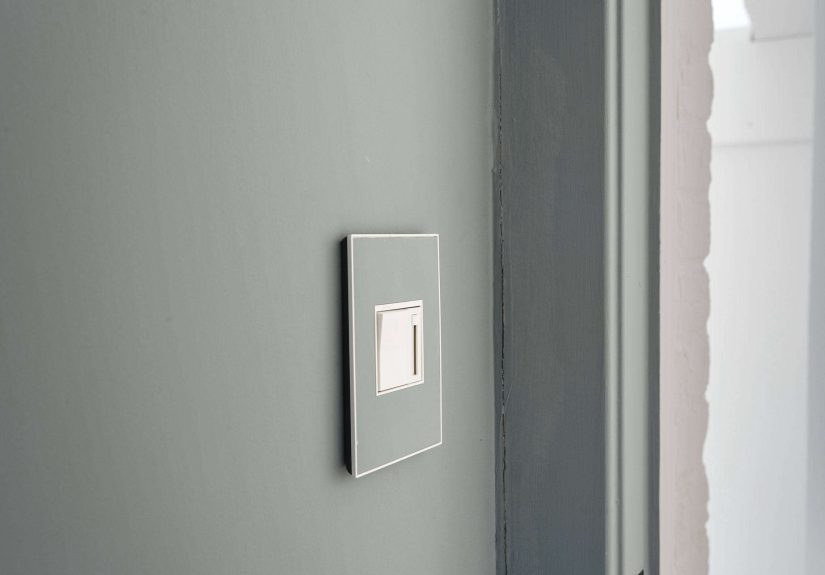
The signature move is simple: no visible screws on the face. Instead of tightening two screws and hoping the plate
lands level, adorne wall plates attach to a mounting frame and snap into place. The result is a smooth, modern
surface that looks more like a design choice and less like a reminder that drywall is never perfectly flat.
2) A mounting frame that does the heavy lifting
Many adorne wall plates come packaged with a metal mounting frame that attaches to the electrical box. Once the
device and frame are in place, the wall plate snaps onto that frame. This design helps keep things aligned and makes
swapping finishes later much easier than redoing everything from scratch.
3) Adjustable “click-stops” for a better fit
Walls aren’t perfectly even. Paint builds up. Tile backsplashes vary. So adorne wall plates are designed with
multiple depth positions (often described as “click-stops”) so you can fine-tune how the plate sits relative to the
device and wall. It’s a small feature that becomes a big deal when you’re installing plates on textured walls or near
trim.
Know This Before You Buy: Compatibility Isn’t Universal
adorne plates are made for adorne devices
The most important rule: Legrand adorne wall plates are designed to fit adorne® Collection devices.
They are not general “Decora-style” plates meant to fit every brand’s rocker switch or outlet. If you currently have
standard switches and receptacles, you’ll typically need to switch to adorne devices to use adorne plates.
But adorne devices are designed to fit standard electrical boxes
The good news is that adorne products are generally intended to replace existing switches/outlets in standard,
approved wall boxes. In other words, you’re not usually re-framing the walljust upgrading what’s visible (and the
device behind it).
Practical takeaway: If you want the adorne look across a room, budget for the full system:
device(s) + frame + plate. If you only want a nicer plate on a standard device, you’ll be happier shopping for
universal screwless plates that fit standard decorator/rocker devices.
Sizes, Gangs, and the “Plus” Situation (Explained Without Tears)
Wall plates are often sold by “gang” (how many devices wide) and by the device layout. adorne wall plates commonly
come in 1- to 4-gang options, with select finishes available in up to 6-gang. This is
useful in places like kitchens, media walls, and offices where multi-gang boxes are common.
Standard-size vs. half-size devices
The adorne line includes devices that can be “standard-sized” as well as “half-sized” designer modules. That matters
because some plates are designed to hold a mixlike one standard device plus two half-sized devices in the same gang.
If you’ve ever wished you could fit a switch and something extra without adding another box, this modular approach is
part of the adorne appeal.
What does “1+ gang” mean?
Some adorne plates are labeled “1-gang+” (or similar). In the adorne ecosystem, that typically points to a plate that
supports a specific combination of device sizesoften to accommodate larger-format (“Plus”) device arrangements. If
you’re pairing something like a specialty device configuration with standard or half modules, pay attention to the
plate’s module description, not just the gang count.
Specialty plates: Keystone, A/V, blank inserts
Beyond switch/outlet plates, adorne also offers specialty wall plates (for example, keystone data ports and other
structured wiring needs). These can be handy if you want your Ethernet, coax, and low-voltage ports to match the same
design language as your lighting controlsso your wall doesn’t look like a “technology museum wing” next to your
stylish light switches.
Materials and Finishes: From “Clean White” to “Wait, Is That Leather?”
adorne wall plates are popular because the finish options go far beyond standard gloss white plastic. Depending on
the line, you’ll see:
- Plastics in modern colors (for a clean, consistent look across a space)
- Trending metals (brushed, satin, stainless-style finishes that pair well with hardware)
- “Real Materials” like wood and leather (often marketed as handcrafted/artisan-made)
- Mirror and statement finishes (great in powder rooms or feature wallsalso great at showing fingerprints, fair warning)
Microban® antimicrobial options (select finishes)
Some adorne wall plates are offered with built-in Microban® antimicrobial product protection in select finishes.
This is aimed at reducing the growth of bacteria on the product surface over the product’s lifespanespecially
appealing for kitchens, kids’ bathrooms, mudrooms, and anywhere hands frequently touch.
Reality check: antimicrobial product protection is not a substitute for cleaning or hygiene, and it
doesn’t make your wall plate a tiny superhero shield. Think of it as a “helpful bonus,” not a reason to stop wiping
down high-touch spots.
The Custom Plate option (a DIY-friendly flex)
If you’ve ever looked at a wall plate and thought, “I wish this could match my wallpaper,” adorne has a “custom”
style wall plate concept that can be personalized with inserts (like paper, fabric, or other decorative layers).
It’s a clever way to blend the plate into bold wallsor intentionally make it part of the design.
Installation Overview: How adorne Wall Plates Go On
adorne wall plates are marketed as quick installsoften “minutes, not hours”because the snapping system eliminates
the fussy screw-tighten-and-pray step. Still, you’re working around electrical devices, so take safety seriously.
What you’ll typically need
- Flathead and/or Phillips screwdriver (depending on the device/frame)
- Non-contact voltage tester (strongly recommended)
- Level (optional, but satisfying)
- Patience for the one box in the house that’s somehow installed crooked
Basic steps (high-level, safety-first)
- Turn off power at the breaker and verify with a tester.
- Remove the old plate and, if upgrading devices, remove the old device from the box.
- Install the adorne device according to its instructions and attach the mounting frame.
- Snap the wall plate onto the frame until it seats cleanly.
- Adjust the fit using the plate’s depth positions (click-stops) if needed.
- Restore power and test functionality.
When to call a pro: If wiring is damaged, the box is overcrowded, you find aluminum wiring, you’re
unsure about grounding, or the circuit behaves oddly, hire a licensed electrician. Wall plates may be “decor,” but
the devices behind them are still electrical work.
Pro tip: uneven walls happenuse the system’s adjustability
One of the underrated reasons people like adorne plates is how clean they look even when walls aren’t perfect.
If the plate doesn’t sit flush on first snap, don’t force it. Instead, recheck the frame alignment, confirm the device
is fully seated, and use the plate’s depth adjustment to get a more tailored fit.
Design Tips: Making adorne Wall Plates Look Like They Belong
Match or contrast hardware intentionally
If your room has brushed nickel pulls, a satin/brushed metal wall plate can feel cohesive. If you’re going for
contrastsay matte black hardware with light wallsa dark plate can become a deliberate accent instead of a random
rectangle.
Use multi-gang plates to “calm” busy walls
Kitchens and media areas can get visually cluttered: switches, dimmers, USB outlets, data ports, maybe a fan control.
A unified multi-gang adorne plate helps those elements read as one intentional panel instead of a collection of
mismatched parts.
Be consistent in one sightline
You don’t have to redo the entire house at once. But within one open-concept sightline (kitchen → dining → living),
matching plates and devices can make the whole space feel more finished. If you mix finishes, do it by “zone”
(e.g., warmer tones in living areas, cooler metals in kitchen) rather than random by location.
Care, Cleaning, and Keeping Them Looking New
Designer plates look best when they’re cleanbecause the eye notices a smudge faster on a sleek plate than on
textured paint.
- Don’t spray cleaner directly on the plate or device. Spray onto a soft cloth first, then wipe.
- Use gentle cleaners to protect finishes (especially mirror and specialty surfaces).
- Mind the edges in kitchens/baths where moisture and residue can build up.
If you’re using a high-gloss or mirror finish, consider it like a stainless fridge: gorgeous, modern, and occasionally
eager to display fingerprints like they’re art.
Cost and Value: Are adorne Wall Plates Worth It?
adorne wall plates typically cost more than basic plates because you’re paying for design, finish variety, and the
mounting system. In many retail listings, standard plastic plates can land in the single digits per plate, while metal
and “real materials” finishes can climb significantly higherespecially in multi-gang formats.
Where they make the most sense
- Kitchens (multiple devices, lots of traffic, lots of eyes)
- Bathrooms and powder rooms (small room, high visual impact)
- Entryways and mudrooms (daily use and constant touch)
- Home offices (video-call backgrounds love tidy details)
- New builds and remodels (easier to standardize across the space)
When to skip or scale back
If you’re renting, constantly repainting, or just need a clean fix in a closet, a universal decorator plate might be
more cost-effective. adorne shines when you want a coordinated system and a premium finishnot when you’re just
trying to cover the drywall gap from a crooked box.
Common “Wait, Why Isn’t This Working?” Problems (and Fixes)
The plate won’t sit flush
This usually comes down to one of three things: the device isn’t fully seated, the frame is slightly off, or the wall
surface is uneven. Recheck alignment and use the plate’s adjustability. If the electrical box is recessed too far
behind drywall, you may need a box extender (and, for safety, a pro if you’re unsure).
I bought a beautiful plate… and it doesn’t fit my switch
This is the compatibility issue in disguise. adorne wall plates are designed for adorne devices. If your existing
devices are standard decorator/rocker units, the plate may not align. Confirm the device family before buying plates
in bulk.
Multi-gang boxes make everything feel harder
Multi-gang installations demand straight boxes and consistent spacing. The adorne system can look especially clean
here, but it also reveals crooked installs. If your box is tilted or the wall is wavy, take advantage of the frame
and adjustabilityand don’t be surprised if you spend more time perfecting a 3-gang than a single switch.
Bottom Line
Legrand adorne wall plates are a design-forward upgrade that does more than hide screws. They’re part of a system
that aims to make switches, outlets, and controls look intentionallike they belong in a carefully planned room.
If you’re already investing in better lighting controls or you want a cohesive, modern wall finish, adorne plates are
one of those small details that can make a space feel noticeably more finished.
Just remember the golden rule: buy the plate to match the device family. If you do thatand install
with basic electrical safetyyou’ll end up with a wall that looks less “builder grade” and more “yep, I meant to do
that.”
Experiences With Legrand adorne Wall Plates (What People Tend to Notice After Installing)
Since wall plates are such a small piece of a room, people are often surprised by how much difference they make once
they’re actually on the wall. It’s a little like switching from an old phone case to a slim new oneyour device still
works the same, but suddenly everything looks sharper and more “current.” Here are common real-world observations,
lessons learned, and the kind of details that don’t always show up on a product page.
“I didn’t think I’d care… and now I can’t unsee my old plates.”
This is probably the most common reaction. People install one adorne wall plate in a high-visibility spot (often a
kitchen switch bank or an entryway) and immediately notice how dated the neighboring plates look. The screwless face
reads cleaner from across the room, and because there’s no central screw pulling the plate into a slight twist, the
whole installation tends to look more deliberate. The funny part is that guests rarely say, “Nice wall plate.”
Instead, they say something like, “This room looks updated,” and you quietly accept credit for upgrading a rectangle.
Smudges happenespecially on statement finishes
High-gloss and mirror-style plates can be stunning, but they’re honest. If you have kids, a busy household, or a
high-touch spot like a mudroom, you may find yourself wiping them down more than matte plastics. The good news is
that cleaning is typically easy if you use a soft cloth and avoid spraying liquid directly onto the plate. The “I love
it, but it shows fingerprints” experience is not a dealbreakerjust a reality of anything sleek and reflective.
Multi-gang installs look amazing… and expose every crooked box in your home
A 3-gang or 4-gang adorne wall plate can create a beautiful, unified “control panel” vibe. But multi-gang boxes are
also where you discover that some electrical boxes were installed by someone who did not own a level (or believed the
wall would “sort itself out later”). The adjustability built into the system helps, but if the box is severely out of
alignment or the drywall opening is sloppy, you may need to correct the underlying issue for the cleanest look.
Homeowners often report spending five minutes on a single-gang plate and fifteen-plus minutes fine-tuning a multi-gang
oneand honestly, that tracks with real life.
Buying “one extra” is the smartest, least exciting advice
If you’re updating multiple rooms, it’s common to order exactly what you need: one plate per location, done. Then one
plate arrives with a tiny scratch, or you decide the finish that looked perfect in the cart looks slightly different
under your warm kitchen lights. Having one extra plate (or at least ordering from a retailer with easy returns) saves
you from stopping the whole project because you’re waiting on a replacement. It’s not glamorous, but it’s the
difference between “finished” and “almost finished for three months.”
Mixing finishes works best when you make it a rule, not a coincidence
People who love the adorne system often end up experimenting: metal plates in the kitchen to match appliances, softer
tones in bedrooms, a bolder finish in a powder room. The best results typically come when you set a simple rule:
“All plates on this floor match,” or “All plates in wet areas are the Microban versions in the same color family.”
When you mix without a rule, it can look accidentallike you ran out of parts. When you mix with intent, it looks
designer.
It’s not just about lookstouch matters
The tactile experience is another surprise. Even though wall plates aren’t “controls,” you interact with them when
you clean, when you brush past them, and when you notice the wall around them. Many people describe the adorne plates
as feeling more solid and “finished” than thin, standard plates. That sense of quality can make the whole switch/outlet
area feel upgraded, not just dressed up.
The “system” approach is what makes it satisfying
A common takeaway from homeowners and remodelers is that adorne plates feel most worth it when they’re part of a
coordinated systemmatching adorne switches, dimmers, outlets, and specialty modules. In that context, the wall plate
becomes the final layer that makes everything look cohesive. If you’re only replacing plates on standard devices,
you’ll still improve the look, but you won’t get the full “design panel” effect that adorne is known for.
In other words: adorne wall plates are a small detail that behaves like a big detail. Once installed, they can make
surrounding finishes look more intentional, they can tidy up visually busy walls, and they can help your space feel
more modern without touching paint, furniture, or flooring. It’s the kind of upgrade that makes you wonder why wall
plates were ever allowed to be boring in the first place.