Table of Contents >> Show >> Hide
Hearing the word leukemia can feel like someone suddenly switched the lights off.
The good news: modern medicine has turned on a lot of new lamps. Today we understand far more about
leukemia symptoms, causes, types, diagnosis, and treatment than ever before, and survival rates have
improved for many people. This guide walks you through the basics in clear, friendly language so you
can feel informedwithout needing a medical degree or a secret decoder ring.
What Is Leukemia?
Leukemia is a type of blood cancer that starts in your blood-forming tissues, mainly the
bone marrow and sometimes the lymphatic system. In healthy bone marrow, stem cells grow up
into red blood cells, white blood cells, and platelets in a highly organized “production line.” With
leukemia, that system breaks down. Abnormal cells are produced quickly and crowd out the healthy ones.
Most leukemias begin in early forms of white blood cells, but they can also affect other blood cell lines.
These abnormal cells don’t fight infection well, and they interfere with normal blood cell production.
That’s why leukemia can cause problems like fatigue, infections, and easy bruising or bleeding.
Doctors classify leukemia in two main ways:
- Acute vs. chronic – Acute leukemia develops quickly and usually needs urgent treatment. Chronic leukemia often progresses more slowly.
- Myeloid vs. lymphocytic (lymphoblastic) – This describes which type of blood cell line is affected (myeloid or lymphoid).
Common Symptoms of Leukemia
Leukemia symptoms are often sneaky at first. They can look like a lingering cold, stress, or “just getting
older.” That’s why it’s important not to ignore changes that stick around or keep getting worse.
Early, Subtle Leukemia Symptoms
- Persistent fatigue or weakness that doesn’t improve with rest
- Shortness of breath during routine activities
- Pale skin or looking washed out
- Frequent or long-lasting infections, such as repeated colds or sinus infections
- Mild fevers or night sweats you can’t explain
- Unintentional weight loss or loss of appetite
More Obvious Warning Signs
- Easy bruising or bleeding (frequent nosebleeds, bleeding gums, very heavy periods)
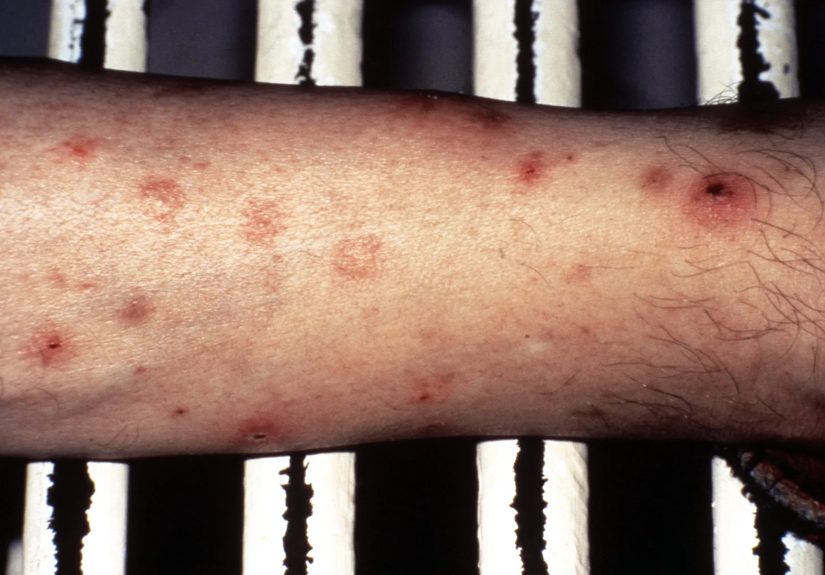
- Small red or purple spots on the skin (petechiae)
- Swollen lymph nodes in the neck, armpit, or groin
- Fullness or discomfort under the ribs from an enlarged spleen or liver
- Bone or joint pain, especially in the long bones
- Recurring or severe infections that are hard to clear
Not everyone will have all these symptoms, and having one or two doesn’t automatically mean you have
leukemia. But if these signs stick around or get worse, it’s time to see a doctor and ask for
blood tests. Catching leukemia early can make a big difference in treatment options and outcomes.
What Causes Leukemia? (And What Doesn’t)
There isn’t one single “villain” that causes leukemia. It usually develops from a mix of
genetic changes inside blood-forming cells plus certain environmental or lifestyle
risk factors. Many people with leukemia have no obvious risk factors, and many people with
risk factors never develop the disease.
Known Risk Factors
- Age: Some types (like chronic lymphocytic leukemia, CLL) are more common in older adults; others (like acute lymphoblastic leukemia, ALL) are more common in children.
- Previous chemotherapy or radiation for another cancer.
- High-dose radiation exposure (for example, from industrial accidents).
- Long-term exposure to certain chemicals, such as benzene in some industrial settings.
- Certain genetic conditions, such as Down syndrome or other inherited disorders that affect DNA repair.
- Family history of leukemia, especially some chronic forms.
- Smoking, particularly for some types like acute myeloid leukemia (AML).
There’s no solid evidence that everyday activities like using a smartphone, eating specific foods, or
having normal X-rays from your dentist directly cause leukemia. If you’ve been blaming your phone, you
can at least cross that off the suspect list.
Main Types of Leukemia
All leukemias involve abnormal blood cells, but the behavior, treatments, and outlook can differ a lot
between types. The four major types you’ll hear about most often are:
Acute Lymphoblastic Leukemia (ALL)
ALL is an acute leukemia that affects immature lymphoid cells (lymphoblasts). It’s:
- The most common cancer in children, though it also occurs in adults
- Usually fast-moving and requires prompt, intensive treatment
Symptoms often include fatigue, infections, fever, bone pain, and enlarged lymph nodes or spleen. Because
ALL can progress quickly, treatment usually starts soon after diagnosis and may involve several phases of
chemotherapy, sometimes along with targeted therapy or a stem cell transplant.
Acute Myeloid Leukemia (AML)
AML affects myeloid cells, which would normally mature into red blood cells, white cells, or platelets.
It’s more common in adults than in children and often develops quickly. Symptoms may include:
- Fatigue and weakness from anemia
- Frequent or severe infections
- Easy bruising, bleeding, or nosebleeds
AML treatment typically involves strong chemotherapy in the hospital, followed by additional cycles or
stem cell transplant depending on genetic features of the leukemia cells and how well the first treatment
works.
Chronic Lymphocytic Leukemia (CLL)
CLL is a chronic leukemia that usually affects older adults. It involves mature-looking
lymphocytes that don’t function normally and build up over time.
- Many people have no symptoms at first and are diagnosed through routine blood work.
- Some are managed with “watchful waiting” for years before needing treatment.
- When treatment is needed, targeted oral drugs and monoclonal antibodies are often used.
Chronic Myeloid Leukemia (CML)
CML affects myeloid cells and is strongly linked to a specific genetic change called the
Philadelphia chromosome, which creates the BCR::ABL1 fusion gene. This abnormal gene acts like
a stuck accelerator, driving cells to grow too quickly.
The game-changing news: targeted drugs called tyrosine kinase inhibitors (TKIs) can block that
abnormal signal. For many people with CML, taking a daily pill turns what used to be a life-threatening
cancer into a long-term, manageable condition.
Other, Less Common Leukemias
There are also rarer types, such as hairy cell leukemia and various mixed or secondary leukemias
that can arise after prior treatments or from other blood disorders. These are treated in specialized
centers with tailored approaches.
How Leukemia Is Diagnosed
Diagnosing leukemia is a bit like solving a puzzle: doctors combine lab tests, imaging, and sometimes
genetic studies to get a clear picture of what’s going on.
Key Diagnostic Tests
-
Complete blood count (CBC) – Often the first clue. It can show high or low white blood cells, low red
blood cells (anemia), and low platelets. -
Peripheral blood smear – A pathologist looks at blood under the microscope to see if cells look immature
or abnormal. -
Bone marrow aspiration and biopsy – A small sample of liquid marrow and solid bone marrow (usually from
the hip) is taken to confirm leukemia and identify its type. -
Flow cytometry and immunophenotyping – These tests look at proteins on the cell surface to determine
which kind of leukemia cells are present. -
Cytogenetic and molecular testing – These studies check for chromosomal changes and specific gene
mutations that help guide treatment decisions and predict prognosis. -
Imaging tests – CT, ultrasound, or other scans may be used to look for enlarged organs or other
complications, but they are not the main diagnostic tools.
Once the leukemia type and genetic features are known, doctors can tailor a treatment plan that’s as
personalized as possible.
Treatment Options for Leukemia
There is no one-size-fits-all leukemia treatment plan. The exact combination of therapies depends on:
- The type of leukemia (ALL, AML, CLL, CML, etc.)
- How fast it’s growing (acute vs. chronic)
- Genetic and molecular features of the cancer cells
- Your age, overall health, and other medical conditions
Chemotherapy
Chemotherapy has been the backbone of leukemia treatment for decades. These drugs circulate throughout
the body to kill rapidly dividing cells. Treatment can be intense, especially for acute leukemias, and
often involves:
- A first phase (induction) to get the leukemia into remission
- Additional phases (consolidation, maintenance) to keep it there and reduce the risk of relapse
Targeted Therapy
Targeted therapies are designed to hit specific molecules that leukemia cells rely on. Examples include:
- TKIs for CML (and some ALL), which block the BCR::ABL1 fusion protein
- Drugs that target particular signaling pathways or cell-surface markers in CLL and other leukemias
These medications often come as pills and can sometimes be taken for years, turning leukemia into a
long-term, manageable condition.
Immunotherapy
Immunotherapy turns your immune system into the superhero of the story. This includes:
- Monoclonal antibodies that attach to leukemia cells and mark them for destruction
- CAR T-cell therapy, where a patient’s own T cells are engineered to hunt and kill leukemia cells
- Immune-modulating drugs used in certain types of leukemia
Stem Cell (Bone Marrow) Transplant
For some patientsoften younger or those with high-risk diseasea stem cell transplant (also called a
bone marrow transplant) may be recommended. The process typically includes:
- High-dose chemotherapy (and sometimes radiation) to wipe out diseased marrow
- Infusion of healthy stem cells from a donor or from the patient’s own previously collected cells
Transplants can be intensive and carry risks, but they can also offer a chance for long-term remission or
cure for selected patients.
Supportive and Palliative Care
Alongside treatment that targets cancer cells, supportive care is crucial. This can include:
- Blood transfusions for anemia or low platelets
- Antibiotics and antifungals to prevent or treat infections
- Medications for nausea, pain, and other side effects
- Nutritional and mental health support
Palliative care doesn’t mean “giving up.” It means prioritizing comfort, symptom control, and quality of
life at every stage of leukemia treatment.
Living With Leukemia: Everyday Realities
Leukemia treatment is rarely a quick sprint; it’s usually more of a marathon with a few surprise hills.
Many people juggle hospital visits, work, family responsibilities, and emotional ups and downs all at once.
Common challenges include:
- Managing fatigue and energy levels
- Staying on top of complex medication schedules
- Balancing infection risks with the desire to stay social and active
- Coping with changes in appearance (hair loss, weight changes, skin changes)
- Handling financial and insurance stress
Support groups, counseling, and patient advocacy organizations can make a huge difference, offering
information, tips, and a community of people who truly “get it.”
Real-Life Experiences and Practical Tips
Medical facts are essential, but they don’t always capture what leukemia really feels like. While every
person’s journey is unique, many experiences share common themes. The following composite examples are based
on real-world patterns patients often describe.
From “I Think I’m Just Tired” to Diagnosis
Imagine someone in their 40s who keeps blaming exhaustion on a busy job. They notice bruises that appear
out of nowhere and a stubborn cold that doesn’t clear. Eventually, a routine blood test shows abnormal
counts. Within days, they’re sitting in an oncology clinic hearing the word “leukemia” for the first time.
A common reaction is shock mixed with disbelief: “But I was just at work last week.” It’s normal to feel
overwhelmed at this stage. One practical tip many patients recommend: bring a friend or family member to
early appointments to take notes and ask questions you’re too stunned to remember.
The Roller Coaster of Treatment
During intensive chemotherapy, life often shrinks to a small radius: hospital room, lab results, and the
next meal you’re hopefully not too nauseated to eat. People describe:
- Days when they feel surprisingly okay and can answer emails or watch their favorite shows
- Other days when getting out of bed feels like climbing a mountain
- Anxious wait times for lab results and scan reports
Many patients find it helpful to create tiny daily ritualsa particular playlist, a short walk in the
hallway, or texting one funny meme to a friend. These small routines can restore a sense of control and
normalcy in an otherwise unpredictable situation.
Navigating Work, Family, and Identity
Leukemia doesn’t just affect blood cells; it rearranges schedules, roles, and relationships. Parents may
struggle with guilt about missing school events. Young adults may worry about their careers or fertility.
Older adults may feel frustrated that retirement plans now involve more clinic visits than vacations.
Honest, age-appropriate conversations with family membersespecially childrenhelp reduce fear and
confusion. Social workers, psychologists, and child-life specialists can offer tools to make these
conversations easier. Many families create a simple “leukemia script” to explain what’s happening and what
kids can expect to see and feel.
Finding Support and Community
One of the most powerful “treatments” is hearing “Me too” from someone who’s walked a similar path.
Leukemia support groupsboth in person and onlineconnect patients and caregivers who share tips on side
effects, finances, work accommodations, and emotional coping.
People often mention:
- The relief of asking “Is this normal?” and getting real-world answers
- Learning practical hacks (like keeping a “treatment bag” packed with snacks, headphones, and a cozy blanket)
- Feeling less alone during long infusions or hospital stays
Life After Treatment (or With Long-Term Treatment)
For some, leukemia treatment ends and they transition into survivorship follow-up. For others, especially
with chronic leukemias, treatment might continue long term with oral targeted drugs and regular monitoring.
Either way, life after diagnosis usually looks differenteven when blood counts are normal. Many people:
- Reassess priorities and make more time for meaningful relationships and experiences
- Pay closer attention to lifestyle factors like nutrition, sleep, and gentle exercise
- Stay more alert to new symptoms and get them checked sooner rather than later
It’s completely normal to have mixed emotions: relief, gratitude, anxiety about relapse, and even a bit of
anger that leukemia barged into your life in the first place. Psychological support and survivorship
programs can help people process those feelings and move forward in a way that feels authentic and
sustainable.
When to See a Doctor
If you notice persistent fatigue, frequent infections, unexplained bruising or bleeding, or any other
concerning symptoms that don’t go away, talk to a healthcare professional. Ask specifically whether a
complete blood count (CBC) is appropriate. A simple blood test is often the first step in
catching leukemia or ruling it out.
This article offers general education only and can’t replace a conversation with your own doctor or
oncology team. If you’ve already been diagnosed with leukemia, your care team is the best source of
personalized medical advice.
Conclusion
Leukemia is a complex group of blood cancers, but “complex” doesn’t have to mean “mysterious.” Understanding
how leukemia develops, recognizing symptoms, knowing the main types, and learning how diagnosis and
treatment work can help you feel more informed and less powerless. Modern treatmentsfrom targeted pills
to sophisticated immunotherapieshave changed the outlook for many people, and research continues to push
the field forward.
Whether you’re a patient, caregiver, or just someone who likes to be prepared, remember this: you don’t
have to navigate leukemia alone. Healthcare professionals, support organizations, and fellow patients are
all part of a growing network of knowledge and supportready to help you find your footing, one step (and
one lab result) at a time.