Table of Contents >> Show >> Hide
- What Is Panic Disorder, Exactly?
- What Does a Panic Attack Feel Like?
- What Is Daily Life with Panic Disorder Like?
- Why Panic Disorder Can Feel So Misunderstood
- What Causes Panic Disorder?
- How Panic Disorder Affects Work, School, and Relationships
- How Is Panic Disorder Treated?
- What Helps in the Moment?
- What Recovery Really Looks Like
- Composite Experiences: What Living with Panic Disorder Can Feel Like
- Conclusion
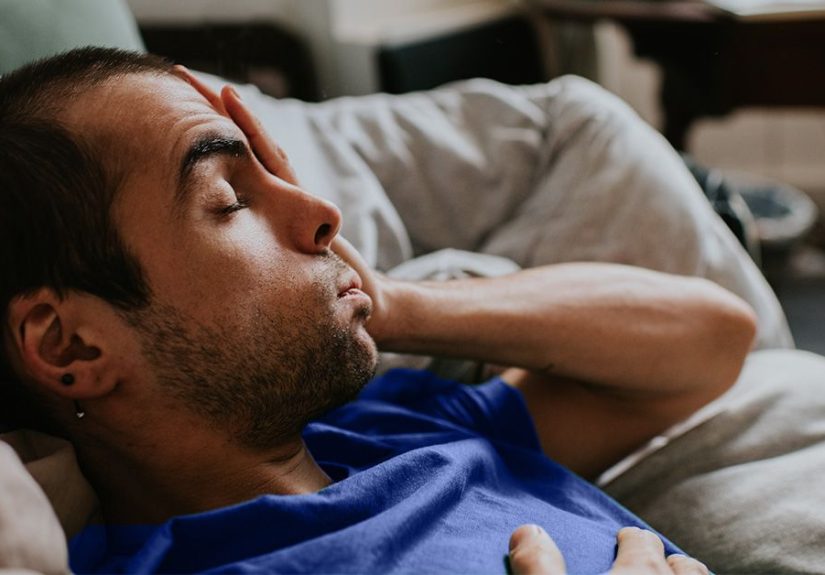
Living with panic disorder can feel like having a smoke alarm in your body that goes off when there is no fire, no toast burning, and no obvious reason for the drama. One minute you are buying groceries, answering emails, or sitting in class. The next, your heart is pounding, your chest is tight, your hands are shaky, and your brain is loudly suggesting that something catastrophic is happening. It is exhausting, confusing, and often deeply isolating.
Panic disorder is more than having occasional stress or “being a worrier.” It involves recurring panic attacks and, just as importantly, ongoing fear about having another one. That fear can start shaping everyday life in sneaky ways. A person may avoid driving, crowded stores, elevators, long lines, restaurants, exercise, public speaking, or even bedtime because they are worried that panic symptoms might show up again. The disorder does not just interrupt a moment. It can begin negotiating with a whole lifestyle.
This article explores what living with panic disorder is actually like, how it affects daily routines, why it can feel so physical, and what treatment and coping strategies can genuinely help.
What Is Panic Disorder, Exactly?
Panic disorder is an anxiety disorder marked by repeated, unexpected panic attacks along with persistent concern about future attacks or changes in behavior meant to avoid them. A panic attack is a sudden wave of intense fear or discomfort that rises quickly and may include a racing heart, chest pain, sweating, dizziness, nausea, shaking, tingling, shortness of breath, or a feeling of losing control.
Here is what makes panic disorder especially tricky: the body’s alarm system feels utterly real. Many people think they are having a heart attack, fainting, choking, or “going crazy.” Even when medical tests come back normal, that does not always calm the fear right away. The body remembers the scare, and the mind starts scanning for clues that another attack is coming. Welcome to the world’s worst subscription service.
What Does a Panic Attack Feel Like?
The experience varies from person to person, but there are common patterns. Panic attacks often appear fast, peak within minutes, and leave behind a mess of exhaustion, dread, and second-guessing. People frequently describe them as feeling trapped inside a body that has suddenly hit the turbo button without permission.
The Physical Side
Panic disorder is famous for feeling physical because it is physical. Adrenaline surges. Breathing may become shallow or fast. Muscles tense. Vision can feel strange. A person may feel overheated, chilled, lightheaded, numb, or disconnected. These symptoms are real, not imagined, and that is why panic disorder can be so frightening. It is not “all in your head” in the dismissive sense. It is a full-body alarm response.
The Mental Side
Alongside the physical symptoms comes catastrophic thinking. A person may think, “I am dying,” “I am going to pass out,” “I am losing control,” or “Everyone can tell something is wrong with me.” Panic disorder often creates a loop: scary sensation, scary interpretation, more fear, stronger sensation. By the time the attack ends, the person may feel embarrassed, confused, or completely drained.
The Aftermath
One of the least discussed parts of panic disorder is what happens after the panic attack. Many people feel wrung out for hours. Some become hyperaware of every heartbeat, every breath, or every tiny body sensation. Others feel emotionally raw and avoid the place where the attack happened. That can make the world start shrinking, one avoided location at a time.
What Is Daily Life with Panic Disorder Like?
Living with panic disorder is not just about the attacks themselves. It is also about anticipation. In many cases, the fear of panic becomes as disruptive as panic. A person may spend huge amounts of mental energy planning escape routes, checking how far they are from home, sitting near exits, carrying “just in case” items, or rehearsing what they will do if symptoms start.
Daily life may include:
- Canceling plans because the body feels “off”
- Avoiding caffeine, crowds, highways, or meetings out of fear of triggering symptoms
- Repeatedly checking pulse, breathing, or physical sensations
- Going to urgent care or the emergency room because symptoms feel life-threatening
- Feeling ashamed that something so invisible can feel so overpowering
- Worrying that friends, family, or coworkers will misunderstand what is happening
For some people, panic disorder overlaps with agoraphobia, which is fear and avoidance of places or situations where escape might feel hard or help might not be available during panic. That can make travel, shopping, commuting, or attending events feel like a strategic military campaign rather than a normal Tuesday.
Why Panic Disorder Can Feel So Misunderstood
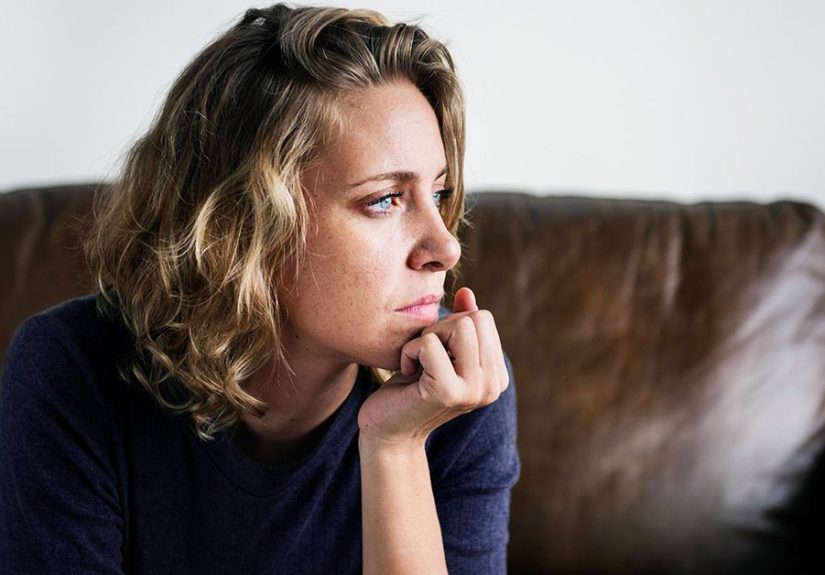
From the outside, someone with panic disorder may look fine. They may be smiling, showing up to work, answering texts, or making jokes while privately trying not to bolt out of the room. Because panic disorder is often invisible, people may hear unhelpful comments like “just relax,” “it is all in your mind,” or “you do not look anxious.” None of those remarks has ever won an award for usefulness.
Panic disorder can also be misunderstood because its symptoms overlap with serious medical problems. Chest pain, dizziness, palpitations, and shortness of breath can mimic heart or lung issues. That is why proper medical evaluation matters, especially when symptoms are new, severe, or changing. Getting checked out is not overreacting. It is responsible.
What Causes Panic Disorder?
There is no single cause. Experts generally view panic disorder as the result of multiple factors working together. Genetics can play a role. Brain and nervous system sensitivity may contribute. Stressful life events, major transitions, trauma, chronic stress, health anxiety, temperament, and family history can all affect risk.
Sometimes panic attacks seem to come out of nowhere. Other times they begin after periods of stress, illness, sleep deprivation, stimulant use, or a particularly intense first panic experience that teaches the brain to fear the symptoms themselves. Once the brain starts treating normal sensations as possible danger signals, the cycle can reinforce itself.
How Panic Disorder Affects Work, School, and Relationships
Work and School
Panic disorder can make concentration difficult. When your brain is busy asking, “Is this the start of another attack?” it is not exactly in a productivity mood. People may struggle with presentations, commuting, classrooms, crowded offices, deadlines, or simply being far from a safe place. Some start turning down opportunities not because they are unqualified, but because panic has become an unwanted co-manager.
Relationships
Friends and partners may not understand why something simple, like going to a concert or standing in line, feels impossible on certain days. That can create guilt and frustration on both sides. At the same time, supportive relationships can be incredibly protective. Being around people who respond calmly instead of dramatically can help reduce shame and make treatment easier to stick with.
Self-Image
Many people with panic disorder start doubting themselves. They may think they are weak, broken, or unreliable. That is not true. Panic disorder is a treatable mental health condition, not a character flaw. The person is not failing at life. Their nervous system is overfiring, and that can be addressed.
How Is Panic Disorder Treated?
The encouraging news is that panic disorder is highly treatable. Many people improve significantly with evidence-based care.
Cognitive Behavioral Therapy (CBT)
CBT is one of the most effective treatments for panic disorder. It helps people identify the thought patterns and behaviors that keep panic going. A therapist may teach skills for responding differently to body sensations, challenging catastrophic thoughts, and reducing avoidance. A key part of treatment can involve gradually facing feared sensations or situations in a safe, structured way so the brain learns that panic, while miserable, is not dangerous.
Medication
Medication can also help, especially when symptoms are frequent, severe, or interfering with basic functioning. Antidepressants such as SSRIs are commonly used. Some people may also be prescribed other medications depending on their health history and symptom pattern. Medication decisions should always be made with a qualified clinician who can weigh benefits, side effects, and fit.
Lifestyle Support
Healthy habits are not a cure-all, but they can lower vulnerability. Regular sleep, steady meals, reduced caffeine, limiting alcohol, movement, hydration, and stress management all matter. They are not magic. They are more like quietly competent coworkers who make the whole system run better.
What Helps in the Moment?
People often want to know how to stop a panic attack instantly. Unfortunately, the brain does not accept customer service demands that quickly. But certain strategies can make panic more manageable:
- Name what is happening: “This is panic. It feels awful, but it will pass.”
- Slow the breathing gently: not perfectly, just more steadily.
- Drop the fight: resisting symptoms can amplify them.
- Use grounding: notice what you can see, hear, and feel around you.
- Stay where you are if it is safe: leaving immediately can teach the brain that the situation was dangerous.
- Follow a treatment plan: coping works best when practiced before panic shows up.
If symptoms are new, severe, or could reflect a medical emergency, urgent evaluation is important. Panic disorder should not be used as a do-it-yourself explanation for every episode of chest pain or shortness of breath.
What Recovery Really Looks Like
Recovery is not always a dramatic movie montage where a person stares down a grocery store and triumphant music swells. Often it is quieter than that. It looks like driving one exit farther than last week. It looks like finishing a meal in a restaurant. It looks like noticing a racing heart and not spiraling. It looks like having a bad day without declaring yourself back at square one.
Many people still feel occasional anxiety even after treatment. The difference is that anxiety no longer runs the entire show. Over time, the goal is not to become a person who never feels panic. The goal is to become a person who knows what panic is, knows what to do, and no longer builds life around avoiding it.
Composite Experiences: What Living with Panic Disorder Can Feel Like
The following composite experiences are based on common patterns people report when living with panic disorder. They are not direct quotes from one individual, but they reflect the real-world texture of the condition.
“I became afraid of ordinary places.” For one person, panic disorder started with a single intense attack while standing in a checkout line. After that, every line felt suspicious. Grocery stores became difficult. Then movie theaters. Then traffic. The places themselves were not the problem. The fear was being trapped in them while panic took over. Eventually, the person started arranging life around escape: aisle seat, near the door, car keys ready, water bottle in hand, exit route memorized. From the outside, it looked organized. Inside, it felt like constant negotiation.
“My body felt like the enemy.” Another common experience is becoming hyperaware of every sensation. A skipped heartbeat, a warm flush, a little dizziness after standing up too fast, even normal exercise can feel loaded with danger. People may check their pulse repeatedly, search symptoms online, or avoid activities that raise heart rate. The exhausting part is not only the panic itself. It is losing trust in your own body and interpreting normal sensations as threats.
“I looked fine, but I was doing math all day.” Many people with panic disorder describe silent mental calculations: How far am I from home? Where is the nearest exit? What if I panic during this meeting? Can I leave without making it weird? Will people notice? That invisible planning can make someone appear distant, flaky, or distracted, when in reality they are working very hard just to remain in the moment.
“I got tired of being embarrassed.” Shame is a huge part of panic disorder for many people. Because symptoms can appear suddenly and seem irrational to others, some people hide them. They may laugh it off, invent excuses, or leave events early without explaining why. What often changes things is learning that panic disorder is common, treatable, and not a sign of weakness. The moment a person understands, “This has a name, and other people experience this too,” the disorder can lose some of its power.
“Treatment did not make me fearless. It made me freer.” People who improve often say recovery is less about erasing anxiety and more about reclaiming life. Therapy helps them stop treating every fast heartbeat like a disaster. Medication may turn the volume down enough for skills to work. Small exposures, repeated over time, rebuild confidence. A person may still dislike panic, but no longer worship it as an all-powerful event. That shift is enormous.
“I still have hard days, but they do not define me.” This may be the most honest description of living well after panic disorder. Some days are easier than others. Stress, lack of sleep, illness, or major life changes can make symptoms louder. But people can learn to respond with knowledge instead of terror, with practice instead of avoidance, and with self-respect instead of shame. Panic disorder may be part of a person’s story, but it does not get to write the ending alone.
Conclusion
Living with panic disorder can feel intense, physical, and life-limiting, especially when the fear of future attacks starts shrinking the world. But panic disorder is treatable, and many people get substantially better with the right combination of therapy, medical support, and daily coping tools. The experience is real, the distress is real, and the possibility of improvement is real too. That is the part worth underlining, circling, and maybe highlighting with the good marker.