Table of Contents >> Show >> Hide
Lower Cross Syndrome (LCS) is a common musculoskeletal condition that can cause discomfort, pain, and limited mobility in individuals. It arises when certain muscle groups in the lower body become imbalanced, leading to postural issues, back pain, and potential long-term complications if left untreated. This article explores what Lower Cross Syndrome is, its symptoms, the causes behind it, and how it can be treated effectively.
What is Lower Cross Syndrome?
Lower Cross Syndrome, also referred to as “crossed posture syndrome,” occurs when there is an imbalance between the muscles that support the lower back, pelvis, and hips. This imbalance leads to changes in posture and can result in pain, stiffness, and a higher risk of injury. Essentially, Lower Cross Syndrome involves a combination of weak and tight muscle groups that form a “cross” pattern, which is where the condition gets its name.
In this condition, certain muscles become tight, while others become weak. The most commonly affected muscle groups are:
- Tight muscles: Hip flexors (iliopsoas), lower back muscles (erector spinae), and hamstrings.
- Weak muscles: Glutes, abdominals (especially the transverse abdominis), and the deep stabilizers of the lower back.
This imbalance affects the pelvis’s alignment and ultimately disrupts the overall posture, causing discomfort or pain in various parts of the body. Individuals with LCS typically experience discomfort in the lower back, hips, or legs, and might also have trouble maintaining proper posture over time.
Symptoms of Lower Cross Syndrome
The symptoms of Lower Cross Syndrome can vary depending on the severity of the condition and whether other underlying issues are present. Some common symptoms include:
- Chronic lower back pain: One of the most common complaints, often caused by tight muscles in the lower back pulling on the spine.
- Hip pain: Tight hip flexors and weak glutes can result in pain or discomfort in the hips.
- Poor posture: Individuals with LCS often have a pronounced anterior pelvic tilt, which can lead to a swaying lower back (lordosis) and an excessive arch in the spine.
- Difficulty standing for long periods: Because of muscle imbalances, standing for prolonged periods can exacerbate discomfort and lead to fatigue.
- Limited mobility: Tight muscles can restrict movement, making it harder to perform tasks such as bending, squatting, or even walking.
- Decreased core strength: The weak abdominals and deep core stabilizers lead to poor stability and an increased risk of falls or injury.
These symptoms can affect both athletes and non-athletes, and individuals who sit for long periods, such as office workers, are especially prone to developing LCS.
Causes of Lower Cross Syndrome
Lower Cross Syndrome is primarily caused by poor posture, prolonged sitting, and muscle imbalances that develop over time. The main causes of LCS include:
- Prolonged sitting: Sitting for extended periods, especially with poor posture, can lead to tight hip flexors and weak glutes, which contributes to the muscle imbalances that define Lower Cross Syndrome.
- Lack of movement: Inadequate physical activity or a sedentary lifestyle can lead to muscle weakness and stiffness in the lower body, especially in the core and hips.
- Poor posture: Over time, habitual slouching or an incorrect standing posture can contribute to the misalignment of the pelvis and lead to muscle imbalances.
- Overtraining: Athletes who focus too heavily on exercises that overwork the hip flexors or lower back muscles without enough strengthening of the core or glutes may develop LCS.
Treatment Options for Lower Cross Syndrome
Treating Lower Cross Syndrome requires a combination of stretching, strengthening, and lifestyle adjustments. The goal is to restore balance between the muscle groups that are either too tight or too weak. Below are some of the most effective treatment strategies:
1. Stretching Tight Muscles
One of the first steps in addressing LCS is to stretch the tight muscles. Regular stretching of the hip flexors, hamstrings, and lower back muscles can help alleviate tension and restore flexibility. Some recommended stretches include:
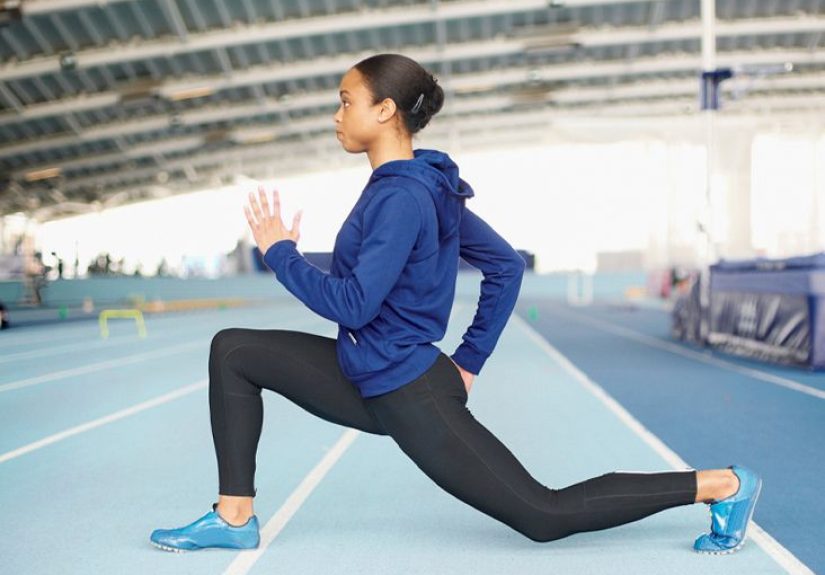
- Hip flexor stretch: Perform a lunge stretch to open up the hips and lengthen the tight hip flexors.
- Hamstring stretch: Stretching the hamstrings can reduce tightness in the back and improve the overall posture.
- Lower back stretch: Simple lower back stretches like the child’s pose or cat-cow stretch can help relieve stiffness.
2. Strengthening Weak Muscles
Strengthening the weak muscles, particularly the glutes, core, and lower abdominals, is essential in treating Lower Cross Syndrome. Some effective exercises for building strength include:
- Glute bridges: A simple yet effective exercise to activate and strengthen the glutes and lower back muscles.
- Planks: The plank exercise targets the core muscles, helping to strengthen the abdominals and improve stability.
- Bird-dogs: This exercise engages both the core and glutes, providing a great way to build strength in the lower back and abdominal region.
3. Postural Awareness and Correction
Correcting posture is crucial in treating Lower Cross Syndrome. Being mindful of proper sitting and standing positions can help reduce muscle imbalances. Aim to:
- Sit with your hips at a 90-degree angle and maintain a neutral spine.
- Avoid slouching and try to keep your back straight while standing.
- Use lumbar support when sitting for long periods to maintain the natural curve in your lower back.
4. Lifestyle Changes
Incorporating regular movement into your daily routine is key to preventing and treating Lower Cross Syndrome. Try to:
- Stand up and walk around every 30 minutes if you have a sedentary job.
- Incorporate short walks into your daily routine to keep the muscles engaged and improve circulation.
- Participate in low-impact activities like swimming or cycling to promote overall muscle balance.
Experiences with Lower Cross Syndrome
Many people who experience Lower Cross Syndrome find that the condition develops gradually over time. For example, Sarah, a 35-year-old office worker, started noticing persistent lower back pain after sitting for extended periods at her desk. Initially, she chalked it up to a busy work schedule, but as the pain worsened, she realized it wasn’t going away on its own. After seeing a physical therapist, she learned that her hip flexors were tight, and her glutes were weak. Sarah’s treatment involved a combination of stretches, strengthening exercises, and lifestyle changes, which significantly alleviated her pain and improved her posture.
John, an avid runner, developed symptoms of Lower Cross Syndrome after focusing too much on running without incorporating strength training. His tight hip flexors and weak core muscles led to discomfort during and after his runs. After seeking treatment, John worked on stretching his hip flexors and strengthening his core. He also made adjustments to his running posture and added more cross-training exercises. These changes helped improve his performance and reduce the risk of injury.
Conclusion
Lower Cross Syndrome is a prevalent condition that affects many individuals due to poor posture, prolonged sitting, and muscle imbalances. It can lead to chronic discomfort, limited mobility, and even long-term pain if not addressed properly. However, with proper treatment, including stretching tight muscles, strengthening weak muscles, and making lifestyle adjustments, individuals can overcome the symptoms of LCS and improve their overall health. If you’re experiencing symptoms of LCS, consider consulting a healthcare professional to develop a personalized treatment plan that addresses your unique needs.