Table of Contents >> Show >> Hide
Glass cleaner is a staple in any household, keeping windows, mirrors, and glass surfaces gleaming. However, commercial glass cleaners often come with a hefty price tag and contain chemicals that may not be ideal for your health or the environment. Fortunately, making your own homemade glass cleaner is a simple, cost-effective, and eco-friendly solution. In this guide, we’ll walk you through the steps of creating your own DIY glass cleaner, the benefits it offers, and a few variations you can try.
Why Make Your Own Glass Cleaner?
Making your own glass cleaner has several advantages over store-bought products:
- Cost-effective: The ingredients required for a homemade glass cleaner are inexpensive, and you can make a large batch for just a few dollars.
- Environmentally friendly: Homemade cleaners don’t contain harmful chemicals that can harm the environment. You can reuse spray bottles and reduce plastic waste.
- Healthier alternative: Commercial cleaners often contain ammonia, alcohol, or other harsh chemicals that can irritate your skin or eyes. Homemade glass cleaners are made with safe, non-toxic ingredients.
- Customizable: You can adjust the ingredients to suit your preferences or the type of cleaning you need.
Basic Recipe for Homemade Glass Cleaner
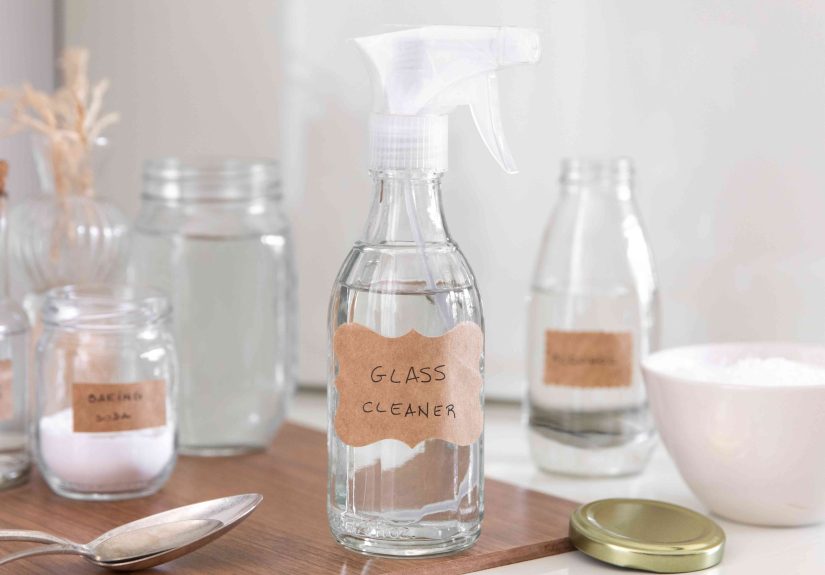
To make your own glass cleaner, you’ll need just a few simple ingredients that you likely already have in your kitchen. Here’s a basic recipe:
Ingredients:
- 1 cup distilled white vinegar
- 1 cup water (preferably distilled to avoid mineral deposits)
- 1 tablespoon cornstarch (optional, helps create a streak-free shine)
- 10 drops of essential oil (optional, for a fresh scent)
Instructions:
- In a spray bottle, combine the vinegar and water.
- If you’re using cornstarch, add it to the mixture and shake well to dissolve it. The cornstarch helps prevent streaks, especially on larger windows.
- Optional: Add a few drops of your favorite essential oil to the mixture. Lavender or lemon oil works well for a pleasant scent.
- Shake the bottle before each use to ensure the ingredients are properly mixed.
How to Use Your Homemade Glass Cleaner
Using your homemade glass cleaner is simple and effective. Here’s how to get the best results:
- Spray the glass cleaner directly onto the surface you wish to clean.
- Wipe the surface with a clean, lint-free cloth or paper towel. Microfiber cloths are great for this purpose as they don’t leave behind streaks or fibers.
- If you’re cleaning large windows or mirrors, consider using a squeegee to remove excess cleaner and prevent streaks.
Alternative Homemade Glass Cleaner Recipes
If you’re looking for variations or have specific cleaning needs, here are a couple of other homemade glass cleaner recipes:
Baking Soda and Vinegar Cleaner
Baking soda is an excellent natural cleaner that can help remove stubborn dirt and grime from glass surfaces. Here’s how you can make a stronger glass cleaner:
- 1 cup of distilled white vinegar
- 1 tablespoon of baking soda
- 1 cup of water
Mix the ingredients in a spray bottle and shake well before use. The vinegar and baking soda will fizz together, providing a little extra cleaning power to tackle tough spots.
Citrus Glass Cleaner
If you love the scent of citrus, this refreshing cleaner is perfect for you:
- 1 cup of water
- 1/4 cup of distilled white vinegar
- 1 tablespoon of lemon juice (or orange juice for a sweeter scent)
- 10 drops of citrus essential oil (optional)
The acidity of the lemon or orange juice helps break down grime, while the vinegar provides a natural disinfectant effect. The essential oil adds a pleasant aroma to the mixture.
Tips for Streak-Free Glass Cleaning
To achieve perfectly streak-free glass, here are some helpful tips:
- Use the right cloth: Microfiber cloths work best for streak-free results. Avoid using paper towels or regular cloths, as they may leave lint or streaks behind.
- Don’t clean in direct sunlight: If you clean glass surfaces in direct sunlight, the cleaner may dry too quickly, leaving streaks behind. Try cleaning when the glass is shaded or when the sun is lower in the sky.
- Less is more: Don’t over-spray the cleaner. A little goes a long way, and using too much product can leave streaks or a residue.
Why Switch to Homemade Glass Cleaner?
If you’ve never tried making your own glass cleaner, it’s worth the switch. Not only will you save money and reduce your exposure to harsh chemicals, but you’ll also have complete control over the ingredients used. Homemade cleaners are effective, customizable, and easy to make, plus they leave your home smelling fresh and clean without any toxic residue.
Experiences with Homemade Glass Cleaner
Many people have shared their experiences with homemade glass cleaners and have found them to be incredibly effective. One user on a popular cleaning forum mentioned, “I was skeptical at first, but after trying the vinegar and water mix, I was amazed at how well it worked. It cleaned my windows better than the store-bought stuff!”
Another commenter added, “I love the citrus recipe! Not only does it clean, but my entire house smells fresh. I’ve even used it on my bathroom mirrors, and they’ve never looked so good.”
For those with pets or small children, homemade glass cleaner provides a safer alternative. “I’ve got a toddler who loves to touch the windows,” shared one user. “I can now clean them without worrying about the chemicals. Plus, it’s so easy to make and cheap!”
Some users have also mentioned the eco-friendly benefits. “Switching to a homemade cleaner was one of the best decisions I’ve made. I feel good knowing I’m using something that’s safe for my family and the environment,” said a user who uses homemade cleaners for all their household cleaning tasks.
Conclusion
Making your own glass cleaner is an easy, eco-friendly, and cost-effective solution for maintaining sparkling windows, mirrors, and glass surfaces. With just a few ingredients, you can create a powerful cleaner that rivals commercial products. Plus, you get to avoid harsh chemicals, reduce waste, and customize the formula to your liking. Whether you choose the basic vinegar and water recipe or experiment with additional ingredients like baking soda or essential oils, you’ll find that homemade glass cleaner is both effective and satisfying to use.