Table of Contents >> Show >> Hide
- The 250,000-Step Week: A Simple Goal That Wasn’t Simple at All
- Why the Scale Didn’t Drop Like a Mic
- Why the Tape Measure Can Change Even When the Scale Barely Does
- The “10,000 Steps” Mythand What Research Suggests Instead
- Walking Is “Low-Impact”… Until It Isn’t
- What This 250K-Step Challenge Teaches (Without You Doing It)
- A Safer, Smarter Way to Use Steps for Real Results
- What People Often “Don’t Expect” When They Chase Big Step Goals
- Conclusion: The Real Win Isn’t 250,000 StepsIt’s What You Learn From Them
- Extra: of Walking Experiences That Feel Very Familiar
There are two kinds of people in the world: the ones who think “a nice walk sounds relaxing,” and the ones who hear “250,000 steps in a week” and think,
“Yeah, that seems like a totally normal thing for a human body to do.”
The internet loves a good walking challenge because it sounds so wholesome. No complicated equipment. No intimidating gym mirrors. Just you, the sidewalk,
and whatever emotional baggage you were hoping to outpace. But when a man decided to hit 250K steps in 7 days, the results weren’t the
neat, movie-montage transformation you’d expect. The “after” photo came with a side of reality: soreness, blisters, and a few body changes that were
surprisingly… complicated.
Let’s break down what happened, why the aftermath felt unexpected, and what you can learn without turning your week into an endurance audition.
(Spoiler: you don’t need to walk like you’re late for every appointment you’ve ever made.)
The 250,000-Step Week: A Simple Goal That Wasn’t Simple at All
The premise was straightforward: walk 250,000 steps in one week. That averages to roughly 35,000–36,000 steps per day,
which can be around 17 miles daily depending on stride length and pace. It’s the kind of daily distance that makes your phone’s step tracker
ask, “Are you okay?” and your shoes quietly file for retirement.
The challenge became popular online after YouTuber Jack Massey Welsh documented his attempt. Early on, it felt manageable in the way
“just one more episode” feels manageable at 2:00 a.m. By day two, the vibe shifted from “nice little walk” to “why do I have feet, and who authorized this?”
The Aftermath He Didn’t Expect: Small Scale Change, Big Body Feedback
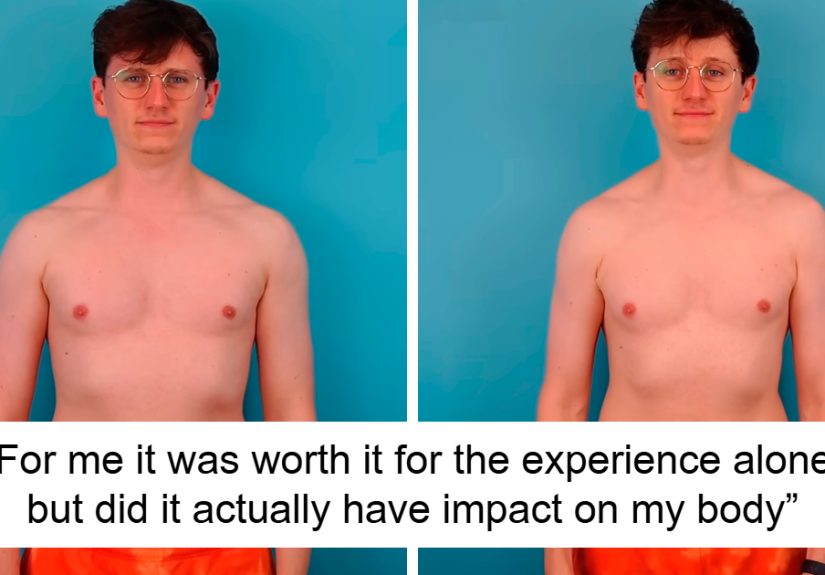
Here’s where it got interesting. After a week of extreme walking, the measurements showed noticeable changes:
he reportedly lost about 2 pounds, trimmed about 3.5 cm off his waist, and saw small reductions in other measurements
while his thighs even measured slightly larger. That’s the kind of result that makes people say, “Wait… what?” and then immediately check if their tape measure
is lying to them.
But the physical aftermath wasn’t all “leaner waist, stronger legs.” The challenge also brought the less glamorous stuff:
painful blisters, a swollen ankle, and a black toenailclassic signs that the body can adapt,
but it also complains loudly when you skip the “gradually build up” part.
And that’s the real twist: walking is low-impact, but not no-impactespecially when you crank it up to an extreme daily step count.
Why the Scale Didn’t Drop Like a Mic
People often assume a giant step count automatically equals giant weight loss. But weight change is a messy mix of
energy balance, food intake, hydration, and even inflammation.
You can burn more calories and still see modest scale movement if your appetite rises, your portions creep up, or you simply start rewarding yourself with
“walking snacks” (which, let’s be honest, can get out of hand fast).
Walking burns calories, but the exact number depends on body size, pace, terrain, and time. If you burn extra energy but also eat extra energy,
you might end up with a dramatic step count and a very unimpressed scale. That doesn’t mean the effort “didn’t work”it just means the body runs on math,
not vibes.
There’s also water. When you do a sudden, high-volume activity, your body may hold onto fluid as it repairs muscle and connective tissue.
Translation: you can feel leaner, move more, and still see the scale stall because your body is busy doing maintenance like a tiny internal construction crew.
Why the Tape Measure Can Change Even When the Scale Barely Does
A small drop in body weight alongside a bigger change in waist measurement is a pattern some people notice when they increase activity.
Several things can help explain it:
- Glycogen shifts: Activity changes how your body stores carbohydrate fuel and water.
- Posture and core engagement: More walking can subtly change how you stand and brace.
- Reduced bloating: Movement can influence digestion and water retention.
- Body recomposition signals: With enough stimulus, legs can look and feel “firmer” even without major weight change.
The key takeaway: a step challenge can change how your body looks and feels, but it doesn’t guarantee a dramatic weight dropespecially in just seven days.
If anything, this story is a reminder that the human body is not a vending machine where you insert steps and receive instant abs.
The “10,000 Steps” Mythand What Research Suggests Instead
The most famous daily step goal, 10,000 steps, has a fun origin story: it became popular through marketing for an early pedometer,
not because a scientist in a lab coat declared it the universal magic number.
That doesn’t mean 10,000 steps is badit just means it’s not the only goal that matters.
Modern research consistently supports the idea that more movement is generally better, especially when you’re going from low activity to
moderate activity. But many benefits show up well before 10,000 steps, and the “best” number varies by age, fitness level, and health status.
Some large studies and meta-analyses suggest meaningful risk reductions at lower daily step counts, with benefits often leveling off at higher ranges.
Meanwhile, U.S. public health guidance focuses less on step counts and more on total weekly activitylike getting about
150 minutes of moderate-intensity activity per week (brisk walking counts) plus muscle-strengthening work on multiple days.
That framing is helpful because it’s flexible: you can hit your goal through walking, cycling, dancing, or chasing your dog who stole your sock.
Walking Is “Low-Impact”… Until It Isn’t
The challenge aftermathblisters, swollen joints, dark toenailsreads like a checklist of what happens when you take a reasonable activity and turn it into
an extreme endurance experiment.
Friction Blisters: Tiny Bubbles, Huge Attitude
Friction blisters are common when skin repeatedly rubs against socks or shoes, especially if footwear doesn’t fit well or feet get sweaty.
They’re not just annoying; they can change your walking pattern, which can lead to other aches and pains.
Once blisters show up, every step feels like your foot is sending a strongly worded email to your brain.
Runner’s Toe (Black Toenail): The “Souvenir” Nobody Wants
A black toenail after heavy mileage is often linked to repetitive pressure and friction at the front of the shoesometimes called runner’s toe.
It can look dramatic (and mildly gothic), and it can be painful if there’s bruising under the nail.
It’s a reminder that even walkingespecially fast, long-distance walkingstill has repetitive impact.
Overuse Injuries: The Slow-Burn Problem
The bigger risk with “too much too soon” is overuse injury. Stress fractures, tendon irritation, and joint pain can build gradually.
The body often whispers before it screams: persistent pain in a specific spot, swelling that won’t quit, or discomfort that worsens with activity can be
signs you should back off and get checked.
If pain is severe, swelling is significant, you can’t tolerate weight on the area, or symptoms don’t improve after a few days, it’s smart to seek medical
advice. Your body is not being dramatic; it’s being protective.
What This 250K-Step Challenge Teaches (Without You Doing It)
The most useful part of the story isn’t the exact step totalit’s what the experience revealed about walking, fitness, and expectations.
Here are the takeaways that actually help:
1) Consistency beats a one-week “hero sprint”
A week of extreme steps can create a temporary shock to the system, but sustainable fitness usually comes from repeatable habits.
The body loves patterns. Your joints and tendons, in particular, prefer a slow build over a sudden “surprise marathon week.”
2) Walking can reshape routines as much as bodies
When you’re walking for hours a day, the biggest shift might be logistical: planning routes, timing meals, fitting life around movement.
That’s a hidden cost of extreme step challengestime becomes your most precious “fuel.”
3) Food matters more than most step challenges admit
Movement supports weight management, but it rarely works alone for dramatic results. A walking routine paired with consistent nutrition tends to be more
effective than a massive step count paired with “I earned this pizza” every night. (Pizza can still exist. Just maybe not as a daily trophy.)
4) Your feet are part of your fitness plan
Shoe fit, sock choice, and foot care sound boringuntil you have a blister the size of your motivation.
If walking is your main workout, your feet are your equipment. Treat them accordingly.
A Safer, Smarter Way to Use Steps for Real Results
This is the part where some blogs would hand you a “250K Steps Challenge Calendar” and pretend that’s a normal thing to do.
Not here. Extreme step challenges can increase injury risk, especially without gradual training and recovery.
If you want the benefits of a daily step count without the painful aftermath, these approaches are more realistic:
- Increase gradually: Aim to add a little more movement over time instead of doubling (or quadrupling) your usual steps overnight.
- Mix your intensity: Some walks can be easy; some can be brisk. Every walk doesn’t need to be a personal drama.
- Break it up: Shorter walks throughout the day can be easier on joints than one epic, hours-long march.
- Strength matters: A bit of leg and core strength work can help support knees, ankles, and hips.
- Listen to pain signals: Persistent or sharp pain isn’t “weakness leaving the body.” It’s your body asking for a smarter plan.
The healthiest step goal is the one you can repeat next weekwithout blister bandages and a limping soundtrack.
What People Often “Don’t Expect” When They Chase Big Step Goals
The aftermath in stories like this often surprises people because walking feels deceptively simple. But when you scale it upwhether it’s a massive step goal
for a vacation, a new fitness streak, or an enthusiastic “new year, new me” momentyour body and your brain have opinions.
Here are some real-world experiences many walkers describe when they push their step count higher than usual, without turning it into an extreme challenge:
Experience #1: “My hunger got louder than my playlist.”
People often expect walking to “melt fat” quietly in the background. Instead, hunger can crank up fast.
A longer daily walk can make snacks feel less like an option and more like a legal requirement. Some people find that planning meals and protein-forward
snacks helps them avoid the accidental “I walked a lot, so I ate everything” situation.
Experience #2: “I thought I was tired… until I tried walking daily.”
There’s regular tired, and then there’s “my calves are texting me threats” tired. When step counts rise, sleep becomes more important,
and recovery habits (hydration, stretching, rest days) start to matter. Many people notice they fall asleep fasterbut only after the initial soreness phase
passes and the routine becomes normal.
Experience #3: “My mood improved… but my schedule got chaotic.”
Walking can be a mood booster, and some people notice less stress when they get outside consistently.
But there’s also the time math: a daily walk takes planning. People often experiment with walking meetings, post-dinner strolls,
or short “movement breaks” to keep steps high without sacrificing their entire day.
Experience #4: “My feet taught me humility.”
The most common surprise is how quickly feet complain if shoes are wrong, socks trap moisture, or routes are too repetitive.
Many walkers learn to rotate shoes, pay attention to hotspots early, and treat foot comfort like a prioritynot an afterthought.
It’s not glamorous, but it keeps walking enjoyable instead of punishing.
Conclusion: The Real Win Isn’t 250,000 StepsIt’s What You Learn From Them
A man walking 250,000 steps in 7 days makes a great headline because it’s dramatic, measurable, and slightly unhinged in a very clickable way.
But the aftermath is the honest part: walking can reshape the body, surebut it also tests your joints, your feet, your time, and your expectations.
If you’re inspired by the story, take the most useful message: you don’t need extremes to get results.
A consistent, sustainable walking habitsupported by sensible recovery and realistic goalscan improve health without leaving you with blister pads as a fashion
statement.
In other words: keep walking, but don’t turn your week into a personal endurance documentary unless you’re prepared for the “after” photo to include bandages.
Extra: of Walking Experiences That Feel Very Familiar
People who attempt a “big step week” often report that the first surprise isn’t physicalit’s psychological. On day one, the excitement is high.
The step counter feels like a game, and every extra lap around the parking lot feels like you’re collecting points in a secret health casino.
By day two or three, the novelty fades and the questions begin: “Do I actually enjoy walking… or was I just avoiding my email?”
One common experience is the “accidental lifestyle redesign.” When you’re trying to walk more than usual, you start reorganizing your day around movement.
Errands become scenic. Phone calls become walking calls. People park farther away, take the long route through the store, and suddenly develop strong opinions
about which neighborhoods have the best sidewalks. You begin to notice tiny things: the one intersection that always makes you wait, the hill that doesn’t look
like a hill until you’re halfway up it, and the dog that barks at you every single time like you’re the villain in its personal sitcom.
Another familiar aftermath is “the surprise soreness map.” New walkers expect sore legs. But many people are caught off guard by hips, shins,
the bottoms of feet, and the kind of calf tightness that makes stairs feel like a prank. That’s usually the body adaptingbut it’s also a reminder that
tendons and joints don’t strengthen overnight. People often learn (sometimes the hard way) that rest days aren’t laziness; they’re maintenance.
Then there’s the snack phenomenon. A higher step count can make hunger feel louder and more urgent. Some people notice they’re not just hungrythey’re
“I could eat a sandwich the size of my torso” hungry. Others get the opposite: they forget meals because walking becomes the focus, and then suddenly crash
later. The most successful walkers typically learn to treat food as fuel, not as a reward system where steps earn desserts like tickets at an arcade.
(Delicious arcade, yesbut still.)
Finally, many people experience an unexpected emotional shift. Walking can be surprisingly calming. A consistent walk becomes a mental reset:
a time to think, decompress, and feel like a functional person. That’s why the most relatable outcome of step stories isn’t the measurement changes.
It’s the moment someone realizes that movement isn’t only about weightit’s about energy, mood, and the quiet confidence of keeping promises to yourself.