Table of Contents >> Show >> Hide
- Meet Jesse: “Why Is My Face Acting Like It Has Its Own Schedule?”
- What Facial Eczema Actually Is (and What It Isn’t)
- The Two Big Missions: Calm Inflammation + Repair the Barrier
- Jesse’s Flare Playbook: What Helped When the Face Was Angry
- Trigger Detective Work: Jesse’s “Face Forecast” System
- A Face-Friendly Routine Example (Simple, Not Sad)
- Makeup, Shaving, and the “Public Face” Problem
- When It’s Time to Call a Dermatologist (Not Just Your Group Chat)
- Putting It All Together: Jesse’s “Less Drama, More Control” Strategy
- Extra Experiences (): The Real-Life Stuff Jesse Wishes Someone Had Said Earlier
- Conclusion
If you’ve ever looked in the mirror and thought, “Wow, my face is really committed to this whole red-and-flaky aesthetic,” you’re not alone.
Facial eczema can feel extra personal becauserudeit shows up right where the world looks first.
This article shares a composite, real-world story (Jesse Dalton is a privacy-protecting blend of common experiences) and pairs it with
dermatologist-aligned guidance to help you manage facial eczema with fewer flare-ups, less panic-Googling, and a lot more control.
Quick note: This is educational, not medical advice. Facial skin (especially eyelids) is delicate, and treatment choices should be confirmed with a clinician.
Meet Jesse: “Why Is My Face Acting Like It Has Its Own Schedule?”
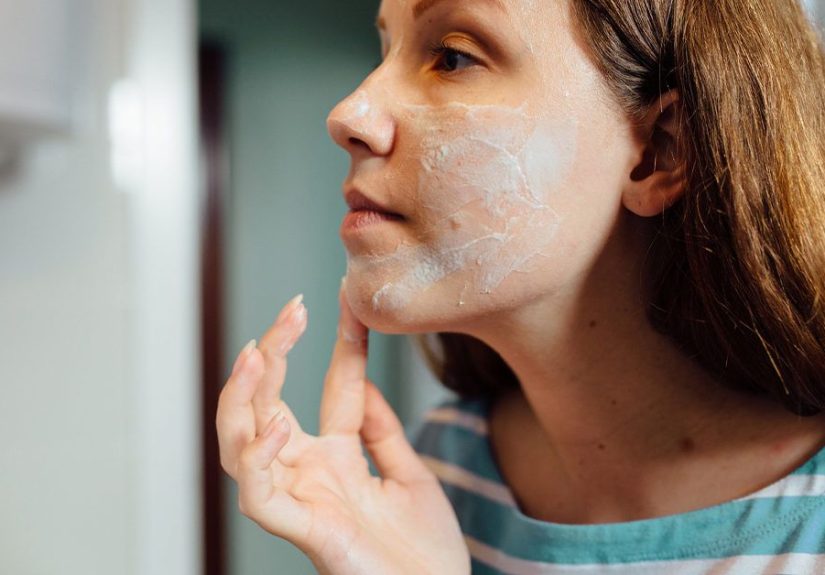
Jesse’s facial eczema didn’t arrive with a formal invitation. It started as dry patches around the nose and cheeks that looked like “winter skin.”
Then it upgraded itself into itchy, stinging, irritated patchessometimes around the mouth, sometimes near the eyeslike it was playing a game of
Now You See Me.
The hardest part wasn’t just the discomfort. It was the timing: big meeting? Flare. Date night? Flare. Family photos? A flare so bold it deserved its own headshot.
Jesse did what most people do first: tried “strong” cleansers, scrubby exfoliants, and random internet hacks. The result: a face that felt like it had been
lightly seasoned with betrayal.
What finally helped wasn’t one miracle product. It was a plan: fix the skin barrier, calm inflammation safely (because it’s the face), and become a trigger detective
instead of a product collector.
What Facial Eczema Actually Is (and What It Isn’t)
“Eczema” is often used like a catch-all, but facial rashes can have different causes. The most common eczema-related culprits include:
- Atopic dermatitis (AD): A chronic, itchy inflammatory condition linked to genetics and a weakened skin barrier.
- Contact dermatitis: Skin reacting to something it touched (irritant or allergy)often from skincare, makeup, fragrance, hair products, or even nail products that migrate to the face.
- Eyelid dermatitis: Often contact-related, because eyelid skin is thin and easily irritated.
And here’s the important twist: facial “eczema” can look like (or overlap with) seborrheic dermatitis, rosacea, perioral dermatitis, psoriasis, or infections.
That’s why a clinician’s diagnosis mattersespecially if a rash is persistent, painful, spreading, or near the eyes.
The “clue” that changed Jesse’s approach: pattern + triggers
Jesse noticed flares often followed new products: a scented cleanser, a “glow” serum, and a long-wear foundation that promised 24-hour perfection (and delivered
24-hour regret). That pointed toward contact dermatitisand later, the dermatologist confirmed Jesse likely had atopic dermatitis with
contact triggers. Translation: sensitive skin with a short temper.
The Two Big Missions: Calm Inflammation + Repair the Barrier
Facial eczema management works best when you treat it like a two-lane road:
(1) reduce inflammation during flares and (2) rebuild the skin barrier every day.
Jesse’s plan got dramatically better when it stopped being “fight the rash” and became “support the skin.”
Barrier basics (aka: your skin’s bouncer is asleep)
Healthy skin keeps irritants out and moisture in. Eczema-prone skin tends to have a leakier barrier, so it loses water easily and reacts faster to irritants.
The goal is to hydrate, seal, and avoid unnecessary disruption.
Moisturize like it’s your job (even if your job is not “moisturizer”)
Daily moisturizing is the boring hero of eczema care. Not glamorous. Not trending. Extremely effective.
Jesse got the best results by choosing a fragrance-free, dye-free moisturizer designed for sensitive skin and applying it consistently
especially after washing.
Cleanse gently (your face is not a dirty frying pan)
When Jesse switched from “squeaky clean” to “soft and calm,” things improved. A gentle, fragrance-free cleanser (or even just lukewarm water on low-flare days)
helped avoid stripping oils and triggering stinging.
The “soak and seal” trickyes, even for the face
After washing, pat (don’t rub) and moisturize while the skin is still slightly damp. This helps trap water in the skin.
Jesse described it as “locking the door before the moisture sneaks out.”
Jesse’s Flare Playbook: What Helped When the Face Was Angry
Once Jesse stopped trying to “power through” flares, the routine became more predictable. A typical flare plan included:
- Pause new products and keep the routine minimal.
- Use moisturizer more often (morning, night, and as needed).
- Use a clinician-recommended anti-inflammatory treatment for a short period.
- Protect irritated skin from sun and wind (a gentle mineral sunscreen if tolerated, plus hats/physical shade).
Topical steroids on the face: small tool, big respect
Topical corticosteroids can calm inflammation fastbut facial skin is thin, and overuse can cause problems like skin thinning, visible blood vessels,
acne-like bumps, or rashes around the mouth. That’s why clinicians usually recommend low-potency steroids for the face, used
short-term and carefullyespecially around the eyes.
Jesse’s rule became: “If it’s a steroid, it’s not a freestyle.”
The dermatologist gave clear instructions: where to apply, how long, and what to do for maintenance so Jesse didn’t have to guess.
Non-steroid prescription options (often useful on facial areas)
Jesse also learned that facial eczema isn’t “steroids or nothing.” Depending on age, severity, and the area involved, clinicians may use:
- Topical calcineurin inhibitors (TCIs): Non-steroid anti-inflammatory creams/ointments often used on delicate areas like the face or eyelids.
- Other non-steroid topicals: Options such as PDE-4 inhibitors and topical JAK inhibitors may be considered for some patients.
- Phototherapy or systemic treatments: For moderate-to-severe disease, doctors may discuss biologics or other systemic approaches.
Jesse liked having choices because it meant fewer “either I’m miserable or I’m scared of my medication” moments. The key was individualized guidance.
Eyelids are their own universe
Eyelid skin is extra thin and sensitive. Jesse’s eyelid flares were triggered by eye makeup, fragranced products, and (plot twist) hair product runoff in the shower.
The dermatologist’s eyelid advice was strict but helpful:
- Stop eye makeup during active flares.
- Avoid fragrance and essential oils near the eyes.
- Use only clinician-approved treatments around the eyelids (and follow exact directions).
- If irritation persists, consider evaluation for contact allergy and discuss patch testing.
Trigger Detective Work: Jesse’s “Face Forecast” System
Treating a flare is one thing. Preventing the next one is where life gets better.
Jesse kept a simple notes app “face forecast” for a month:
weather, stress, new products, shaving days, long mask-wearing, and sleep.
Patterns showed up fastlike receipts you didn’t ask for but definitely needed.
Common facial eczema triggers
- Fragrance: In skincare, makeup, shampoo, conditioner, and even laundry products.
- Harsh cleansers/exfoliants: Scrubs, strong acids, alcohol-heavy toners.
- Makeup and sunscreens: Especially long-wear or heavily fragranced formulas.
- Weather swings: Cold/dry air and wind; indoor heating that dries skin out.
- Sweat and friction: Exercise, hats/helmets, masks, or frequent face-touching.
- Stress and poor sleep: Not “your fault,” but very real for flare patterns.
Contact dermatitis: the “sneaky” eczema type
Contact dermatitis can be caused by irritation (too harsh) or true allergy (immune reaction).
If facial eczema keeps returning in the same areaslike eyelids, around the mouth, or along the jawlineclinicians may suggest
patch testing to identify allergies to ingredients such as preservatives, fragrance mixes, metals, or certain botanicals.
Jesse’s big takeaway: “If my skin hates something, I want a name and a plannot a guessing game.”
A Face-Friendly Routine Example (Simple, Not Sad)
Jesse’s best routine was almost boringwhich is exactly why it worked.
The goal is consistent barrier support and minimal irritation.
Morning
- Rinse with lukewarm water or use a gentle, fragrance-free cleanser if needed.
- Apply moisturizer to slightly damp skin.
- If tolerated, apply a gentle sunscreen (often mineral-based) to protect irritated areas from UV and weather stress.
Night
- Gentle cleanse (especially to remove sunscreen/makeup).
- Apply prescribed medication as directed to inflamed patches (during flares).
- Moisturize generouslythink “comfortable,” not “greasy misery.”
During a flare
- Stop all “actives” (retinoids, strong acids, exfoliants) until calm returns.
- Use the simplest routine: cleanse gently + treat (if prescribed) + moisturize.
- Avoid hot water and face rubbing (towels, washcloth friction, aggressive shaving).
- Consider cool compresses for itch (soft cloth, cool water, short sessions).
Makeup, Shaving, and the “Public Face” Problem
Facial eczema isn’t just physicalit’s social. Jesse dreaded comments like “Are you sunburned?” or “Did you try drinking more water?”
(As if hydration is a magical apology your skin suddenly accepts.)
Jesse made two changes that reduced stress:
- Permission to go bare-faced sometimes. Not as a moral victoryjust as a practical way to let skin heal.
- A “safe list” of products. Jesse used only a small set of tolerated items and avoided frequent experimentation.
For shaving, Jesse switched to fewer passes, more lubrication, and no fragranced aftershaves. On bad flare days, Jesse skipped shaving altogether.
The skin barrier appreciated the vacation.
When It’s Time to Call a Dermatologist (Not Just Your Group Chat)
Home care can do a lot, but some signs deserve medical attentionespecially on the face:
- Rash near the eyes with swelling, pain, or vision symptoms
- Signs of infection (oozing, honey-colored crusts, increasing pain, warmth, fever)
- Severe itching that disrupts sleep for multiple nights
- Rash that doesn’t improve with a basic gentle routine
- Frequent flares that keep returning in the same pattern (possible contact allergy)
A dermatologist can help confirm the diagnosis, recommend face-safe treatment options, and create a plan that reduces relapse.
Jesse described it as “finally getting a map instead of wandering in the woods.”
Putting It All Together: Jesse’s “Less Drama, More Control” Strategy
Jesse’s progress came from stacking small wins:
- Consistency: Moisturizer every day, not just when skin looked dry.
- Simplicity: Fewer products, fewer triggers, fewer surprises.
- Respecting facial skin: Short, guided use of anti-inflammatories; cautious approach near eyes.
- Trigger tracking: Not obsessivejust enough to notice patterns.
- Backup plan: Knowing what to do at the first tingle of a flare.
Facial eczema may be chronic, but it isn’t unbeatable. With the right routine and the right medical guidance, Jesse’s flares became less frequent,
less intense, and way less controlling.
Extra Experiences (): The Real-Life Stuff Jesse Wishes Someone Had Said Earlier
Jesse’s biggest misconception was thinking facial eczema needed a “stronger” routine. For a while, Jesse treated redness like dirtscrubbing, stripping,
exfoliating, and chasing that squeaky-clean feeling. It turns out squeaky-clean is sometimes just your skin barrier filing a formal complaint.
The first real breakthrough was learning to tolerate “boring.” Gentle cleanser. Plain moisturizer. Repeat. Jesse joked, “My routine is so simple it could fit on a sticky note.”
But the sticky note worked.
The second breakthrough was understanding that flares often start quietly. Jesse could feel a flare coming before it fully showed up: a faint sting after washing,
a tight sensation on the cheeks, or itch that felt like it lived under the skin. Early action mattered more than heroic action. Instead of waiting until patches were angry and obvious,
Jesse started switching to a flare routine at the first warning signcutting out extras, moisturizing more, and following the clinician’s plan.
That one change prevented a lot of week-long spirals.
Then there was the “product hope cycle.” Every new jar promised calm, glow, and inner peace.
Jesse learned to treat new products like a first date: take it slow, don’t invite them to move in immediately, and pay attention to red flags.
Patch testing new skincare on a small area (and introducing one new product at a time) saved Jesse from multi-product chaos where you can’t tell what helpedor what started the fire.
Jesse also stopped trusting “natural” as a synonym for “safe.” Poison ivy is natural too, and nobody’s asking it for skincare advice.
Eyelids were a special chapter. Jesse didn’t realize hair products could trigger eyelid dermatitis until a pattern appeared: flare after shampoo days,
especially if conditioner sat too long. Tiny changes helpedtilting the head back during rinsing, keeping products away from the face, washing hands after applying hair styling items,
and taking a break from eye makeup during flares. It was annoying (because eyeliner is a confidence multiplier), but it was temporaryand it reduced swelling fast.
The emotional part surprised Jesse. On bad skin days, Jesse avoided cameras and bright lighting like they were ancient curses.
What helped most wasn’t pretending not to care. It was having language:
“My skin is flaring today. It’s not contagious, just irritated.”
Jesse practiced saying it once or twice, and it removed the pressure to over-explain.
The irony is that once Jesse stopped spending mental energy hiding, stress went downand flares became less frequent. Not because stress causes eczema in a simple way,
but because stress can worsen itch, sleep, and routinesand routines are everything.
Jesse’s final lesson: you don’t need perfect skin to live normally. You need a plan you trust.
A calm routine, a flare strategy, and a dermatologist you can loop in when things change.
That’s not just managing eczema on your faceit’s taking your face back from constant negotiation.
Conclusion
Managing facial eczema is rarely about a single fix. Jesse’s story shows what tends to work in real life: protect the skin barrier, keep routines gentle,
treat flares with face-safe medical guidance, and identify triggersespecially potential contact irritants. With consistency and the right support,
facial eczema can become a condition you manage, not a condition that manages you.