Table of Contents >> Show >> Hide
- What Is the MCM Single-Cup Manual Coffee Maker?
- Why the MCM Brewer Became a Design Favorite
- MCM in the Context of Manual Coffee Culture
- How to Brew Great Coffee with the MCM Single-Cup Manual Coffee Maker
- How the MCM Single-Cup Manual Coffee Maker Affects Flavor
- Who Should Buy (or Hunt Down) an MCM Single-Cup Manual Coffee Maker?
- Practical Buying and Setup Tips
- Common Mistakes With Manual Single-Cup Brewers
- Final Thoughts
- Extended Experiences With the MCM Single-Cup Manual Coffee Maker
- SEO Tags
Some coffee makers are built to hide in a cabinet. The MCM Single-Cup Manual Coffee Maker is the opposite. It looks like it wandered out of a design studio, made friends with a chemistry lab, and decided to stay on your kitchen counter forever. If you love pour-over coffee and appreciate gear that feels intentional (instead of “assembled by a plastic committee”), this brewer has serious appeal.
In this guide, we’ll break down what makes the MCM Single-Cup Manual Coffee Maker special, how it fits into the wider world of manual brewing, what kind of cup it can produce, and how to get consistently excellent results. We’ll also cover practical stuff people actually care about: grind size, water temperature, bloom timing, cleanup, and how to avoid the classic “Why does my coffee taste like sadness today?” mistake.
What Is the MCM Single-Cup Manual Coffee Maker?
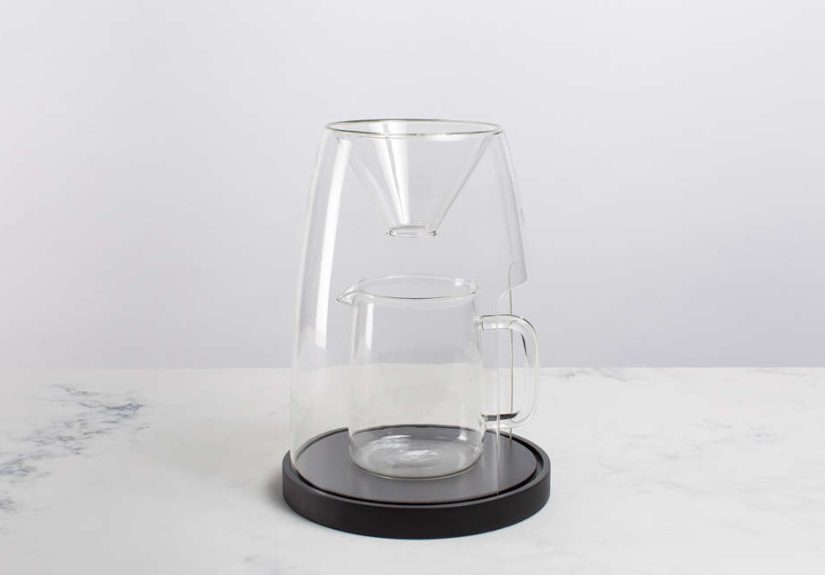
The MCM Single-Cup Manual Coffee Maker is a design-forward, single-serve pour-over brewer created by designer Craighton Berman. It’s the kind of object that blurs the line between coffee gear and countertop sculpture. The original product coverage described it as a one-cup manual brewer with a walnut stand, a borosilicate glass form, and a handcrafted wood traybasically, the coffee equivalent of a well-tailored jacket.
One reason the brewer stood out when it launched was its visual identity. Instead of looking like a generic cone on a mug, it was designed as a complete freestanding object. That matters more than it sounds. A lot of manual brewers make great coffee, but very few make you want to leave them out all day like a design piece. The MCM brewer was clearly built for both performance and presence.
You’ll also see the product referenced under the broader “Manual” name (and later the Manual Coffeemaker No.1). Think of “MCM” as part of that design language and lineage: a minimalist, modern, single-cup brewing concept that evolved into a fuller Manual product line and brew guides.
Why the MCM Brewer Became a Design Favorite
It was designed to be displayed, not hidden
The most interesting thing about the MCM Single-Cup Manual Coffee Maker is not just that it brews coffeeit’s that it was deliberately designed to live on the counter. That philosophy sounds simple, but it’s rare. Many brewers are functional first, attractive if you squint. The MCM approach treated coffee brewing as a ritual and the brewer as part of the room.
Borosilicate glass + wood is a winning combo
The brewer’s use of borosilicate glass is a practical and aesthetic choice. Borosilicate is prized in coffee gear because it tolerates heat better than ordinary glass and looks clean in use. Pair that with walnut, and you get warmth plus precisionvery “design magazine meets morning routine.” It’s no surprise design publications and coffee industry outlets paid attention.
It respected existing brew ecosystems
Another smart move: the design was compatible with widely used filter setups (including V60-style paper filters and metal filter options). That’s huge for usability. A beautiful brewer that requires impossible-to-find filters becomes a very expensive fruit bowl. The MCM/Manual concept avoided that trap and stayed compatible with common pour-over workflows.
MCM in the Context of Manual Coffee Culture
To understand why the MCM Single-Cup Manual Coffee Maker matters, it helps to look at the bigger pour-over world. Manual coffee brewing has been around for decades, and it’s never really gone awayit just keeps getting better gear, better grinders, and better technique. Coffee companies like Blue Bottle, Stumptown, Counter Culture, and Intelligentsia all continue to teach manual brew methods because they reveal flavor clarity in a way many automatic machines struggle to match.
In that ecosystem, the MCM brewer sits at a nice intersection: design object + single-cup precision + compatible brewing workflow. It speaks to people who care about taste, but also to people who care what their kitchen looks like at 7:12 a.m. on a Tuesday.
And yes, there’s a little design-history poetry here too. The manual brewer world has long loved iconic forms like the Chemex (famously recognized by MoMA). The MCM brewer follows that tradition of treating a coffee maker as both tool and design statementjust with a more contemporary, compact, single-cup attitude.
How to Brew Great Coffee with the MCM Single-Cup Manual Coffee Maker
Let’s get to the part your taste buds care about. A manual brewer can make incredible coffee, but it won’t do all the work for you. The good news: once you learn a repeatable recipe, you can get café-level results at home.
What you’ll need
- MCM Single-Cup Manual Coffee Maker (or Manual Coffeemaker No.1 style setup)
- Paper filter (V60-style compatibility is helpful)
- Fresh whole coffee beans
- Burr grinder (preferred over blade grinder)
- Gooseneck kettle
- Scale + timer
- Filtered water
- Your favorite mug (the emotional support mug is allowed)
A reliable starting recipe
There isn’t just one “correct” pour-over recipe, but strong patterns show up across respected coffee sources. For single-cup brewing, a smart starting point is:
- Coffee: 20–30 grams (depending on cup size)
- Water: 290–500 grams
- Ratio: roughly 1:15 to 1:17 (adjust to taste)
- Water temp: about 195–205°F
- Brew time: roughly 2:30 to 4:00 minutes
If you want a more structured “single-cup but full-bodied” recipe, the Manual Coffeemaker No.1 guide uses 35 g coffee to 500 g water at around 200°F, with a bloom and controlled spiral pours. That lands closer to a stronger brew (about a 1:14 ratio) and can work beautifully if you like a richer cup.
Step-by-step brewing method
1) Rinse the filter first
Put the paper filter in the brewer and rinse it with hot water. This does two useful things: it reduces papery flavor and preheats the brewer. It’s a tiny step that makes a noticeable differencelike ironing a shirt before an interview, except the shirt is coffee.
2) Grind fresh, medium to medium-fine
Grind right before brewing. Freshly ground coffee tastes brighter and more expressive than coffee that’s been sitting around. Start with a medium or medium-fine grind. If the brew runs too fast and tastes weak or sour, go finer. If it drags and tastes bitter, go coarser.
3) Bloom the coffee
Add your ground coffee to the filter and level the bed. Start the timer and pour just enough water to saturate the groundsusually about 2x to 3x the coffee weight. For example, 20 g coffee gets a 40–60 g bloom. Let it rest for about 30–45 seconds while trapped gases escape. This helps later pours extract more evenly.
4) Pour in controlled stages
After the bloom, continue pouring in slow spirals from center outward and back in. Many excellent recipes use staged pours (for example, pour to 150 g, then 250 g, then final weight), while others favor pulse pouring every 30 seconds. The exact pattern matters less than consistency and even saturation. Avoid pouring directly on the paper filter above the coffee bed whenever possible.
5) Watch the drawdown
Most good single-cup brews finish somewhere in the 2:30–4:00 range, depending on dose and recipe. If the drawdown is very fast, your grind may be too coarse. If it crawls forever, your grind may be too fine or you may be pouring too aggressively. Manual brewing is half recipe, half observation.
6) Remove, serve, and clean promptly
Once the water passes through, remove the brewer from the stand, discard the filter, and give everything a quick rinse. A lot of manual glass brewers are not dishwasher-friendly, so hand washing is the safe move. Future-you will thank present-you tomorrow morning.
How the MCM Single-Cup Manual Coffee Maker Affects Flavor
The brewer itself doesn’t magically create flavor from thin air (sadly), but it shapes extraction by controlling flow and supporting a repeatable pour-over process. Manual brewing continuously introduces fresh water to the coffee bed, which is great for clarity and aromabut it also means uneven pouring can cause uneven extraction. That’s why pour technique matters more here than with immersion brewers.
Coffee science discussions often focus on three big variables: grind size, total dissolved solids (TDS), and extraction. Translation for normal humans: how fine you grind, how strong the cup tastes, and how much flavor you pulled out of the grounds. Water temperature matters too, but many brewing experts now emphasize that dialing in grind and brew strength can have an even bigger impact on flavor than obsessing over a tiny temperature difference.
In practical terms, the MCM Single-Cup Manual Coffee Maker rewards:
- Consistent grind size (burr grinder helps a lot)
- Filtered water and stable brew temperature
- Even saturation during bloom and pours
- Using a scale instead of guessing
- Repeating the same recipe before making changes
Who Should Buy (or Hunt Down) an MCM Single-Cup Manual Coffee Maker?
It’s a great fit if you are…
- A design lover: You want your coffee setup to look as good as it tastes.
- A ritual person: You enjoy the hands-on pace of brewing one cup at a time.
- A flavor chaser: You like dialing in different beans and noticing subtle changes.
- A small-space brewer: Single-cup manual gear is ideal for compact kitchens and workspaces.
It may not be ideal if you are…
- Always in a rush: Manual brewing takes a few minutes and a little attention.
- Brewing for a crowd: This is a single-cup experience, not a brunch machine.
- Anti-cleanup: You’ll need to rinse and care for the brewer regularly.
Practical Buying and Setup Tips
1) Check filter compatibility before anything else
The easiest way to love a brewer is being able to use it without hunting specialty supplies at midnight. The MCM/Manual design’s compatibility with common pour-over filter formats is a major advantage. Confirm the filter size you need, then buy a few packs so you can focus on brewingnot emergency shopping.
2) Spend money on the grinder before fancy extras
If your budget is limited, upgrade your grinder before you upgrade your kettle stand, coffee cart, or “minimalist bean canister collection.” Coffee pros repeatedly recommend burr grinders because they produce more consistent particles than blade grinders, and consistency is the secret handshake of good pour-over coffee.
3) Use a scale, even if you think you’re “good at eyeballing”
Eyeballing works for tossing lettuce in a bowl. It’s less reliable for brewing repeatable coffee. A small digital scale instantly improves consistency and helps you troubleshoot flavor. If today’s cup tastes amazing, the scale helps you do it again tomorrow.
4) Keep a simple brew log
Write down four things: coffee dose, water weight, grind setting, and total brew time. That’s it. Over a week, you’ll learn your beans faster than randomly changing five variables at once. This is how you go from “I make coffee” to “I have a system.”
Common Mistakes With Manual Single-Cup Brewers
Skipping the filter rinse
This can leave papery flavors in the cup and cool down the brewer. It takes seconds to fix, so it’s one of the highest-value habits in manual brewing.
Using boiling water immediately
Many pour-over guides recommend roughly 195–205°F. If you’re not using a temperature kettle, letting the water rest briefly after boiling is a smart move. It’s a simple way to stay in the sweet spot.
Pouring too hard
Aggressive pouring can disturb the coffee bed, cause uneven extraction, and create channeling. Think “steady and controlled,” not “firehose.” The gooseneck kettle earns its countertop real estate here.
Changing everything at once
If a cup tastes off, adjust one variable at a timeusually grind size first. Changing ratio, temperature, grind, and pour pattern in one attempt turns brewing into chaos with a mug.
Final Thoughts
The MCM Single-Cup Manual Coffee Maker is more than a pretty object. It represents a thoughtful approach to brewing: one cup, one ritual, one well-designed tool that respects both flavor and form. It belongs in the same conversation as other beloved pour-over setups, but it stands out because it treats the brewer itself as part of the experience.
If you want a manual coffee maker that delivers clarity in the cup and style on the counter, this brewer is easy to admire. And if you pair it with fresh beans, a burr grinder, and a repeatable recipe, it’s not just a design pieceit’s a daily performer. In other words: beautiful enough for the kitchen, useful enough for every morning.
Extended Experiences With the MCM Single-Cup Manual Coffee Maker
Using the MCM Single-Cup Manual Coffee Maker over time feels different from using a typical machine, and that difference is exactly the point. The first thing most people notice is the pace. You don’t press a button and walk away. You heat water, prep the filter, weigh the coffee, bloom the grounds, and pour in stages. At first, this can feel “extra.” By day four, it starts to feel calming. By week two, it’s a ritual you protect. The MCM brewer has that effect because the design invites you to slow down without feeling precious about it.
The second experience people talk about is how visible the brew is. With glass, you can actually see the process: the bloom expanding, the coffee bed settling, the drawdown speeding up or slowing down. That visual feedback makes you a better brewer. You start to notice things like, “I poured too fast,” or “This grind is a little too fine,” before you even take a sip. A lot of hidden-plastic brewers don’t teach you much. This one teaches by letting you watch.
Flavor-wise, the MCM setup tends to reward attention with clarity. Bright coffees taste brighter, chocolate notes taste cleaner, and washed coffees can really shine. If you’ve only used automatic drip machines, the first good cup from a manual brewer can be a surprise: same beans, same kitchen, completely different result. That said, the brewer is honest. If your grind is inconsistent or your pour is sloppy, it won’t flatter you. It will politely hand you a mediocre cup and wait for you to improve.
Another real-world advantage is how well a single-cup manual brewer fits modern routines. It works for a home office break, a quiet morning before school drop-off, or a quick reset between meetings. You don’t need to commit to a full pot. You make one cup, exactly how you want it, and move on. In smaller apartments, the compact footprint and counter-worthy design are genuinely helpfulespecially if you don’t want your kitchen to look like a gadget warehouse.
There’s also a subtle “guest experience” benefit. When friends come over, manual brewing becomes a conversation instead of a background appliance noise. People ask what the brewer is, why it looks different, and why the coffee smells so good. It’s a small thing, but it turns coffee into hospitality rather than just caffeine delivery. If you like sharing coffee, the MCM brewer makes the process feel a little more intentional and a little more memorable.
The only real learning curve is consistency. The first few brews might be too bitter, too light, or weirdly flat. That’s normal. Once you lock in a repeatable recipesay 20–25 g coffee, 300–350 g water, a 30–45 second bloom, and a calm spiral pourthe results become much more predictable. And when you finally hit that “wow, this is excellent” cup, you’ll understand the appeal immediately. The MCM Single-Cup Manual Coffee Maker is not about convenience in the push-button sense. It’s about making a better cup on purpose, with a tool that makes the process feel good every single day.