Table of Contents >> Show >> Hide
- What is a medical pedicure?
- Medical pedicure vs. spa pedicure
- Who should consider a medical pedicure?
- What to expect during a medical pedicure
- Benefits of a medical pedicure
- Are there any risks?
- How to prepare for your medical pedicure
- Aftercare and follow-up
- Cost and insurance considerations
- Real-world experiences: what it actually feels like (extra insight)
- Bottom line
If you’ve ever left a salon pedicure wondering, “Was that actually good for my feet?” you’re not alone. Enter the medical pedicurea treatment that looks a little less like a spa day and a lot more like a checkup for your toes. Instead of massage chairs and mystery footbaths, you get sterile tools, a licensed professional, and a serious focus on foot health.
In this guide, we will walk through exactly what to expect from a medical pedicure, who might benefit most, how it differs from a standard salon pedicure, and how to get the most out of your visit. Think of it as a behind-the-scenes tour of the appointment, so your feet (and your brain) can relax.
What is a medical pedicure?
A medical pedicureoften called a “medi-pedi”is a clinical-grade foot treatment that prioritizes health, hygiene, and function over polish and pretty colors. It’s typically performed by a podiatrist, chiropodist, or specially trained medical nail technician in a medical office or medical-grade clinic rather than a typical nail salon.
While a cosmetic pedicure focuses on soaking, scrubbing, and painting, a medical pedicure is all about:
- Assessing the skin, nails, and overall structure of your feet
- Identifying and treating issues like corns, calluses, cracked heels, and thick or fungal nails
- Trimming and shaping nails in a way that prevents ingrown toenails
- Using sterile or single-use tools and an aseptic technique
- Providing tailored advice on footwear, home care, and follow-up
Some clinics may skip traditional nail polish entirely or use breathable, antifungal formulations designed with nail health in mind rather than just aesthetics.
Medical pedicure vs. spa pedicure
Both treatments involve your feet, some kind of file, and sitting still for longer than you planned. But the similarities mostly end there. Here’s how a medical pedicure compares to a salon pedicure:
1. Focus and purpose
Medical pedicure: Designed to diagnose, manage, and help prevent foot problems. The goal is healthier, safer, more comfortable feet.
Salon pedicure: Primarily focused on appearance and relaxationsmooth heels, shiny polish, and a nice massage.
2. Who performs it
Medical pedicure: Performed by a podiatrist, chiropodist, or medical nail technician with training in foot health, infections, and conditions like diabetes or circulation problems.
Salon pedicure: Performed by a nail technician or cosmetologist whose training is primarily cosmetic.
3. Hygiene and tools
Medical pedicure providers typically use:
- Medical-grade sterilization (autoclaves or high-level disinfection)
- Disposable blades and single-use items when appropriate
- Dry techniques (no shared whirlpool tubs, which can harbor bacteria and fungi)
That strict approach is especially important if you have diabetes, peripheral neuropathy, poor circulation, or a weakened immune system, because your risk of infection is higher.
4. What they can treat
A medical pedicure can address issues a salon is not allowed or trained to treat, including:
- Recurring ingrown toenails
- Thick, discolored, or fungal nails
- Stubborn corns and calluses
- Cracked heels and painful fissures
- Mild warts or athlete’s foot (depending on the clinic and scope of practice)
Salons usually must avoid anything that looks infected, bleeding, or medically complicated and may even refuse service in those cases, which is exactly when a medical pedicure shines.
Who should consider a medical pedicure?
Almost anyone can benefit from a medical pedicure, but it’s particularly helpful if:
- You have diabetes or peripheral neuropathy
- You’re prone to ingrown toenails, thick nails, or nail damage
- You regularly deal with calluses, corns, or cracked heels
- You have a history of nail fungus or athlete’s foot
- You run, play sports, stand on hard floors all day, or wear tight shoes
- You struggle to reach your feet safely (due to mobility, vision, pregnancy, or age)
- You’re simply nervous about salon hygiene and want a safer option
Podiatrists especially recommend medical pedicures for people with chronic health conditions that affect circulation or healing, because small cuts from salon tools can lead to serious complications.
What to expect during a medical pedicure
Every clinic has its own flow, but a typical appointment might look like this:
1. Check-in and health review
Instead of “Pick a color,” you’re more likely to hear, “Do you have diabetes, allergies, or any foot pain?” The provider will ask about your medical history, medications, and specific concernslike recurring ingrowns, heel pain, or nail discoloration.
2. Foot and nail examination
Next comes a close look at your feet: skin texture, nail shape, color changes, callus patterns, and any signs of infection, warts, or structural problems like bunions or hammertoes. This mini-assessment helps them customize the treatment and flag anything that needs full medical care beyond the pedicure.
3. Gentle nail trimming and shaping
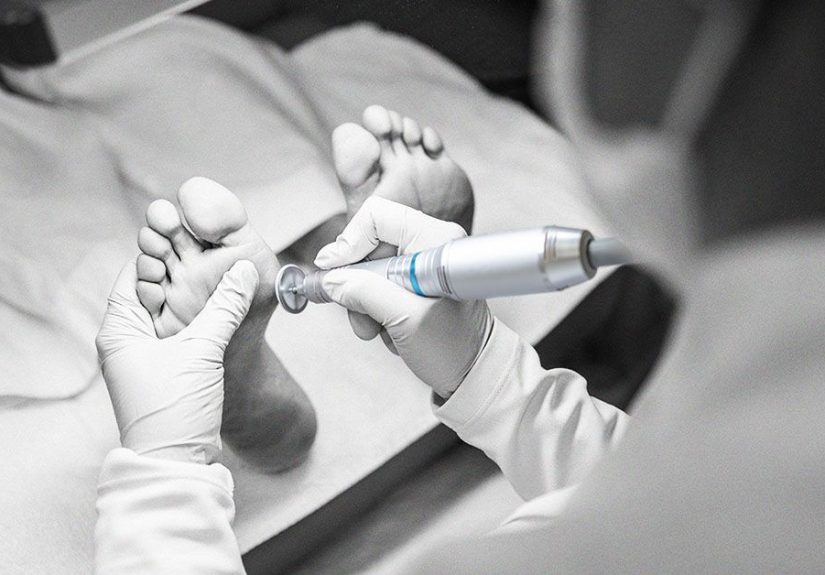
Using sterile clippers and files, they carefully trim nails straight across (not into the corners) to reduce the risk of ingrown toenails. Thick or misshapen nails may be thinned with specialized burrs on a podiatry drill to relieve pressure in shoes.
4. Callus and corn care
Instead of shaving skin with sharp tools in a back room, the provider uses precise blades and podiatry instruments to carefully debride thick calluses and corns without causing bleeding. The goal is to reduce pressure and pain, not to make your feet baby-soft for a day and sore the next.
5. Skin and cuticle care
Cuticles are gently pushed back rather than aggressively cut. Dry, flaky, or cracked skin is smoothed, and any small problem areaslike a developing fissure on the heelare treated early.
6. Hygiene-focused “finishing touches”
Instead of a bubbly foot spa, you may get a dry pedicure with targeted cleansing and disinfecting of the skin. Some clinics add a hydrating mask, warm towel, or a light massage to boost circulation, depending on your health status.
7. Education and home-care advice
Before you leave, your provider may discuss:
- What kind of shoes and socks will support your feet best
- How often to moisturize and where (and where not) to put lotion
- How to trim your nails at home safely, if appropriate
- When to return for follow-up or a full medical exam
Many people say this is their favorite part of the visitthe “lecture” that actually saves them from future foot drama.
Benefits of a medical pedicure
People book medical pedicures for a variety of reasons. Common benefits include:
- Improved comfort: Removing calluses, corns, and thick nails can immediately ease pressure and pain when walking.
- Reduced infection risk: Sterile tools and clinical protocols lower the chances of bacteria or fungus spreading, compared with some shared salon tubs and instruments.
- Safe care for high-risk feet: People with diabetes, compromised immune systems, or circulation problems get professional-level monitoring and care.
- Early detection of problems: A trained eye might notice a suspicious lesion, a change in nail color, or pressure spots that could turn into ulcers.
- Better long-term foot health: With regular visits and personalized advice, you can prevent repeating the same issues over and over.
Are there any risks?
When performed by qualified medical professionals in a clinical setting, medical pedicures are generally considered very safe. Still, it’s good to be aware of potential downsides:
- Cost: A medical pedicure usually costs more than a salon pedicure.
- Limited polish options: Some clinics skip polish entirely or offer only medical-grade formulas.
- Not a full medical appointment: If your provider spots something serious (like an ulcer, deep infection, or suspicious skin lesion), they may pause the pedicure and recommend a separate medical visit.
To minimize risk, confirm the provider’s credentials, ask how tools are sterilized, and mention any medical conditions before they begin.
How to prepare for your medical pedicure
- Skip polish removal at home: Let the provider remove polish so they can see your nails clearly and safely.
- Bring a medication list: Especially if you take blood thinners, diabetes medications, or drugs that affect healing.
- Wear easy-to-remove shoes and socks: Bonus points if they’re comfortable and properly fitted.
- Note any symptoms: Jot down things like tingling, numbness, burning, or “hot spots” so you don’t forget to mention them.
Aftercare and follow-up
Post-pedicure, your feet should feel lighter, smoother, and less sorewithout feeling raw. To keep that feeling going:
- Moisturize regularly (but avoid putting lotion between the toes if you’re prone to fungus)
- Inspect your feet daily if you have diabetes or neuropathy
- Wear breathable socks and shoes that don’t rub or squeeze
- Follow any specific instructions your provider gives you
How often you return depends on your needs: some people go every 6–8 weeks for maintenance, while others schedule a visit only when something feels off.
Cost and insurance considerations
Prices vary widely based on location and who performs the service, but in many U.S. clinics, a medical pedicure typically costs more than a spa pedicure and less than a full specialist appointment. Some practices bundle it into a podiatry visit if they’re treating specific conditions like calluses related to diabetes or painful ingrown nails.
Insurance usually does not cover purely cosmetic foot care, but it may cover medically necessary debridement, nail care, or diabetic foot visits. If coverage matters to you, ask the office whether your visit will be billed as a medical service or as a cosmetic procedure.
Real-world experiences: what it actually feels like (extra insight)
It’s one thing to read a checklist of steps and another to imagine yourself in the chair, wondering whether someone is about to judge your calluses. Here are some common themes people report after their first medical pedicureand what you can expect emotionally and practically.
From “embarrassed” to “why didn’t I do this sooner?”
Many people arrive for their first visit apologizing for their feet: “Sorry, they’re awful,” “Don’t judge my nails,” or “I’ve been hiding these toes for years.” A good medical pedicure provider has truly seen it allrunners’ blisters, cracked heels from flip-flops, nail fungus from years in work bootsand it is their job, not your failure. Within a few minutes, most people relax because the focus shifts from how their feet look to how their feet work and feel.
It can be surprisingly empowering to hear, “You’re not the worst I’ve seen. We can fix a lot of this, and we’ll work on the rest over time.” That shiftfrom shame to problem-solvingis one of the biggest “soft benefits” of a medical pedicure.
The athlete with stubborn calluses
Think about someone who runs 20–30 miles a week. They’re used to thick calluses, blackened toenails after races, and shoes that always seem to rub in the same spot. A salon pedicure might shave calluses aggressively so feet look smooth for a few days, but then every long run hurts more.
During a medical pedicure, the provider might explain that a little callus is protective, but too much creates pressure that can cause pain or even blisters and wounds. Instead of simply removing everything, they gradually reduce the thickness in targeted areas, suggest shoe changes, and maybe add orthotics or cushioning. The runner leaves not just with smoother feet, but with a strategy for fewer “injury surprises” during training.
The office worker with “mystery” heel cracks
Another common story: someone who sits most of the day but lives in sandals or walk-around-the-house barefoot. Their heels look fine untilsuddenlythey’re painfully cracked. They might have tried pumice stones, heavy creams, or even salon pedicures, only to have the cracks return.
In a medical pedicure, the provider gently debrides the hardened, splitting skin around the heel and looks for deeper causes, like very dry skin, weight-bearing patterns, or footwear with hard edges. They might recommend a specific urea-based cream, a change in shoes, or a routine of wearing socks after moisturizing at night. The person usually leaves feeling like their heels got both a “reset” and a realistic plan, instead of a one-time buff-and-go treatment.
The person with diabetes who is terrified of foot injuries
For someone living with diabetes, feet can feel like landmines. They’ve been told to avoid sharp tools, never walk barefoot, and “call your doctor immediately if you see a cut.” The idea of letting anyone near their feet with instruments can be stressful.
Medical pedicures can be a game-changer here. The visit often starts with a gentle conversation about their blood sugar control, past foot issues, and any numbness or tingling. The provider may check pulses, test for sensation with a monofilament, and carefully examine for pressure spots or early ulcers. Then, they trim nails, thin thickened areas, and reduce calluses in a controlled, sterile way.
Instead of feeling reckless for getting a pedicure, the person leaves feeling more protected. They’ve gained another set of professional eyes on their feet and a clear plan for what to watch for at home.
The “I just want safe, clean pampering” client
Not everyone has a medical condition or chronic foot pain. Some people simply like the idea of a pedicure but are squeamish about tubs, reused tools, or “cuticle nipping” in busy salons. For them, a medical pedicure offers a reassuring middle ground: they still get tidy nails, smoother skin, and a bit of gentle pampering, but in an environment that feels closer to a doctor’s office than a day spa.
The atmosphere is often quieter, the appointment more educational, and the results more long-lasting. Many people describe their feet as feeling “lighter and safer,” not just prettier.
How to make the most of your experience
- Be honest: Tell your provider if you’re nervous, embarrassed, or afraid of painthey can adjust their approach.
- Ask questions: This is your chance to learn why your feet keep developing the same problems.
- Think long-term: Treat your medical pedicure as the start of a foot-care routine, not a one-time rescue operation.
When you walk out, the biggest surprise might not be how your feet look, but how much more confident you feel about taking care of them.
Bottom line
A medical pedicure is a smart choice if you care about both the health and appearance of your feetespecially if you have underlying medical conditions, recurring problems, or concerns about salon hygiene. By understanding what to expect from a medical pedicure, you can walk into your appointment prepared, ask better questions, and walk out with happier, healthier feet.