Table of Contents >> Show >> Hide
- What Is MiraLAX (PEG 3350), and How Does It Work?
- Is MiraLAX Safe for Kids?
- When MiraLAX Is Used for Kids (and When It Shouldn’t Be)
- MiraLAX Dosage for Kids: How Dosing Is Usually Approached
- Why kids’ dosing is often weight-based
- Typical maintenance dosing ranges used in pediatric guidance
- Cleanout/disimpaction dosing (short-term, clinician-guided)
- How to measure: capfuls, grams, and the “please dissolve it fully” rule
- Example: how clinicians think about dose adjustments (illustrative, not a prescription)
- How long do kids stay on it?
- Side Effects and What to Do If They Happen
- Alternatives to MiraLAX for Kids
- When to See a Pediatrician (or a Pediatric GI Specialist)
- Bottom Line
- Parent & Caregiver Experiences (Extra Insights From Real Life)
- 1) “We tried fiber gummies and it did… absolutely nothing.”
- 2) The “withholding dance” is real
- 3) “The cleanout was… a weekend we will never speak of again.”
- 4) Kids care about “texture” more than adults expect
- 5) The emotional side of constipation surprises families
- 6) “We stopped too soon…and it came right back.”
- 7) The “win” families describe most often
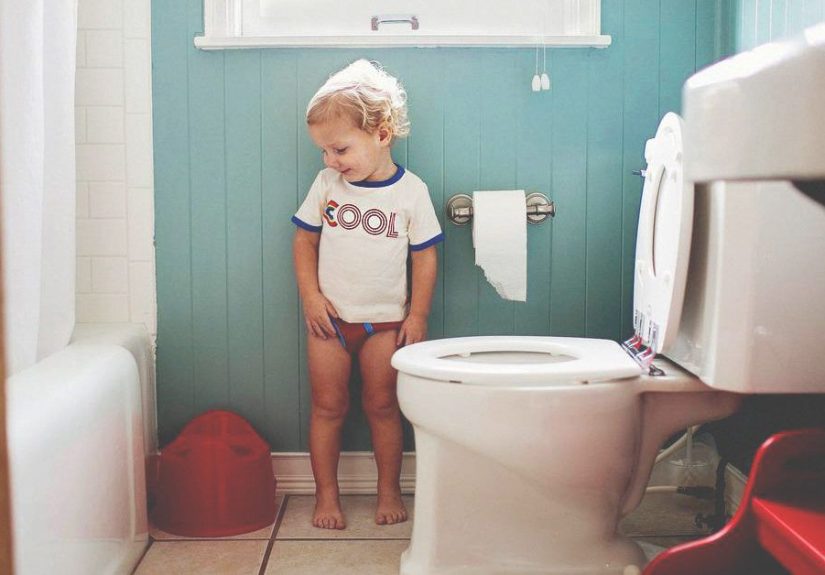
Constipation in kids is one of those parenting surprises nobody puts on the baby shower registry. One day your child is a carefree
snack-powered tornado, and the next they’re negotiating with their own butt like it’s a stubborn door that won’t open without a password.
If you’ve heard other parents (or your pediatrician) mention MiraLAX, you’re not alonepolyethylene glycol 3350 (often shortened to PEG 3350)
is commonly used in children for constipation, even though the over-the-counter label is written for older teens and adults.
This guide breaks down what MiraLAX is, why it’s used, what reputable pediatric guidance says about safety, how dosing is usually approached
in real clinics, what side effects to watch for, and what alternatives (medicine and non-medicine) can help. The goal: fewer bathroom battles,
more “we did it!” moments, and a lot less anxiety for everyone involved.
What Is MiraLAX (PEG 3350), and How Does It Work?
MiraLAX is a brand name for polyethylene glycol 3350 (PEG 3350), an osmotic laxative. “Osmotic” is a fancy way of saying
it helps pull water into the stool, making poop softer and easier to pass. Think of it like a gentle hydration helper for the colonnot a stimulant
that “forces” the intestines to squeeze.
PEG 3350 powder is typically tasteless and dissolves in many liquids (water, juice, etc.). It usually produces a bowel movement within
1 to 3 days, though some kids respond sooner and some need a bit longer depending on how backed up things are.
Is MiraLAX Safe for Kids?
Why parents ask this question (and why it’s a good question)
Parents often worry about MiraLAX because:
- the OTC package label is written for ages 17+ (which makes it feel “not for kids”)
- children sometimes need it for weeks or months, not just a few days
- there have been public concerns and discussions about behavioral or “neuropsychiatric” side effects
Here’s the reassuring (but still honest) summary: major pediatric guidance and clinical practice commonly consider PEG 3350
an effective first-line option for functional constipation in kids, with a safety profile that’s been studied for years.
That said, your child’s situation matters. The safest approach is dosing and follow-up with a pediatric clinician,
especially for young children, chronic constipation, or if symptoms are severe.
FDA labeling vs. pediatric “off-label” use
The over-the-counter MiraLAX label is written for adults and children 17 years and older, typically as a once-daily dose for
short-term “occasional constipation.” In pediatrics, clinicians may recommend PEG 3350 “off-label,” meaning it’s used in a way that isn’t exactly
what the OTC label describesoften with weight-based dosing and sometimes for longer durations when needed.
What studies and guidelines generally show
Pediatric gastroenterology guidance and medical reviews consistently describe PEG 3350 as effective and generally well tolerated for childhood
functional constipation. In multiple studies, it improves stool frequency, softens stools, and is often preferred because it’s easier for kids to take
than some alternatives (hello, “no weird taste” is a big deal in the under-10 crowd).
Many clinicians also value that PEG 3350 is an osmotic agent (water-focused), not a stimulant laxative, so it’s typically not associated with “dependence”
in the way families fear. The goal is to retrain bowel habits and reduce withholdingnot to create a long-term crutch.
What about concerns around “neuropsychiatric” effects?
This topic gets attention because some families have reported behavioral changes while a child was taking PEG 3350. Reports like these matter and should
be taken seriouslyespecially if a parent notices a clear change after starting any medication.
At the same time, it’s important to separate:
- reports (something happened around the same time)
- from proof of causation (the medication directly caused it)
Researchers have specifically studied whether small “contaminants” (like ethylene glycol-related compounds) might build up in kids taking PEG 3350.
In published research, daily PEG 3350 therapy was not associated with sustained elevations of these compounds above control levels, and measured peaks
remained below toxic thresholds. If you have concerns, the most practical move is to talk with your child’s pediatrician about risks, benefits, and
alternatives for your child’s age and medical history.
When MiraLAX Is Used for Kids (and When It Shouldn’t Be)
Common reasons clinicians recommend PEG 3350
- Functional constipation (constipation not caused by a structural disease)
- Stool withholding (often after a painful poop leads to “never again!”)
- Hard, painful stools or infrequent stools
- Encopresis (stool leakage/soiling related to chronic constipation)
- After a cleanout, as maintenance to keep stools soft while bowel habits reset
Situations that need medical evaluation first
Do not “DIY” MiraLAX (or any laxative plan) if your child has red flags that could suggest something more serious.
Seek urgent medical care or contact your clinician promptly if your child has:
- severe or worsening abdominal pain
- vomiting (especially green/bilious vomiting)
- blood in stool (more than a tiny streak from a fissure)
- fever, significant lethargy, or signs of dehydration
- weight loss, poor growth, or persistent appetite loss
- no stool plus inability to pass gas, or a very distended belly
- constipation starting in the first month of life or other concerning infant symptoms
MiraLAX Dosage for Kids: How Dosing Is Usually Approached
Important: This section explains how pediatric clinicians commonly dose PEG 3350 in practice and in guidance documents.
It is not a substitute for medical advice. Always ask your pediatrician for your child’s specific dose, especially
for children under 2, kids with other medical conditions, or constipation that is persistent or severe.
Why kids’ dosing is often weight-based
A “one-size” adult capful doesn’t fit a toddler. Pediatric dosing often uses body weight (g/kg/day) and is adjusted based on:
- stool consistency (aiming for soft, easy-to-pass stools)
- frequency (often 1–2 comfortable stools per day, depending on the plan)
- side effects (gas, cramping, diarrhea)
- how long constipation has been going on
Typical maintenance dosing ranges used in pediatric guidance
For ongoing constipation management, pediatric references commonly describe a maintenance range for PEG 3350 in the neighborhood of
0.2 to 0.8 g/kg/day, with many clinicians starting around 0.4 g/kg/day and adjusting.
Cleanout/disimpaction dosing (short-term, clinician-guided)
If a child is significantly backed up (fecal impaction or large stool burden), clinicians may recommend a short-term “cleanout”
plan first. Guidance documents often describe cleanout ranges around 1 to 1.5 g/kg/day for a few days, though exact plans vary
by child, age, and clinical setting.
Cleanouts should be done with medical guidance, because kids can get uncomfortable, and it’s important to prevent dehydration, avoid overdoing it,
and make sure the symptoms truly fit constipation rather than another cause.
How to measure: capfuls, grams, and the “please dissolve it fully” rule
One MiraLAX capful is commonly marked to measure 17 grams of powder. Many pediatric plans translate weight-based dosing into “capful
fractions” for convenience. Whatever your child’s prescribed dose is, the basic use tips are usually the same:
- Mix the powder into the full amount of liquid recommended (often 4–8 oz for an adult dose; your clinician may adjust for a child).
- Stir well and make sure it fully dissolves (no clumps = fewer “what is this texture?” complaints).
- Give it consistently at the same time each day if your clinician recommends daily use.
- Expect an adjustment period; dosing is often titrated to stool results.
Example: how clinicians think about dose adjustments (illustrative, not a prescription)
Imagine a 6-year-old who has hard stools and stool withholding. A clinician might start with a conservative maintenance dose and reassess after a week:
if stools are still hard and painful, the dose may be nudged up; if stools become watery, it may be reduced. This “dial it in” approach is common because
the “right” dose is the one that produces comfortable, soft stoolsno drama, no tears, no dramatic monologues from the toilet.
How long do kids stay on it?
One of the biggest surprises for families is that constipation management is often a months-long project, not a weekend errand.
Many pediatric action plans use stool softening/maintenance therapy for 6 to 12 months (sometimes longer), while routines and withholding behaviors
improve and the colon returns to a healthier rhythm. Stopping too soon is a common reason constipation boomerangs back.
Side Effects and What to Do If They Happen
Common, usually mild side effects
- bloating or gassiness
- mild cramping
- looser stools (especially when the dose is a bit high)
- nausea (less common, but can happen)
When side effects mean “call the clinician”
Contact your child’s pediatrician if your child has persistent diarrhea, significant abdominal pain, vomiting, or signs of dehydration
(dry mouth, dizziness, very low urine output). If there’s severe pain, repeated vomiting, or a swollen/distended abdomen, seek urgent care.
Allergy is rarebut urgent
True allergic reactions are uncommon, but if your child develops hives, swelling of the face/lips, or trouble breathing, seek emergency care.
Alternatives to MiraLAX for Kids
“Alternatives” can mean two different things:
- Non-medication strategies that prevent constipation from returning
- Other medications your clinician might choose if PEG 3350 isn’t a fit
Non-medication strategies that actually move the needle
1) Toilet routine (the underrated superpower)
Many kids do best with a predictable schedule: sit on the toilet for 5–10 minutes after meals (especially after breakfast and dinner),
when the body’s natural “gastrocolic reflex” is most likely to help. Use a footstool so knees are higher than hipssquat posture is a friend.
2) Hydration and fiber (but don’t turn it into a food courtroom)
Adequate fluids and fiber support regular stools, but many clinical reviews note that dramatically pushing fiber or fluids above normal recommendations
isn’t a magic fix once constipation is established. Focus on sustainable habits: fruit, veggies, whole grains, beans, and enough water so pee is pale yellow.
3) High-sorbitol fruits (nature’s “gentle nudge”)
Prunes, pears, and apples contain sorbitol, a sugar alcohol that can help soften stool. This doesn’t replace medical treatment for severe constipation,
but it can be a useful supporting player.
4) Move the body
Activity supports gut motility. No, your child doesn’t need a triathlon. A walk, playground time, dancing in the kitchenanything that keeps the body moving
can help.
5) Address withholding (the real villain in many stories)
If a child associates pooping with pain, they may withhold. Withholding leads to harder stools, which leads to more pain, which leads to more withholding.
Breaking this cycle often requires both stool-softening and calm, consistent routinesplus reassurance that the toilet is not an enemy fortress.
Medication alternatives a pediatrician may consider
Lactulose
A sugar-based osmotic laxative that can be effective, sometimes used if PEG 3350 isn’t tolerated. It may cause more gas or bloating in some children.
Magnesium hydroxide (milk of magnesia)
Another osmotic option. It can work well, but dosing and suitability depend on age and medical history (and it’s not ideal for some kids with kidney issues).
Stimulant laxatives (like senna or bisacodyl)
These can be used in specific situationssometimes as part of a cleanout plan or short-term add-on. Because they stimulate intestinal contractions,
they’re typically used under clinician guidance in pediatrics.
Glycerin suppositories
Sometimes used for short-term help in younger children who need immediate relief. Best to use with clinician guidance for proper technique and frequency.
Enemas
Enemas can be appropriate in certain medical scenarios, but they are not a casual home experiment for most families. Clinicians may recommend them in specific
circumstances; follow instructions carefully.
When to See a Pediatrician (or a Pediatric GI Specialist)
Make an appointment if constipation is frequent, painful, or affecting your child’s appetite, mood, school, or confidence. Referral to pediatric gastroenterology
is often considered if constipation is persistent despite a solid plan, if there are red flags, or if encopresis/soiling is ongoing.
Bottom Line
MiraLAX (PEG 3350) is widely used in pediatric constipation care because it softens stool by drawing water into the colon and is generally well tolerated.
The OTC label is aimed at older teens and adults, but clinicians commonly use weight-based dosing in children when it’s appropriate.
Safety concerns deserve respectful attention, and the best approach is individualized care: the right dose, the right routine, and the right follow-up for your child.
If you take away just one thing, make it this: constipation management is usually a process, not a single “fix.”
Pair stool-softening (when recommended) with predictable toilet habits, hydration, and a calm planand you’ll often see real improvement over time.
Parent & Caregiver Experiences (Extra Insights From Real Life)
The internet makes it sound like there are two kinds of families: those whose kids poop like clockwork, and those living in a never-ending constipation saga.
Reality is more nuanced. Many caregivers describe a similar arc: confusion at first, frustration in the middle, andeventuallyrelief once the plan becomes routine.
Here are common “real-life” patterns families talk about, plus what tends to help.
1) “We tried fiber gummies and it did… absolutely nothing.”
A lot of parents start with the gentlest tools: extra fruit, fiber supplements, more water, maybe a probiotic. Sometimes that works for mild constipation.
But when a child is withholding or has hard stool built up, diet tweaks alone often don’t overcome the logjam. Many caregivers say the turning point was learning that
constipation can stretch the rectum and reduce the urge to goso softening stools consistently (often with clinician-guided medication) isn’t “overkill,” it’s part of reset.
Once the stool is easier to pass, the child’s fear drops, and the household stress level follows.
2) The “withholding dance” is real
Parents often recognize withholding in hindsight: the tiptoe walk, the stiff posture, the sudden sprint away from the bathroom, the “I don’t have to go”
delivered with the intensity of an award-winning actor. Many families say they used to interpret this as stubbornness, but later learned it was self-protection:
a child avoiding pain. When caregivers shift from “Why won’t you just go?” to “Your body is nervous; we’ll make it easier,” kids often relax.
3) “The cleanout was… a weekend we will never speak of again.”
Cleanouts can be intense, and caregivers frequently describe them with a mix of humor and traumalike they survived a category-five bathroom storm.
Common advice parents share with each other (and many clinicians emphasize) includes: plan a low-key day, keep hydration front and center, use skin protection
(barrier cream can be a lifesaver), and don’t schedule a road trip during the “active” phase. Families often report that the cleanout part is the hardest,
but afterward, maintenance feels much more manageableespecially when stools stay soft and predictable.
4) Kids care about “texture” more than adults expect
Parents frequently mention that PEG 3350 is easier to use because it dissolves well and doesn’t taste like medicine. Even then, some kids are suspicious of any
beverage that suddenly has “mystery vibes.” Families often succeed by mixing the powder into a strongly flavored drink the child already likes (as allowed by the plan),
serving it cold, stirring thoroughly, and keeping the routine consistent. The more casual you can make itless “medical ceremony,” more “this is just what we do”
the fewer battles you’ll have.
5) The emotional side of constipation surprises families
One of the most common caregiver reflections is how much constipation affects mood and behavior. A child who feels uncomfortable may become irritable, anxious,
or clingy. Some parents initially worry the behavior is “the problem,” when it’s actually a symptom of discomfort. Once stools soften and bathroom visits stop hurting,
caregivers often notice better appetite, improved sleep, fewer meltdowns, and more willingness to try the toilet without fear.
6) “We stopped too soon…and it came right back.”
Many families share this exact story: things improve, everyone celebrates, medication is stopped quickly, and constipation returns like a sequel nobody asked for.
Caregivers often learn that the bowel needs time to regain normal tone and sensation, and that consistent routines matter even when things look “fixed.”
The most successful experiences usually involve a gradual, clinician-guided taper after a stable period of comfortable stoolsplus continued toilet habits
(like sitting after meals) to reinforce the new normal.
7) The “win” families describe most often
The big win is not “pooping every day” (though that’s great). It’s the moment the child stops being scared. Caregivers often describe a shift from dread to confidence:
the child goes without tears, without pain, and without dramaand suddenly the whole topic stops dominating family life. If your family is not there yet, it doesn’t mean
you’re doing it wrong. It often means you haven’t found the right combination of stool-softening, routine, and time. When in doubt, bring your questions to your pediatrician.
Constipation is common, treatable, and you don’t have to figure it out alone.