Table of Contents >> Show >> Hide
- What Is Moroccan Saffron Chicken?
- Why You’ll Love This Recipe
- Ingredient Notes for the Best Moroccan Saffron Chicken Recipe
- Moroccan Saffron Chicken Recipe (Tagine-Style)
- What It Should Taste Like (So You Know You Nailed It)
- Best Ways to Serve Moroccan Saffron Chicken
- Storage, Reheating, and Make-Ahead Tips
- Common Mistakes to Avoid
- Frequently Asked Questions
- Conclusion
- Kitchen Experiences and Practical Lessons (About )
If your dinner routine has been feeling a little too “chicken again?”, this Moroccan saffron chicken recipe is here to stage an aromatic intervention. It’s cozy, vibrant, savory, and just dramatic enough to make your kitchen smell like you know exactly what you’re doing (even if you’re still googling “what does preserved lemon actually taste like?”). Think tender chicken, warm spices, briny olives, silky onions, and saffron doing its golden, floral magic in the background like a very expensive supporting actor.
This version is tagine-style, which means you do not need a traditional tagine pot to make it. A Dutch oven or heavy-bottomed pot works beautifully. The goal is slow, gentle braising and layered flavornot winning a cookware pageant. Below, you’ll get the full recipe, ingredient swaps, common mistakes, serving ideas, and a longer “kitchen experience” section at the end with practical lessons that make the second batch even better than the first.
What Is Moroccan Saffron Chicken?
Moroccan saffron chicken is a braised chicken dish inspired by classic Moroccan tagines, especially the beloved lemon-and-olive style preparations. The flavor profile usually includes onions, garlic, ginger, turmeric, saffron, herbs, olive oil, and preserved lemon, often finished with green or purple olives. The result is deeply savory and fragrant, with a balance of warmth, brightness, and briny punch.
Saffron is the star note, but not in a “look at me!” way. It adds color, aroma, and a subtle earthy-floral depth that ties the whole dish together. Preserved lemon brings a concentrated citrusy saltiness that fresh lemon juice can’t fully copy. (Fresh lemon is a decent backup, but preserved lemon is the move if you want that true tagine-style personality.)
Why You’ll Love This Recipe
- Big flavor, low chaos: Most of the work is slicing onions and letting the pot do the rest.
- Tagine-style without a tagine: A Dutch oven or deep skillet works well.
- Great for entertaining: It tastes like you spent all day cooking, even if you didn’t.
- Flexible: Use thighs, drumsticks, or a cut-up whole chicken.
- Better the next day: The flavors deepen beautifully after a rest.
Ingredient Notes for the Best Moroccan Saffron Chicken Recipe
The Core Ingredients
- Chicken: Bone-in, skin-on thighs or leg quarters are ideal for flavor and moisture. You can remove skin before cooking if you want a lighter finish.
- Saffron threads: Use threads, not powder. A small pinch goes a long way.
- Preserved lemon: Usually the rind is the hero. Rinse lightly and remove seeds.
- Green olives: Briny olives balance the sweet onion base and floral saffron.
- Onions: Lots of them. They cook down into the sauce and create body without cream or flour.
- Garlic + ginger: Essential aromatic backbone.
- Turmeric + paprika + black pepper: Warmth, color, and depth.
- Cilantro and parsley: Fresh herbs brighten the braise and round out the savory notes.
- Olive oil: Adds richness and helps carry the spice aromas.
About Saffron (Because It’s Fancy and Deserves a Minute)
Saffron works best when you bloom it first. Crush the threads gently, then steep them in a tablespoon or two of warm (not aggressively boiling) water for 10–15 minutes. This helps release color and aroma more evenly into the sauce. It’s a tiny step that makes a real difference and prevents “random expensive thread bites.”
Preserved Lemon Tips
Preserved lemon is salty, intense, and magical. Start with less than you think you need, then adjust. The peel/rind is typically used more than the pulp. Because preserved lemon and olives both bring salt, hold back on extra salt until late in the cooking process.
Substitutions (When Real Life Happens)
- No preserved lemon? Use thin slices of fresh lemon + a little extra salt. It won’t be identical, but it will still be delicious.
- No saffron? You can make a Moroccan chicken dish without it, but it won’t be a saffron chicken recipe. Use turmeric for color, but note that flavor differs.
- No olives? Capers can add a briny note in a pinch, though olives are more traditional for this style.
- No Dutch oven? Use a deep sauté pan with a tight lid and monitor the heat closely.
Moroccan Saffron Chicken Recipe (Tagine-Style)
Yield, Time, and Difficulty
- Servings: 4–6
- Prep time: 20 minutes (plus optional marinating time)
- Cook time: 75–90 minutes
- Difficulty: Easy to moderate (mostly patient simmering)
Ingredients
- 2 1/2 to 3 pounds bone-in chicken thighs and/or drumsticks
- 2 tablespoons olive oil (plus more if needed)
- 2 large yellow onions, thinly sliced
- 4 garlic cloves, minced
- 1 tablespoon fresh ginger, grated or finely minced
- 1 teaspoon ground turmeric
- 1 teaspoon sweet paprika
- 1/2 teaspoon ground black pepper
- 1/2 teaspoon ground cumin (optional, but lovely)
- 1 small pinch saffron threads (about 1/4 teaspoon loosely packed)
- 2 tablespoons warm water (for blooming saffron)
- 1/4 cup chopped cilantro
- 1/4 cup chopped parsley
- 1/2 preserved lemon, rind only, rinsed and cut into thin strips or small pieces
- 1/2 to 3/4 cup green olives (pitted or unpitted)
- 1/2 to 1 cup low-sodium chicken broth or water (as needed)
- Kosher salt, to taste (go lightly at first)
- Lemon juice, to taste (optional finish)
Optional Add-Ins (Still Delicious, Slightly Less Classic)
- 1 small cinnamon stick for a warmer profile
- A pinch of cayenne for gentle heat
- A few wedges of potato tucked into the braise
- A handful of chopped artichoke hearts for a festive twist
Step-by-Step Instructions
- Bloom the saffron. Crush the saffron threads lightly between your fingers or in a mortar. Add to warm water and let steep for 10–15 minutes while you prep everything else.
- Season the chicken. Pat the chicken dry. Season lightly with kosher salt (not too much yet), black pepper, turmeric, paprika, and optional cumin.
- Build the aromatic base. Heat olive oil in a Dutch oven or heavy pot over medium heat. Add onions and cook for 8–10 minutes until softened and beginning to turn golden. Stir in garlic and ginger; cook 1–2 minutes until fragrant.
- Add herbs and chicken. Stir in about half the cilantro and parsley. Nestle the chicken into the onions. Add preserved lemon pieces and half the olives.
- Pour in saffron water. Add the bloomed saffron and all its soaking liquid. Add 1/2 cup broth or water to help the braise get started. You’re not making soupjust giving the pot enough moisture.
- Braise gently. Cover and cook over low to medium-low heat for 50–70 minutes, turning the chicken once or twice. If the pot looks dry, add a splash of broth or water. If it looks watery, uncover for the final 10–15 minutes to reduce the sauce.
- Finish the sauce. Add remaining olives and herbs. Taste the sauce before salting further (preserved lemon and olives are already salty). Add a squeeze of lemon juice only if you want more brightness.
- Check doneness. Chicken should be very tender and register 165°F in the thickest part with an instant-read thermometer.
- Rest and serve. Let the dish sit 5–10 minutes off heat before serving. This gives the sauce a chance to settle and the flavors to mingle instead of yelling over each other.
What It Should Taste Like (So You Know You Nailed It)
A good Moroccan saffron chicken recipe should taste layered, not loud. You should get:
- savory chicken richness,
- sweetness from long-cooked onions,
- briny pops from olives,
- salty-citrusy depth from preserved lemon,
- and a warm floral finish from saffron.
If it tastes flat, it usually needs one of three things: a little more salt (carefully), a squeeze of lemon juice, or more reduction time to concentrate the sauce. If it tastes too salty, add a splash of water or broth and simmer briefly, or serve with plain couscous/rice to balance it out.
Best Ways to Serve Moroccan Saffron Chicken
Classic Pairings
- Couscous: The top choice for soaking up sauce.
- Crusty bread: Excellent for scooping every drop (and very satisfying).
- Rice: Great if that’s what you have in the pantry tonight.
- Flatbread or pita: A practical weeknight option.
Fresh Sides That Work Well
- Cucumber-herb salad with lemon
- Roasted carrots with cumin
- Simple tomato salad
- Plain yogurt with chopped mint (nice if you like contrast)
Storage, Reheating, and Make-Ahead Tips
- Make-ahead win: This dish is often even better the next day because the onion, saffron, and preserved lemon flavors deepen overnight.
- Refrigerate: Store in an airtight container after cooling.
- Reheat gently: Warm on the stove over low heat with a splash of water or broth to loosen the sauce.
- Food safety: Reheat leftovers until the chicken is hot throughout and reaches a safe temperature if needed.
Common Mistakes to Avoid
1) Adding too much salt too early
Preserved lemon and olives are salty. Taste late. Your future self will thank you.
2) Cooking over heat that’s too high
This is a braise, not a sprint. High heat can make the sauce reduce too fast and leave the chicken tight instead of tender.
3) Using stale spices
If your turmeric smells like cardboard and your paprika tastes like dust, the dish won’t sing. Fresh-ish spices matter.
4) Skipping the saffron bloom
Can you toss saffron threads straight in? Sure. But blooming gives more even flavor and color distribution, especially in a sauce like this.
5) Expecting it to taste like a lemon-pepper chicken dinner
Moroccan saffron chicken is deeper, softer, and more aromatic. Preserved lemon is not just “more lemon.” It’s lemon after a dramatic life event.
Frequently Asked Questions
Can I make this in a slow cooker?
Yes, but the sauce may be thinner and less concentrated. If using a slow cooker, consider reducing the sauce on the stovetop at the end for better texture.
Can I use boneless chicken thighs?
Absolutely. They cook faster, so reduce the braising time and watch carefully to avoid overcooking. Bone-in pieces give more flavor, but boneless is weeknight-friendly.
What if I don’t own a tagine?
No problem. A Dutch oven or heavy pot is ideal. In fact, many modern tagine-style chicken recipes are designed specifically for standard cookware.
Can I freeze Moroccan saffron chicken?
Yes. Freeze portions with sauce for best results. Thaw in the refrigerator and reheat gently on the stove.
Conclusion
A great Moroccan saffron chicken recipe is all about balance: gentle braising, patient onions, smart seasoning, and just enough saffron to perfume the whole pot. The combination of preserved lemon and olives gives it that classic Moroccan character, while the tagine-style method keeps it practical for everyday home cooks. Make it for a weekend dinner, a small gathering, or a “Tuesday but I deserve something special” moment. It’s comforting, impressive, and surprisingly forgivingbasically the ideal recipe personality.
If you’re trying Moroccan cooking for the first time, this is an excellent place to start. It introduces signature ingredients and techniques without requiring a long list of specialty tools. And once you taste that saffron-onion-lemon sauce spooned over couscous, there’s a very good chance this dish joins your repeat rotation.
Kitchen Experiences and Practical Lessons (About )
One of the most interesting things about making Moroccan saffron chicken at home is how different it feels from many “quick chicken dinner” recipes. The first experience most cooks notice is the aroma shift. At the beginning, it smells like onions and garlicpleasant but familiar. Then the ginger and spices hit the warm oil, and suddenly your kitchen smells like you invited a spice market over for dinner. When the saffron goes in, the aroma becomes softer and more floral, and that’s usually the moment people realize this dish is less about heat and more about perfume and patience.
Another common experience is the salt learning curve. Home cooks often season chicken the way they would for a roast or braise, then add preserved lemon and olives and discover that the sauce is now very enthusiastic about sodium. This is not a failure; it’s a rite of passage. The fix is simple: hold back salt early, taste late, and let the briny ingredients do their job. By the second or third time making the recipe, most people get a feel for exactly how much preserved lemon they love and how salty their preferred olives run.
Texture is another area where experience helps. The sauce can look thin halfway through cooking, and that sometimes makes newer cooks want to add flour or cornstarch. Usually, that’s unnecessary. As the onions continue cooking and breaking down, the sauce naturally thickens and becomes silky. Letting the pot simmer uncovered near the end often gives a better result than forcing thickness. In other words, the onions are quietly doing kitchen engineering while you hover with a whisk.
People also learn quickly that this is a “low heat wins” recipe. If the heat is too high, the bottom can scorch before the chicken gets tender, and saffron’s delicate aroma can get lost. A gentle simmer produces the best flavor and the kind of tender chicken that feels like it was cooked by someone’s grandmother who absolutely refuses to rush. The dish rewards patience in a very literal way.
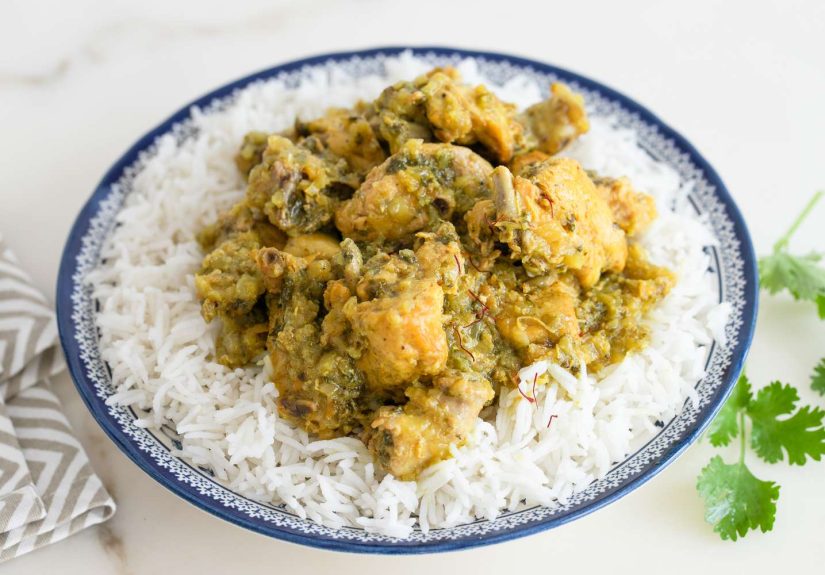
Hosting with Moroccan saffron chicken is another memorable experience. It presents beautifully with almost no extra effort: golden sauce, olives, herbs, and tender chicken piled in one big serving dish looks impressive in that “rustic but intentional” style everyone loves. Guests often assume it’s complicated because the flavor tastes layered and restaurant-worthy. Meanwhile, you know the truth: it was mostly onions, a lid, and good judgment.
Finally, the next-day experience may be the best of all. Leftover Moroccan saffron chicken often tastes deeper and more unified after a night in the fridge. The saffron settles in, the onions mellow further, and the preserved lemon becomes more integrated. Reheated gently and served over fresh couscous or rice, it can feel like a completely new dinnerone that somehow tastes even more polished than the first round. That’s when many home cooks stop thinking of it as a “special recipe” and start treating it as a dependable favorite.