Table of Contents >> Show >> Hide
- What Counts as a “Villain Reveal” in Disney, Anyway?
- 1) Prince Hans in Frozen: The Charming Shortcut to the Throne
- 2) King Candy in Wreck-It Ralph: The Sweetest Lie in the Arcade
- 3) Dawn Bellwether in Zootopia: The “Harmless” Helper Who Wasn’t
- 4) Ernesto de la Cruz in Coco: The Idol With a Stolen Legacy
- 5) Stinky Pete in Toy Story 2: The “Reasonable” Villain in Mint Condition
- 6) Professor Callaghan in Big Hero 6: When Grief Turns Into a Mask
- 7) Henry J. Waternoose in Monsters, Inc.: “Anything” Means Anything
- 8) Commander Rourke in Atlantis: The Lost Empire: Expedition Leader to Looting Leader
- 9) The Bowler Hat Guy in Meet the Robinsons: The Joke That Becomes a Warning
- 10) Ursula as Vanessa in The Little Mermaid: The Disguise That Nearly Worked
- What Disney’s Best Villain Reveals Teach Us (Yes, Even as Adults)
- Fan Experiences: Why These Reveals Live Rent-Free in Our Brains (Extra Reflections)
- Wrap-Up: The Reveal Is the Real Magic Trick
Disney has been introducing villains since the days when dramatic capes were basically required workplace attire.
But the most unforgettable villains aren’t always the ones who walk in twirling their mustaches from minute one.
Sometimes Disney (and Disney•Pixar) prefers a slow simmer: a friendly face, a helpful mentor, a lovable “underdog,”
and thenbamthe reveal. Suddenly you’re rethinking every smile, every “nice” gesture, and every suspiciously timed rescue.
These villain reveals stick because they don’t just change the plotthey change how you feel about the story you thought you were watching.
A good Disney twist villain can flip the emotional map in seconds: trust becomes betrayal, comfort becomes dread, and a harmless side character becomes
the person you’d politely avoid at a holiday party forever.
What Counts as a “Villain Reveal” in Disney, Anyway?
Not every reveal is a secret identity with a dramatic mask toss. In Disney movies, “villain reveal” can mean a few different (equally delightful) things:
- The Betrayal Reveal: A character you trusted turns out to be scheming.
- The Hidden-Motive Reveal: Someone seems “nice,” but their goal is power, fame, or control.
- The Identity Reveal: The villain is literally someone else (or has been hiding as someone else).
- The “True Colors” Reveal: A character’s moral mask slips, and the story’s real threat becomes clear.
The best reveals feel surprising and inevitable on rewatch. You want that magical combination of
“I did not see that coming” and “Oh no… it was right there the whole time, wasn’t it?”
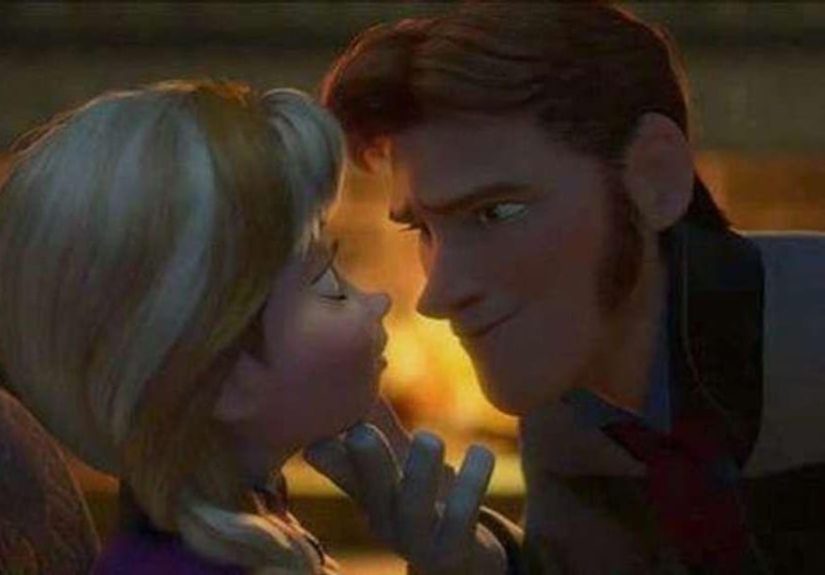
1) Prince Hans in Frozen: The Charming Shortcut to the Throne
Frozen cleverly plays with classic Disney romance expectations. Anna meets a handsome prince, they sing, they dance,
they’re basically one montage away from a commemorative wedding plate. And for a while, Hans seems like the “safe” option:
polite, supportive, and conveniently available.
Then the reveal lands: Hans isn’t a dreamy soulmatehe’s an ambitious strategist. His affection was a costume, and “true love”
was a tool. It’s a memorable villain reveal because it doesn’t rely on supernatural powers or a terrifying monster form.
It relies on something more chilling: manipulation. He weaponizes Anna’s hope, and that’s what makes the moment sting.
Why it works
- It flips a familiar fairy-tale structure without turning the movie cynical.
- It reframes earlier scenes, making rewatching feel like solving a mystery.
- It reinforces the film’s big idea: love isn’t just fireworksit’s choices, loyalty, and care.
2) King Candy in Wreck-It Ralph: The Sweetest Lie in the Arcade
Wreck-It Ralph is already a movie about labelshero, villain, glitch, outcast. So when it pulls off a villain reveal,
it does it with extra style and extra candy sprinkles. King Candy acts like a fussy ruler trying to “protect” his game.
He scolds Vanellope, warns Ralph, and insists he’s just being responsible.
The reveal? King Candy isn’t just a strict kinghe’s hiding a bigger truth: he has been rewriting the rules to keep power,
and his identity is not what it seems. The moment his disguise cracks is a top-tier Disney reveal because it turns a
cranky authority figure into a full-on existential threat. Suddenly, “Sugar Rush” isn’t just cuteit’s a hostage situation.
Why it works
- It ties directly to the movie’s theme: changing the code changes the world.
- It makes the villain’s fear understandable (losing relevance), even if the actions are unforgivable.
- It transforms a comedy-heavy story into a high-stakes showdown without feeling random.
3) Dawn Bellwether in Zootopia: The “Harmless” Helper Who Wasn’t
If Disney had a secret handbook labeled “How to Surprise an Audience,” Zootopia used it like a checklist.
Bellwether enters as a small, overlooked assistantsweet, supportive, and seemingly powerless. She’s treated as insignificant,
which is exactly why she’s so effective.
The reveal hits hard: Bellwether isn’t just caught up in the chaosshe’s engineering it. Her plan is built on fear and division,
turning neighbors into suspects and “difference” into danger. This villain reveal is memorable because it feels painfully realistic:
the threat isn’t an invading monster, it’s someone manufacturing panic to gain control.
Why it works
- It weaponizes the audience’s assumptions about who “looks like” a villain.
- It makes the mystery plot click into place with a satisfying “ohhh” moment.
- It gives the story’s message real bite: prejudice can be designed, not just inherited.
4) Ernesto de la Cruz in Coco: The Idol With a Stolen Legacy
In Coco, Miguel’s love of music is wrapped up in hero worship. Ernesto de la Cruz is charming, famous, and larger-than-life.
He represents the dream: “seize your moment,” chase your passion, become unforgettable. It’s inspiringuntil the story reveals what
Ernesto actually seized, and who he stepped on to get it.
The villain reveal is devastating because it corrupts something personal: admiration. Miguel doesn’t just discover a plot twist;
he discovers that the person he wanted to become is built on betrayal. The film handles this reveal with emotional precision:
it doesn’t just say “Ernesto is bad.” It shows how fame can become a mask, and how the truth can be buried under applause.
Why it works
- It transforms a fun celebrity figure into a cautionary tale about ego.
- It deepens the movie’s theme: family and memory matter more than public praise.
- It makes the climax feel earnedbecause the emotional stakes are huge.
5) Stinky Pete in Toy Story 2: The “Reasonable” Villain in Mint Condition
Not every Disney villain reveal involves grand speeches and dramatic lightning. Sometimes the villain is a quietly bitter character
who’s been smiling politely the entire time. In Toy Story 2, Stinky Pete starts as part of Woody’s exciting “legacy” discovery:
new friends, a bigger purpose, a chance at immortality in a museum.
Then the truth becomes clear: Stinky Pete’s friendliness is conditional. He’s been waiting too long, trapped on a shelf, and he’s done
letting anyone threaten his long-delayed spotlight. The reveal is memorable because it’s grounded in emotionjealousy, resentment,
and the fear of being discarded. He’s not a monster; he’s a toy who decided that control matters more than kindness.
Why it works
- It’s a twist driven by character, not special effects.
- It speaks to a universal fear: being forgotten or replaced.
- It forces Woody (and the audience) to define “worth” beyond collectibles and labels.
6) Professor Callaghan in Big Hero 6: When Grief Turns Into a Mask
Big Hero 6 delivers a villain reveal with a heavy emotional core. A masked enemy (“Yokai”) appears unstoppable,
and the mystery becomes: who is this, and why are they doing it? The reveal lands with a gut punch because it turns a trusted adult,
a respected figure, into the person behind the destruction.
What makes this reveal stand out is that it’s not fueled by cartoonish greedit’s fueled by grief and obsession.
The movie doesn’t excuse the harm, but it explains how pain can warp into vengeance. That complexity makes the reveal linger:
it’s tragic, scary, and weirdly human.
7) Henry J. Waternoose in Monsters, Inc.: “Anything” Means Anything
Waternoose begins as a stressed boss trying to save a company. He’s paternal, confident, andat least on the surfaceconcerned about the future.
The reveal that he’ll cross moral lines to keep the system running reframes the whole workplace vibe. Suddenly, the real monster
isn’t in a closet. It’s in the boardroom.
This reveal works because it turns an institutional problem into a personal one. The movie starts with a broken energy system;
it ends by showing the cost of choosing “results” over people. And yes, it’s a kids’ movie doing corporate ethics, which is honestly impressive.
8) Commander Rourke in Atlantis: The Lost Empire: Expedition Leader to Looting Leader
Atlantis is an adventure story with a pulpy, team-based vibeso when betrayal hits, it hits like a trapdoor.
Rourke starts as a commanding presence, the kind of leader you assume will protect the mission and the crew.
The reveal is that his loyalty isn’t to discovery or history; it’s to profit.
What makes this reveal memorable is how sharply it changes the movie’s tone. The story shifts from “let’s explore a lost world”
to “we’re stealing from it,” and that moral line becomes the real battleground. Suddenly, Milo’s courage isn’t about surviving
dangerit’s about choosing a side when authority turns corrupt.
9) The Bowler Hat Guy in Meet the Robinsons: The Joke That Becomes a Warning
At first glance, the Bowler Hat Guy feels like a comedic villainmore “annoying” than “terrifying.”
He’s dramatic, unlucky, and constantly foiled. But the story’s reveal adds emotional depth: his bitterness is tied to a life shaped
by rejection and jealousy.
This kind of reveal is classic Disney in a different way: it’s less about a shocking identity and more about understanding
how someone becomes stuck in resentment. The movie doesn’t ask you to approve of his choicesit asks you to notice the moment
when someone could have chosen growth, and didn’t.
10) Ursula as Vanessa in The Little Mermaid: The Disguise That Nearly Worked
Ursula doesn’t hide that she’s dangerousshe’s proudly, fabulously dangerous. But one of her most memorable villain reveals is the moment
she weaponizes disguise. By taking on a human form (“Vanessa”), she turns Ariel’s dream into a trap and makes the threat personal.
It’s a reveal that works on two levels: it’s visually striking (a villain literally becoming “the competition”), and it’s psychologically nasty.
Ursula isn’t just trying to winshe’s trying to rewrite reality so Ariel loses without even understanding why.
What Disney’s Best Villain Reveals Teach Us (Yes, Even as Adults)
Disney villain reveals endure because they’re more than surprisesthey’re story tools that sharpen themes. Here’s what the best ones tend to do:
- Challenge assumptions: The “safe” choice isn’t always safe, and the “small” character isn’t always harmless.
- Reward rewatching: The story becomes richer when you know what’s really going on.
- Raise emotional stakes: Betrayal hits harder than a random monster attack because it breaks trust.
- Clarify values: The hero’s choice matters more when temptation and manipulation feel real.
In other words: a great reveal doesn’t just shock you. It makes the story mean more.
Fan Experiences: Why These Reveals Live Rent-Free in Our Brains (Extra Reflections)
Ask a group of Disney fans about the most memorable villain reveals, and you’ll notice something funny: people don’t just name the twist
they describe the moment. The gasp. The silence. The sudden chorus of “WAIT… WHAT?” from the couch. Villain reveals turn a movie
into an event, and that shared reaction becomes part of why the reveal stays iconic.
One common experience is the “rewatch regret,” in the best way possible. You go back to Frozen, and every kind smile from Hans feels
like a neon sign reading “THIS IS FINE.” You watch Zootopia and realize the whole point is that you (and Judy) were trained to overlook
certain characters as “not a threat.” The reveal makes you feel a tiny bit fooledand then you respect the movie more for pulling it off.
That’s the sweet spot: surprise without cheating.
Another experience is the “childhood reinterpretation.” As kids, we often accept villains as simple: bad equals bad.
As we get older, the reveals hit differently. Waternoose isn’t scary because he’s loud; he’s scary because he’s calm, powerful,
and convinced he’s being “practical.” Stinky Pete isn’t frightening because he’s monstrous; he’s frightening because his bitterness feels
believable. When you’re older, you recognize those patterns in real lifepeople who hide motives behind politeness, or who justify harm as
“necessary.” Disney villain reveals can feel like a training montage for emotional intelligence, except the soundtrack is catchier.
There’s also the theater-memory effect: some reveals are so well-timed that you remember the audience reaction as clearly as the scene itself.
The best twists create a ripplefirst confusion, then realization, then laughter or shock. And because Disney movies are often watched with family,
those reactions become stories you retell. “Remember when we all thought King Candy was just annoying?” “Remember when we trusted Hans?”
It turns into a mini tradition: the movie gives you a twist, and you get a memory.
Finally, villain reveals stick because they let you feel multiple emotions at once. Coco makes you mourn the loss of innocence in Miguel’s
hero worship while cheering for him to choose truth. Big Hero 6 mixes anger with sadness because the villain’s pain is real, even when their
choices are wrong. That emotional layering is why these reveals don’t fade. They’re not just plot devices; they’re feelingscompressed into a single
moment, like a cinematic snowball to the face (looking at you, Disney).
Wrap-Up: The Reveal Is the Real Magic Trick
Disney’s most memorable villain reveals work because they do more than surprise youthey transform the story in retrospect.
They make themes sharper, heroes braver, and rewatching more rewarding. Whether it’s a charming prince with a hidden agenda,
a “harmless” assistant running the whole scheme, or a sweet-talking idol built on stolen credit, these reveals remind us of something
Disney has always understood: the biggest magic isn’t always the spellsometimes it’s the switch.