Table of Contents >> Show >> Hide
- Why “Not-So-Happy” Photos Work So Well
- The Visual Ingredients of a “Not-So-Happy” Photograph
- My Photos That Convey Not So Happy Thoughts (14 Pics)
- Pic 1: The Unmade Bed That Looks Like a Pause Button
- Pic 2: A Single Chair Facing Nothing
- Pic 3: The Cold Coffee of Consequences
- Pic 4: A Self-Portrait with Your Face Not Quite There
- Pic 5: The Streetlight Scene (a.k.a. Free Cinema)
- Pic 6: The “Door Slightly Open” Suspense Shot
- Pic 7: A Mirror That Reflects the Wrong Mood
- Pic 8: The Empty Parking Lot at the Wrong Hour
- Pic 9: Hands Instead of Faces
- Pic 10: The Fridge Light Confessional
- Pic 11: The Window with Rain that Looks Like Static
- Pic 12: The Neon Sign That Feels Ironic
- Pic 13: The Shadow That Looks Like a Second Person
- Pic 14: The Aftermath Still Life (Receipts, Wrappers, Evidence)
- How to Shoot a Moody Series Without Overdoing It
- Sequencing: Turning 14 Images into an Actual Story
- A Quick, Caring Note
- Conclusion
- Extra: of Experiences Related to “Not-So-Happy” Photos
Not every photo needs to scream “Best Day Ever!” Sometimes your camera is basically a mood ring with a shutter button.
The truth is, “not-so-happy” photos can be some of the most honest images you’ll ever makequiet, strange, a little
funny in a dark-humor way, and weirdly comforting because they say the thing out loud without actually saying anything.
This post is a deep dive into the visual language of melancholy photography and a curated set of 14 photo concepts
(with story beats, composition choices, and caption ideas) that communicate heavy-ish feelings without turning your
gallery into a black hole. Think: cinematic sadness, not “I forgot to pay my phone bill” sadness.
Why “Not-So-Happy” Photos Work So Well
Photos that convey unhappy thoughts tend to hit hard because they leave room for the viewer to participate.
Bright, cheerful images often explain everything instantly. Moody images do the opposite: they withhold just enough
detail that your brain steps in to finish the story.
That’s the secret saucesuggestion. A shadow that hides a face. A hallway that feels too long. A color palette that
whispers “late afternoon in November.” The viewer reads emotion into what’s missing, and that makes the feeling feel real.
The Visual Ingredients of a “Not-So-Happy” Photograph
1) Light that feels selective (not generous)
Soft window light, a single lamp, or streetlight spill can create the sense that your subject is being “chosen” by
the light while everything else recedes. Less light often means more meaningbecause shadows are basically the art of
not explaining yourself.
2) Color that lowers the emotional thermostat
Cool tones (blues, greens, muted purples) can feel calm, distant, or lonely. Lower saturation often reads as subdued
or reflective. Warm tones can still workespecially sickly yellows or tired orangesbut the key is restraint. If your
colors look like a candy aisle, your sadness will not be taken seriously.
3) Space that makes your subject feel small
Negative space is emotional math: the more empty space around something, the more alone it looks. Place a person at
the edge of the frame instead of the center and suddenly the image feels like it’s running out of confidence. (Relatable.)
4) Detail that feels too real
Messy dishes. A cracked phone screen. A wrinkled shirt on a chair that isn’t a chair anymoreit’s a lifestyle choice.
Ordinary objects become emotional symbols when you photograph them like they matter.
5) Timing that feels “in-between”
Twilight, overcast afternoons, fog, rain, and the minutes right before the sun shows up or gives upthese time windows
naturally support introspective moods. Mood isn’t only a filter; sometimes it’s literally the weather showing off.
My Photos That Convey Not So Happy Thoughts (14 Pics)
Below are 14 photo concepts you can shoot (or recognize in your own archive) that communicate “not-so-happy” thoughts
in different flavorslonely, restless, numb, anxious, bittersweet, or quietly exhausted. Each one includes what’s in
the frame, why it works, and a caption idea that doesn’t try too hard.
Pic 1: The Unmade Bed That Looks Like a Pause Button
What you see: A bed with rumpled sheets, one pillow on the floor, a thin strip of window light across the blanket.
Why it works: Beds are where we recover… and where we spiral. The mess suggests time passing without progress.
Shoot it like this: Stand back and let the bed take up most of the frame. Keep colors muted. Let the light fall like it’s tired.
Caption idea: “Still loading.”
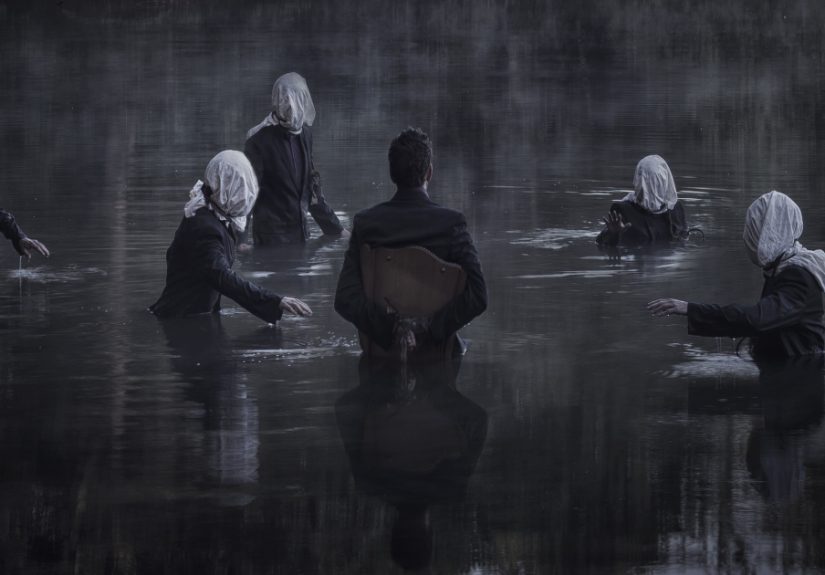
Pic 2: A Single Chair Facing Nothing
What you see: One chair in a mostly empty room or hallway, angled toward a blank wall.
Why it works: It feels like someone was expected… and didn’t show. Or like the chair is practicing for a difficult conversation.
Shoot it like this: Use a wider lens or step back to exaggerate empty space. Keep lines straight for a quiet, uneasy order.
Caption idea: “Reserved for a version of me that has it together.”
Pic 3: The Cold Coffee of Consequences
What you see: A half-full mug with a ring stain, sitting near a laptop, untouched.
Why it works: It’s a tiny still life of “I tried.” Cold coffee is basically motivation that missed its connecting flight.
Shoot it like this: Get close. Focus on the ring stain. Let the background blur into soft defeat.
Caption idea: “Ambition, but make it room temperature.”
Pic 4: A Self-Portrait with Your Face Not Quite There
What you see: Your reflection in a mirror, but partially obscured by fog, hair, a phone, or shadow.
Why it works: When identity feels blurry, a blurry face becomes honest instead of accidental.
Shoot it like this: Underexpose slightly. Let the highlight fall on your shoulder or hands instead of your eyes.
Caption idea: “Present, technically.”
Pic 5: The Streetlight Scene (a.k.a. Free Cinema)
What you see: A wet sidewalk at night, streetlights reflecting in puddles, maybe a lone figure.
Why it works: Night photos feel like thoughts you only admit after dark. Reflections add layersliteral and emotional.
Shoot it like this: Use the puddle as a leading line. Keep the frame simple: light, reflection, emptiness.
Caption idea: “Some nights are just… extra night.”
Pic 6: The “Door Slightly Open” Suspense Shot
What you see: A door ajar, a dim room beyond it, light leaking like a secret.
Why it works: It suggests uncertainty: leaving, arriving, or hovering in the uncomfortable middle.
Shoot it like this: Frame the door off-center. Let darkness dominate. Don’t show what’s insidelet the viewer imagine it.
Caption idea: “Not closed. Not open. Same.”
Pic 7: A Mirror That Reflects the Wrong Mood
What you see: A bright room reflected in a mirror while the foreground is dark (or vice versa).
Why it works: Contrast becomes metaphor. The scene says, “Everything looks fine… from over there.”
Shoot it like this: Expose for the highlights so shadows stay deep. Make the mirror a “window” to a different emotional weather.
Caption idea: “Alternate universe: functioning.”
Pic 8: The Empty Parking Lot at the Wrong Hour
What you see: Vast asphalt, harsh overhead lights, no cars, just lines that go nowhere.
Why it works: Parking lots are designed for crowds. When they’re empty, it feels like the world forgot its appointment.
Shoot it like this: Use symmetry. Let the lines lead toward emptiness. Keep a low horizon for that “too much space” feeling.
Caption idea: “Where motivation goes to park and never returns.”
Pic 9: Hands Instead of Faces
What you see: A close-up of handsclenched, restless, holding something small (keys, a receipt, a crumpled note).
Why it works: Hands show emotion without performance. They reveal tension even when the face is trying to behave.
Shoot it like this: Use soft side light to bring out texture. Focus on knuckles or fingertips.
Caption idea: “Carrying it. Again.”
Pic 10: The Fridge Light Confessional
What you see: A person standing in front of an open fridge at night, lit by that eerie refrigerator glow.
Why it works: It’s funny and sad at the same timelike looking for answers next to leftover pasta.
Shoot it like this: Let the fridge be the only light source. Keep the room behind them dark. Don’t over-style it.
Caption idea: “Searching for serotonin next to the mustard.”
Pic 11: The Window with Rain that Looks Like Static
What you see: Raindrops on glass, the outside world blurred into color smears.
Why it works: Rain is nature’s privacy screen. It turns the world into background noiseexactly what your brain sometimes wants.
Shoot it like this: Focus on the droplets, not the view. Let the outside become abstract shapes.
Caption idea: “Today’s forecast: internal.”
Pic 12: The Neon Sign That Feels Ironic
What you see: A neon sign that says something cheerful (“OPEN,” “LOVE,” “SMILE”) in a scene that feels lonely or late.
Why it works: Contrast between message and mood creates a little emotional sarcasminstant story tension.
Shoot it like this: Let the sign be sharp and everything else soft. Keep the street mostly empty.
Caption idea: “Yes, I saw the sign. No, I did not receive the memo.”
Pic 13: The Shadow That Looks Like a Second Person
What you see: A long shadow stretching across a wall or sidewalk, distorted and slightly unfamiliar.
Why it works: Shadows feel like the subconscious. A weird shadow reads as “I don’t fully recognize myself right now.”
Shoot it like this: Find strong directional light (late sun or a single lamp). Compose so the shadow is the real subject.
Caption idea: “Me and my emotional support silhouette.”
Pic 14: The Aftermath Still Life (Receipts, Wrappers, Evidence)
What you see: A small pile of “proof of day”receipts, takeout containers, a crumpled transit ticket, a sticky note with one unfinished task.
Why it works: It’s not dramatic. It’s quietly honest. It says, “Life happened… kind of.”
Shoot it like this: Overhead angle. Soft light. Keep colors neutral. Let it feel documentary, not staged.
Caption idea: “The plot, summarized.”
How to Shoot a Moody Series Without Overdoing It
Pick one emotion per photo
“Sad” is too broad. Try: restless, numb, lonely, heavy, anxious, bittersweet, drained, uncertain. When you choose a
specific emotional target, your composition choices become easier and the photo feels intentional instead of vague.
Use consistency like a secret ingredient
A series looks stronger when it shares a visual thread: similar color temperature, repeated shapes (doors, windows, lines),
or a recurring subject (hands, shadows, empty spaces). It’s the difference between “14 random pics” and “a story.”
Edit for mood, not for trends
If your edit looks like it was ordered off a menu (“One Moody Preset, extra drama”), it’ll feel generic. Subtle edits
often read as more emotional. Think: gentle contrast, controlled highlights, slightly cooler shadows, and a palette that
feels like one conversation instead of fourteen arguments.
Sequencing: Turning 14 Images into an Actual Story
If you publish these as a set, order matters. A simple approach:
- Start with a doorway image (uncertainty, entry point).
- Move into environment (empty room, parking lot, rain window).
- Then the human detail (hands, self-portrait, fridge moment).
- Finish with aftermath (still life of receipts, bed, quiet closure).
You’re not just posting photosyou’re guiding the viewer’s emotional breathing. Begin with tension, deepen it, then let
them exhale at the end.
A Quick, Caring Note
Moody photography can be a healthy way to process feelings and tell stories honestly. But if “not-so-happy thoughts”
stop being occasional visitors and start acting like they pay rent, it’s worth talking to someone you trust or a mental
health professional. A photo can express the momentyour support system helps you move through it.
Conclusion
“Not-so-happy” photos aren’t about being negative; they’re about being truthful. With light, color, space, and small
human details, you can create images that say what words can’twithout forcing it, without melodrama, and without
turning your camera roll into a permanent thunderstorm.
If you take anything from these 14 pics, let it be this: emotion is a design choice. Choose what to show, what to hide,
and what to leave quietand your photos will start speaking in full sentences.
Extra: of Experiences Related to “Not-So-Happy” Photos
The funny thing about “sad-looking” photos is that they often happen on completely normal days. No tragic soundtrack.
No dramatic monologue delivered to a mirror. Just the slow realization that your camera has been quietly documenting
your mood like an unpaid therapist with excellent framing.
It usually starts with something small. A window. A shadow. The way late afternoon light makes a wall look like it’s
thinking about its life choices. You take a picture because the scene feels familiarlike it matches the inside of your
head. Later, when you scroll through your gallery, you realize you didn’t photograph the wall. You photographed the pause.
I’ve noticed that “not-so-happy” images are rarely about one big subject. They’re about the space around the subject.
The empty chair is doing emotional heavy lifting. The hallway is basically a metaphor in sneakers. The mug of cold coffee
is an autobiography titled “Plans Were Made.” And the weirdest part? The more ordinary the scene, the more it resonates.
People recognize the feeling because they’ve lived it in their own versions of the same room.
There’s also a strange comfort in photographing the unglamorous stuff. When you shoot a rainy window or an unmade bed,
you’re not trying to impress anyone. You’re just naming the moment. It’s like labeling a box in the attic: “This is
where I put that feeling.” The emotion doesn’t magically disappear, but it stops floating around with no address.
And yes, sometimes humor shows up uninvitedlike when the saddest photo you’ve taken all week turns out to be a picture
of your fridge light illuminating a single lemon and a questionable container of leftovers. But that’s real life, too.
Our moods aren’t consistent genres. You can feel heavy and still laugh at how ridiculous it is to search for comfort next
to the ketchup. In a series, those small funny moments can actually make the darker images feel more human, not less.
If you’re building your own 14-photo set, you might find that the process changes the mood slightly. Not because you’re
“fixing” anything, but because paying attention is powerful. When you start looking for light, shape, and story, you’re
still inside the feelingbut you’re also observing it. That little bit of distance can be a relief. The photo becomes a
record, not a trap. A chapter, not the whole book.