Table of Contents >> Show >> Hide
If you’re in the market for web hosting, domain registration, or a variety of other online services, you’ve probably come across Namecheap. As one of the leading companies in the industry, Namecheap has earned a solid reputation for providing affordable, reliable, and feature-rich services. But like any service provider, there are pros and cons to consider. In this review, we’ll dive into what makes Namecheap stand out, and where it might fall short, so you can make an informed decision before committing.
Introduction: What is Namecheap?
Founded in 2000, Namecheap is a well-known domain registrar and web hosting provider that aims to make the process of creating and managing a website more accessible. While its core offering has traditionally been domain registration, Namecheap has since expanded its services to include shared hosting, WordPress hosting, VPS hosting, and more. With its reputation for customer service, user-friendly interface, and affordability, it has attracted millions of customers worldwide.
Pros of Namecheap
1. Affordable Pricing
One of Namecheap’s biggest advantages is its affordability. Compared to other domain registrars and hosting providers, Namecheap offers competitive prices. Whether you’re looking to register a domain name or opt for one of its hosting packages, Namecheap offers a variety of pricing options to suit any budget. For instance, domain names start as low as $8.98 per year, and shared hosting plans begin at just $1.58 per month. These prices make it an appealing option for beginners and small business owners who need to keep costs down.
2. User-Friendly Interface
Namecheap excels in providing a user-friendly experience. Its clean, easy-to-navigate website and dashboard make it simple to find the services you need, whether you’re buying a domain or managing your hosting. Even if you’re a beginner, you won’t have to spend much time getting acclimated to the platform. The interface is intuitive and straightforward, which is perfect for those who may not be tech-savvy.
3. Excellent Customer Support
Another standout feature of Namecheap is its customer support. Available 24/7, Namecheap offers live chat, email support, and a comprehensive knowledge base for self-service. Customers consistently praise Namecheap’s support team for being responsive, knowledgeable, and friendly. If you run into an issue, you can rest assured that the team will do their best to help you resolve it quickly and efficiently.
4. Freebies and Extras
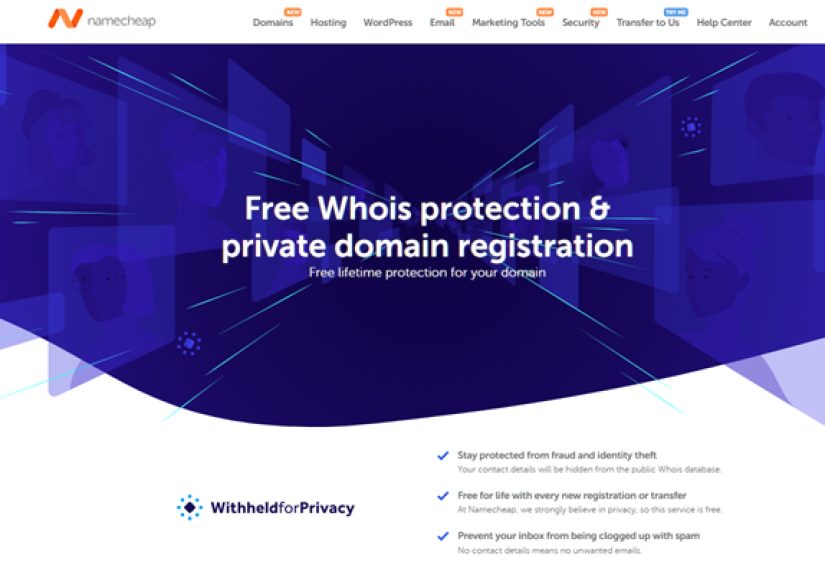
Namecheap is known for offering a lot of value beyond the basics. For example, when you register a domain, Namecheap offers free privacy protection for the first year (often a paid add-on with other providers). They also offer free DNS, email forwarding, and URL forwarding, which can be useful for managing your domain and websites at no extra cost. Additionally, many hosting plans come with a free website builder, making it easier to get your site up and running.
5. Strong Security Features
Namecheap takes security seriously, offering robust features like two-factor authentication (2FA) and free SSL certificates on many hosting plans. These tools help keep your domain, website, and data safe from hackers and other malicious actors. For anyone running an eCommerce site or gathering personal information, these security features are crucial for maintaining trust and safeguarding sensitive data.
Cons of Namecheap
1. Limited Advanced Features
While Namecheap offers a solid selection of features, advanced users or developers may find the platform lacking in certain areas. For instance, Namecheap’s shared hosting plans are great for beginners, but they may not be powerful enough for larger websites or high-traffic eCommerce stores. For those seeking more specialized tools, like managed WordPress hosting with extensive customization options, Namecheap’s offerings might fall short compared to premium providers like WP Engine or SiteGround.
2. Renewals Can Be Expensive
While Namecheap offers low initial prices for domain registration and hosting plans, the renewal rates can be a bit higher. Domain renewals, in particular, tend to be pricier than the initial registration cost. For example, a domain registered for $8.98 per year may jump to around $13–15 upon renewal. It’s a good idea to keep an eye on these rates, as they can add up over time if you’re not prepared for the price increase.
3. Performance Issues with Shared Hosting
Although Namecheap’s shared hosting plans are affordable, they are not as reliable as some higher-end alternatives. You might experience slower loading speeds and occasional downtime, especially if your website attracts more traffic. While this isn’t an issue for smaller websites or personal blogs, it’s something to consider if you’re planning to scale your website in the future. For larger projects, you may want to consider their VPS hosting options or look elsewhere for more powerful hosting solutions.
4. Limited Data Center Locations
Namecheap has data centers in the U.S. and Europe, but its geographical reach is somewhat limited compared to other major hosting providers. If you’re targeting international audiences and need fast load times across various regions, this could pose a challenge. Providers with a wider range of data center locations may offer better performance for a global customer base.
Conclusion: Is Namecheap Worth It?
Namecheap offers great value, especially for beginners and small business owners looking for affordable domain registration and hosting services. With its competitive pricing, user-friendly interface, and excellent customer support, it’s easy to see why Namecheap has earned a loyal customer base. However, the platform may not be ideal for more advanced users or large websites that require high-performance hosting. While the initial prices are low, the higher renewal rates and limited advanced features could be drawbacks for some users.
If you’re just starting out and need a budget-friendly solution for domain registration and hosting, Namecheap is a solid choice. But if you need more robust features and scalability, you might want to consider other options. Overall, Namecheap is a great option for those looking to keep costs low without sacrificing essential features.
Additional Insights on Namecheap – User Experiences
When it comes to user experiences with Namecheap, there’s a common theme of satisfaction with its affordability and ease of use. Many users appreciate the simple setup process, making it a popular choice for newcomers. The control panel is intuitive, and managing multiple domains or hosting services is relatively straightforward.
One frequent point of praise is the quality of customer support. Namecheap’s support team is known for being responsive and helpful, even for customers who are not very tech-savvy. Several customers have shared stories of being able to resolve issues quickly through live chat, and many feel the overall customer service experience is one of the standout features of the platform.
However, some experienced users have noted that while Namecheap excels in affordability, it doesn’t always measure up in terms of performance. Several users running larger websites on shared hosting plans have reported slower load times and occasional downtime, particularly during traffic spikes. While Namecheap’s VPS and dedicated hosting plans can offer better performance, they tend to be pricier, which might deter small businesses or budget-conscious users.
Another area where Namecheap could improve is its marketing and renewal transparency. While new customers often enjoy low initial pricing, there’s a noticeable jump in prices when it comes time to renew. Some users feel caught off guard by these increases, especially for domain renewals. To avoid this, it’s always a good idea to plan ahead and check the renewal pricing when you initially purchase a domain or hosting plan.
Despite these minor drawbacks, Namecheap’s combination of affordable pricing, solid security features, and dependable customer service continues to make it a solid choice for individuals and small businesses looking for an entry-level web hosting provider.