Table of Contents >> Show >> Hide
- What Is the Tokyo Chair, Exactly?
- Meet the Mind Behind It: Niels Bendtsen and Bensen
- Danish + Japanese Influence: Why the Mix Works
- Materials and Craftsmanship: The Details That Matter
- Comfort: “Active” Seating You’ll Actually Use
- Where the Tokyo Chair Works Best
- Buying Guide: What to Check Before You Buy
- Care and Maintenance: Keep It Looking Good Without Becoming a Chair Butler
- Tokyo Chair Styling Ideas (That Don’t Require a Design Degree)
- FAQ: Quick Answers About the Niels Bendtsen Tokyo Chair
- Hands-On Experiences With the Tokyo Chair (Extra 500+ Words)
- Conclusion
Some chairs try to impress you with complicated angles, futuristic materials, and enough hardware to qualify as a small appliance. The Niels Bendtsen Tokyo Chair takes the opposite route: it shows up, looks calm, feels intentional, and somehow makes the rest of the room behave. It’s the kind of design that whispers, “I’m expensive,” without shouting, “I’m fragileplease don’t breathe near me.”
In this deep-dive, we’ll break down what makes the Tokyo Chair such a standoutits Danish-and-Japanese design DNA, materials, craftsmanship details, comfort, styling versatility, and what to consider before buying. If you’re hunting for a modern dining chair that can handle real life (and not just perfect Instagram lighting), you’re in the right place.
What Is the Tokyo Chair, Exactly?
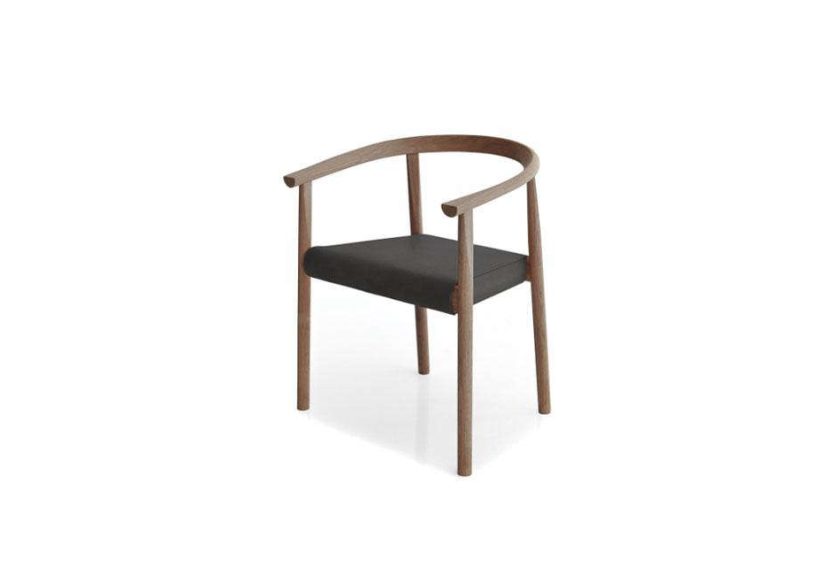
The Tokyo Chair is a refined solid-wood dining chair with arms, designed by Niels Bendtsen for Bensen. Its signature move is the continuous, ribbon-like wood element that sweeps around the back and subtly becomes the armrests. Pair that with a removable seat (often a saddle-leather style), and you get a chair that feels architectural without being stiff or flashy.
Think of it as “minimalism with manners.” It doesn’t dominate the room, but it also doesn’t disappear. It holds its own at a dining table, works surprisingly well at a desk, and looks right at home in hospitality settings where you want warmth without visual clutter.
Meet the Mind Behind It: Niels Bendtsen and Bensen
Niels Bendtsen is known for a design approach that blends craft tradition with modern productionclean lines, disciplined proportions, and furniture that’s meant to last long enough to become “the chair you’ve always had,” in the best way. Bensen, the brand he founded, has built a reputation around understated elegance: modern pieces that are comfortable, flexible, and not allergic to daily use.
The Tokyo Chair fits neatly into that philosophy. It isn’t a novelty item. It’s not trying to win the “Most Unique Chair” award at a design show. It’s trying to win the “Most Likely to Still Look Good After You Move Twice and Spill Coffee Once” award.
Danish + Japanese Influence: Why the Mix Works
The Tokyo Chair is often described as a bridge between Danish and Japanese design traditionsand you can see why. Danish modern design tends to prioritize human-friendly proportions, honest materials, and furniture that looks light even when it’s solidly built. Japanese influences often show up as restraint, clarity of structure, and respect for joinery and craft.
Put those together and you get a chair that feels “quiet” in the most satisfying sense. The silhouette is uncomplicated, but not plain. The details aren’t decorative; they’re structural. And instead of relying on bulk for presence, the chair uses curvature and proportion to create character.
Materials and Craftsmanship: The Details That Matter
Solid Wood Frame: Warmth Without Weight
The Tokyo Chair’s frame is built from solid wood, which gives it a natural warmth and a sense of permanence. Solid wood can also be more forgiving visually than high-gloss syntheticssmall marks and patina often read as “life happened here,” not “the chair is ruined.” The chair is typically offered in multiple wood finishes, letting you choose a tone that matches your space (or intentionally contrasts it).
The “Ribbon” Back and Armrest Curve
The defining feature is that continuous sweep around the backlike a wooden brushstroke that wraps the sitter. It gives you a gentle place to rest your arms without the chair looking bulky. Functionally, it helps you settle into the seat in a way that feels guided, not forced. Visually, it creates a clear identity: you can spot a Tokyo Chair across the room without needing a label.
Joinery That Isn’t Just for Show
A chair lives a hard life. People lean back. They drag it across the floor. Someone’s uncle sits down like he’s testing structural steel. This is where thoughtful joinery matters. The Tokyo Chair is known for traditional wood connections (the kind designers love referencing because they’re both functional and beautiful). It’s not “rustic,” but it’s also not pretending screws are a personality.
Seat Options: Saddle Leather, Upholstered, and More
One of the Tokyo Chair’s most practical strengths is its seat system. Many versions feature a removable seat cover, often in a saddle-leather style that adds texture and a little luxury without feeling formal. Removable seating is an underrated feature: it means you can refresh the chair later instead of replacing the whole thing when life inevitably happens.
Bensen has also expanded the Tokyo Chair family with additional seat options, including upholstered variants and woven alternatives (for those who want a softer sit or a more tactile, craft-forward look). That flexibility makes the chair easier to specify for different roomsformal dining, casual kitchens, workspace seating, or high-traffic commercial use.
Comfort: “Active” Seating You’ll Actually Use
The Tokyo Chair is often described as an “active” dining chairmeaning it supports an upright posture without feeling punishing. It’s designed for the real rhythm of dining: leaning in to talk, sitting back between courses, rotating slightly as the conversation shifts. The arms are present but subtle, and the back curve feels supportive rather than rigid.
In plain English: it’s comfortable for dinner, and it doesn’t look like it was designed by someone who has never sat down. If you’ve ever tried a chair that was “sculptural” in the same way a rock is sculptural, you’ll appreciate the Tokyo’s more human approach.
Where the Tokyo Chair Works Best
1) Dining Rooms That Want Warm Minimalism
If your dining area leans modernclean lines, fewer objects, calmer color palettesthe Tokyo Chair fits like it was invited. The wood brings warmth, the silhouette stays visually light, and the seat material adds contrast. Pair it with a wood table for a cohesive, tonal look, or use it to soften a more industrial table (stone, metal, or glass).
2) Open Kitchens and Eat-In Spaces
In open-plan homes, dining chairs are “on display” most of the day. The Tokyo Chair earns its keep here because it reads as furniture, not just seating. Even when nobody’s sitting, the curved backline creates an elegant rhythm around the tablelike punctuation marks that happen to be comfortable.
3) Workspaces That Don’t Want Office Vibes
The Tokyo Chair can double as a desk chair in home offices where you want focus, not fluorescent lighting energy. It won’t replace an ergonomic task chair for eight-hour marathon sessions, but it’s great for hybrid use: email, a couple calls, a writing sprint, then back to living your life.
4) Hospitality and Client-Facing Spaces
Restaurants, boutique hotels, and studios love chairs that look elevated, feel solid, and photograph well. The Tokyo Chair checks those boxes while staying approachable. It doesn’t scream “fine dining,” but it still signals intentionespecially when specified in darker woods or richer seat tones.
Buying Guide: What to Check Before You Buy
The Tokyo Chair is an investment piece, so it’s worth shopping with a little strategy. Here’s what to consider before you click “add to cart” (or before you dramatically point at it in a showroom and announce, “This one. This is the one.”)
- Dimensions and fit: Confirm overall width/depth/height, seat height, and arm heightespecially if you’re pairing it with a table that has an apron.
- Seat material: Saddle leather is durable and ages beautifully; upholstered seats can add comfort; woven seats can feel breathable and visually lighter.
- Wood tone: Choose based on your floors and table. Matching is safe; intentional contrast is often more interesting.
- Lead time: Made-to-order modern furniture can take time. If timing matters, look for quick-ship programs from authorized retailers.
- Authenticity: Buy from reputable dealers. With designer furniture, “mysteriously cheap” is rarely a happy mystery.
- Floor protection: Budget for felt pads. Your chair deserves it. Your floors demand it.
Care and Maintenance: Keep It Looking Good Without Becoming a Chair Butler
Good news: a well-finished wood chair with a removable seat is not high-maintenanceassuming you treat it like furniture, not a cutting board. A few habits go a long way:
- Wood: Dust with a soft cloth and wipe spills quickly. Avoid harsh cleaners that can dull the finish over time.
- Leather seat: Use a leather-appropriate cleaner/conditioner occasionally, especially in dry climates. Patina is normal; panic is optional.
- Upholstery: Follow the fabric care instructions. Spot-clean early; don’t wait until the stain has a “backstory.”
- Woven seat: Vacuum gently and keep it away from prolonged direct sun if possible to reduce uneven fading.
Tokyo Chair Styling Ideas (That Don’t Require a Design Degree)
The Tokyo Chair is versatile, but it really shines when you lean into its strengths: warm materials, clean lines, and subtle contrast. Try these combinations:
- Modern Scandinavian vibe: Light wood chairs + a simple oak table + neutral textiles (linen, wool) + one bold ceramic centerpiece.
- Japandi balance: Mix wood tones carefully, keep the palette calm, add texture (paper, clay, woven elements), and let negative space breathe.
- Contemporary contrast: Dark wood chairs + a pale table (or stone) + matte black accents for a crisp, gallery-like feel.
- Soft modern: Upholstered seats + warm lighting + rounded accessories (a curved pendant or round mirror) to echo the chair’s backline.
FAQ: Quick Answers About the Niels Bendtsen Tokyo Chair
Is the Tokyo Chair a dining chair or an armchair?
It’s best described as a dining chair with arms (or a compact dining armchair). The arms are subtle and integrated, which makes it feel more refined than bulky “captain’s chair” styles.
Is the seat replaceable?
Many versions use a removable seat system, which can be a big advantage over fixed-upholstery chairs. It’s a practical design choice that also supports longevityone of the most underrated forms of sustainability.
Does it work in small spaces?
Yes, especially because it looks visually light. Just measure carefully: chairs with arms can require a little more elbow room around tight tables. If your dining area is compact, consider spacing and how often chairs need to slide under the table.
Hands-On Experiences With the Tokyo Chair (Extra 500+ Words)
Let’s talk about the part that rarely makes it into product specs: what it’s actually like to live with the Tokyo Chair day after day. The following “experiences” are drawn from common real-world use casesdining rooms, open kitchens, studios, and the kind of homes where chairs don’t get treated like museum pieces (because nobody has time for that).
First impression: People tend to notice the back curve before they notice anything else. In a room full of straight linesrectangular table, linear pendant, grid windowsthe Tokyo Chair’s arc reads like a relief. It softens the geometry without making the space feel “decorated.” It’s also one of those chairs guests instinctively touch, because the wood line looks like it would feel good in the hand. (It does.)
During a long dinner: The Tokyo Chair shines in that 45-minute to two-hour window when you’re sitting, shifting, leaning in, and occasionally turning your torso to react to a story. The arms provide a gentle landing spot that feels natural rather than performative. You don’t perch on it like a barstool, and you don’t sink into it like a lounge chair. It lands in the sweet spot: supportive, upright, and quietly comfortable.
Daily use in an open kitchen: In many homes, dining chairs become multipurpose tools: morning coffee seat, laptop perch, homework station, “I just need to sit for a second” spot. The Tokyo Chair handles that role well because it doesn’t look messy when left slightly out from the table. The silhouette stays tidy from multiple angles, so the room still looks composedeven when your life isn’t.
Real-life durability moments: The removable seat concept is a genuine practical win. If you’ve ever owned a fixed-upholstery dining chair, you know the slow drama: one stain becomes two stains, then the chair becomes “the chair nobody chooses.” With a removable seat system, the path forward is simplerclean, refresh, or replace the part that takes the most wear. That’s not just convenient; it helps the chair stay in your home longer.
How it plays with other furniture: The Tokyo Chair is surprisingly social. It can sit next to other modern chairs without looking like the odd one out, and it can be mixed with benches or side chairs for a collected look. Designers often use it as the “anchor” chair at the head of a dining table because the arms and curve give it presence, even if the finish is subtle.
Desk and studio use: In creative studios and home offices, the Tokyo Chair often becomes the “client chair” or “thinking chair.” It looks professional without feeling corporate, and it’s comfortable enough for meetings and work sessions that aren’t marathon-length. The chair’s calm aesthetic also helps: it doesn’t visually distract, which sounds like a small thinguntil you’ve tried to focus next to furniture that’s basically screaming for attention.
The “aging well” factor: Over time, wood and leather develop character. That’s not a flawit’s part of the charm. The Tokyo Chair is the kind of piece that tends to look better after it’s been lived with, because the materials were chosen to evolve gracefully. If you like furniture that feels more like a companion than a prop, this chair has that energy.
Conclusion
The Niels Bendtsen Tokyo Chair isn’t trying to reinvent the chair. It’s trying to perfect a certain idea of one: a modern dining armchair that’s warm, disciplined, comfortable, and built with enough craft to stay relevant for years. If you value clean design, honest materials, and practical longevity (with a little quiet luxury on the side), the Tokyo Chair is an excellent candidate for the “buy it once, love it for a long time” category.