Table of Contents >> Show >> Hide
- What “Noguchi 15A/21A/26A” Actually Means
- Why These Lamps Look So Good (Even in a Messy Room)
- 15A vs 21A vs 26A: How to Choose the Right One
- Authenticity: How to Spot a Real Noguchi Akari
- Installation and Lighting Tips (So It Looks Expensive, Not Accidental)
- Styling Ideas: Where the 15A/21A/26A Look Best
- Care and Maintenance: Keeping Washi Paper Happy
- FAQ
- Real-World Experiences With the Noguchi 15A/21A/26A (Extra Notes From Everyday Living)
- Conclusion
Some lights are “nice lighting.” The Noguchi 15A/21A/26A lamps are mood architects. Flip one on and suddenly your room looks calmer, your furniture looks more expensive, and your snack choices feel more intentional. (No promises, but the odds improve.)
These three models15A, 21A, and 26Abelong to Isamu Noguchi’s famous Akari Light Sculptures, a series that began in the early 1950s and helped turn the humble paper lantern into a modern design icon. They’re lightweight, sculptural, and softly glowinglike a little indoor moon that pays rent in ambiance.
What “Noguchi 15A/21A/26A” Actually Means
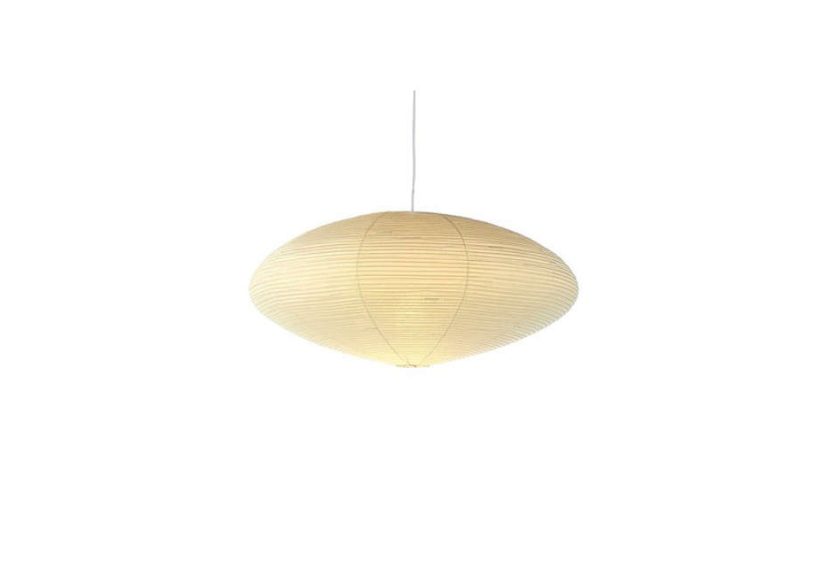
The 15A, 21A, and 26A are three closely related Akari pendant (ceiling) lampsall in that classic, flattened “saucer” shape. Same design language, same handcrafted materials, different sizes. In other words: siblings, not clones.
Quick size comparison (so you don’t accidentally buy “too much lamp”)
| Model | Approx. Diameter | Approx. Height | Best For |
|---|---|---|---|
| 26A | 17.7 in (45 cm) | 10 in (25.5 cm) | Small rooms, cozy corners, bedside areas, small dining nooks |
| 21A | 25.5 in (65 cm) | 11 in (28 cm) | Most living rooms, standard dining tables, open-plan “main space” lighting |
| 15A | 35 in (88 cm) | 13 in (33 cm) | Bigger dining tables, statement lighting, rooms with higher ceilings |
If you’re undecided, the 21A is often the “Goldilocks” picksubstantial without dominating. The 26A is the stealthy charmer. The 15A is the “yes, I meant to make lighting the main character” move.
Why These Lamps Look So Good (Even in a Messy Room)
The secret isn’t a magical bulbit’s the way Akari is built. Noguchi’s concept was to transform electric light into something warmer and more natural-feeling, using traditional materials and craft methods. That’s why the glow feels soft instead of harsh, flattering instead of clinical.
The materials: simple, but not basic
- Washi paper (traditionally made from mulberry bark) diffuses light into a warm, even glow.
- Bamboo ribbing gives the shade its structure and creates those subtle, iconic lines.
- Metal frame supports the form and allows many Akari shades to be collapsible/foldable.
Put that together and you get lighting that reads as both handcrafted and moderna tricky combo most products attempt with marketing, not materials.
15A vs 21A vs 26A: How to Choose the Right One
Choosing between these three comes down to two things: scale (how big your space feels) and function (what the light needs to do). Here’s a practical way to decide without turning your home into a lighting math lab.
1) Match the lamp to the “visual weight” of the room
Minimal rooms can handle a larger pendant because there’s less visual noise competing for attention. Busier rooms (gallery walls, bold rugs, lots of plants) often look better with the 21A or 26A so the lamp doesn’t have to fight for relevance.
2) Think about what it’s lighting
- Over a dining table: 21A for most tables; 15A for large tables or big rooms; 26A for compact setups.
- In a living room: 21A for general glow; 15A if you want a statement centerpiece; 26A if it’s a smaller seating zone.
- In a bedroom: 26A is often perfectsoft, calm, and not visually heavy.
3) Consider ceiling height (your head deserves respect)
In standard-height rooms, the 21A and 26A are easiest to place without feeling low. The 15A can be incredible, but it’s happiest when it has breathing roomeither a higher ceiling or a location where people won’t walk under it constantly.
Authenticity: How to Spot a Real Noguchi Akari
Akari lamps are widely imitated because the design is beloved and the form looks deceptively simple. But authenticity matters if you care about craftsmanship, materials, and the “this will age beautifully” factor.
What to look for
- Sun-and-moon logo stamp: Genuine Akari are marked with a red stamp featuring Noguchi’s stylized sun and crescent moon emblem (based on the Japanese character for brightness).
- “I. Noguchi” signature: Contemporary authentic models are commonly marked with the signature as well.
- Quality of paper and construction: The washi should feel refined, not plasticky; the ribs should be consistent; seams should look intentional, not sloppy.
A good rule: if the price feels like a “too-good-to-be-true” miracle, it probably isunless you’ve discovered the only design shop that runs sales powered by kindness and chaos.
Installation and Lighting Tips (So It Looks Expensive, Not Accidental)
Bulb choice: warm wins
Akari shades shineliterallywhen paired with warm light. Look for warm-white LEDs (often around 2700K) to keep the glow cozy and natural. Cooler bulbs can make the paper look flat and the room feel like it’s waiting for a dentist appointment.
Dimming: possible, but don’t assume
Some official configurations are sold with bulbs that may be non-dimmable. If dimming matters to you, confirm the socket/fixture and choose a compatible dimmable LED and dimmer. (Lighting is fun until it becomes a compatibility puzzleso check before you install.)
Hanging height: the “don’t bonk your head” standard
Over tables, many designers aim for a height that feels intimate but practicallow enough to anchor the table, high enough to see faces clearly. In open areas, keep it higher so it reads as a floating sculpture rather than an obstacle course.
Styling Ideas: Where the 15A/21A/26A Look Best
Japandi calm
The Akari saucer shapes love natural textures: light woods, linen, neutral rugs, and a few plants that look like they drink water responsibly.
Mid-century modern (the obvious win)
Pair these pendants with walnut tones, simple silhouettes, and warm metals. The lamp’s ribbing plays nicely with slatted wood, woven seating, and classic modern lines.
Contemporary contrast
In ultra-modern spacespolished concrete, black accents, sharp edgesthe soft paper glow adds contrast and human warmth. It’s the design equivalent of adding a cozy sweater to a very serious outfit.
Care and Maintenance: Keeping Washi Paper Happy
Paper lamps aren’t fragile like soap bubbles, but they do appreciate gentle treatment. Think “museum object,” not “kitchen sponge.”
Basic care checklist
- Dust gently: Use a soft microfiber cloth or a clean, dry brush to remove dust from the surface.
- Avoid moisture: Water and paper are famously not best friends.
- Keep out of intense sun: Prolonged direct sunlight can age paper faster and may affect tone over time.
- Spot fixes: For small marks, gentle tape or a soft art eraser approach is sometimes recommendedalways test carefully and avoid aggressive rubbing.
FAQ
Are the 15A/21A/26A lamps “bright enough” for a room?
They’re excellent for ambient lightingthe kind that makes a room feel good. For task lighting (reading, cooking, detailed work), pair them with targeted lamps or under-cabinet lighting. Akari is the vibe; other lights handle the chores.
Why do these lamps feel different from other paper pendants?
It’s the blend of material quality, proportion, and craft. The paper diffuses light evenly, the ribbing gives structure and visual rhythm, and the form feels sculptural rather than purely decorative.
Is the 15A too big for a normal home?
Not if you place it intentionally. In a larger living room, above a big dining table, or in a space with a bit of ceiling height, it can look spectacular. The key is letting it be the focal pointdon’t treat the 15A like background lighting.
Real-World Experiences With the Noguchi 15A/21A/26A (Extra Notes From Everyday Living)
I don’t have personal living-room experience (I’m software, not a person with a lease), but there are some remarkably consistent real-world patterns people share after living with these lampsespecially designers, homeowners, and longtime Akari fans.
First: people are often surprised by how much the lamp changes the feel of a room, even when the décor stays the same. The light is diffuse, so shadows get softer and surfaces look less harsh. Many describe it as making evenings feel “quieter” or more relaxed. It’s not brighter in a spotlight way; it’s brighter in a “wow, this room feels welcoming now” way.
Second: the size choice becomes emotional. Someone might order the 26A expecting a subtle pendant, then realize they want a stronger centerpiece and swap for the 21A. Or they pick the 15A because it looks incredible online, then learn a valuable life lesson: scale is real. The 15A is gorgeous, but it’s also unapologetically present. In the right spot, it becomes the room’s signature. In the wrong spot, it becomes the world’s softest UFO hovering over your daily routine.
Third: owners talk about how the lamp “plays well” with different styles over time. A lot of trendy pieces get dated fast. Akari tends to survive redecorating because it isn’t shouting a short-lived aesthetic. People move it from apartment to house, from dining area to bedroom, and it still makes sense. It’s a rare design purchase that feels like a long-term companion rather than a seasonal fling.
Fourth: authenticity becomes a bigger deal after you’ve seen both real and imitation versions in person. People often report that authentic Akari feels more refined: the paper is better, the glow is smoother, the structure looks intentional. Knockoffs can be close from afar, but up close they sometimes look plasticky, uneven, or overly stiff. That difference matters more than you’d expect because these lamps aren’t just objectsyou stare at them, lit, for hours.
Fifth: maintenance is mostly easyuntil life happens. Owners often say dusting is simple, but they learn quickly to keep it away from splash zones (kitchens without good ventilation, bathrooms, or anywhere kids/pets run high-speed comedy routines). The paper isn’t delicate in a scary way, but it does reward mindful placement. One common tip: if you’re moving or renovating, take it down and store it safely rather than trusting it to survive ladders, paint splatter, and “oops.”
Finally: there’s a small, funny psychological effect. People talk about turning it on earlier than necessary because they like the atmosphere. It becomes a ritual: evening starts when the Akari glows. If a lamp can turn “I should check my email again” into “maybe I’ll read a book,” that’s basically a wellness product. Just… a very stylish one.
Conclusion
The Noguchi 15A/21A/26A lamps aren’t popular because they’re trendythey’re popular because they solve a real problem: most electric light feels harsh. These Akari pendants soften a room without making it dim, add sculpture without clutter, and bring craft into everyday life without feeling precious.
Whether you choose the compact 26A, the versatile 21A, or the statement-making 15A, the end result is the same: your room gets a warm, poetic glowand your ceiling gets a design degree.