Table of Contents >> Show >> Hide
- What Makes It “Old-Fashioned” (In the Best Way)
- Ingredients for Classic Old-Fashioned Bread Stuffing
- Step-by-Step: How to Make Old-Fashioned Bread Stuffing
- The Classic Flavor Formula (So You Can Scale It)
- Old-Fashioned Variations (Still Grandma-Approved)
- Make-Ahead, Storage, and Reheating
- Food Safety Notes (Because Nobody Wants “Holiday Memories” Like That)
- FAQ: Troubleshooting Old-Fashioned Bread Stuffing
- Conclusion
Old-fashioned bread stuffing is the Thanksgiving side dish that refuses to go out of stylelike a cast-iron skillet,
a denim jacket, or your aunt’s “helpful” commentary. It’s cozy, buttery, and unapologetically herby, built on the
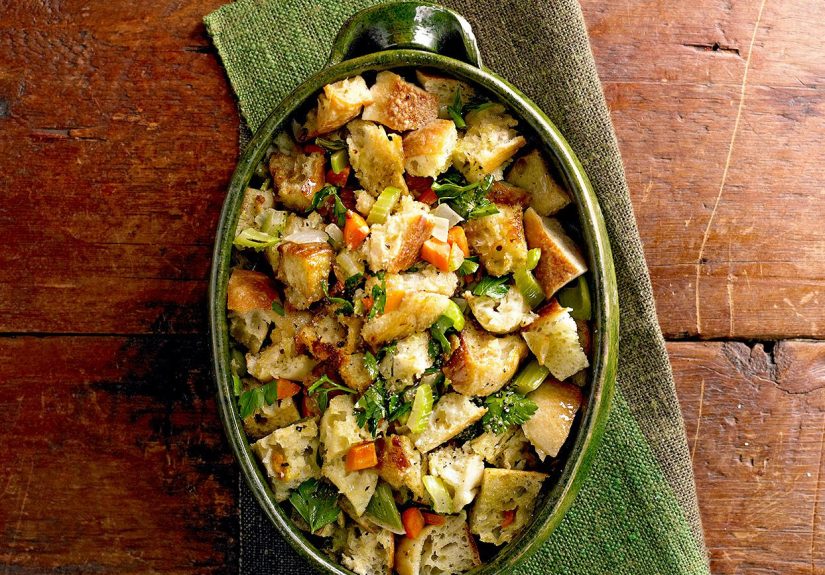
holy trinity of stuffing aromatics: onion, celery, and sage. And when it’s done right, you get that perfect split
personality: crisp, golden edges on top and a tender, steamy, savory middle that tastes like the holidays moved in
and started paying rent.
This is a classic homemade stuffing recipe (sometimes called bread dressing, especially when baked in a casserole).
It’s designed to be simple, flexible, and forgivingbecause holiday cooking already has enough drama. Whether you’re
serving roast turkey, chicken, pork, or just living your best “stuffing is the main character” life, this old-school
bread stuffing belongs on your table.
What Makes It “Old-Fashioned” (In the Best Way)
Old-fashioned bread stuffing sticks to the basics: dried bread, sautéed vegetables, butter, herbs, and broth. No
foam. No edible glitter. No “deconstructed” anything. The goal is flavor and texturesavory and aromatic, moist but
not soggy, with enough structure to scoop and enough tenderness to make gravy feel emotionally supported.
Stuffing vs. Dressing
In many homes, “stuffing” means cooked inside the bird and “dressing” means baked in a dish. In other homes, the
words are basically regional accents for the same delicious idea. For easiest timing (and the best crispy top),
baking it in a casserole is the move.
Ingredients for Classic Old-Fashioned Bread Stuffing
You don’t need fancy bread or rare spicesjust good basics, treated with respect. Here’s what you’re aiming for:
The Bread
- 12 cups dried bread cubes (about 1 to 1½ pounds of bread)
- Best choices: country white bread, French bread, sandwich bread, or a mild sourdough. Avoid heavily sweet breads.
The Aromatics
- 1 large onion, finely chopped
- 3–4 celery stalks, finely chopped (include some leaves if you’ve got them)
- 3–4 cloves garlic, minced (optional, but highly recommended for extra savory depth)
The Flavor Builders
- 3/4 cup butter (yes, butterthis is tradition)
- 1–2 tablespoons fresh sage (or 1–2 teaspoons dried)
- 1 tablespoon fresh thyme (or 1 teaspoon dried)
- 1/3 cup chopped fresh parsley
- 1–2 teaspoons poultry seasoning (optional, but very classic)
- Salt and black pepper
The Moisture
- 2½ to 4 cups broth (chicken or turkey broth; low-sodium helps you control salt)
- 1–2 eggs, lightly beaten (optional, for a slightly more set, casserole-like texture)
Optional add-ins (still “old-fashioned” approved): browned sausage, mushrooms, toasted pecans, diced apple,
dried cranberries, or a splash of turkey drippings right before baking.
Step-by-Step: How to Make Old-Fashioned Bread Stuffing
Step 1: Dry the Bread (This Is the Secret Sauce)
Stuffing needs dry bread. Not “I left the loaf open for 12 minutes” dryactually dry. Dry bread absorbs broth slowly
and evenly, so you get flavor without turning your stuffing into wet bread pudding.
- Cut bread into 1/2- to 3/4-inch cubes.
-
Spread on baking sheets in a single layer and bake at 300°F for
20–35 minutes, stirring once or twice, until dry and lightly toasted. - Cool completely. (Warm bread steams itself and gets weird.)
Make-ahead win: You can cube and dry the bread up to a week ahead, then store it in a bag or container
at room temperature.
Step 2: Build the Flavor Base
- Melt 3/4 cup butter in a large skillet over medium heat.
- Add onion and celery; cook 8–12 minutes, stirring, until softened and fragrant.
- Add garlic (if using) for the last 1 minute.
-
Stir in sage, thyme, parsley, poultry seasoning (if using), plus a good pinch of salt and pepper. Cook
30–60 seconds to bloom the herbs. - Remove from heat and let cool slightly.
Step 3: Combine and “Moisture-Match”
Put your dried bread cubes in a very large bowl. Pour the buttery vegetables and herbs over the bread and toss well.
Now comes the part where stuffing becomes art: adding broth in stages.
-
Warm your broth (hot broth absorbs better than cold). Start with 2½ cups and drizzle it over
the bread, tossing gently. - Let it sit 5 minutes, then toss again. Add more broth as needed.
-
If using eggs, stir the beaten egg(s) in after the bread is moistened (not swimming). The mixture should feel
damp, not drippy.
What the “Right” Texture Looks Like
-
Too dry: bread cubes feel crunchy inside and refuse to mingle. Add a splash more broth, toss, and
wait 2 minutes. -
Just right: cubes are soft on the outside but still have shape; when you squeeze a handful, it
holds together lightly without liquid running out. -
Too wet: looks like soup with croutons. You can fix thisadd a handful of dried bread cubes or bake
uncovered longer to evaporate excess moisture.
Step 4: Bake for the Crispy-Top Magic
- Heat oven to 350°F.
- Butter a 9×13-inch baking dish (or similar). Spoon stuffing in and spread evenlydon’t pack it like concrete.
-
Cover with foil and bake 25–30 minutes, then uncover and bake 15–25 minutes more
until the top is golden and the edges are crisp. - Rest 10 minutes before serving so it sets and scoops beautifully.
The Classic Flavor Formula (So You Can Scale It)
If you’re feeding a crowd or just want leftovers for breakfast (stuffing + fried egg = peak achievement), it helps
to know the basic ratios:
- Bread: about 10–12 cups dried cubes for a standard 9×13 pan
- Veg: roughly 1½ to 2½ cups chopped onion/celery combined
- Fat: 1/2 to 3/4 cup butter
- Liquid: usually 2½ to 4 cups broth, depending on bread dryness and your preferred texture
- Binder (optional): 1 egg per ~8–10 cups bread cubes for a slightly more cohesive stuffing
Old-Fashioned Variations (Still Grandma-Approved)
Sausage Bread Stuffing
Brown 1 pound of pork sausage, remove, then cook the vegetables in the drippings + butter (reduce butter slightly if
needed). Toss sausage back in before adding broth. It’s rich, savory, and disappears fastlike it’s avoiding chores.
Apple and Herb Stuffing
Add 1–2 diced apples (tart varieties work great) when you sauté the onions and celery. The apple softens and adds a
gentle sweetness that plays beautifully with sage.
Mushroom Stuffing
Sauté 8–12 ounces chopped mushrooms until they release moisture and begin to brown. Add them to the bread with the
vegetables for a deeper, almost meaty flavorexcellent if you’re skipping sausage.
“Turkey Drippings” Finish
Want that roasted-turkey vibe without cooking stuffing in the bird? Drizzle a little warm turkey drippings (or gravy)
over the baked stuffing right before serving. It’s the best of both worlds: safer and crispier, yet still turkey-ish.
Make-Ahead, Storage, and Reheating
Make Ahead Without Losing Texture
- Up to 7 days ahead: dry the bread cubes and store airtight at room temperature.
- 1 day ahead: cook the onion-celery-herb mixture; refrigerate, then rewarm before mixing.
-
Day-of best practice: combine bread + veg + broth, then bake. This protects texture and helps food
safety.
Leftovers
- Cool quickly and refrigerate within 2 hours.
- Keep refrigerated up to 3–4 days.
-
Reheat covered at 325–350°F with a splash of broth until hot throughout; uncover briefly to
re-crisp the top.
Freezing
Stuffing freezes well. Freeze baked stuffing tightly wrapped for up to about a month (often longer in practice, but
flavor is best sooner). Thaw overnight in the fridge, then reheat with a little broth to bring back moisture.
Food Safety Notes (Because Nobody Wants “Holiday Memories” Like That)
Stuffing is basically a warm, cozy spongeexactly what bacteria would design if bacteria hosted Thanksgiving. So a few
simple safety habits matter:
- If you cook stuffing in a casserole, bake until the center reaches 165°F (use a thermometer).
-
If you stuff a turkey, do it immediately before roasting, stuff loosely, and verify the center of
the stuffing reaches 165°F. -
If you cooked stuffing inside a turkey, let the bird rest, then remove stuffing promptly and serve hot. Don’t let it
hang out in the warm cavity like it’s on vacation.
FAQ: Troubleshooting Old-Fashioned Bread Stuffing
Why is my stuffing mushy?
Usually it’s one of two things: the bread wasn’t dry enough, or you added too much broth too quickly. Next time,
dry the cubes longer and add broth in stages with rest time between additions. For today’s batch, bake uncovered a
bit longer to evaporate moisture and regain texture.
Why is my stuffing dry?
Bread type and dryness vary. Warm a little extra broth and drizzle it over the stuffing after baking, then cover and
rest 5 minutes. Also, don’t be shy with butterthis is not the moment for moral superiority.
Do I have to use eggs?
Nope. Eggs help bind and create a slightly more set, sliceable texture. If you prefer a looser, spoonable stuffing,
skip them. If you like neat squares (or you’re feeding kids who demand geometry), use one egg.
Can I use store-bought bread cubes?
Yes. They can be drier than homemade cubes, so you may need a bit more broth. Add liquid slowly and let the bread sit
to absorb before deciding it needs more.
Conclusion
Old-fashioned bread stuffing is proof that the classics became classics for a reason. It’s affordable, adaptable, and
reliably crowd-pleasingsavory herbs, buttery vegetables, and bread that soaks up flavor like it’s been training all
year for this moment. Bake it in a dish for the crisp top, keep the center tender, and don’t be surprised if it
becomes the most fought-over item on the table.
Real-World Stuffing Experiences (The Stuff Nobody Tells You Until You’ve Made It Twice)
Home cooks tend to learn the same stuffing lessons the fun way: by accidentally creating either a bread desert or a
bread swamp. The first “aha” moment is usually about drying the bread. People swear they did it (“I left it on the
counter all morning!”) and then wonder why the casserole eats like oatmeal. The trick isn’t time on the counterit’s
removing moisture from the inside of the cubes, which is why a low oven works so well. Once you’ve made stuffing with
properly dried bread, you notice how it drinks in broth slowly and keeps its shape, giving you that ideal contrast of
crisp edges and a soft center.
The second lesson is that broth is not a one-and-done pour. Experienced stuffing makers add liquid in waves, toss,
wait, and then reassess. That short resting time is where the magic happens. It’s also where a lot of “I need more
broth” panic disappearsbecause the bread was just taking a moment to catch up. If you’ve ever watched someone hover
over the bowl like a nervous sports coach, whispering “absorb… absorb…,” congratulations: you’ve witnessed stuffing
wisdom in its natural habitat.
Then there’s the great texture debate. Some families want stuffing that’s spoonable and plush, almost like a savory
bread pudding. Others demand structuresomething that can be cut into squares with clean edges. That’s where eggs come
in. Cooks who grew up with “sliceable stuffing” often don’t realize eggs were the reason until they try a recipe
without them and the pan suddenly behaves more like a pile of delicious croutons. Neither style is wrong. The only
wrong style is the one that makes you sad on a holiday. (Also wrong: burning it because you forgot it while “just
checking one thing” on your phone.)
Another real-life truth: the best bites are the corners. People will politely serve themselves the soft middle first,
pretending they’re above crispy edges, and then circle back like a seagull spotting unattended fries. If you’re hosting
and you want peace, bake two pansone for the table and one “for later,” which will mysteriously vanish sometime
around the second football quarter. If you’re not hosting, a friendly tip: compliment the cook first, then request a
corner. Civilization depends on this order of operations.
Finally, there’s the nostalgia factor. Stuffing is one of those dishes that tastes like a memory even when you’re
making it for the first time. The smell of butter, onion, celery, and sage hitting warm bread tends to transport
peoplewhether to childhood holidays, potlucks, or that one year everyone argued about stuffing vs. dressing as if it
were a constitutional issue. If your family has a “secret ingredient,” it’s usually not that secret: an extra knob of
butter, a heavy hand with sage, or a splash of drippings. And that’s the point. Old-fashioned bread stuffing isn’t
about novelty. It’s about nailing the basics, serving it hot, and watching it disappear faster than you can say,
“Who took the last spoonful?”