Table of Contents >> Show >> Hide
For years, Dragon Ball Z (DBZ) has captivated audiences with its legendary battles, iconic characters, and endless action. However, one artist has taken this iconic anime to a whole new level by reimagining the beloved DBZ characters as fierce samurai warriors. This unique artistic approach not only brings an entirely fresh perspective to the series, but also blends two fascinating worldsJapanese animation and samurai culture. Let’s dive into this bold reimagining and explore how this fusion of DBZ and samurai artistry brings new life to these iconic characters.
The Concept Behind the Reimagining
Samurai have long been admired for their discipline, honor, and incredible skill in combat. They are deeply ingrained in Japanese history and culture, symbolizing the pinnacle of martial arts and honor-bound warriors. On the other hand, Dragon Ball Z, with its fast-paced action, over-the-top characters, and battles of epic proportions, is as far from the traditional samurai concept as one can imagine. So, what inspired an artist to blend the two worlds?
The answer lies in the universal themes of strength, perseverance, and honor. Just as samurai warriors dedicate themselves to their craft, the DBZ characters, especially the likes of Goku, Vegeta, and Piccolo, are known for their intense training and willingness to fight for the greater good. By reimagining DBZ characters as samurai, the artist elevates these iconic figures into a realm that emphasizes their warrior spirit in a new, exciting light. Each character’s unique traits are infused with elements of samurai culture, creating a powerful juxtaposition of anime and tradition.
The Art of Reimagining DBZ as Samurai
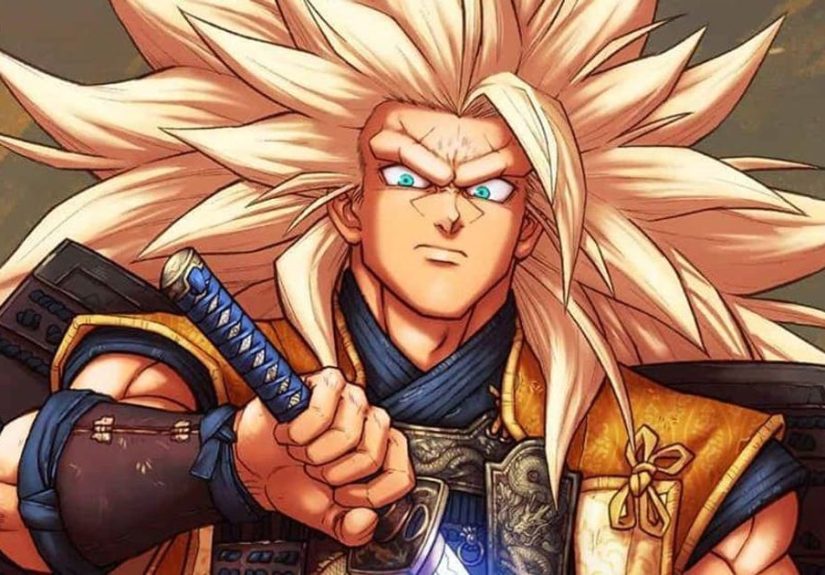
The artist behind this reimagining carefully studied the aesthetic and symbolism of traditional samurai armor, weapons, and hairstyles to integrate these elements into DBZ characters. For instance, Goku, typically seen in his orange gi, is transformed into a samurai adorned with intricately designed armor that reflects his fiery spirit and determination. His iconic spiky hair is styled to resemble the topknot worn by samurai, adding an additional layer of authenticity to his warrior persona.
Vegeta, known for his pride and fierce rivalry with Goku, is reimagined with battle-worn samurai armor that exudes strength and precision. His armor is designed with a sleek, almost regal look, reflecting his royal heritage and immense power. Meanwhile, characters like Piccolo, who is calm yet powerful, are adorned with armor that incorporates his mystical and disciplined nature. Each character’s personality and fighting style is translated through the armor design and weaponry, creating a unique fusion of anime and samurai imagery.
Visuals: Samurai Armor Meets DBZ Power
The striking visuals are one of the most captivating aspects of this artistic reimagining. The DBZ characters don’t just wear samurai armor; they embody the essence of samurai warriors. The artist’s choice of colors, materials, and intricate details on the armor is designed to highlight each character’s personality while staying true to their DBZ origins.
Take Goku’s samurai armor, for example. The orange and blue colors are still present, but now they are integrated into a more regal design with flowing lines, ornate shoulder pads, and traditional Japanese patterns. His armor evokes a sense of mobility, suggesting that, just like the samurai, Goku’s movements are swift and precise. Vegeta, on the other hand, is given a darker, more imposing armor that matches his no-nonsense attitude. The colors and sharp edges of his design reflect his warrior mentality and desire to be the best.
Characters like Trunks and Gohan are also given unique samurai makeovers. Trunks’ armor takes inspiration from the traditional katana-wielding samurai, while Gohan’s samurai style incorporates elements of his more gentle, yet determined personality. The armor is lighter, with intricate detailing that reflects his inner struggle between the warrior and scholar within.
Symbolism in the Samurai DBZ Reimaginings
Beyond just the visual transformation, the reimagining of DBZ characters as samurai carries deep symbolism. Samurai culture is steeped in tradition, discipline, and a warrior’s commitment to self-improvement. These are all qualities shared by the DBZ characters, who undergo intense physical and emotional challenges in their journey to protect the universe. By re-envisioning them as samurai, the artist highlights these shared themes of dedication, growth, and sacrifice.
Moreover, the samurai code of honorknown as Bushidoalso mirrors the moral struggles and decisions that DBZ characters face. Goku, for instance, often seeks to defeat his enemies without killing them, showing the mercy and compassion that are integral to the samurai philosophy. Vegeta, while initially prideful and ruthless, eventually adopts a sense of honor and humility, much like the samurai who fight for justice and the greater good.
Fan Reception and Impact
The fan reaction to this reimagining has been overwhelmingly positive. Dragon Ball Z fans, many of whom already have a deep appreciation for Japanese culture, have embraced the fusion of samurai aesthetics with their favorite characters. This artistic reimagining provides a fresh take on the series, allowing fans to experience DBZ in a new way, while also introducing samurai culture to a younger generation who may not be as familiar with it.
In addition, this reimagining has sparked conversations about the artistic versatility of anime. By taking a beloved franchise like DBZ and blending it with historical and cultural elements like samurai, the artist has demonstrated how anime can transcend genres and cultures, creating something truly unique. Fans have even begun to share their own interpretations of DBZ characters as samurai, further expanding the reach and influence of this reimagining.
Conclusion
In the end, one artist’s reimagining of DBZ characters as samurai warriors is not just a visual experiment; it is a celebration of two worlds that share common themes of strength, perseverance, and honor. By blending the dynamic energy of Dragon Ball Z with the disciplined elegance of samurai culture, this artistic reimagining has breathed new life into these iconic characters. It reminds us that, no matter the medium or style, the core qualities that define a true warrior are universalwhether in the world of anime or in the annals of history.
Fans and art enthusiasts alike have been captivated by this unique reinterpretation, and it’s safe to say that this creative fusion will continue to inspire future artists and storytellers. As we look to the future of Dragon Ball Z and other anime franchises, it’s exciting to imagine what other worlds these characters might inhabit, blending tradition with imagination in new and unexpected ways.
Personal Experience: Bringing DBZ to Life as Samurai
As a lifelong fan of Dragon Ball Z, I’ve always been fascinated by how art can reshape and reframe beloved characters. The thought of seeing Goku in samurai armorhis iconic gi replaced with the intricate designs of traditional Japanese armorwas both exciting and daunting. But what struck me the most was how the samurai essence fit so naturally with the DBZ characters. They were, after all, warriors at their core, embodying the same strength, pride, and determination that samurai warriors are known for.
One of the most memorable experiences I had while viewing these reimaginings was the sense of nostalgia that hit me when I saw Vegeta, typically portrayed as a ruthless and prideful fighter, transformed into a noble samurai. His armor, designed with sharp lines and dark, imposing colors, perfectly captured his intensity and determination. Seeing him in this new light made me think deeply about his character evolution throughout the series, and how his pride and honor ultimately made him a more complex and relatable figure.
On the other hand, Goku’s transformation into a samurai was a reminder of his undying spirit. His armor was beautifully detailed, with the flowing lines of his gi now incorporated into his samurai design. There was a certain fluidity in his armor that reflected his fluid and adaptable fighting style. What really stood out to me, however, was how this reimagining didn’t just capture his outer strength, but also the inner peace and determination that define him as a character.
What this artistic reimagining did, beyond just transforming a few characters, was create a deeper connection between DBZ and the rich history of Japan’s samurai culture. It made me reflect on the universal themes that tie together these seemingly disparate worldsstrength, honor, and a warrior’s journey toward self-discovery. It also showed me how creativity, when combined with passion and knowledge of history, can bring new life to something already beloved.