Table of Contents >> Show >> Hide
- What “Other Species” Is (and Where It Started)
- Why “Tribal” Body Art Shows Up in Modern Bodypainting
- Bodypainting Has Ancient Roots (Even When the Photos Look Futuristic)
- How a Bodypainting Photo Series Gets Made
- The Visual Language of “Other Species”
- When a Personal Series Turns Into a Life Path
- How to Appreciate and Share Bodypainting Ethically
- Try the “Other Species” Vibe Without Overcomplicating It
- Conclusion
- of Experiences Connected to “Other Species” (A Backstage Walkthrough)
Picture this: you’re in a quiet forest, and a “tree” blinks at you. Not a poetic blinkan actual human eye peeking out from bark-like patterns, mossy gradients, and symbols that look older than your phone battery. That split-second of confusion (wait, is that a person?) is exactly the kind of spell the bodypainting photo series Other Species is built to cast.
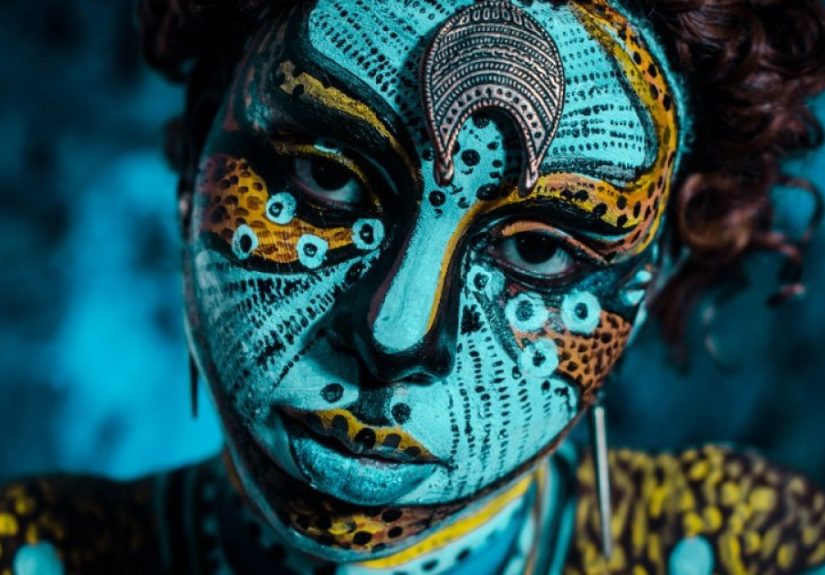
Created by visual artist and bodypainter Vilija Vitkutė, “Other Species” uses the human body as a temporary canvas and then locks the moment in photography. The result is part portrait, part illusion, and part gentle nudge that modern life might be missing something basic: feeling connectedto ourselves, to each other, and to nature.
What “Other Species” Is (and Where It Started)
“Other Species” is widely described as Vilija Vitkutė’s inaugural bodypainting series, created in Sweden’s Dalarna region. Artist notes describe the project developing between roughly 2013 and 2015 (some references expand that window slightly), beginning with self-portraits and then moving to friends, neighbors, and other collaborators. The series became an early turning point that pushed her to pursue bodypainting professionally.
The concept is simple to say and hard to forget: paint modern people as if they’re returning to naturenot as tourists, but as participants. Visually, that often looks like:
- Nature textures (bark, stone, water, leaf veins, animal markings)
- High-contrast patterning (bold lines, dots, repeating geometry)
- Portrait photography that frames the painted body as “human-plus”
Put those together and you get the signature “Other Species” effect: a person who reads like a forest spirit, a creature-in-transition, or a landscape that decided to stand up and make eye contact.
Why “Tribal” Body Art Shows Up in Modern Bodypainting
The word “tribal” gets used a lot in art and design. Sometimes it’s shorthand for “bold patterns that feel ancient.” But real Indigenous body painting traditions are not a vibe; they are living cultural practices tied to identity, ceremony, and community. The Smithsonian has highlighted, for example, how body painting for the Pataxó people carries meaning across timelinking human and more-than-human worlds and helping protect cultural continuity.
So how do you write about a “tribal bodyart” series responsibly?
Use precise language
- Say “tribal-style,” “geometric,” “symbolic,” or “ritual-inspired” if you’re describing a look.
- Avoid claiming a design represents a specific culture unless the artist and community explicitly state that connection.
Respect the difference between inspiration and borrowing
There’s a big gap between “I’m inspired by the idea of ancestral connection” and “I copied sacred motifs.” “Other Species” is best understood as a contemporary, nature-based visual languageone that uses graphic patterning to communicate transformation, not to impersonate any single tradition.
Bodypainting Has Ancient Roots (Even When the Photos Look Futuristic)
Bodypainting can look ultra-modernairbrush gradients, UV details, special effects texturesbut the instinct to mark skin is ancient. Mineral pigments like ochre have been used by humans for a very long time, including as body paint and for other practical and symbolic uses. Smithsonian human origins programming notes that ochre and mineral pigments have been used for well over 100,000 years by our species.
That history matters because it reframes bodypainting as more than decoration. It’s one of humanity’s oldest creative technologies: a way to communicate belonging, identity, celebration, or changesometimes all at once.
How a Bodypainting Photo Series Gets Made
In a finished photo, the paint looks effortless. In real life, it’s a careful chain of decisions. Here’s what typically goes into a project like “Other Species.”
1) Concept first, colors second
“Other Species” isn’t about random patternsit’s about reconnection. That usually becomes practical questions: is this character more river than forest? Is the mood calm, fierce, playful, mysterious? What should the viewer feel in that first half-second?
2) Design mapped to anatomy
Great body art doesn’t paste a picture onto a person; it designs with the body. Shoulders become cliffs. Collarbones become ridgelines. The spine becomes a natural center line for symmetry. Bold geometry works especially well because it can echo bone structure and muscle lines, making the human form part of the design logic.
3) Materials and safety (because skin is not a scrapbook page)
Professional bodypainting uses products intended for skin. In the U.S., face paints and theatrical makeup fall under cosmetics rules, including requirements around color additives. The FDA notes that color additives must be approved for their intended cosmetic uses, and that some colors suitable for nails or hair may not be appropriate for skin or the eye area.
Common safety habits shared across dermatology and performing-arts guidance include:
- Patch test a new product on a small area first (especially if you have sensitive skin).
- Keep tools clean, don’t share applicators, and replace old makeup before it turns into a petri dish.
- Follow label directions and remove paint gently at the end of the day.
Translation: make art, not irritation. Your masterpiece shouldn’t come with free bonus itching.
4) Photography: the “other species” moment
Bodypainting is temporary; photography makes it travel. Lighting and framing can push the image toward myth, documentary realism, or pure illusion. Nature-based work often gains power outdoors or near textured backgroundspainted bark beside real bark, stone patterns near actual stoneso the viewer’s eye has to work a little, and the illusion lands harder.
The Visual Language of “Other Species”
What makes “Other Species” feel distinct is how it treats nature as a collaborator, not a backdrop. The painted body doesn’t simply wear nature; it speaks nature.
- Camouflage and disappearance: patterns that make a person feel like they’re dissolving into leaves, bark, or rock.
- Spirit and guardian energy: markings that suggest mythic identity without turning into costume-store clichés.
- Texture storytelling: paint that imitates cracked earth, flowing water, feathers, scales, or lichen.
- Elemental color choices: earthy reds and blacks for primal punch, cool greens and blues for forest/river calm, high-contrast white for “otherworldly” pop.
In other words, the series isn’t asking viewers to admire paint technique alone. It’s asking them to consider a mindset: what changes when a human stops acting like nature is “over there” and starts acting like nature is home?
When a Personal Series Turns Into a Life Path
Bodypainting has a serious professional ecosystemartists build portfolios, collaborate with photographers and performers, create films, and compete internationally. Vitkutė’s later work includes major competition recognition: public festival records and coverage list her as a World Award winner in Special Effects Bodypainting at the World Bodypainting Festival (2019). That kind of recognition matters because it shows how an early, personal project can become a launchpad for a full creative career.
In the United States, the scene is active too: face and body artists trade techniques at conventions and classes, and public arts programming has featured bodypainting as a legitimate visual art form (not just a novelty). If you’re researching the craft, you’ll find everything from competition coverage to practical “how-to” workshops, which is part of why bodypainting careers often blend fine art, theater makeup, photography, and performance.
It’s also a reminder to aspiring artists: your “first weird idea” is often your best oneespecially if it’s the one you can’t stop thinking about.
How to Appreciate and Share Bodypainting Ethically
Bodypainting sits at a crossroads of art, identity, and real human bodies. Ethical appreciation is not complicated, but it is non-negotiable.
- Credit the full team: artist, model, photographer, and anyone else involved.
- Ask before reposting and respect usage rights (especially for professional portfolio work).
- Be careful with labels: describe what you see instead of assigning cultural ownership.
- Remember consent: bodypainting requires trust and comfort; treat the images accordingly.
Try the “Other Species” Vibe Without Overcomplicating It
You don’t need a cabin in the woods to experiment with nature-inspired body art. Start small, stay skin-safe, and treat your environment like a free design library.
- One-limb ecosystem: paint a forearm as a riverbank, a mossy rock, or a leaf-skeleton pattern. Photograph it next to the real texture.
- Geometric contour practice: use dots and lines to follow the shape of a hand or shoulderlike topographic lines on a map.
- Two-color constraint: pick two colors plus black or white. Constraints sharpen design choices fast.
And yes, take progress photos. Bodypainting is basically a time-lapse art form pretending to be a still image.
Conclusion
“Other Species” endures because it does something rare: it uses beauty to argue for belonging. By painting humanś humans as landscapes and symbols, Vilija Vitkutė’s early series turns the body into a bridgebetween modern life and older ways of noticing. The paint washes away, but the question sticks: what if connection isn’t something you find, but something you practice?
of Experiences Connected to “Other Species” (A Backstage Walkthrough)
Walk into a bodypainting session inspired by “Other Species,” and the first surprise is how calm it is. No frantic movie-set chaosjust a warm room (because paint and shivering don’t mix), soft music, and a plan taped to the wall. Reference photos show bark patterns, river stones, winter branches, and close-ups of lichen that look like tiny topographic maps. The sketches aren’t “pictures” so much as instructions for transformation: where the spine becomes a trail, where the shoulder becomes a ridge, and where the hands should look like they belong to the woods.
The work starts with a “map.” A few guiding lines mark the body’s structurecenter lines for symmetry, curves that follow muscle, and anchor points where high contrast will make the illusion pop on camera. Then the textures arrive. A sponge can turn paint into stone grain. A stippling brush builds mossy depth one dot at a time. A thin liner brush draws leaf veins or cracks like dried earth. The artist steps back often, squinting as if the painted body is a puzzle that only makes sense from three feet away. The model learns a strange new skill: staying still without turning stiffbreathing evenly, communicating quickly if a spot needs a break, and trusting the process.
As layers build, everyone starts speaking in nature metaphors. “This side feels more rivermake it smoother.” “That edge is too cleanbreak it like bark.” It’s not pretentious; it’s efficient. Nature words are the fastest way to describe what the design needs. Blue stops being “blue” and becomes “water.” Green becomes “moss.” White becomes “fog” or “bone,” depending on the mood. Meanwhile, the body stops reading as a person-with-paint and starts reading as a charactersomething that belongs outside, even if the whole thing is happening in a plain studio with a folding chair and a stack of paper towels.
The mirror moment is always a little electric. The model looks up and laughsnot because it’s silly, but because it’s startling. The face is the same face, but the surface tells a different story. It can feel like wearing a costume made of meaning instead of fabric: a reminder that identity can be playful, layered, and intentionally chosen. Some people describe it as confidence; others describe it as quiet. Either way, it’s a temporary permission slip to be a little mysterious, a little wild, and a little unbothered by the idea that you’re supposed to look “normal.”
Then the camera comes out, and the illusion sharpens. In the right light, shadows deepen the pattern, and the design suddenly looks like it grew there. Photograph the painted figure near trees, rocks, or textured walls, and the viewer’s eye has to workjust long enough for wonder to slip in. That’s the “Other Species” moment: not the paint alone, but the instant where human ends and environment begins becomes unclear. And when the paint eventually washes away, what lingers isn’t loss. It’s the memory of transformationproof that the line between “me” and “nature” can be thinner than we think.