Table of Contents >> Show >> Hide
- Why This Prequel Works (When It Shouldn’t)
- How It Stacks Up: The Rankings
- Where the Critics Landed (and Why Audiences Were Split)
- Box Office Snapshot (aka: The Planchette Moved Enough)
- The Craft: What’s Under the Hood
- Who Will Love It (and Who Might Bounce)
- Practical Watch Tips
- Opinionated Scorecard
- Mini-FAQ
- Verdict
- SEO Goodies
- Extra: of Real-World Viewing “Experiences” & Tips
Short version: Mike Flanagan took a panned brand name, dusted it with 1960s patina and real family drama, andabracadabraturned a flat franchise into a legit scary-night pick. If you’ve been sleeping on Ouija: Origin of Evil, consider this your wake-up séance.
Why This Prequel Works (When It Shouldn’t)
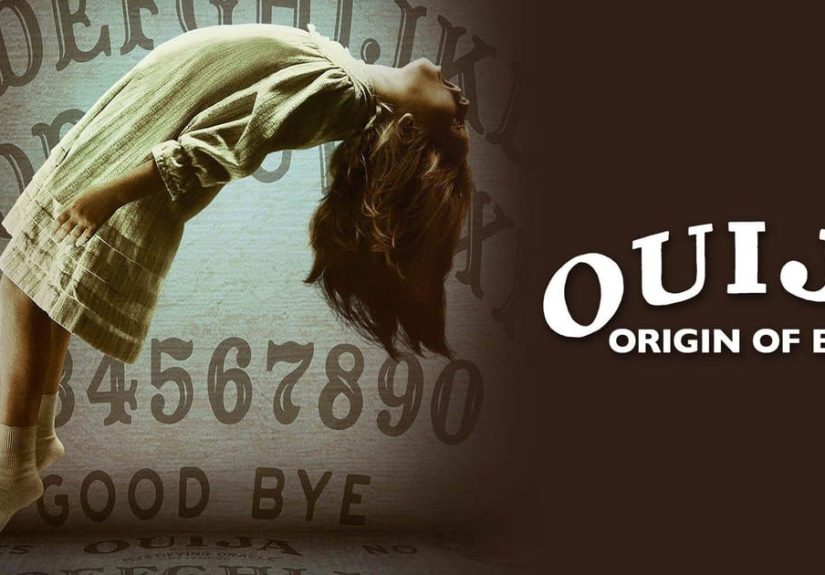
Origin of Evil (2016) is a prequel to 2014’s Ouija. Same board, new rules: a widowed mom (Elizabeth Reaser) and her daughters (Annalise Basso, Lulu Wilson) run low-rent séances in 1967 Los Angeles until the youngest invites something that does not pay rent. The setup is wonderfully old-fashionedslow-burn tension, character beats that stick, and period details that feel lived-in rather than costume-store cute. Flanagan frames the scares around grief, money stress, and sisterhood, so when the supernatural turns the screws, you care who’s in the vise.
How It Stacks Up: The Rankings
1) Inside Mike Flanagan’s Filmography
Depending on the outlet, Origin of Evil lands anywhere from upper-middle to mid-pack in Flanagan’s body of workbelow Doctor Sleep, Oculus, and the Netflix heavyweights (Hill House, Midnight Mass), but typically ahead of Before I Wake. That sounds right: it’s not his magnum opus, but it’s the crispest example of “make a studio assignment feel personal.” Our house ranking: Hill House > Midnight Mass > Doctor Sleep > Oculus > Hush > Origin of Evil > the rest. Translation: strong tier, high replay value.
2) Among Blumhouse Releases
As brand-name, modest-budget Blumhouse fare goes, Origin of Evil is top-quartile. It isn’t rewriting the genre like Get Out or The Invisible Man, but it’s the platonic ideal of “better than it had to be”the sort of PG-13 spook-house that plays like a gateway drug for future horror lifers. If you’re mapping a Blumhouse marathon, this comfortably sits in the “elevates the formula” section.
3) The 2016 Horror Class
2016 was stacked: The Witch, Don’t Breathe, 10 Cloverfield Lane, Lights Out, Hush, The Conjuring 2. In that crowd, Origin of Evil grades out as second-tier elitefewer conversation-starter ideas than The Witch or 10CL, more airtight craft than most big-studio counterparts. If you want a 2016 top-10 horror sampler built for variety, it belongs.
4) Toy-Based/Brand-IP Horror
“Movie based on a board game” triggers flashbacks to Battleship, but this one flips the script. Among Hasbro/Allspark-adjacent titles, Origin of Evil is arguably the best-reviewed of the bunch. It’s proof that IP isn’t destiny; voice and craft still matter.
Where the Critics Landed (and Why Audiences Were Split)
Critically, this movie had the glow-up of all glow-ups compared to the first Ouija: strong tomatometer, solid Metascore, and across-the-board praise for performances (Lulu Wilson’s “possessed child” is a mini-classic) and Flanagan’s patient pacing. Yet general audience polling skewed lukewarm on opening weekend, likely because the film is moodier and meaner than the brand suggests. If you showed up for theme-park jolts every five minutes, the slow-burn first half may have felt like a curveball. If you dig character-first supernatural chillers, it’s candy.
Box Office Snapshot (aka: The Planchette Moved Enough)
- Budget: roughly $9–12 million
- Domestic opening weekend: about $14.1 million (third place behind Tyler Perry’s Boo! A Madea Halloween and Jack Reacher: Never Go Back)
- Worldwide total: about $81–82 million
Bottom line: multipliers were healthy for an October release, international held its end, and the prequel out-earned many horror one-offs from that season. Not a smash, but a tidy winand exactly the sort of outcome studios hope for when they hire a filmmaker with point-of-view to rehab a bruised brand.
The Craft: What’s Under the Hood
Performances & Characters
Lulu Wilson’s Doris is the scare engineequal parts cherubic and unnervingwhile Annalise Basso grounds the film as the protective older sister. Elizabeth Reaser keeps the family’s grief and hustle credible, which makes the possession beats feel like a tragedy rather than a carnival trick. Henry Thomas adds warmth and moral weight as the priest who’s seen enough to be worried but not enough to be prepared.
Direction & Tone
Flanagan leans into classical composition and negative space; scares arrive from what the frame withholds. He builds suspense with rhythm instead of volumethen lets the last act go ruthlessly dark (still inside PG-13!). The retro vibe isn’t nostalgia for nostalgia’s sake; it’s a way to strip characters of modern “lifelines” and trap them in a house where the bad thing can take its time.
Sound & Score
The Newton Brothers’ music does stealth workmelodic enough to hum, dissonant enough to keep your shoulders up. Dialog sits cleanly in the mix so you don’t miss the family dynamics while you’re bracing for the next thump upstairs.
What Doesn’t Sing
A recurring critique is that the film’s immaculate buildup tilts toward a more conventional studio-horror sprint in the final stretch. It never collapses, but you can feel the transition from “patient chill” to “we’ve got to wrap this in 10 minutes.” If you’re allergic to third-act escalations, consider yourself warned.
Who Will Love It (and Who Might Bounce)
- Love it if you like: The Conjuring-adjacent hauntings, The Exorcist-style spiritual dread, Flanagan’s character-centric rhythms.
- Maybe skip if you want: relentless splatter, R-rated nastiness, or a jump scare every 90 seconds.
Practical Watch Tips
- Chronological order works great: Watch Origin of Evil before 2014’s Ouija if you want the lore to unfold “forward.”
- Lights low, distractions lower: The film hides a lot in quiet frames; scrolling breaks the spell.
- Group watch = better: The movie’s best jolts are communalthere’s fun in the gasp-laugh after a sustained slow-burn scare.
Opinionated Scorecard
- Scares: 8/10 (subtle dread > cat-through-window)
- Story/Characters: 8/10 (you can map the family dynamics)
- Visuals: 8/10 (clean period texture without cosplay)
- Ending: 6.5/10 (effective, a little hurried)
- Rewatch Value: 7.5/10 (especially around spooky season)
Mini-FAQ
Is it really PG-13? Yepand impressively grim within those guardrails. Runtime? A brisk ~99 minutes. Cameos? Yesthere’s connective-tissue fan service tucked in there. Is the Ouija board “real” history? The board’s pop-culture fame predates the movie by a century; the film just rides the mystique.
Verdict
Ouija: Origin of Evil isn’t the scariest movie of the decade, but it’s one of the smartest examples of how a filmmaker’s sensibility can elevate “brand horror.” It’s tight, mean when it has to be, tender when it should be, and far better than a board-game cash-in has any right to be.
SEO Goodies
sapo: Can a toy-based prequel be terrific? Ouija: Origin of Evil says yes. We compare it to 2016’s horror heavyweights, place it in Mike Flanagan’s filmography, unpack why critics loved it (and why some audiences were mixed), and offer practical watch tipsall in one spoiler-light guide.
Extra: of Real-World Viewing “Experiences” & Tips
How it plays with different audiences: Show this to a mixed crowd and you’ll spot two reactions: the “slow-burn lovers” leaning forward during quiet hallway shots, and the “theme park crowd” shifting until the third act lets loose. If your group skews toward The Conjuring and Hereditary fans, they’ll click with the patient setups; if they’re more Insidious 3 and Smile, prep them for a gentler first half that saves its haymakers.
What first-timers notice: Non-horror friends often point out how grounded the family feels. That buy-in is half the fear: when Doris slides from precocious to predatory, it stings. People also clock how rarely the film cheats with sound spikes; the scariest moments often land on a calm track. That restraint is why even seasoned horror fans admit the attic and basement sequences live in their heads rent-free.
Atmosphere hacks: If you’re hosting movie night, ditch lamps for a single, indirect light source behind the couch (bias lighting helps your eyes and the contrast). Keep phones face-down across the room; the movie cooks in silence. If you’ve got a decent soundbar, temper the sub-bass so low rumbles don’t drown whispersthis one hides clues in murmurs and the creak of an old house.
Conversation starters after credits: Ask which family member each viewer sympathized with most; answers map neatly to scare thresholds. The “mom” camp often reads the film as a tragedy about debt and desperation; the “sisters” camp reads it as a parable about boundaries and adolescence. Both lenses make the finale land harder. Bonus prompt: does the PG-13 boundary make the horror sharper (because it forces suggestion) or softer (because it caps extremity)? You’ll get a lively split.
Watch-order experiments: Chronological (this first, then the 2014 film) gives the mythology a clean ramp; release order makes the prequel feel like a course correction and deepens backstory reveals. If you’re corralling casuals, lead with Origin of Evilit’s better crafted and sells the universe without homework.
Rewatch value: On second pass, pay attention to how the camera “loses” characters at door frames, how faces drift into shadow, and how the board’s planchette motivates blocking. You’ll notice foreshadowing in throwaway lines and an economy of props (rosaries, sewing gear, basement hideaways) that all pay off. It’s engineering disguised as spookery.
Pairings & double features: For more “grief + ghosts” energy, add The Orphanage or The Devil’s Backbone. For a Flanagan micro-festival, go Hush (craft showcase) → Origin of Evil (studio polish) → Oculus (formally bolder) → crash into Hill House (peak Flanagan).
The final vibe check: If your horror sweet spot is “genuine unease with heart,” this hits. If you chase extremes, it’s a classy appetizer before the main course. Either way, the movie’s best trick is simple: it makes you care first, then it scares you.