Table of Contents >> Show >> Hide
- What “Fluted” Means (and Why It Works So Well)
- Why Fluted Pieces Look High-End (Even on a Real-People Budget)
- Meet the Lillian Line: Your Fluted Makeover, Piece by Piece
- 1) The Home-Bar Upgrade: Fluted Bar Cabinet
- 2) The Living Room “It” Detail: Fluted End Table
- 3) The Media Zone Glow-Up: Fluted TV Stand
- 4) The Bedroom Refresh: Fluted Nightstand (With Modern Convenience)
- 5) The Storage Statement: Fluted Dressers and Case Pieces
- 6) The Dining Moment: Fluted Table and Chairs
- Your Fluted Makeover Plan (Without Overdoing It)
- How to Style Fluting So It Looks Custom, Not Cookie-Cutter
- Maintenance and Longevity: Will You Regret Fluting?
- Small-Space Friendly: Fluting That Doesn’t Crowd the Room
- Conclusion: A Fluted Makeover That Feels Fresh (and Still Like You)
- Real-Life Fluted Makeover Experiences (Extra )
Some home upgrades shout. A fluted makeover purrs. It’s the design equivalent of switching from overhead fluorescents
to warm lamps: same room, instantly nicer mood.
Fluting (those elegant vertical grooves you’ve been seeing everywhere) adds texture without visual chaos. And when you want
the look to feel intentionallike you hired a designer who owns at least one black turtleneckour Lillian Line is a shortcut:
approachable, stylish, and built around that “how does this look so expensive?” detail.
What “Fluted” Means (and Why It Works So Well)
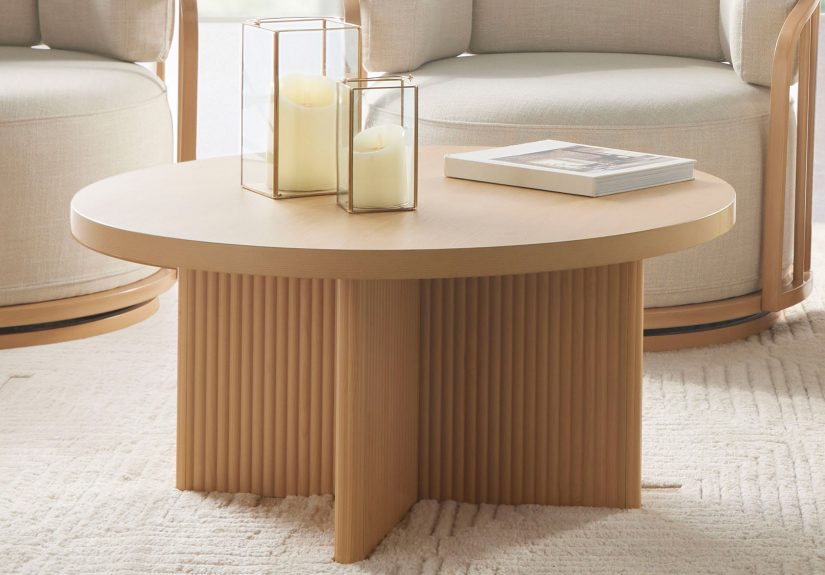
Fluted furniture uses a repeated vertical groove patternthink sculpted channels that catch light and shadow. That simple
rhythm is why fluting looks polished in both Art Deco-inspired spaces and midcentury-modern rooms. It’s structure, but make it
decorative.
Fluted vs. Reeded vs. Tambour: The 10-Second Decoder
- Fluted: grooves that carve inward, creating shadowed channels.
- Reeded: the “reverse” lookrounded ridges that pop outward.
- Tambour: narrow slats (often vertical) that feel flexible, retro, and a little “boutique hotel.”
In real rooms, you’ll hear people mix these terms. Don’t worryyour guests won’t quiz you. The practical takeaway is this:
fluting adds texture without needing bold color, busy prints, or a suspicious amount of throw pillows.
Why Fluted Pieces Look High-End (Even on a Real-People Budget)
Fluting is a cheat code because it does three things at once:
- Adds dimension to flat surfaces (so a cabinet front looks “designed,” not “plain”).
- Creates movement as light shifts across the grooves throughout the day.
- Feels custombecause repeated carved detail reads like craftsmanship.
It’s also secretly flattering to your room. Vertical lines can make ceilings feel taller, furniture feel lighter, and small
spaces feel more “finished.” Basically: fluting is contouring for your home.
Meet the Lillian Line: Your Fluted Makeover, Piece by Piece
The Lillian Line brings fluted detail into everyday furniture categoriesso you don’t have to remodel your kitchen to join the
texture party. Instead of committing to an entire wall of paneling, you can introduce the look in a few smart moves and let the
grooves do the heavy lifting.
Here’s how to think about the lineup: use one “anchor” fluted piece per zone (living room, bedroom, dining), then layer in
supporting items that stay visually quietsimple lighting, solid-color textiles, and a couple of warm-toned accents.
1) The Home-Bar Upgrade: Fluted Bar Cabinet
If you want maximum impact with minimal effort, start here. A bar cabinet is part storage, part style statement, and part
“yes, I do own a cocktail shaker, thank you for noticing.” Fluting keeps it from looking like just another box in the corner.
Styling idea: reserve the interior for glassware and tools, then top it with a tray, a small lamp, and one sculptural object
(ceramic, stone, or a textured vase). The grooves already provide pattern, so your accessories can be simpler.
2) The Living Room “It” Detail: Fluted End Table
End tables are underrated makeover heroes because they sit right where your eye naturally landsnext to the sofa, beside a chair,
under a lamp. Fluted legs (or a fluted base) add character without adding clutter.
Styling idea: pair it with a smooth lampshade and a soft textile (linen throw, boucle pillow) so the textures play nicely
instead of competing like siblings in the backseat.
3) The Media Zone Glow-Up: Fluted TV Stand
Media furniture has a tough job: hide cords, store devices, and somehow still look cute. Fluted cabinet fronts are a visual upgrade
that makes the whole wall feel more intentionaleven if you’re still negotiating with your Wi-Fi router like it’s a moody teenager.
Styling idea: keep the top surface calmone stack of books, one plant, and maybe a low-profile bowl for remotes. The fluting is the
“pattern,” so you don’t need more.
4) The Bedroom Refresh: Fluted Nightstand (With Modern Convenience)
Bedrooms love fluting because the vertical grooves add softness without being fussy. A fluted nightstand gives that “hotel upgrade”
feelingespecially if you add warm lighting and crisp bedding. Bonus points if your nightstand includes built-in charging, because
nothing says “modern luxury” like not crawling behind the bed at midnight.
5) The Storage Statement: Fluted Dressers and Case Pieces
A dresser is a big visual surface. Fluting helps it read as a designed object rather than a purely practical one. If your room
feels flat, this is a strong way to add dimension without changing wall color or starting a “weekend paint project” that becomes a
“three-week saga.”
6) The Dining Moment: Fluted Table and Chairs
Dining areas are perfect for tactile details because they’re naturally social. Fluted or reeded bases, fluted chair details, and
sculptural silhouettes make the space feel curatedlike you host dinner parties on purpose, not just because your fridge is too
full and you need witnesses.
Your Fluted Makeover Plan (Without Overdoing It)
Fluting is powerful. Treat it like a strong seasoning: enough to wake up the whole dish, not so much that it becomes all you taste.
Here are three “levels” of fluted commitment:
Level 1: Subtle (Starter Fluting)
- One fluted piece (end table or nightstand).
- Neutral textiles (cream, sand, soft gray) and warm lighting.
- One contrasting smooth element (glass lamp base, glossy ceramic, or a simple mirror).
Level 2: Noticeable (Design-Focused, Still Livable)
- Two fluted pieces in different categories (TV stand + end table, or nightstand + dresser).
- Repeat one finish family (warm wood tones, or black + brass accents).
- Add one “soft texture” counterbalance (linen drapes, boucle chair, wool rug).
Level 3: Statement (Fluted as a Theme)
- Anchor piece per zone (bar cabinet in living/dining, fluted storage in bedroom, fluted media cabinet).
- Keep walls and large textiles quieter to avoid pattern overload.
- Use lighting and hardware to elevate (warm metals, sculptural shapes).
How to Style Fluting So It Looks Custom, Not Cookie-Cutter
Mix textures on purpose
Fluting pairs best with materials that feel “calm”: smooth stone, matte ceramic, glass, linen, and light woods. If everything is
textured, nothing is. Give the grooves some breathing room.
Choose a “supporting cast” color palette
Fluted furniture loves neutrals, but it also looks great with moody colors (deep green, navy, charcoal) because the grooves create
shadow and depth. If you’re color-shy, start neutral and add one saturated accent through art or a pillow.
Repeat the vertical line quietly
Want your room to look more cohesive? Echo the vertical rhythm in subtle ways: tall table lamps, vertical framed art, slim drapery
folds. You’re reinforcing the “design language” without yelling.
Maintenance and Longevity: Will You Regret Fluting?
Fluting is trendy, yesbut it’s also rooted in classic architecture and furniture carving. The key to longevity is moderation and
timeless shapes. One or two fluted pieces can read as “texture-forward” rather than “I redesigned my personality around grooves.”
Cleaning reality check
Grooves can collect dust (because of course they can). The fix is easy: use a soft brush attachment, a microfiber cloth, or a small
detailing brush. If you’re the type who forgets to dust until company is five minutes away, keep fluting to smaller pieces instead
of an entire wall installation.
How to keep it from feeling overdone
- Limit repeating patterns: avoid pairing fluted furniture with busy wallpaper in the same sightline.
- Vary surfaces: mix one fluted item with smooth fronts and simple legs elsewhere.
- Go classic on big items: timeless silhouettes age better than ultra-trendy shapes.
Small-Space Friendly: Fluting That Doesn’t Crowd the Room
If you’re decorating a smaller home or apartment, fluting can actually help. Because it creates depth, it makes a piece feel
“intentional,” which can reduce the urge to add extra decor everywhere else.
Example: The “One Wall” Living Room
Try a fluted TV stand as your anchor, then keep the rest simple: a solid-color rug, a streamlined coffee table, and one tall plant.
The grooves give you the visual interest that you’d otherwise chase with too many little items.
Example: The Bedroom That Needs Personality
Pair a fluted nightstand with a clean-lined bed frame and one statement lamp. Add a textured throw at the foot of the bed, and you’ve
created a layered look without turning your sleep space into a furniture showroom.
Conclusion: A Fluted Makeover That Feels Fresh (and Still Like You)
The magic of the Lillian Line is that it makes a “designer detail” accessible in real-life furniture categoriesstorage, media, dining,
and everyday surfaces you touch all the time. You don’t need to redo your floors or start demo-ing walls. Add one fluted piece, let it
set the tone, and build outward with calmer textures and warm accents.
Fluting is a detail that rewards restraint. Choose a few strategic pieces, style them simply, and enjoy that satisfying moment when your
space looks upgraded… and you didn’t even have to learn what “mitered edge” means.
Real-Life Fluted Makeover Experiences (Extra )
Below are five realistic, experience-based scenariosthings people commonly notice when they bring fluted pieces into a home. Consider
them a preview of what the Lillian Line vibe feels like once it’s living with you, not just sitting in a product photo.
Experience 1: The “My Room Looks Finished” Moment
You place a fluted end table next to a sofa you’ve had forever. Nothing else changes: same rug, same lamp, same questionable remote
situation. But suddenly the room reads as more intentional. The vertical grooves add a quiet kind of sophistication, like your living
room started drinking sparkling water and using coasters. The biggest surprise is how quickly you stop craving “more stuff” on the
wallsbecause the texture is already doing some of that decorative work for you.
Experience 2: The Bar Cabinet Becomes the Social Magnet
A bar cabinet doesn’t just store bottlesit creates a destination. Friends naturally drift toward it, even if you’re serving mocktails
and the fanciest thing inside is ginger ale. Fluting helps because it looks like furniture with a purpose, not a random storage box.
People notice it, ask where it’s from, then linger while you talk about glassware like it’s a hobby (it is now). It’s also oddly
motivating: you keep the top styled because it’s visible, which makes the whole room feel more pulled together.
Experience 3: The TV Wall Stops Feeling Like a Tech Corner
Media areas often feel like “the screen lives here.” A fluted TV stand changes the vibe because it introduces craft and texture into a
place that’s usually wires and rectangles. The grooves soften the look of the wall and make the setup feel more like part of your decor.
The open shelves become a styling opportunity (a couple of books, a small bowl, maybe a plant), and the cabinet doors help you hide the
clutter that would otherwise broadcast itself during every video call.
Experience 4: Fluting Makes Neutrals Feel Less Boring
If your palette is mostly creams, whites, and warm woods, you might worry your space lacks personality. Fluting fixes that without
forcing a bold color commitment. The grooves create shadow, which creates contrast, which creates interestno paint samples required.
In practice, it feels like your neutrals suddenly gained depth and intention. You can keep everything calm and still feel like you did
something “design-y,” which is the sweet spot for people who want a stylish home without a high-maintenance aesthetic.
Experience 5: The Dust Question (and the Easy Habit That Solves It)
Yes, grooves can collect dust. The good news: you don’t need a complicated routine. Once a week (or whenever you remember), a quick pass
with a microfiber cloth or a soft brush attachment takes care of it. Most people find that the cleaning is easier than expected because
the pattern is regular and accessibleno ornate carvings or delicate trim. And the payoff is worth it: once the fluted surface is clean,
it looks crisp and elevated again immediately, like your furniture just got a fresh haircut.