Table of Contents >> Show >> Hide
- Why Oven-Fried Chicken Works (and Why Your Smoke Alarm Can Relax)
- Ingredients You’ll Need
- Equipment (No Deep Fryer, No Drama)
- Oven Fried Chicken Recipe (Crispy, Juicy, Actually Worth It)
- Pro Tips for Maximum Crunch
- Flavor Variations (Pick Your Personality)
- Troubleshooting (Because Chicken Has Opinions)
- What to Serve With Oven-Fried Chicken
- Storage and Reheating (Keeping Leftovers Crispy)
- FAQ
- Conclusion
- Kitchen Stories & Hard-Won Lessons (Extra of Oven-Fried Chicken Experience)
You want fried chicken. You also want to avoid (1) splatter burns, (2) a lingering eau de fryer that perfumes your curtains for three business days, and (3) playing “Is the oil 350°F or is my thermometer lying to me again?” Welcome: this oven fried chicken recipe is the crispy, juicy compromise your weeknight deserves.
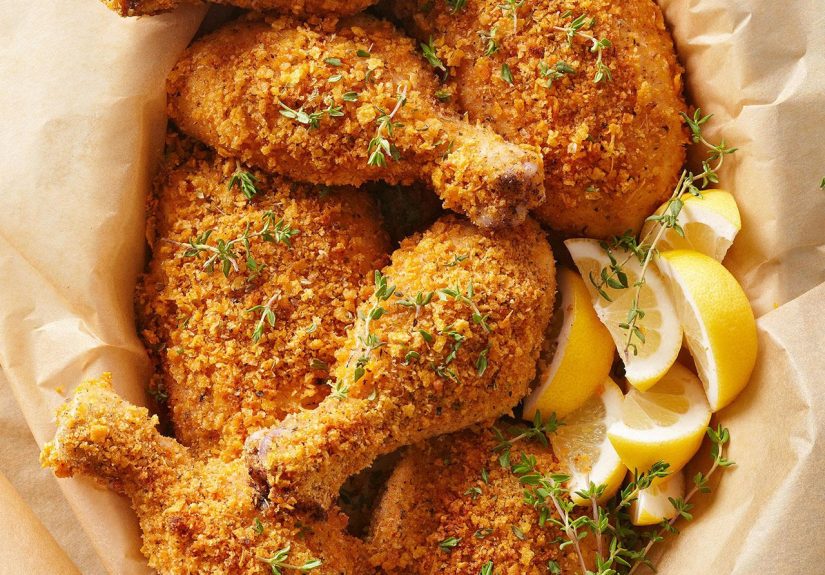
Oven-fried chicken (a.k.a. “baked fried chicken,” “fake-fried,” “the oven did it, officer”) gets you that crackly crust by leaning on three ideas: dry chicken, high heat, and a coating that actually browns. Add a wire rack so hot air can circulate, and suddenly your chicken is doing the crunchy thing on all sidesnot just the bottom.
Why Oven-Fried Chicken Works (and Why Your Smoke Alarm Can Relax)
Crunch is a moisture-management problem
Deep frying wins because hot oil drives off surface moisture fast. In the oven, we recreate that by (1) patting the chicken dry, (2) using a porous coating (panko, cornflakes, potato flakes, or a combo), and (3) giving the surface enough heat to brown before the chicken overcooks. Translation: you’re building a tiny, edible suit of armorthen using physics to make it shatter pleasantly.
The “secret” crispiness boost: baking powder (not baking soda)
A small amount of baking powder can help browning and crisping because it’s slightly alkaline and can encourage better browning and a bubbled, crisp surface. Key detail: baking powder is the friendly one; baking soda can taste metallic when overused. If you’ve ever bitten into chicken that tasted like a science fair volcano, you already know.
Airflow matters more than you think
If your chicken sits flat on a pan, the underside steams in its own juices. Put it on an oven-safe wire rack and hot air can crisp the bottom too. That’s the difference between “crispy-ish” and “wait… this is baked?”
Ingredients You’ll Need
This is a flexible recipe. The goal is a seasoned chicken + sticky coating base + crunchy coating. Here’s the “best of many test kitchens” setup:
Chicken
- 2 1/2 to 3 pounds chicken (bone-in thighs/drumsticks/wings for max juiciness, or boneless thighs for speed)
Quick buttermilk soak (recommended)
- 1 1/2 cups buttermilk (or milk + 1 Tbsp vinegar/lemon juice)
- 1–2 tsp kosher salt
- 1 tsp hot sauce (optional, but it’s fun)
- 1/2 tsp black pepper
- 1/2 tsp garlic powder (optional)
Crispy coating (choose one style)
Style A: Panko + cornflakes (my favorite “restaurant crunch” combo)
- 1 1/2 cups panko breadcrumbs
- 2 cups crushed cornflakes (not dustthink gravel)
- 1/4 cup grated Parmesan (optional but highly encouraged)
- 1 tsp paprika (smoked paprika if you like swagger)
- 1 tsp kosher salt
- 1/2 tsp black pepper
- 1/2 tsp onion powder
- 1/2 tsp garlic powder
- 1/2 tsp baking powder (optional crisp booster)
Style B: Cornflake classic (simple, nostalgic, very crunchy)
- 2 cups crushed cornflakes
- 1 egg + 1 Tbsp water
- 1 Tbsp olive oil (helps browning)
- Salt, pepper, cayenne (optional)
Style C: Potato flake crunch (surprisingly awesome)
- 1 1/2 cups instant mashed potato flakes
- Seasoned salt / paprika / garlic powder
- Egg wash (egg + a splash of water)
Sticky coating base (pick one)
- Option 1: egg wash (2 eggs whisked with 2 Tbsp buttermilk)
- Option 2: Dijon mustard wash (Dijon + a splash of water/stock/white wine to thin)
For baking
- Cooking spray or a neutral oil spray
- Optional: 2–3 Tbsp melted butter for extra “fried” vibes
Equipment (No Deep Fryer, No Drama)
- Rimmed baking sheet
- Oven-safe wire rack (highly recommended)
- Instant-read thermometer (your future self says thanks)
- Mixing bowls / shallow dishes for breading
- Tongs or a thin spatula for flipping
Oven Fried Chicken Recipe (Crispy, Juicy, Actually Worth It)
Serves: 4–6
Prep time: 20 minutes (plus optional marinating)
Cook time: 35–55 minutes (depends on cut)
Step 1: Marinate (or at least season)
- In a large bowl or zip-top bag, combine the buttermilk, salt, pepper, and optional hot sauce/garlic powder.
- Add chicken and coat well. Refrigerate at least 30 minutes. Ideal is 4–12 hours. Try not to go beyond 24 hours for smaller pieces, or the texture can get a little too “tender” (read: weird).
Step 2: Heat the oven and set up for crispiness
- Heat oven to 425°F.
- Place a wire rack on a rimmed baking sheet. Spray the rack well with cooking spray.
Optional power move: Put the sheet pan (with rack) in the oven while it preheats so it’s hot when the chicken hits it.
Step 3: Build your coating station
Set up three shallow dishes (or pie plates) in a row:
- Flour dish: 1/2 cup flour + a pinch of salt and pepper (optional, but helps the first layer stick)
- Sticky base: egg wash or Dijon wash
- Crunch dish: your chosen coating (Style A, B, or C), mixed thoroughly
Step 4: Coat the chicken like you mean it
- Remove chicken from marinade and pat dry lightly (don’t rinsejust blot).
- Dredge in flour, shaking off excess.
- Dip into egg wash or Dijon wash.
- Press firmly into the crunchy coating. Don’t be shythis is not a gentle handshake; it’s a commitment. If you can, let coated chicken rest 10 minutes while the oven finishes preheating. That “set time” helps the coating stay put.
Step 5: Bake until crispy and cooked through
- Arrange chicken on the wire rack with space between pieces. Spray the tops generously with cooking spray.
Optional: Drizzle a little melted butter over the top for extra browning. - Bake at 425°F for 15 minutes, then reduce to 375°F and continue baking until done. Flip once halfway through and spray the second side lightly.
- Target doneness:
- All chicken must reach at least 165°F in the thickest part.
- For thighs/drumsticks, many cooks prefer 175–180°F for peak tenderness.
- If you want extra crunch, broil for 1–3 minutes at the endwatch closely like it owes you money.
Timing guide (because we all have places to be)
- Boneless thighs (pounded flat): ~20–30 minutes total
- Bone-in thighs/drumsticks: ~40–55 minutes total
- Wings: ~35–45 minutes total (flip once)
- Boneless breasts: ~18–25 minutes (pound to even thickness to avoid dry sadness)
Pro Tips for Maximum Crunch
1) Use a wire rack (seriously)
Air circulation crisps the underside, and you don’t end up with a soggy “steamed bottom.” Nobody wants that.
2) Preheat the pan/rack if you can
Starting on a hot surface helps jump-start browning. It’s the oven version of “let the skillet get hot first,” but with fewer splatters and less regret.
3) Don’t skip the oil spray
Oven frying needs a little surface fat to brown like real fried chicken. A quick, even spray is the difference between “golden” and “pale and confused.”
4) Baking powder: tiny amount, big payoff
If your coating is breadcrumb-heavy, mixing in about 1/2 teaspoon baking powder can help crisping and browning. If you’re doing skin-on chicken, a baking powder + salt dry-brine ahead of time is another route to crackly skin.
5) Dijon mustard as your “glue”
Want the coating to stick while adding a subtle tang? Thin Dijon mustard with a splash of liquid (water/stock/white wine) and use it instead of egg wash. It’s weirdly brilliant and makes the breadcrumbs behave.
Flavor Variations (Pick Your Personality)
Hot Honey Oven-Fried Chicken
Bake the chicken as written, then drizzle with hot honey: warm honey briefly, stir in hot sauce and a pinch of cayenne (or sliced jalapeño if you’re feeling bold), add a tiny splash of vinegar, and taste until it makes you smile.
Parmesan-Lemon Panko
Mix Parmesan into your panko (Style A), add lemon zest to the seasoning, and serve with lemon wedges. This one tastes like “crispy chicken cutlet went to finishing school.”
Classic Butter-Pan Oven “Fried” Chicken
Melt butter in a hot sheet pan, place floured chicken skin-side down into the butter, bake, flip, and finish. It’s old-school, simple, and dangerously effective.
Potato Flake Crunch (Pantry Wizardry)
Coat with seasoned instant mashed potato flakes for a crunchy crust that feels like a snack aisle miracle. Great for picky eaters, and honestly, also great for adults who pretend they’re not picky.
Spicy Southern Style
Add extra paprika, cayenne, and a little dried sage. Serve with pickles and a cold drink. If you say “y’all” while eating, it tastes 12% better. (Science-ish.)
Troubleshooting (Because Chicken Has Opinions)
“My coating fell off.”
- Pat chicken drier before flouring.
- Press the coating firmly; let it rest 10 minutes before baking.
- Flip with a thin spatula, not aggressive tongs that rip the crust.
“It’s not crispy enough.”
- Use a wire rack, leave space between pieces, and spray with oil.
- Try a darker metal sheet pan (better heat transfer).
- Finish with a short broil (watch closely).
“The chicken is done but the crust is pale.”
- Next time, increase oil spray and/or add a little melted butter.
- Try a higher initial temperature (425°F) then drop to 375°F.
“The crust browned but the inside is undercooked.”
- Lower heat after the first 15 minutes and bake longer.
- Use smaller pieces or pound boneless cuts to even thickness.
- Trust your thermometer, not vibes.
What to Serve With Oven-Fried Chicken
- Classic: coleslaw, biscuits, mac and cheese, mashed potatoes
- Fresh: big green salad, cucumber salad, roasted broccoli
- Snacky: pickles, fries, ranch or honey-mustard dip
- Party mode: wings + celery + blue cheese dressing
Storage and Reheating (Keeping Leftovers Crispy)
Storage
Cool completely, then refrigerate in an airtight container for up to 3–4 days. If you stack pieces, slip parchment between layers to protect the crust.
Reheating
- Oven: 400°F on a wire rack for 10–15 minutes until hot and crisp again.
- Air fryer: 375–400°F for 6–10 minutes (depends on size).
- Microwave: only if you enjoy sadness. (Kidding. Mostly.)
FAQ
Can I use boneless, skinless chicken breasts?
Yesjust pound them to an even thickness and don’t overbake. Breasts dry out faster than dark meat, so pull them as soon as they hit 165°F.
Do I have to use buttermilk?
It helps with tenderness and flavor, but you can substitute milk + a splash of vinegar/lemon juice. If you’re out of dairy entirely, a thinned mustard wash can do the job.
Is oven-fried chicken “healthy”?
It’s typically lower in oil than deep-fried chicken, but it’s still crispy chicken wearing a breadcrumb tuxedo. Call it “healthier-ish” and enjoy it confidently.
Conclusion
If you’ve been chasing that golden, crunchy fried chicken vibe without deep frying, this oven fried chicken recipe is your reliable, repeatable answer. Marinate for juiciness, coat with something crunchy, bake on a rack, and use a thermometer so you don’t have to guess. You’ll get the comfort-food payoff, minus the oil cleanupplus the smug satisfaction of saying, “Yeah, it’s baked,” while everyone keeps chewing.
Kitchen Stories & Hard-Won Lessons (Extra of Oven-Fried Chicken Experience)
The first time I tried making oven-fried chicken, I treated the oven like a magical crisping machine. I did not use a wire rack. I did not pat the chicken dry. I also decided oil spray was “optional,” because I was feeling virtuous and very much like a person who had never met breadcrumbs in real life. The result? The top was sort of crunchy. The bottom was… inspirationally damp. Like a warm crouton that took a bath.
That was the day I learned oven-fried chicken is less about “baking” and more about “engineering.” You’re designing a crust that can brown fast without falling off, then giving it heat and airflow. The wire rack was my turning point. Suddenly the chicken wasn’t steaming itself into mediocrity, and I stopped flipping pieces like a panicked short-order cook.
Next lesson: crush your coating, but don’t pulverize it. There’s a sweet spot. Cornflakes that are too big fall off like flaky shingles. Cornflakes that are too fine bake into a tight, hard shell that can feel more “crouton” than “fried chicken.” I aim for a mixmostly small flakes with a few larger bits for drama. Think “beach pebbles,” not “sandy regret.”
Then there’s the “sticky layer” debate: egg vs mustard. Egg works, sure. But mustard is secretly hilarious because it sounds wrong until it’s right. The first time I used Dijon as the glue, I expected it to taste like a deli sandwich. Instead, it added this gentle tang that made the chicken taste more seasoned, not more mustardy. And the coating stuck like it had signed a lease. If your breading tends to slide off, try the mustard wash at least onceconsider it a relationship counseling session for chicken and breadcrumbs.
My biggest “grown-up cook” moment was finally using an instant-read thermometer. Not because I didn’t know chicken should hit 165°F, but because I used to practice the ancient art of “cut and peek,” which is scientifically proven to leak out all the juices you were trying to protect. When I started pulling breasts right at 165°F and letting them rest, they stayed juicy. When I let thighs run a little higher175°F-ishthey got tender in that “pulls apart with a fork” way that makes you want to text someone about dinner.
And here’s the real-world trick nobody tells you: leftovers can be better the next day… if you reheat correctly. Oven-fried chicken goes soft in the fridge because moisture redistributes. But put it back on a wire rack at 400°F for 10–15 minutes and the crust wakes up like it had a second cup of coffee. I’ve even chopped reheated pieces over a salad and pretended it was a restaurant order. (Nobody needs to know it started as “Tuesday night chicken.”)
Finally, the most important experience-based advice: don’t chase perfection on attempt one. Oven-fried chicken is forgiving, but it rewards small upgrades. First time? Use a rack. Next time? Add the panko + cornflake combo. Next time? Try the hot honey drizzle and watch your household suddenly volunteer to do the dishes. That’s not a promise. It’s just… statistically more likely.