Table of Contents >> Show >> Hide
- The Genius Tooth Fairy Letter That Got Parents Everywhere Nodding
- Why This Parenting Hack Worked So Well
- What the Story Reveals About Kids and Tooth Brushing
- How Parents Can Borrow the Idea Without Copying It Word for Word
- Real Dental Advice Hidden Inside a Funny Story
- Why Humor Often Beats Nagging in Family Life
- Specific Ways to Make Tooth Brushing Easier at Home
- The Bigger Lesson Behind the Tooth Fairy Letter
- Experiences Parents Relate To When Kids Refuse to Brush
- Conclusion
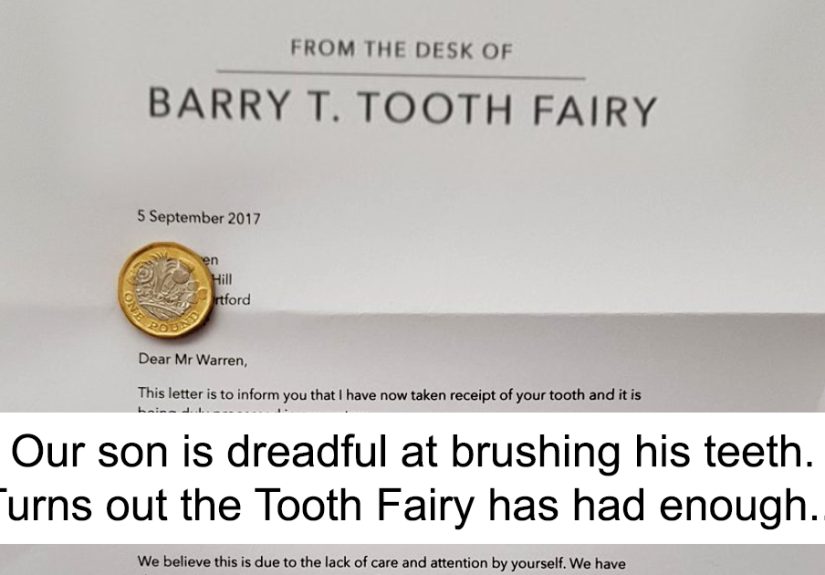
Every parent knows the bedtime routine has a hidden boss battle. Pajamas? Fine. Storytime? Great. Brushing teeth? Suddenly your child becomes a tiny civil liberties attorney who would like to challenge every household policy on record. That is exactly why one family’s clever solution struck such a chord online. Instead of another lecture about plaque, cavities, and why “just swishing water around” does not count, these parents delivered a hilarious letter from the Tooth Fairy that turned a boring hygiene reminder into a full-blown event.
And honestly, it was genius.
The viral story about parents who were fed up with their son’s half-hearted brushing routine worked because it mixed humor, imagination, and a very real parenting truth: kids often respond better to a creative story than to the seventeenth reminder of the day. But beneath the laughs, the idea also tapped into something bigger. Good dental habits matter, and getting children to care about them can feel like trying to negotiate with a raccoon holding a flashlight.
This story was funny because it was relatable. It also opened the door to a conversation many families need to have: how do you help a child brush their teeth properly without turning the bathroom into a nightly courtroom drama?
The Genius Tooth Fairy Letter That Got Parents Everywhere Nodding
The now-famous note came from a fictional official at “Tooth Fairy Headquarters,” who basically informed the child that the tooth submitted for payment was, let’s say, not exactly premium inventory. Instead of a magical no-questions-asked payout, the letter explained that the tooth had been delayed for review because of its poor condition. The humor landed because the message sounded oddly professional, like a bank notice crossed with a dental audit.
What made the letter so memorable was its tone. It did not scream. It did not shame. It did not sound like a parent standing in the doorway saying, “I told you so.” It sounded like a mildly disappointed magical bureaucrat who had seen things. The result was funny enough for adults to share online and believable enough for a child to actually pay attention.
That balance is what made the whole idea sparkle. The letter transformed tooth brushing from a boring chore into part of a story. Instead of hearing a parent repeat the same warning about future cavities, the child got a playful consequence wrapped in fantasy. And in family life, that kind of reframing can be pure gold.
Why This Parenting Hack Worked So Well
1. It turned nagging into storytelling
Children often tune out repetition. Once a phrase like “go brush your teeth” has been heard nine hundred times, it becomes wallpaper. But a letter from the Tooth Fairy? That is new. That is weird. That is worth reading. By giving the message a fresh voice, the parents cut through the usual resistance.
2. It used humor instead of a power struggle
One reason kids resist hygiene routines is simple: they do not enjoy feeling controlled. A playful letter sidesteps that tension. It gets the point across without turning the moment into a battle of wills. The child laughs, the parents laugh, and somehow everyone still ends up talking about brushing technique. That is an impressive family efficiency metric.
3. It made an invisible problem feel real
Tooth decay is abstract to most children. Plaque is invisible. Cavities usually show up later. A child may not understand why skipping corners in the back of the mouth matters. But if the Tooth Fairy herself notices? Suddenly the issue feels immediate. Imagination gives shape to a consequence that otherwise feels far away.
4. It preserved connection
The best parenting ideas do not just produce compliance. They preserve the relationship. This letter worked because it was corrective without being cruel. It said, “This matters,” but it said it with wit. That distinction matters more than people think.
What the Story Reveals About Kids and Tooth Brushing
The story spread because it reflected a universal parenting problem. Children are not naturally obsessed with plaque removal. Shocking, I know. Brushing requires time, patience, motor skills, and consistency. For younger kids, it can feel annoying. For older kids, it can feel boring. For tired parents at the end of the day, it can feel like one last hill to climb in socks on a slippery floor.
But oral care is not optional busywork. Good brushing habits help remove plaque, lower the risk of cavities, support gum health, and protect those baby teeth that are doing real jobs while they are still on duty. Baby teeth help children chew, speak clearly, and hold space for permanent teeth. In other words, they are not decorative placeholders. They matter.
That is why so many dentists and pediatric experts emphasize routine, supervision, and age-appropriate technique. A child saying, “I already brushed” does not always mean what adults hope it means. Sometimes it means they licked the toothbrush and briefly made eye contact with the sink.
How Parents Can Borrow the Idea Without Copying It Word for Word
Create a character with authority
The Tooth Fairy worked because she already had credibility in the child’s mind. Parents can use a similar approach with a fun “message” from a cavity detective, a toothbrush inspector, or a molar manager. The point is not deception for its own sake. The point is engagement. Kids lean into stories long before they lean into lectures.
Keep the tone playful, not mean
If you try this at home, the key is warmth. A funny letter should make the child smile while nudging them toward better habits. The best version sounds cheeky, not harsh. You want “Oh wow, I better brush better,” not “I feel embarrassed and gross.”
Pair the joke with a practical routine
A clever note is a spark, not the entire campfire. Once you have your child’s attention, back it up with a consistent plan: same brushing times, same place, same supplies, same expectations. Morning and bedtime work well because they are easier to anchor to existing habits.
Give them ownership
Children tend to cooperate more when they have a role. Let them choose their toothbrush color, toothpaste flavor, or brushing song. Let them brush first and then let a parent do a quick “final polish.” That keeps the child involved without pretending they have the dexterity of a dental hygienist at age six.
Real Dental Advice Hidden Inside a Funny Story
The internet loved the Tooth Fairy letter because it was funny, but the underlying issue was serious enough. Good oral hygiene for kids is not complicated, but it does require consistency. Parents should help children brush twice a day with fluoride toothpaste, use only the amount recommended for their age, and supervise rather than assume everything is being done correctly. Brushing should cover all tooth surfaces, not just the obvious front-row “camera teeth.”
Experts also encourage families to think beyond the brush. If teeth are touching, flossing becomes important. Sugary snacks and drinks can make life easier for cavity-causing bacteria. Regular dental visits matter, too. If oral care only happens when something hurts, you are basically letting the plot twist write itself.
One of the most overlooked truths in parenting is that children need help with brushing longer than many adults assume. Just because a child can hold a toothbrush does not mean they can do a thorough job. Many still need coaching and hands-on help well into grade school. There is a big difference between independence and effective plaque removal.
Why Humor Often Beats Nagging in Family Life
Humor lowers defenses. It helps children absorb guidance without feeling cornered. It also helps parents avoid becoming the nightly villain in what should be a simple routine. A playful strategy can turn a dreaded task into something more memorable and less combative.
That does not mean every child will instantly transform into a mini dental ambassador. Some kids will still resist. Some will negotiate. Some will dramatically claim they are too exhausted to continue after seven seconds of brushing. But humor gives families a better starting point. It changes the emotional temperature of the room.
And frankly, parenting is often about emotional temperature. A child who feels invited into a routine is more likely to cooperate than one who feels bossed around. The Tooth Fairy letter worked because it did not just communicate a rule. It created a moment.
Specific Ways to Make Tooth Brushing Easier at Home
Use a timer
Two minutes can feel endless to a child and suspiciously short to a rushed adult. A timer, song, or brushing app makes the expectation concrete.
Brush after breakfast and before bed
When brushing is attached to predictable parts of the day, there is less room for negotiation. The routine becomes normal instead of optional.
Give a warning before transition time
Children often do better when a routine does not arrive like a surprise pop quiz. A simple heads-up such as “Five more minutes, then bathroom time” can reduce friction.
Model the habit
Kids copy what they see. Family brushing time may not sound glamorous, but it is practical. Children are far more likely to buy into a habit when it looks like a normal part of life.
Celebrate consistency, not perfection
A child does not need applause for existing near a sink. But praise for effort, improvement, and consistency can help build the habit. The goal is not to make brushing a stage performance. It is to make it automatic.
The Bigger Lesson Behind the Tooth Fairy Letter
The genius of this story is not just that it made people laugh. It is that it showed how creativity can solve a common parenting problem without turning the home into a stress factory. The parents did not rely on a dramatic punishment or an exhausting lecture cycle. They used imagination, timing, and humor to make their point stick.
That is a useful reminder for families everywhere. Children are often more reachable through stories than speeches. A well-placed joke can open a door that nagging keeps slamming shut. And when the goal is teaching a lifelong habit like oral hygiene, that shift matters.
So yes, the letter from the Tooth Fairy was funny. But it was also smart. It respected what every experienced parent eventually learns: when logic fails, whimsy sometimes gets the job done.
Experiences Parents Relate To When Kids Refuse to Brush
Ask enough parents about brushing battles and the stories start rolling in fast. One mom says her son treated the toothbrush like a microphone and performed an entire concert before a single tooth got cleaned. Another parent swore their daughter could detect “bedtime brush time” from three rooms away and would vanish with the speed of a seasoned escape artist. Someone else admitted they once celebrated because their child willingly brushed, only to discover later that the toothpaste was still wearing a perfect, untouched swirl. Parenting can be humbling like that.
Many families also describe the same cycle. At first, they try the calm reminder. Then they try the firmer reminder. Then they become the person saying, “Open wider, I cannot brush your molars through your cheek.” Eventually, creativity enters the chat. Sticker charts appear. Songs get invented. Electric toothbrushes become birthday-level exciting. Suddenly a child who ignored every sensible explanation on earth becomes deeply invested in whether a superhero toothbrush can defeat “sugar bugs” before lights out.
That is why the Tooth Fairy letter resonated so strongly. It felt true to the parenting experience. Most moms and dads are not looking for perfection. They are just looking for a way to make one necessary daily task less exhausting. The magic of a playful idea is that it can interrupt a stale routine. A child who rolls their eyes at a parent might still take a mysterious note very seriously. And a parent who is tired of sounding like a broken alarm can finally deliver the message in a fresh way.
Some families discover that the real breakthrough is not the gimmick itself but the ritual that grows around it. A child starts expecting the brushing song. A parent starts doing a quick follow-up brush every night. The resistance drops because the routine becomes familiar. What began as a comedy bit slowly turns into a habit. That is usually the real win.
Parents also talk about the emotional side of this battle. They worry about being too strict. They worry about sounding repetitive. They worry that if they push too hard, every bedtime task will turn into conflict. So when they see an idea like the Tooth Fairy letter, it feels like permission to loosen up without lowering standards. It says you can still be playful and effective. You can be funny and serious at the same time. You can care about your child’s health without acting like a toothbrush drill sergeant.
And maybe that is the most relatable part of all. Parenting rarely improves because someone suddenly becomes flawless. It gets better because families find little adjustments that work for their specific child. For one kid, it is a chart. For another, it is a timer. For another, it is a theatrical message from a magical dental auditor who is frankly disappointed by the condition of recent submissions. Whatever works, works.
In the end, most parents are not trying to raise the world’s most enthusiastic flosser. They are trying to build a routine that protects their child’s teeth and preserves a little peace at bedtime. If that goal happens to involve a fictional letter with official Tooth Fairy language and a subtle threat about future payouts, well, the parenting hall of fame has room for that too.
Conclusion
The viral Tooth Fairy letter was more than a cute internet moment. It was a clever example of how parents can use humor, storytelling, and timing to teach an important lesson. Oral hygiene may not be the most thrilling topic in the world, but it becomes a lot more interesting when it arrives on magical letterhead. For families dealing with a child who treats brushing like an optional hobby, the takeaway is simple: be creative, be consistent, and remember that a little fun can go a long way toward building healthy habits that actually last.