Table of Contents >> Show >> Hide
- What Are Peanut Butter Balls (and Why Do People Call Them Buckeyes)?
- Ingredients That Actually Matter (and What They’re Doing)
- The Classic No-Bake Peanut Butter Balls Recipe
- Flavor Variations People Go Wild For
- Troubleshooting: When Peanut Butter Balls Get Dramatic
- Storage, Freezing, and Make-Ahead Tips
- Serving Ideas (Because Presentation Is Half the Flex)
- Allergens and Safety Notes
- FAQ: Quick Answers to Common Questions
- Real-Life Peanut Butter Ball Experiences ( of “Yep, Been There”)
- Wrap-Up: Your New Go-To No-Bake Treat
Peanut butter balls are the edible equivalent of a warm hoodie: comforting, dependable, and mysteriously gone the moment you look away. They’re a no-bake classicsweet, salty, and chocolate-coatedshowing up on holiday cookie trays, potluck dessert tables, and “I need something easy but impressive” moments everywhere.
This guide goes beyond a basic peanut butter balls recipe. You’ll get the why behind the ingredients, pro dipping tricks for glossy chocolate, flavor variations (from Buckeye-style to “make it fancy” sea salt), storage tips, and a big dose of real-life peanut butter ball energy including the very real phenomenon where you somehow make 60… and end up with 12.
What Are Peanut Butter Balls (and Why Do People Call Them Buckeyes)?
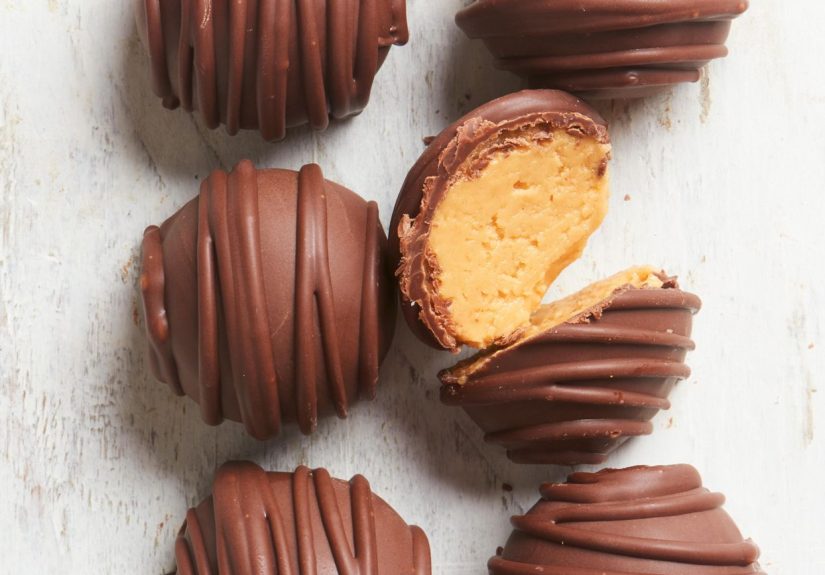
At their core, peanut butter balls are a simple candy: a creamy peanut butter center (usually sweetened and bound with butter and/or crumbs) rolled into bite-size spheres, chilled until firm, and dipped in melted chocolate. That’s it. No oven, no mixers required (though a mixer can save your wrists), and no complicated candy thermometers trying to ruin your vibe.
You’ll often hear the term Buckeyesespecially around the Midwest. Buckeyes are a specific style of peanut butter ball: you dip the ball in chocolate but leave a small circle of peanut butter showing at the top, so it resembles the nut of the buckeye tree. Think “peanut butter ball with a stylish little forehead.”
In other words: all buckeyes are peanut butter balls, but not all peanut butter balls are buckeyes. Like rectangles and squares, except the math tastes better.
Ingredients That Actually Matter (and What They’re Doing)
Peanut butter balls are forgivinguntil they aren’t. Most “fails” come down to texture: too soft, too crumbly, or chocolate that refuses to behave. Here’s how each ingredient earns its spot on the roster.
Peanut Butter: Smooth, Classic, and Predictable
Traditional recipes use creamy peanut butter for a reason: it’s consistent. Shelf-stable, no-stir peanut butters tend to create a filling that holds its shape and rolls cleanly. Natural peanut butter can work, but it’s oilier and often loosermeaning you may need extra dry ingredients (more crumbs or powdered sugar) and more chilling time.
Powdered Sugar: Sweetness + Structure
Confectioners’ sugar doesn’t just sweeten; it thickens. It absorbs moisture and helps the mixture firm up so you can roll neat balls instead of sculpting peanut butter sandcastles.
Butter: Flavor, Creaminess, and “It Rolls Better” Magic
Butter makes the filling richer and smoother. It also helps the mixture set once chilled. If your filling tastes good but feels dry and stubborn, a bit more softened butter (or a tiny splash of milk) can help it come together.
Crumbs or Crunch: Graham Cracker Crumbs, Rice Cereal, or Both
Many families swear by graham cracker crumbs for a subtle, toasty sweetness and sturdy texture. Others use crispy rice cereal for extra crunch and a lighter bite. Some recipes use none at all and rely on powdered sugar alone. There’s no single “correct” versionjust the one that disappears fastest at your house.
Chocolate: Chips vs. Candy Coating (a.k.a. “Choose Your Adventure”)
Chocolate chips melt fine, but they can set thicker and sometimes streaky. Candy coating/almond bark melts smoothly and sets fast, making it beginner-friendly. If you want a glossy, thinner shell with real chocolate flavor, use chopped baking chocolate (or good-quality bars) and consider adding a small amount of coconut oil or shortening to improve dipping flow.
The Classic No-Bake Peanut Butter Balls Recipe
This is the “goldilocks” version: not too sweet, not too crumbly, and easy to dip. It also scales well for gifting, parties, and “I volunteered to bring dessert and now I regret everything” situations.
Yield: About 40–60 balls (depending on size)
Active time: ~25 minutes | Chill time: 30–60 minutes
Equipment: mixing bowl, spatula, baking sheet, parchment/wax paper, small cookie scoop (optional but excellent)
Ingredients
- 1 cup creamy peanut butter
- 4 tablespoons (1/2 stick) unsalted butter, softened
- 1 teaspoon vanilla extract
- 1/4 teaspoon fine salt (skip or reduce if your peanut butter is very salty)
- 2 to 2 1/2 cups powdered sugar (start lower; adjust for rollable texture)
- 3/4 to 1 1/4 cups graham cracker crumbs or 2 to 3 cups crispy rice cereal (choose your texture)
- 12 to 16 ounces chocolate (semi-sweet or dark), chopped or chips
- 1 to 2 teaspoons coconut oil or shortening (optional, helps chocolate dip smoother)
Instructions
- Make the filling. In a large bowl, stir together peanut butter, softened butter, vanilla, and salt until smooth.
- Add the dry ingredients gradually. Mix in powdered sugar in stages. Add crumbs (graham crumbs for a “cookie” vibe, rice cereal for crunch), mixing until the texture is thick, cohesive, and rollable. If it feels too soft, add a bit more powdered sugar or crumbs. If it’s too dry and won’t hold, work it with your hands for a minute (warmth helps), or add a teaspoon of milk.
- Scoop and roll. Scoop into tablespoon-size portions and roll into balls. Place on a parchment-lined baking sheet. (Pro tip: if the mixture sticks, wash your hands and roll with slightly damp palmslike culinary sorcery.)
- Chill. Refrigerate 30–60 minutes or freeze 15–25 minutes until firm. You want them cold so they don’t melt into the chocolate.
- Melt the chocolate. Microwave in 20–30 second bursts, stirring between each, until smooth. If using coconut oil/shortening, stir it in once the chocolate is mostly melted.
- Dip. Drop a chilled ball into chocolate and lift it out with a fork. Tap gently on the bowl’s edge to remove excess chocolate. Return to parchment. Repeat.
- Set. Let them set at cool room temperature or refrigerate 15–20 minutes until the coating is firm.
Buckeye-Style Option (The Famous “Peanut Butter Peek”)
- Chill the balls until quite firm (freezer helps).
- Insert a toothpick into the top of each ball.
- Dip into chocolate, leaving a small circle of peanut butter visible at the top.
- Set on parchment. Once set, remove toothpicks and smooth the hole with a dab of warm peanut butter if you’re feeling extra.
Chocolate Dipping Tips That Save Your Sanity
- Work in batches: Keep half the balls in the fridge/freezer while you dip the rest.
- Thin chocolate dips better: A tiny bit of coconut oil/shortening can make the coating smoother and less clumpy.
- Avoid water: Even a little water can seize chocolate into a grainy mess.
- Fork lift + tap: Lifting with a fork and tapping removes excess chocolate and gives a cleaner finish.
Flavor Variations People Go Wild For
Once you know the base technique, peanut butter balls become a blank canvas. A delicious, peanutty canvas that you can dip in chocolate. Let’s not overthink the metaphor.
1) Dark Chocolate + Flaky Sea Salt
Dip in dark chocolate, then sprinkle a pinch of flaky sea salt before the coating sets. It tastes like you bought them from a fancy shop where the lighting makes you feel underdressed.
2) Crunch Lovers: Rice Cereal Center
Use crispy rice cereal as your main dry ingredient for a lighter, crunchier bite. It also stretches the batchhelpful if you promised “a few” and forgot your family defines “a few” as “enough for everyone twice.”
3) Graham Cracker “Peanut Butter Pie” Vibe
Lean into graham crumbs and add a pinch of cinnamon. Now your peanut butter ball is basically a tiny, no-bake pie truffle that doesn’t require you to roll out anything. Living the dream.
4) Pretzel Surprise (Sweet-Salty Chaos)
Press a mini pretzel twist into the top right after dipping, or mix finely crushed pretzels into the filling. The crunch plus saltiness makes these vanish fast at parties.
5) “Healthy-ish” Peanut Butter Balls
Want a less candy-like version? Swap some powdered sugar for almond flour and use maple syrup or honey for sweetness, then coat with dark chocolate. You’ll still want to chill well, but the flavor is more “snackable” and less “I just ate three and I regret nothing.”
6) Holiday Remix: Peppermint or Cinnamon
Add 1/4 teaspoon peppermint extract (go easypeppermint has opinions), or keep it cozy with cinnamon. Finish with crushed peppermint pieces or holiday sprinkles.
Troubleshooting: When Peanut Butter Balls Get Dramatic
Problem: The mixture is too crumbly to roll
- Work it with your hands for 30–60 seconds; warmth helps it come together.
- Add 1 teaspoon milk or melted butter at a time until it holds.
- Double-check you didn’t over-measure dry ingredients (powdered sugar can pack).
Problem: The mixture is too soft or sticky
- Chill 15–20 minutes, then try again.
- Add a bit more powdered sugar or crumbs.
- If using natural peanut butter, you may need extra dry ingredients and longer chilling.
Problem: The balls crack when dipped
- If the centers are frozen rock-solid and the chocolate is warm, cracks can happen from temperature shock.
- Let the balls sit 3–5 minutes after freezing, or cool the chocolate slightly before dipping.
Problem: Chocolate looks thick, lumpy, or dull
- Overheating can scorch chocolatemicrowave in short bursts and stir often.
- Add a little coconut oil/shortening to thin it for dipping.
- If you want a shiny “snap,” use high-quality chocolate and consider tempering (optional, but impressive).
Problem: Flat bottoms or “feet”
- Totally normal. If you want smoother bottoms, chill until set, then give them a quick second dip just on the base.
- Or embrace it: flat bottoms mean they don’t roll off plates. That’s engineering.
Storage, Freezing, and Make-Ahead Tips
Peanut butter balls are a make-ahead superstar. You can prep them days (or weeks) before a party and still look like someone who has their life together.
- Refrigerator: Store in an airtight container for up to 1–2 weeks. Separate layers with parchment to prevent sticking.
- Freezer: Freeze in a sealed container for up to 2–3 months. Thaw in the fridge overnight for best texture.
- Room temperature: Fine for short periods if your room is cool, but chocolate softens fast in warm kitchens.
Gift tip: If you’re boxing them up, make sure they’re fully set and cool first. Nobody wants to open a gift and find a chocolate crime scene.
Serving Ideas (Because Presentation Is Half the Flex)
- Holiday cookie trays: Place peanut butter balls between crisp cookies for texture contrast.
- Dessert board: Add pretzels, strawberries, and salted nuts for a “sweet & salty” theme.
- Party bite: Stick each ball in a mini cupcake linercleaner fingers, fancier look.
- Tailgate vibe: Buckeye-style peanut butter balls are a crowd-pleaser for game days and potlucks.
Allergens and Safety Notes
Peanut butter balls contain peanuts and often dairy (butter) and may include gluten (graham crackers). If you’re serving a crowd, label them clearly. Peanut allergies are seriouswhen in doubt, make a separate nut-free treat and keep tools/surfaces separate.
If making for kids, skip toothpicks for dipping. Use a fork method or candy dipping tools instead.
FAQ: Quick Answers to Common Questions
Can I use natural peanut butter?
Yes, but expect a softer mixture. You’ll likely need more powdered sugar/crumbs and more chilling time. Stir it very well first so the oil is evenly distributed.
Do I have to use graham crackers?
Nope. You can use crispy rice cereal for crunch, finely crushed vanilla wafers for a “cookie” flavor, or skip crumbs and rely on powdered sugar just adjust until the mixture rolls cleanly.
What’s the best chocolate for dipping?
Candy coating is easiest and smoothest for beginners. For deeper flavor, use real chocolate (bars or baking chocolate). If it’s too thick, add a small amount of coconut oil or shortening.
How do I make them vegan?
Use a plant-based butter (or refined coconut oil) and dairy-free chocolate. Double-check crumbs/cookies for dairy ingredients.
Can I make them less sweet?
You can reduce powdered sugar a bit, but you still need structure. Balance with salt, use darker chocolate, and consider adding almond flour or oats (for a snack-style version).
Real-Life Peanut Butter Ball Experiences ( of “Yep, Been There”)
Peanut butter balls have a funny way of turning a calm kitchen into a mini assembly lineespecially around the holidays. One minute you’re confidently thinking, “This is a quick no-bake treat,” and the next minute you’ve got parchment paper everywhere, a bowl of melted chocolate that’s slowly thickening like it has places to be, and someone wandering by asking, “Are those done yet?” as if patience is optional.
The rolling stage is where the personality of your batch reveals itself. If the mixture is perfect, you feel like a dessert wizard: scoop, roll, traysmooth spheres lined up like little peanut butter planets. If the mixture is too soft, it clings to your hands like it’s auditioning for a romantic comedy. If it’s too crumbly, you start questioning everything you’ve ever measured, including your own emotional stability. The good news is that peanut butter balls are forgiving. A little more chilling, a sprinkle more powdered sugar, or a teaspoon of milk and suddenly you’re back in business.
Then comes dippingalso known as “the part that separates the casual snackers from the committed.” The first few dips are always optimistic. Your chocolate is glossy. Your fork taps are crisp. Your confidence is high. But somewhere around ball number twelve, the chocolate starts thickening, your coating gets a little rugged, and you realize why people call candy making a craft. This is the moment you either (a) add a tiny bit of coconut oil and keep going like a pro, or (b) declare that “rustic” is a perfectly acceptable design style.
If you’re making buckeye-style peanut butter balls, the toothpick method feels strangely officiallike you’ve been promoted to Candy Supervisor. You leave that neat little peanut butter circle at the top, and suddenly the whole tray looks fancy enough to bring to a party where people say things like “notes of cocoa” without laughing. Of course, toothpicks also create tiny holes, so you may find yourself doing microscopic cosmetic surgery with a dab of peanut butter to smooth them out. It’s fine. Nobody will notice. (And if they do, hand them another one until they forget.)
The best “experience” part, though, is what happens after: the taste test that is definitely necessary for quality control. The first bite is always the same: chocolate snap (or soft melt), creamy peanut butter center, sweet-salty balance, and that immediate thought“Okay, these are dangerous.” They’re also oddly communal. People hover. Kids ask for “just one more.” Adults pretend they’re getting them “for the kids.” A few disappear before they ever make it to the container. And when you finally set the finished batch on the table, they don’t just look like candythey look like effort. The kind of effort that says, “I cared enough to make something special,” even if you did it in sweatpants while listening to a podcast and whispering motivational quotes to the microwave.
That’s the charm: peanut butter balls are simple, but they feel like an event. They’re nostalgic, practical, and irresistibly snackable which is why they keep showing up year after year, right alongside the cookies that require actual baking and the people who swear they’re “only having one.” Sure, buddy. Sure.